
Climate change has become one of the biggest challenges facing the world. Rising temperatures, extreme weather events, melting glaciers, rising sea levels, and changing rainfall patterns are affecting communities, economies, and natural ecosystems across the globe. As these challenges become more serious, international cooperation is becoming increasingly important.
One of the most important platforms for discussing these issues is the United Nations Climate Change Conference, commonly known as COP. In 2026, countries, government representatives, scientists, environmental organizations, and business leaders are gathering in Antalya, Türkiye, for the 31st Conference of the Parties, also known as COP31.
The conference is taking place from November 9 to November 20, 2026, although negotiations have extended beyond the scheduled closing date because countries have not yet reached agreement on several important issues.
COP31 is focusing on practical climate action, including reducing greenhouse gas emissions, increasing climate finance, protecting vulnerable communities, expanding renewable energy, and supporting countries adapting to environmental changes.
However, countries have different economic priorities and responsibilities. Developed nations, developing economies, and countries that depend heavily on fossil fuels often have different opinions about how quickly the world should transition towards cleaner energy.
In this article, we explore COP31 2026, the major climate issues countries are discussing, the role of India, important environmental priorities, and what the negotiations could mean for the future of the planet.
1. What Is COP31 2026?
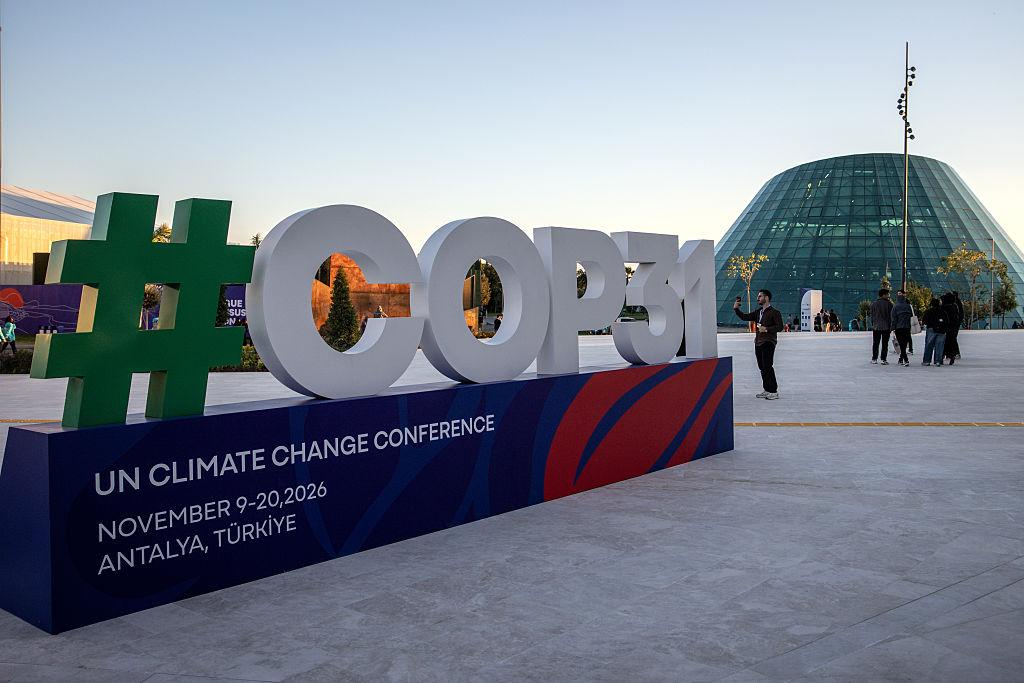
COP31 stands for the 31st Conference of
the Parties to the United Nations Framework Convention on Climate Change (UNFCCC).
It is an international climate conference where representatives from nearly 200 countries come together to discuss policies, agreements, and actions to address global warming.
The conference provides an opportunity for governments to review their climate commitments, discuss environmental challenges, and negotiate solutions that can support global climate goals.
COP31 is being hosted by Türkiye in Antalya, while Australia is leading the negotiations. Murat Kurum is serving as COP31 President, and Australia's Climate and Energy Minister Chris Bowen is chairing the negotiations.
Important COP31 Details
Detail | Information |
|---|---|
Conference | COP31 |
Full name | 31st Conference of the Parties |
Dates | November 9–20, 2026 |
Host country | Türkiye |
Host city | Antalya |
COP President | Murat Kurum |
Negotiation President | Chris Bowen |
Main focus | Climate action and implementation |
Organizing body | United Nations Framework Convention on Climate Change |
The main objective is to turn previous climate commitments into measurable environmental progress.
Unlike conferences focused primarily on creating new climate frameworks, COP31 places significant emphasis on implementing existing agreements and improving international cooperation.
2. Why Is COP31 Important for the World?
COP31 is taking place at an important moment for international climate action. Countries are facing increasing pressure to reduce emissions while preparing communities for the effects of rising temperatures.
Extreme heat, floods, droughts, wildfires, and other climate-related events are creating challenges for agriculture, infrastructure, public health, and economic development.
The United Nations has warned that the world is on course to exceed the 1.5°C warming threshold established under the Paris Agreement. This makes faster emissions reductions and stronger adaptation efforts increasingly important.
COP31 matters because it brings countries together to address several important questions:
How can governments reduce greenhouse gas emissions?
How can countries increase renewable energy production?
Who should provide financial support to developing nations?
How can vulnerable communities prepare for climate disasters?
How can businesses adopt more sustainable practices?
How can countries cooperate to achieve long-term climate targets?
The decisions made during these negotiations could influence environmental policies, energy investments, and international cooperation for years to come.
3. Reducing Fossil Fuel Dependence
One of the biggest discussions at COP31 concerns the future of fossil fuels, including coal, oil, and natural gas.
These energy sources have supported industrial development and economic growth for decades. However, burning fossil fuels releases greenhouse gases that contribute significantly to global warming.
Many countries and environmental organizations are calling for a faster transition towards cleaner energy sources.
What Are Countries Discussing?
The negotiations have highlighted different approaches to reducing fossil fuel dependence.
Faster transition towards clean energy: Several countries want stronger commitments to move away from coal, oil, and natural gas.
Energy security: Governments also want to ensure that their countries have reliable and affordable energy supplies.
Economic challenges: Nations that depend heavily on fossil fuel production are concerned about employment, government revenue, and economic stability.
Carbon capture technology: Some countries support technologies that capture and store carbon emissions, while others question their cost and effectiveness at large scale.
An important disagreement emerged when a revised COP31 draft removed references to transitioning away from fossil fuels. Several countries, including Panama, France, Belgium, and the Solomon Islands, pushed for clearer language on reducing fossil fuel dependence.
The Guardian+1
This disagreement has become one of the major obstacles to reaching a final agreement.
4. Climate Finance: Who Will Pay for Climate Action?
Climate finance is another major issue being discussed at COP31.
Developing countries often face greater difficulties dealing with climate change because they may have limited financial resources, weaker infrastructure, and greater exposure to environmental disasters.
For example, countries experiencing severe flooding, drought, or coastal erosion may need significant investment to protect communities and rebuild damaged infrastructure.
Climate finance refers to financial support provided for activities such as:
Renewable energy development.
Climate-resilient infrastructure.
Flood prevention systems.
Sustainable agriculture.
Clean transportation.
Disaster preparedness.
Environmental restoration.
Why Is Climate Finance Controversial?
Developing countries argue that wealthier nations, which have contributed significantly to historical greenhouse gas emissions, should provide more financial support.
Developed countries, meanwhile, discuss how public and private investment can be combined to meet global climate goals.
At COP31, disagreements emerged over adaptation funding. A proposed annual target of $120 billion for helping developing countries adapt to climate change was removed from a revised draft agreement, creating further tensions.
Reuters+1
The discussion is important because climate commitments require financial resources to become practical projects.
Without sufficient funding, many developing nations may struggle to implement environmental policies.
5. Renewable Energy and the Transition Towards Clean Power
Renewable energy is one of the most important areas of international climate cooperation.
Solar, wind, hydropower, and other cleaner energy technologies can help countries reduce dependence on fossil fuels while supporting long-term energy security.
At COP31, discussions have included electrification, clean energy infrastructure, and investment in sustainable technologies.
Major Renewable Energy Priorities
Solar energy: Countries are exploring ways to expand solar power generation through large-scale projects and rooftop installations.
Wind energy: Onshore and offshore wind projects can help diversify electricity production.
Energy storage: Battery technology can support renewable electricity when sunlight and wind availability change.
Electric transportation: Electric vehicles and charging infrastructure can reduce dependence on petrol and diesel.
Modern electricity networks: Governments need stronger power grids to distribute renewable electricity efficiently.
One proposal discussed at COP31 is to increase electricity's share of global final energy consumption to 35% by 2035.
However, countries have disagreed over whether this target should specifically emphasize clean electricity rather than electrification alone.
Reuters+1
6. Climate Change Adaptation and Disaster Preparedness
Reducing greenhouse gas emissions is important, but countries must also prepare for climate impacts that are already happening.
Climate adaptation refers to the steps taken to reduce the damage caused by environmental changes.
For example, coastal communities may need stronger flood protection, while agricultural regions may require improved irrigation systems and drought-resistant crops.
Important Adaptation Measures
Flood protection: Building stronger drainage systems, flood barriers, and early-warning networks.
Water management: Improving water storage and conservation systems.
Climate-resilient agriculture: Supporting farmers with better irrigation and climate-resistant crops.
Coastal protection: Protecting coastal communities from erosion and rising sea levels.
Disaster preparedness: Developing emergency response systems for extreme weather events.
Public health protection: Preparing healthcare systems for heatwaves and climate-related illnesses.
At COP31, countries are also discussing how to implement the adaptation indicators agreed at COP30 in Belém.
These indicators are intended to help measure progress in areas such as water, food, health, ecosystems, and infrastructure.
Better adaptation planning can help communities reduce environmental damage and protect their livelihoods.
7. What Is India's Role at COP31 2026?
India is an important participant in international climate negotiations because of its large population, growing economy, energy requirements, and renewable energy ambitions.
The country faces several environmental challenges, including air pollution, extreme heat, water shortages, changing rainfall patterns, and climate-related risks to agriculture.
At the same time, India is expanding its renewable energy infrastructure and investing in cleaner technologies.
India's Major Climate Priorities
Renewable energy development: India continues to expand solar and wind power projects to diversify its energy supply.
Energy security: The country needs affordable and reliable electricity to support households, industries, and economic development.
Climate finance: India has emphasized the importance of affordable financial support and technology access for developing countries.
Climate justice: Developing economies argue that climate responsibilities should reflect differences in historical emissions and financial capabilities.
Sustainable development: India must balance economic growth, poverty reduction, industrial development, and environmental protection.
India's position on fossil fuel language has also become part of the COP31 debate. Indian representatives have expressed opposition to a universal fossil fuel phase-out roadmap, emphasizing national circumstances and energy security.
World News+1
This highlights the challenge of finding climate policies that work for countries with different economic conditions.
8. Protecting Forests, Biodiversity, and Natural Ecosystems
Forests, oceans, wetlands, and other natural ecosystems play an important role in maintaining environmental balance.
Forests absorb carbon dioxide, support biodiversity, regulate water cycles, and provide livelihoods for millions of people.
However, deforestation, pollution, land degradation, and changing weather patterns threaten these ecosystems.
At COP31, nature-based solutions and ecosystem protection remain important parts of broader climate action.
Key Environmental Priorities
Protecting tropical forests and wildlife habitats.
Reducing deforestation.
Restoring degraded land.
Supporting sustainable agriculture.
Protecting marine ecosystems.
Improving water conservation.
Encouraging responsible land management.
Nature-based solutions can also support communities by improving soil quality, protecting water resources, and reducing certain climate-related risks.
However, protecting ecosystems requires long-term funding, effective environmental policies, and cooperation between governments and local communities.
9. Climate Change and the Future of Agriculture
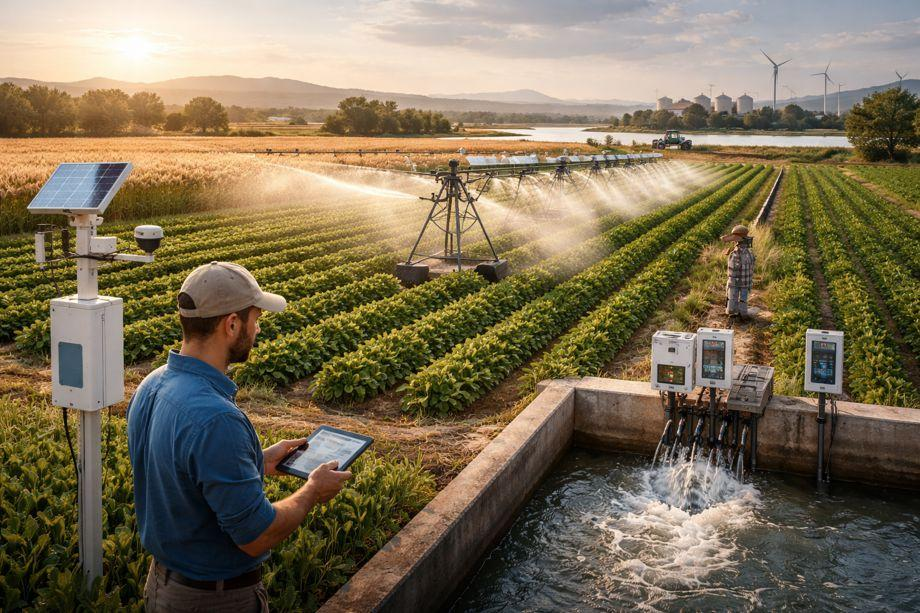
Agriculture is one of the sectors most directly affected by climate change.
Changes in temperature, rainfall, soil moisture, and seasonal weather patterns can influence crop production and food availability.
Farmers in many regions are already dealing with unpredictable rainfall, drought conditions, floods, and rising production costs.
At COP31, climate-resilient agriculture is an important part of discussions about adaptation and food security.
What Can Countries Do?
Develop climate-resistant crops: Agricultural research can help farmers grow crops that tolerate heat, drought, and changing weather conditions.
Improve irrigation: Efficient irrigation systems can reduce water waste and support crop production.
Support small farmers: Financial assistance and agricultural training can help farming communities adapt.
Promote sustainable farming: Better soil management and responsible fertilizer use can support environmental protection.
Improve weather forecasting: Early-warning information can help farmers prepare for unexpected weather events.
These measures are important because climate change can affect food prices, rural incomes, and national food security.
10. Green Jobs and Sustainable Economic Development
The transition towards a greener economy is not only an environmental issue. It also creates opportunities for employment, investment, and technological innovation.
Renewable energy, electric transportation, sustainable construction, waste management, and environmental technology are creating demand for new skills.
At COP31, discussions about a just transition are important because workers and communities affected by changes in energy systems need support.
Examples of Green Employment Opportunities
Industry | Potential employment opportunities |
|---|---|
Solar energy | Solar panel installation and maintenance |
Wind energy | Wind turbine engineering |
Electric vehicles | Battery technology and vehicle manufacturing |
Sustainable construction | Energy-efficient building design |
Waste management | Recycling and resource recovery |
Environmental technology | Climate research and monitoring |
Agriculture | Sustainable farming and water management |
A just transition means that climate policies should consider workers, local communities, and people who may face economic difficulties as industries change.
Countries need to invest in education, professional training, and employment opportunities to make the transition more inclusive.
11. Carbon Capture and Emerging Climate Technologies
Technology is becoming an important part of climate change discussions.
Governments and companies are exploring different solutions to reduce emissions, improve energy efficiency, and remove carbon dioxide from the atmosphere.
One technology receiving significant attention is carbon capture and storage (CCS).
CCS involves capturing carbon dioxide emissions from certain industrial processes or energy facilities and storing them underground instead of releasing them into the atmosphere.
Other emerging technologies include:
Direct air capture.
Advanced battery storage.
Green hydrogen.
Smart electricity grids.
Electric transportation.
Low-carbon industrial manufacturing.
Artificial intelligence for climate monitoring.
However, these technologies also raise questions about affordability, energy requirements, scalability, and environmental effectiveness.
At COP31, carbon capture has become part of a wider disagreement over whether technological solutions should receive greater attention while countries continue using fossil fuels.
Many climate experts emphasize that carbon removal technologies should complement, rather than replace, rapid reductions in greenhouse gas emissions.
12. What Are the Biggest Disagreements at COP31?
Although countries share the broad objective of addressing climate change, reaching an international agreement is complicated.
Different nations have different economic structures, energy requirements, financial resources, and environmental responsibilities.
As of November 21, 2026, COP31 negotiations have extended beyond their scheduled closing date because countries remain divided over several major issues.
Here are some of the most important disagreements.
Discussion area | Main disagreement |
|---|---|
Fossil fuels | Whether the final agreement should include a clear transition away from fossil fuels |
Climate finance | How much financial support developing nations should receive |
Adaptation funding | How to finance protection against climate impacts |
Clean energy | Whether electrification targets should specify clean electricity |
Carbon capture | How much importance carbon capture should receive |
Just transition | How workers and vulnerable communities should be supported |
The revised draft's removal of fossil fuel references and the proposed adaptation finance target has drawn criticism from several countries and environmental organizations.
AP News+2
These disagreements demonstrate why international climate negotiations can take longer than expected.
13. What Could COP31 Mean for Developing Countries?
Developing countries are among the nations that need significant financial and technical support to manage climate-related challenges.
Many face increasing environmental risks while also trying to improve living standards, create employment, and expand access to electricity.
COP31 could influence how international support is distributed and how developing nations implement climate policies.
Some important potential benefits include:
Better access to climate finance: Financial support can help governments invest in renewable energy and climate-resilient infrastructure.
Technology sharing: Developing countries can benefit from access to affordable clean technologies.
Disaster protection: Improved early-warning systems and emergency planning can reduce the impact of extreme weather.
Agricultural development: Climate-resilient farming methods can support rural communities.
Economic opportunities: Green industries can create jobs and attract international investment.
However, the success of these opportunities will depend on whether countries agree on practical funding arrangements and implementation plans.
14. How Can Individuals Contribute to Climate Action?
International climate conferences are important, but climate action does not depend only on governments.
Individuals, households, schools, and businesses can also contribute by making more sustainable choices.
Here are some practical steps people can take.
Save electricity: Switch off unused lights and appliances and choose energy-efficient products.
Reduce plastic waste: Use reusable shopping bags, bottles, and containers.
Use public transportation: Walking, cycling, carpooling, and public transport can help reduce transport-related emissions.
Conserve water: Avoid unnecessary water consumption and repair leaking taps.
Plant and protect trees: Support local tree-planting and environmental conservation activities.
Reduce food waste: Plan meals carefully and avoid throwing away usable food.
Choose sustainable products: Consider durability, repairability, and environmental impact when shopping.
Spread awareness: Share reliable information about climate change and environmental protection.
Individual actions cannot replace large-scale government and industrial changes, but they can support wider environmental efforts.
15. What Happens After COP31?

The work of addressing climate change does not end when a COP conference closes.
After COP31, countries will need to translate agreed decisions into national policies, investment programmes, and measurable environmental action.
Governments will also continue working through the Paris Agreement framework to review their climate commitments and report progress.
Some important areas to watch after COP31 include:
Implementation of climate finance commitments.
Expansion of renewable energy projects.
Progress on greenhouse gas emission reductions.
Improved climate adaptation strategies.
Protection of vulnerable communities.
International cooperation on clean technologies.
Preparation for future climate conferences.
The next annual UN climate conference, COP32, is scheduled to continue the international climate negotiation process in 2027.
The effectiveness of COP31 will ultimately depend on whether countries turn their discussions into real improvements for the environment and the people affected by climate change.
Final Thoughts
COP31 2026 is an important international climate conference bringing countries together to discuss the future of global environmental protection.
Hosted in Antalya, Türkiye, the conference has focused on several major issues, including fossil fuel dependence, renewable energy, climate finance, adaptation, biodiversity, and sustainable economic development.
However, disagreements over fossil fuel commitments and financial support have made negotiations difficult. As of November 21, discussions have continued beyond the original closing date, showing how challenging it can be for nearly 200 countries to reach a common position.
For developing nations such as India, the discussions are particularly important because climate action must be balanced with energy security, economic growth, employment, and poverty reduction.
Ultimately, COP31 highlights an important message: addressing climate change requires more than international promises. It requires financial support, technological innovation, responsible policies, and practical action.
The decisions reached in Antalya could influence how countries approach climate protection and sustainable development in the years ahead.
COP31 is the 31st United Nations Climate Change Conference, held in Antalya, Türkiye, from November 9 to 20, 2026.
Major topics include fossil fuels, renewable energy, climate finance, global warming, adaptation, and sustainable development.
COP31 is important for India because it addresses climate finance, energy security, renewable energy, and climate challenges affecting developing economies.
Climate finance refers to funding provided for reducing emissions, developing clean energy, and helping communities adapt to climate change.
Countries are expected to continue implementing climate commitments, improving environmental policies, and preparing for future international climate negotiations.
Sources and notes
Links the author listed for this post.
This article references official information and climate research from the United Nations Framework Convention on Climate Change (UNFCCC), United Nations, Organisation for Economic Co-operation and Development (OECD), and reporting from Reuters, Associated Press, and other established news organizations.


Discussion
0 comments
No comments yet
Discussion will appear here once it loads.