Loading page


Contraception,
explained
clearly.
Understand your fertility journey with confidence.
Understand your cycle, fertile window, and the essentials of preparing for contraception and reproductive choices.
EXPLORE YOUR OPTIONS
Contraception Methods
Click any method card below to view its clinical details, physical appearance, and key advantages in the interactive section directly below the carousel.
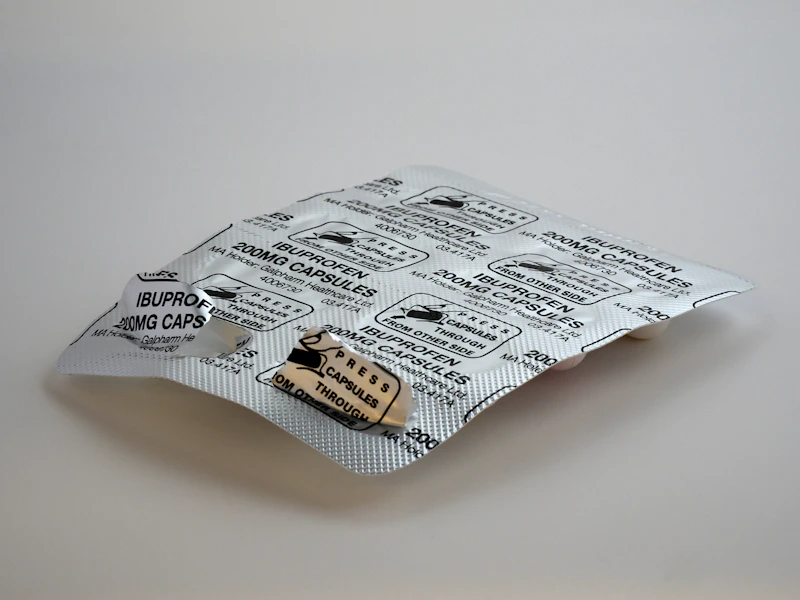
>99%
Contraceptive Implant
long-acting•Up to 5 years
Explore Method →

>99%
Hormonal IUD / IUS
long-acting•3 to 8 years (depending on brand)
Explore Method →
>99%
Copper IUD
long-acting•Up to 5–10 years
Explore Method →

>99%
Contraceptive Injection
hormonal•Every 8 to 13 weeks
Explore Method →

>99%
Oral Contraceptive Pill
hormonal•Taken daily
Explore Method →

>99%
Contraceptive Patch
hormonal•Changed weekly (3 weeks on, 1 week off)
Explore Method →
>99%
Vaginal Ring
hormonal•Left in place 3 weeks, out for 1 week
Explore Method →
>99%
External (Male) Condom
barrier•Single use (per sexual act)
Explore Method →
>99%
Internal (Female) Condom
barrier•Single use (per sexual act)
Explore Method →
>99%
Diaphragm / Cervical Cap
barrier•Per sexual act (leave in 6 hrs after)
Explore Method →
>99%
Fertility Awareness Methods (FAM)
fertility-awareness•Continuous daily tracking
Explore Method →
>99%
Withdrawal Method
fertility-awareness•Per sexual act
Explore Method →
>99%
Vasectomy (Male Sterilization)
permanent•Permanent
Explore Method →
>99%
Tubal Sterilization (Female)
permanent•Permanent
Explore Method →
>99%
Emergency Contraceptive Pills
emergency•Single emergency dose
Explore Method →
>99% EffectiveWHAT IT LOOKS LIKESELECTED METHOD SPECIFICATIONS•long-acting
Contraceptive Implant
Duration / LifespanUp to 5 years
STI ProtectionNo (Pregnancy Only)
Adherence BurdenSet & Forget
Sourced from WHO & ACOG Medical Eligibility Criteria.
UNDERSTAND
How Effective Are Contraceptive Methods?
Contraceptive effectiveness is measured in real-world "typical use" (accounting for missed pills or late renewal) versus "perfect use" (ideal clinical conditions).
✧ Remember
No contraceptive method is 100% effective except abstinence. Condoms are the only method that also helps protect against STIs and HIV.
Effectiveness Rates
Implant99.9%
Hormonal IUD99.8%
Copper IUD99.2%
Injection94%
Pill91%
Patch91%
Vaginal Ring91%
Male Condom82%
Source: World Health Organization (WHO) & American College of Obstetricians and Gynecologists (ACOG).
 Side-by-side clinical evaluation of birth control options.
CLINICAL MATRIX
Compare Birth Control Options Side-by-Side
Evaluating contraceptive options requires analyzing clinical efficacy rates, biological mechanisms, daily compliance burdens, and fertility return timelines. Select up to 3 methods below to review their parameters side by side.
Select Methods to Compare (Up to 3):
| Clinical Parameter | Hormonal IUD / IUS | Oral Contraceptive Pill |
|---|---|---|
| Typical Real-World Efficacy | ||
| Clinical Lifespan / Duration | 3 to 8 years (depending on brand) | Taken daily |
| Hormonal Mechanism | Progestin / Combined Estrogen | Progestin / Combined Estrogen |
| User Adherence Burden | User-independent (Set & forget) | Requires daily or monthly action |
| STI Protection Status | No (Pregnancy Only) | No (Pregnancy Only) |
| Fertility Return Timeline | Immediate upon removal or cessation | Immediate upon removal or cessation |
PERSONALIZED MATCHING
What Matters Most To You?
Maximum Efficacy
Methods with >99% typical real-world success rates without daily maintenance.
Top Matches:
100% Hormone-Free
Prevent pregnancy naturally without systemic hormones (Copper IUD, condoms).
Top Matches:
STI Barrier Protection
Methods that safeguard against sexually transmitted infections during intercourse.
Top Matches:
MISCONCEPTIONS VS FACTS
Myths & Facts
Clearing common reproductive misconceptions with verified evidence from ACOG and WHO guidelines.
Clinical Fact:Modern IUDs are over 99% effective and clinically safe. They do not increase long-term infertility risk. Normal fertility returns rapidly after removal by a healthcare clinician.
TIME-SENSITIVE CARE
Emergency Contraception
If unprotected intercourse occurs or a regular method fails, emergency contraceptive pills (Plan B, ella) or a Copper IUD can prevent pregnancy up to 3–5 days (72–120 hours) after intercourse.
Act quickly: Levonorgestrel pills (Plan B) are most effective when taken within 72 hours (3 days). Ulipristal acetate (ella) and Copper IUD remain highly effective up to 120 hours (5 days).

✧ Over-the-counter Plan B available without prescription for all ages.
ACTION WINDOWS
Emergency Timeline Care Guide
Select any timeline window below to view specific emergency medication guidelines and clinical recommendations.
0 – 24 Hours
Maximum Efficacy Window
Take Levonorgestrel (Plan B) or Ulipristal (ella) as soon as possible for maximum ovulation suppression (>95%).
View Plan B / Levonorgestrel→
24 – 72 Hours
High Protection Window
Plan B remains effective up to 72 hours. ella (Ulipristal) or Copper IUD insertion provides superior efficacy for higher BMI.
View ella (Ulipristal Acetate)→
72 – 120 Hours
Extended Care Window
Ulipristal (ella) or Copper IUD insertion is required for effectiveness between days 3 and 5 (up to 120 hours).
View Copper IUD Insertion→
Post 120 Hours
Clinical Consultation
Emergency oral contraceptives are no longer effective. Schedule a clinical consultation or pregnancy test after 3 weeks.
View Clinical Evaluation→
CRITICAL DISTINCTION
Pregnancy Prevention vs. STI Barrier Protection
A key clinical distinction: most contraceptive methods (IUDs, implants, pills, injections) prevent pregnancy with high efficacy but offer zero protection against Sexually Transmitted Infections (STIs) or HIV.
Dual Protection (STIs + Pregnancy)
External & Internal Condoms
Physical barrier methods prevent direct fluid transmission and skin-to-skin contact, offering essential protection against HIV, Chlamydia, Gonorrhea, and Syphilis.
- Protects against STIs & HIV transmission
- 82% - 98% typical-to-perfect pregnancy prevention
- Available over-the-counter without prescription
Recommended for Dual-Protection Use →
Pregnancy Prevention Only
IUDs, Implants, Pills, Patches & Rings
Highly effective at suppressing ovulation or blocking fertilization inside the uterus, but provide zero physical barrier protection against sexually transmitted infections.
- 91% - >99% highly effective pregnancy prevention
- No protection against STIs or HIV
- Best paired with condoms for complete protection
Requires Dual Use with Barrier Methods →
CLINICAL CHECKLIST
Important Personal & Medical Considerations
A comprehensive checklist to discuss with your healthcare provider when selecting or switching contraceptive methods.
Medical History & Contraindications
Conditions such as migraines with aura, uncontrolled hypertension, or thromboembolism history dictate whether estrogen-containing methods are clinically safe.
Lifestyle & Daily Routine Adherence
Evaluating daily pill compliance versus set-and-forget long-acting methods (IUDs and implants) to maximize real-world typical effectiveness.
Future Fertility Goals & Timing
Understanding return-to-fertility timelines. Reversible LARCs allow rapid fertility restoration immediately upon clinical removal.
Hormonal Sensitivity & Non-Contraceptive Benefits
Managing heavy menstrual bleeding (menorrhagia), dysmenorrhea, or acne using combination or progestin-only options.
STI Barrier Protection Requirements
Hormonal methods and IUDs prevent pregnancy but do not protect against STIs. Dual use with external condoms is recommended for infection prevention.
Postpartum & Lactation Compatibility
Selecting progestin-only pills, implants, or copper IUDs that do not interfere with breast milk production or infant growth.
EDITORIAL PUBLICATION
Peer-reviewed reproductive healthcare guidance.The Contraception Journal
In-depth medical articles, reproductive health research, and expert guidelines written by board-certified gynecologists and clinical specialists.

Clinical Overview• 6 min read
Understanding Hormonal vs. Non-Hormonal Contraception Options
A comprehensive clinical guide to evaluating hormone sensitivity, potential side effects, and long-term reproductive health goals.
Dr. Sarah Jenkins, MDRead Featured Article →

Maternal Health4 min read
Postpartum Contraception & Lactation Safety Guidelines
What new mothers need to know about progestin-only pills, copper IUDs, and breast milk compatibility.
Dr. Elena Rostova, OB-GYNRead Article →
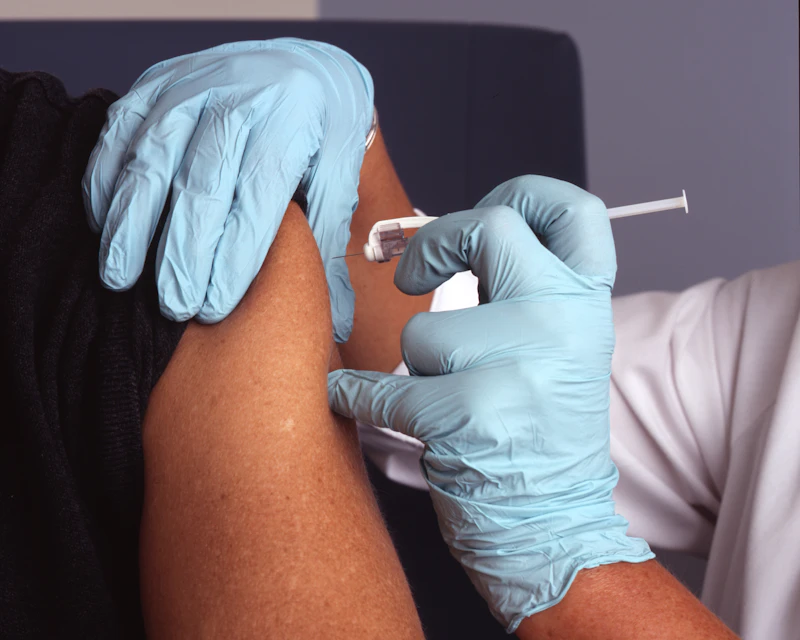
Symptom Management5 min read
Managing Period Pain & Bleeding Patterns
How hormonal IUDs and combination pills can alleviate severe cramps and endometriosis symptoms.
Dr. Maya Lin, SpecialistRead Article →
Pharmacotherapy5 min read
Emergency Care: Timing & BMI Considerations
Evaluating Plan B vs. ella vs. Copper IUD for emergency ovulation suppression across body mass index ranges.
Dr. Marcus Vance, PharmDRead Article →
SECONDARY NAVIGATION HUB
More to Explore
Jump directly to dedicated clinical guides, emergency timeline tools, and myth-busting resources.

PERSONALIZED MATCHING
What matters most?
Filter by efficacy rates, daily convenience, and hormone sensitivity.
Explore Section→

TIME-SENSITIVE CARE
Emergency contraception
0–120 hour emergency pill guidance and Copper IUD placement rules.
Explore Section→

BARRIER SAFETY
STI protection guide
Comparing external barrier condoms versus pregnancy-only methods.
Explore Section→

EVIDENCE DATA
Common myths & facts
Clearing reproductive misconceptions with WHO & ACOG clinical evidence.
Explore Section→
HAVE QUESTIONS?
Let's Make Informed Choices Together
Explore your options, ask questions, and make informed decisions for your body and long-term health with clinical confidence.
EVIDENCE BASE
Authoritative Sources & Clinical Guidelines
American College of Obstetricians and Gynecologists (ACOG)
Clinical practice bulletins, contraceptive effectiveness consensus, and long-acting reversible contraception guidance.
World Health Organization (WHO)
Medical eligibility criteria for contraceptive use and global family planning standards.
Centers for Disease Control and Prevention (CDC)
U.S. Selected Practice Recommendations for Contraceptive Use (U.S. SPR).
Medical & Clinical Disclaimer
This website provides educational and evidence-based information for general reference only. It does not constitute formal medical advice, diagnosis, treatment, or clinical prescription. Always consult a qualified gynecologist or healthcare professional to evaluate your personal medical history, contraindications, and specific reproductive health needs.