Winter weather forecasts are attracting attention as scientists monitor an unusual atmospheric development above the Arctic. The polar vortex, a large circulation of cold air and strong winds surrounding the North Pole, has experienced an exceptionally early disruption in November 2026.
This development has raised questions about the possibility of colder weather, Arctic air outbreaks, and changing winter conditions across parts of the Northern Hemisphere.
At the same time, a powerful El Niño event is developing in the Pacific Ocean. This climate phenomenon can influence global atmospheric circulation, changing rainfall patterns, temperatures, and storm activity in different regions.
According to a recent report by BBC Weather, the polar vortex has experienced a major reversal of its high-altitude winds, marking an unusually early sudden stratospheric warming event. Such developments can influence the jet stream and increase the possibility of colder weather in parts of Europe, including the UK. However, they do not automatically mean that a severe winter or widespread snowfall is coming.
The combination of an unusual polar vortex disturbance and a strong El Niño has therefore become an important weather story to watch as winter 2026–2027 approaches.
What Is the Polar Vortex?
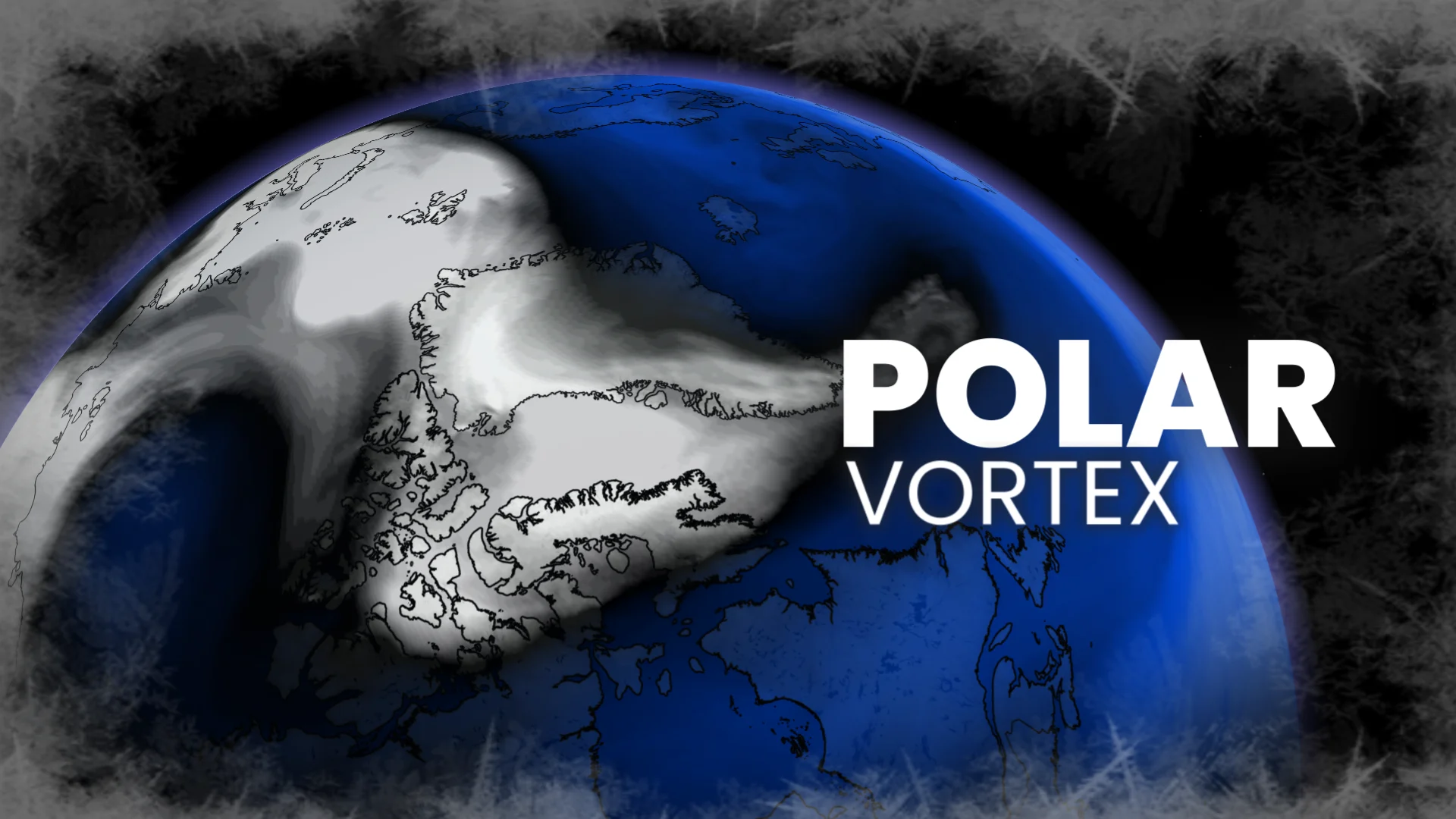
The polar vortex is a large circulation of strong winds and extremely cold air that develops around the Earth's polar regions during the colder months.
It is particularly important in the stratosphere, a layer of the atmosphere located above the troposphere, where most everyday weather takes place.
During winter, temperatures above the Arctic become extremely low. This helps create strong westerly winds that circulate around the North Pole, helping keep much of the cold air concentrated in the polar region.
However, the polar vortex does not always remain perfectly circular or equally strong.
Changes in atmospheric waves can weaken, stretch, or displace the circulation. In some situations, the winds can even reverse direction, creating an event known as sudden stratospheric warming.
Why Is the Polar Vortex Important?
The polar vortex matters because changes high above the Earth's surface can eventually influence atmospheric circulation closer to the ground.
When the vortex is strong and stable, cold Arctic air generally remains more contained near the pole.
When it weakens or becomes disturbed, the jet stream may become more wavy or shift towards lower latitudes.
This can increase the possibility of cold Arctic air moving into regions such as:
The United Kingdom and parts of Europe.
Canada and the northern United States.
Other areas across the Northern Hemisphere, depending on atmospheric conditions.
It is important to remember that a weakened polar vortex does not guarantee that every region will experience colder temperatures.
November 2026: An Unusually Early Polar Vortex Reversal
Sudden Stratospheric Warming
SSW occurs when temperatures in the stratosphere rise rapidly, weakening the polar vortex and sometimes reversing its powerful winds.
Key Effect
Can disrupt atmospheric circulation and influence winter weather.
Polar Vortex Reversal
When polar vortex winds weaken or reverse, the circulation can become distorted, potentially allowing cold Arctic air to move southwards.
Possible Effects
Cold spells, frost and snowfall in some regions.
What Is El Niño and Why Does It Matter This Winter?
El Niño is a natural climate pattern involving warmer-than-average sea surface temperatures across parts of the central and eastern equatorial Pacific Ocean.
During an El Niño event, changes in ocean temperatures affect wind patterns and atmospheric circulation. These changes can influence rainfall, temperature, and storm activity across different parts of the world.
According to the US National Oceanic and Atmospheric Administration (NOAA), El Niño continued strengthening in November 2026. Its November 12 update indicated a greater than 79% chance of strong-to-very-strong El Niño conditions continuing through January–March 2027.
How Can El Niño Influence Winter Weather?
El Niño can influence winter weather differently depending on geographical location.
For example:
North America: It can influence storm tracks and increase the likelihood of wetter conditions across parts of the southern United States.
Europe: It may influence Atlantic weather patterns, potentially contributing to wetter or stormier conditions in parts of western Europe.
Australia and Indonesia: Some regions may experience drier conditions because of changes in tropical rainfall patterns.
South America: Parts of the continent can experience increased rainfall, although impacts vary by location.
These are general climate tendencies, not guaranteed forecasts for individual countries or cities.
Is the Current El Niño Stronger Than Normal?
The current event is attracting attention because of its unusual strength.
NOAA's November 12, 2026, diagnostic discussion reported that sea surface temperature anomalies had exceeded 4°C in parts of the eastern equatorial Pacific. It also indicated approximately a 60% chance of a historic event meeting its specified strength threshold during the October–December and November–January periods.
Climate Prediction Center
This is why meteorologists are closely monitoring the event as winter approaches.
Polar Vortex vs El Niño: What Is the Difference?
Although both phenomena influence weather patterns, they develop in different parts of the climate system.
Feature | Polar Vortex | El Niño |
Location | Around the Arctic and Antarctic | Tropical Pacific Ocean |
Main feature | Large circulation of cold air and strong winds | Unusually warm Pacific Ocean temperatures |
Main influence | Can affect jet stream patterns and cold-air outbreaks | Influences global atmospheric circulation |
Seasonal importance | Particularly important during colder months | Can influence weather throughout the year |
Possible winter impact | Increased chance of cold spells in some regions | Changes in rainfall, temperature and storm patterns |
Understanding the difference is important because the two phenomena do not operate in exactly the same way.
Could the UK Experience a Colder or Snowier Winter in 2026–2027?
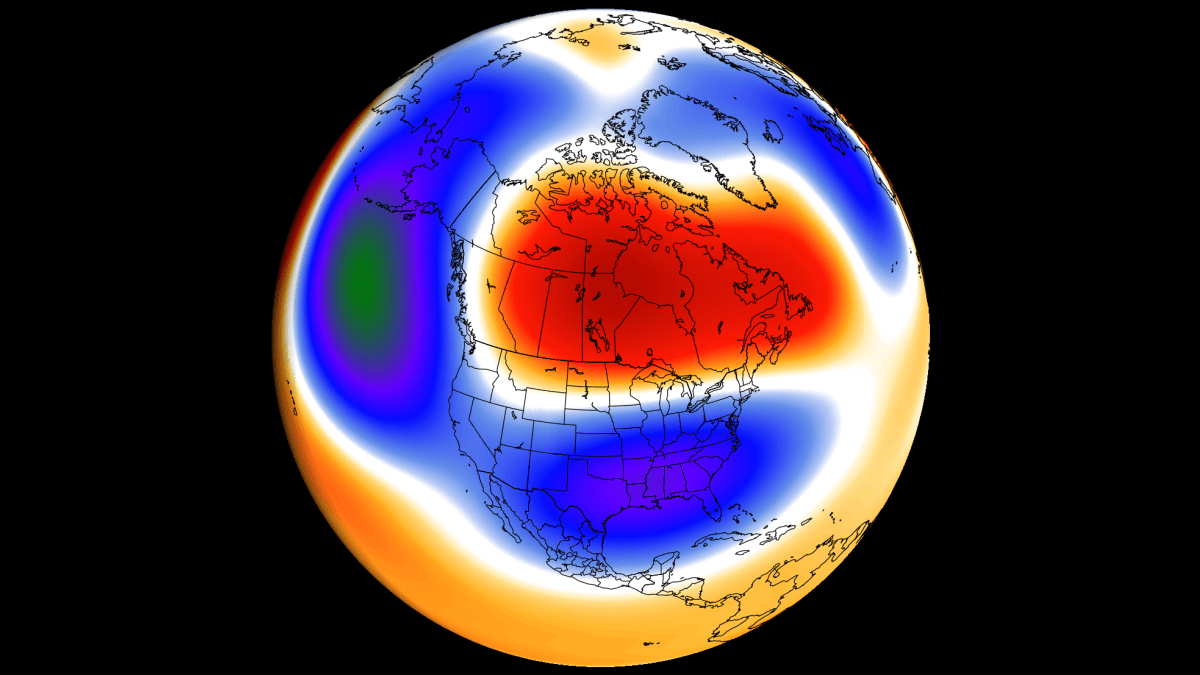
The UK is one of the regions attracting attention following the unusual polar vortex reversal.
Historically, major sudden stratospheric warming events have sometimes been followed by colder conditions across the UK and parts of Europe.
When the jet stream shifts southwards or becomes more wavy, colder air from the Arctic can move towards the British Isles.
This can create conditions favourable for frost, lower temperatures, and potentially snowfall.
However, the current event is developing unusually early, meaning there are fewer comparable historical examples to understand its possible effects.
Will the UK Experience Heavy Snowfall?
Snowfall is one of the biggest questions surrounding the developing winter weather pattern.
A disrupted polar vortex can increase the possibility of colder air reaching the UK, but cold air alone does not guarantee snow.
For significant snowfall, several conditions need to come together:
Temperatures must be sufficiently low.
Moisture must be available in the atmosphere.
Weather systems must bring precipitation.
Wind direction and local geographical conditions must support snowfall.
The BBC Weather report highlights that the early timing of this event makes its eventual impact difficult to predict. It also notes that the Met Office has identified tentative indications of a potentially more southerly storm track during December.
What About the Beast from the East?
Many people remember the UK's 2018 Beast from the East, when a major cold spell brought freezing temperatures and widespread disruption.
That event followed a sudden stratospheric warming event.
This historical example helps explain why meteorologists are watching the current polar vortex disturbance.
However, it would be misleading to assume that the winter of 2026–2027 will repeat the same conditions. Every atmospheric event develops differently.
How Could the Polar Vortex and El Niño Work Together?
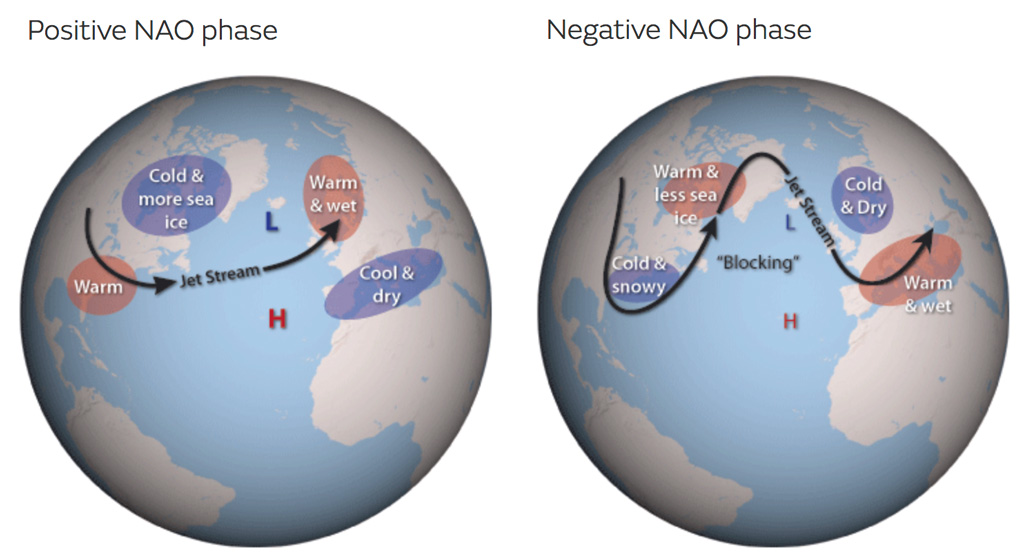
One of the most interesting aspects of the current weather situation is the possible interaction between these two major climate phenomena.
El Niño influences atmospheric circulation by changing tropical ocean temperatures and the movement of large-scale atmospheric waves.
These waves can travel towards higher latitudes and influence the polar vortex.
In certain circumstances, atmospheric waves can disturb the strong winds surrounding the Arctic, potentially contributing to sudden stratospheric warming.
This is one reason scientists are investigating whether the strong El Niño could be connected to the unusually early polar vortex disturbance.
However, the relationship is complex. El Niño is not the only factor responsible for polar vortex changes, and a direct cause-and-effect relationship has not been established for this particular event
What Different Regions Could Expect This Winter
The combined influence of El Niño and polar vortex changes may produce different weather outcomes across the Northern Hemisphere.
Here is a general overview of the possible regional effects.
Region | Possible winter weather developments |
United Kingdom | Potential colder spells, frost and changing storm tracks |
Western Europe | Variable temperatures and possible changes in rainfall |
United States | Regional temperature differences and shifting storm activity |
Canada | Possible Arctic air outbreaks in some areas |
Australia | Increased possibility of warmer or drier conditions in some regions |
South America | Changes in rainfall across different parts of the continent |
These are broad climate considerations, not confirmed local forecasts. Regional weather outlooks should be checked regularly as the season develops.
Will India Be Affected by the Polar Vortex and El Niño?
Winter Weather in India
India's winter conditions depend on western disturbances, Himalayan weather systems, regional pressure patterns and ocean-atmosphere interactions.
What to Expect
Cold waves, fog and Himalayan snowfall under suitable weather conditions.
Winter Weather Indicators
Scientists monitor atmospheric and ocean conditions to understand how winter weather patterns may develop.
5 Key Factors
Polar vortex strength, jet stream, El Niño, regional temperatures and precipitation.
How to Prepare for Changing Winter Weather
Even though long-range forecasts cannot predict every cold spell accurately, preparing for seasonal weather changes is always sensible.
Here are some practical steps:
Check weather updates: Follow reliable national meteorological services for changing forecasts.
Prepare warm clothing: Keep jackets, gloves, scarves, and suitable footwear ready.
Protect your home: Check insulation, heating systems, and windows before colder conditions arrive.
Plan winter travel carefully: Monitor road conditions and possible weather warnings before travelling.
Stay informed about storms: Pay attention to official alerts regarding heavy rainfall, snowfall, and strong winds.
Look after vulnerable people: Older adults, children, and people who spend significant time outdoors may need additional protection during cold spells.
This list highlights practical options for Polar Vortex, El Niño and Winter Weather: What to Expect Now, with a focus on speed, usefulness, and how easy each option is to apply.
Top picks
Best overall: Choose this when you want the simplest reliable workflow.
Best for speed: Choose this when the task is urgent and low-risk.
Best for control: Choose this when formatting, privacy, or accuracy matters most.
Selection criteria
Useful result without unnecessary setup.
Clear output that readers can check quickly.
Good fit with related AltFTool tools and guides.
Final recommendation
Pick the option that matches your task size and risk level. When in doubt, start with the simplest workflow and move up only if you need more control
FAQ'S
The polar vortex has experienced an unusually early disruption, with its high-altitude winds reversing direction in an event associated with major sudden stratospheric warming.
A weakened polar vortex can increase the possibility of Arctic air moving southwards, potentially creating colder conditions. However, extreme cold is not guaranteed.
El Niño can influence large-scale atmospheric waves that may affect the polar vortex. However, their relationship is complex, and El Niño does not automatically cause polar vortex disruption.
Snow is possible if cold temperatures, moisture, and suitable weather systems occur together. The current polar vortex disturbance alone cannot confirm a snowy winter.
NOAA's November 12, 2026, outlook indicated a greater than 79% chance of strong-to-very-strong El Niño conditions continuing through January–March 2027.
Sources and review notes
References used to check facts, freshness, and reader-safe recommendations in this guide.
This article is based on recent weather reporting, scientific explanations, and official climate monitoring information. 1. BBC Weather – Earliest Polar Vortex Reversal on Record Confirmed 2. NOAA – ENSO Diagnostic Discussion, November 12, 2026 3. National Centre for Atmospheric Science – Polar Vortex and UK Winter Weather 4. NOAA Climate Prediction Center – Seasonal Outlook
- 1AltFTool (opens in a new tab)
altftool.com
Discussion
0 comments
No comments yet
Discussion will appear here once it loads.