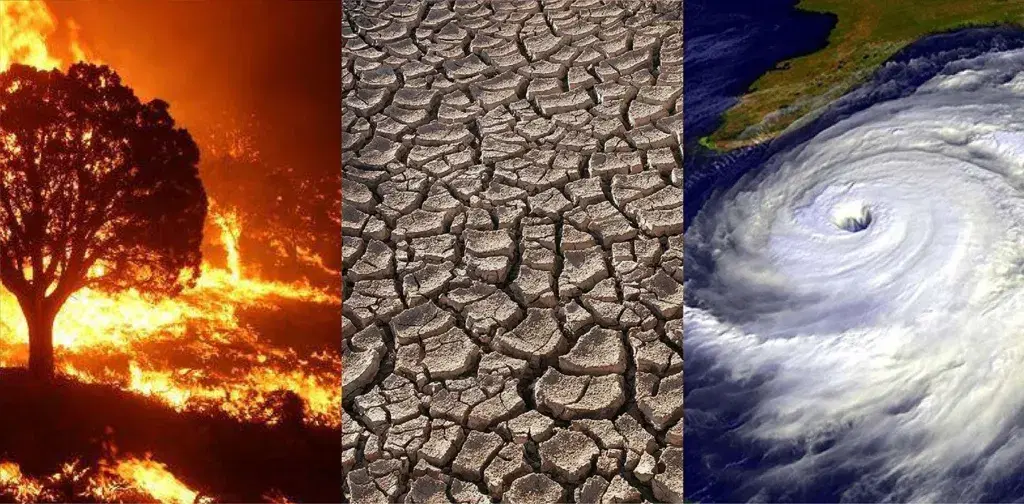
Climate change is no longer a distant environmental concern. It is affecting how people live, work, grow food, access clean water, and prepare for natural disasters. From longer heatwaves and changing rainfall patterns to rising sea levels and melting glaciers, the effects of a warming planet are becoming increasingly visible around the world.
In 2026, climate change remains one of the biggest challenges facing governments, businesses, communities, and individuals. Scientists continue to report unusually high global temperatures, record ocean heat, and growing pressure on ecosystems. At the same time, renewable energy, electric vehicles, and other cleaner technologies are creating opportunities to reduce greenhouse gas emissions.
However, progress is not happening quickly enough to meet international climate goals.
The latest reports from the World Meteorological Organization (WMO), United Nations Environment Programme (UNEP), and other scientific organisations highlight an important message: the world has made progress, but much more action is needed.
In this article, we explore the major climate developments of 2026, the challenges facing different regions, the role of renewable energy, and what countries and communities can do to build a more sustainable future.
What Is Happening With Climate Change in 2026?
The global climate continues to experience significant changes as greenhouse gas emissions accumulate in the atmosphere.
According to the WMO's November 2026 climate update, the average global temperature from January to September was approximately 1.47°C above the 1850–1900 pre-industrial average. The organisation also reported that 2023–2026 are on track to be the four warmest years in the historical record.
World Meteorological Organization+1
These figures highlight how quickly the planet is warming.
Carbon dioxide, methane, and nitrous oxide are among the main greenhouse gases contributing to this problem. They trap heat in the atmosphere, changing weather patterns and increasing pressure on natural systems.
The effects are not limited to one country or continent. Different regions experience climate change in different ways, including:
More frequent and intense heatwaves.
Longer periods of drought in vulnerable areas.
Heavy rainfall and flooding.
Rising sea levels and coastal erosion.
Melting glaciers and shrinking polar ice.
Changes in agricultural seasons and food production.
Greater pressure on wildlife and marine ecosystems.
Climate change does not mean that every location experiences the same conditions. Some areas may face extreme heat, while others experience unusually heavy rainfall or colder weather at particular times. The wider concern is that the global climate system is becoming increasingly unstable.
1. Global Temperatures Continue to Rise
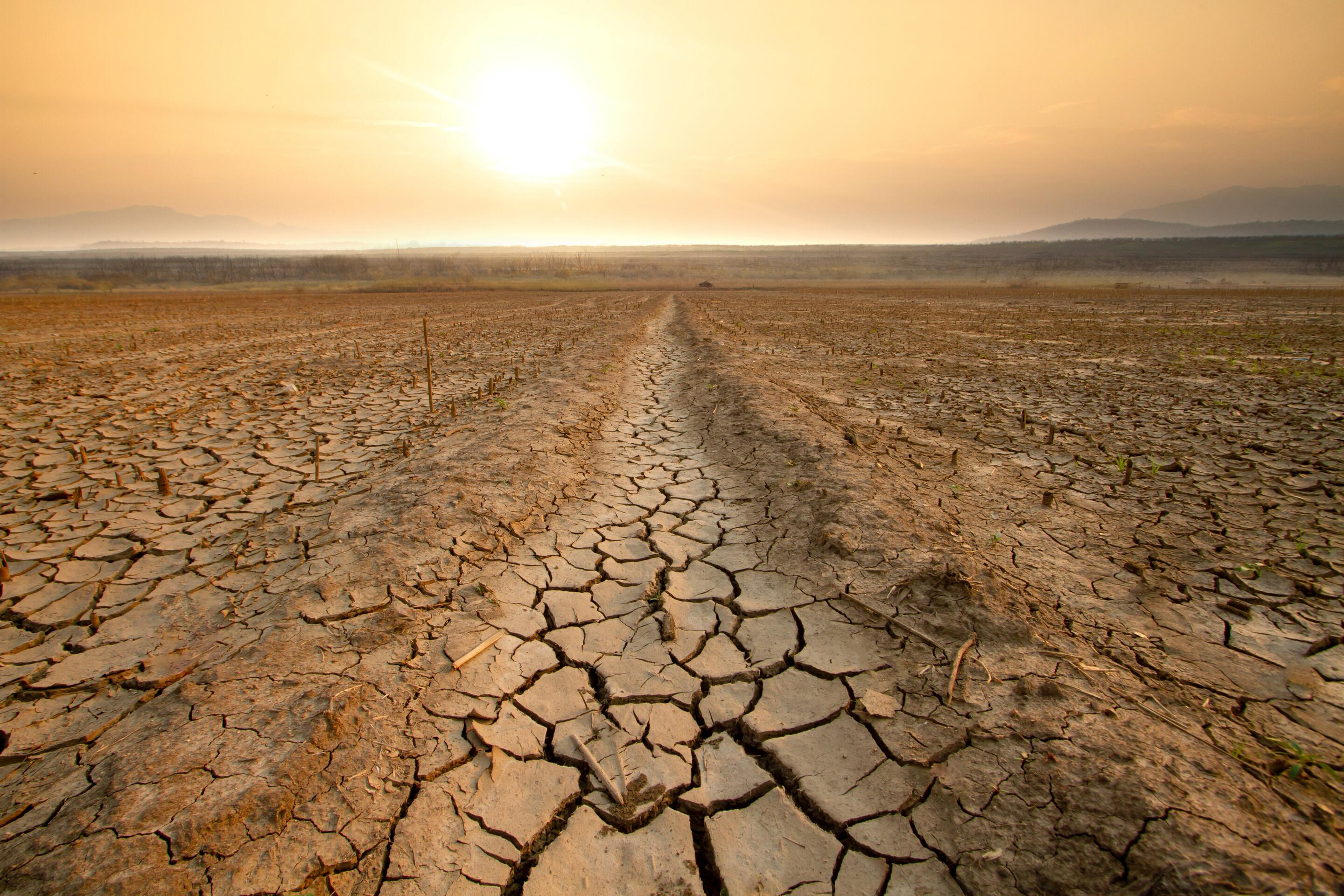
Rising temperatures remain one of the clearest signs of climate change.
The WMO's preliminary 2026 assessment places the January–September global temperature approximately 1.47°C above the pre-industrial average. The organisation also expects El Niño conditions to contribute to additional warming into early 2027.
World Meteorological Organization+1
Even small increases in global average temperature can have significant consequences.
For example, higher temperatures can increase evaporation, dry out soil, intensify heat stress, and create more difficult conditions for farming and outdoor work.
Cities may experience especially uncomfortable conditions because buildings, roads, and other surfaces absorb and retain heat. This can make urban areas considerably warmer than surrounding rural locations.
Why Are Rising Temperatures a Concern?
Higher temperatures can affect several aspects of everyday life:
Human health: Extreme heat can increase the risk of dehydration, heat exhaustion, and heatstroke.
Agriculture: Crops may struggle when temperatures remain above their preferred growing range.
Energy: More people rely on air conditioning, increasing electricity demand.
Water supplies: Higher evaporation can put additional pressure on rivers, reservoirs, and groundwater.
Wildlife: Some species may struggle to adapt or move to suitable habitats.
Reducing greenhouse gas emissions is essential to limiting further warming and reducing the severity of future impacts.
2. Extreme Weather Events Are Creating Greater Risks
Extreme weather has become one of the most visible challenges associated with a changing climate.
Heatwaves, floods, droughts, wildfires, and powerful storms can damage homes, interrupt transport, affect businesses, and put lives at risk.
Climate change does not directly explain every individual weather event. Natural climate patterns also play a role. However, rising temperatures can increase the likelihood or intensity of certain types of extreme weather.
For instance, warmer air can hold more moisture, which can contribute to heavier rainfall under suitable weather conditions. Higher temperatures can also dry vegetation and increase wildfire risk in some regions.
Major Weather-Related Challenges
Heatwaves: Extended periods of extreme heat can affect public health, electricity networks, and outdoor workers.
Flooding: Heavy rainfall and overflowing rivers can damage homes, roads, farms, and essential infrastructure.
Drought: Long periods with insufficient rainfall can reduce water availability and harm agricultural production.
Wildfires: Hot and dry conditions can create an environment where fires spread more easily.
Tropical storms: Warmer ocean conditions can contribute to more intense rainfall and increase the potential impact of tropical cyclones.
These events demonstrate why weather forecasting, early-warning systems, emergency planning, and resilient infrastructure are becoming increasingly important.
3. Rising Sea Levels Threaten Coastal Communities
Sea-level rise is another major climate challenge in 2026.
The WMO reports that global mean sea level reached a record high in 2026 in the satellite observation record, which began in 1993. Rising sea levels are linked to the expansion of warming ocean water and the melting of glaciers and ice sheets.
World Meteorological Organization+1
For coastal communities, this creates several long-term risks.
Low-lying neighbourhoods may experience more frequent flooding, particularly during high tides and storms. Saltwater can also enter freshwater sources and agricultural land, making it harder for communities to access clean water and grow crops.
Communities Most at Risk
Coastal regions in South Asia, Southeast Asia, the Pacific Islands, and parts of Africa face significant exposure to rising seas.
Some communities may need stronger coastal protection, improved drainage systems, and better emergency planning. In areas where the risks become too severe, relocation may eventually become necessary.
Protecting coastlines is not only an environmental issue. It also involves housing, livelihoods, public infrastructure, and economic security.
4. Melting Glaciers and Declining Polar Ice
Glaciers and polar ice play an important role in regulating the Earth's climate system.
They reflect sunlight, store freshwater, and support ecosystems that depend on cold environments. However, rising temperatures are causing glaciers to lose mass and polar sea ice to decline.
According to the WMO's 2026 climate update, glaciers lost more than 400 gigatons of ice during 2025. The organisation also reported that 2026 saw very low seasonal sea-ice levels in both the Arctic and Antarctic.
World Meteorological Organization+1
Why Does Glacier Loss Matter?
Glacier melting creates several problems:
It contributes to rising sea levels.
It changes freshwater availability in mountain regions.
It can increase the risk of glacier-related floods and landslides.
It affects ecosystems that depend on stable cold conditions.
It can create difficulties for communities that rely on seasonal glacier meltwater.
Mountain glaciers are particularly important for communities that depend on rivers for drinking water, agriculture, and electricity generation.
As these glaciers continue to shrink, managing water resources will become increasingly important.
5. Ocean Warming and Marine Ecosystem Damage
Oceans absorb most of the excess heat trapped by greenhouse gases, making them an important part of the Earth's climate system.
However, this also means marine environments are experiencing significant warming.
The WMO reported that ocean heat content reached a record level in 2025, with preliminary observations indicating that it continued rising during 2026. Warmer oceans can contribute to sea-level rise, influence storm intensity, and place additional stress on marine ecosystems.
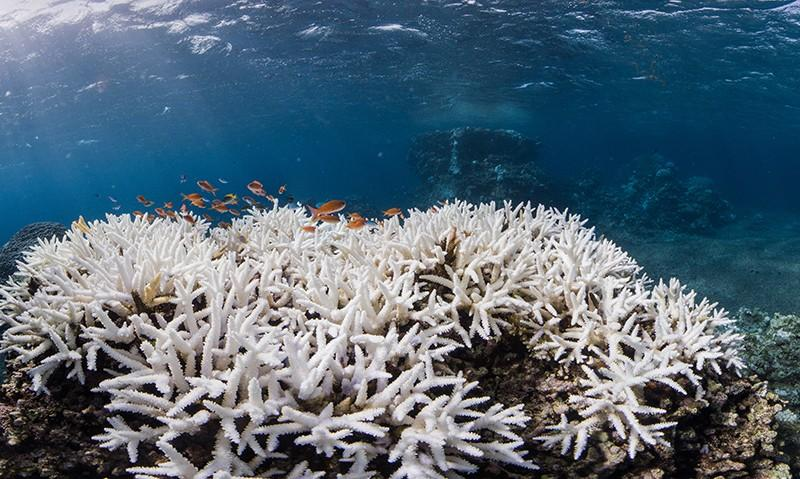
One major concern is coral bleaching.
When ocean temperatures remain unusually high, corals can become stressed and expel the algae that provide much of their colour and energy. If stressful conditions continue, corals may die.
Effects on Marine Life
Ocean warming can affect:
Coral reefs and underwater biodiversity.
Fish populations and fishing communities.
Marine food chains.
Coastal tourism and local businesses.
The ocean's ability to absorb carbon dioxide.
Protecting marine ecosystems requires reducing emissions, improving water quality, managing fishing activities responsibly, and protecting vulnerable habitats.
6. El Niño Is Adding to Climate Risks in 2026
El Niño is a natural climate pattern involving warmer-than-average sea surface temperatures in the central and eastern tropical Pacific Ocean.
It can influence rainfall, temperatures, and weather patterns across many parts of the world.
The WMO reported that El Niño strengthened during 2026 and could continue influencing global weather into early 2027. It is expected to increase the risk of extreme heat, drought, and heavy rainfall in different regions.
World Meteorological Organization+1
How Can El Niño Affect Different Regions?
South Asia: It can influence monsoon patterns and create additional challenges for water management and agriculture.
Africa: Some regions may face increased drought risks, while others could experience heavier rainfall.
South America: Changes in rainfall can affect farming, rivers, and ecosystems.
Australia: Certain areas may experience increased heat and drought risk.
Global oceans: El Niño can temporarily increase global average temperatures.
It is important to remember that El Niño is not the same as climate change. It is a natural climate phenomenon, but its effects occur within a warming global climate system.
7. Greenhouse Gas Emissions Remain a Major Challenge
Greenhouse gas emissions are one of the main drivers of long-term global warming.
Carbon dioxide is released through activities such as burning coal, oil, and natural gas. Deforestation, industrial processes, agriculture, and waste management also contribute to emissions.
The challenge is that global emissions remain too high to meet international temperature goals.
UNEP's 2026 Emissions Gap Report warns that current national climate commitments are insufficient to keep global warming within the 1.5°C target. Even if existing commitments are fully implemented, the world remains on a pathway towards approximately 2.6°C of warming this century.
What Needs to Change?
Governments and businesses need to accelerate efforts in several areas:
Reduce dependence on coal, oil, and gas.
Expand renewable energy production.
Improve energy efficiency in buildings and industries.
Protect forests and restore damaged ecosystems.
Reduce methane emissions.
Improve public transport and cleaner mobility.
Invest in technologies that reduce industrial emissions.
Reducing emissions is not only about introducing new technology. It also requires long-term planning, responsible investment, and cooperation between countries.
8. Renewable Energy Is Creating New Opportunities
While climate challenges are serious, the growth of renewable energy offers reasons for optimism.
Solar, wind, hydropower, and other low-carbon energy sources are becoming increasingly important in the global energy transition.
The United Nations has highlighted the rapid growth of solar power, battery storage, and electric vehicles as signs that cleaner technologies are becoming more accessible. In 2025, the world added more than 600 gigawatts of solar capacity, according to the UN's COP31 briefing.
United Nations
Major Benefits of Renewable Energy
Solar power: Solar panels generate electricity from sunlight and can be installed on rooftops, commercial buildings, and large solar farms.
Wind energy: Wind turbines convert moving air into electricity without burning fossil fuels during operation.
Hydropower: Hydropower uses moving water to generate electricity, although projects need careful environmental and social planning.
Battery storage: Batteries help store electricity generated from renewable sources so it can be used when sunlight or wind is unavailable.
Electric vehicles: Electric cars and other vehicles can reduce direct transport emissions, especially when charged using cleaner electricity.
The transition will require investment in electricity grids, storage systems, charging infrastructure, and workforce training.
9. Climate Change Is Increasing Pressure on Food and Water Security
Food and water are among the resources most directly affected by changing climate conditions.
Farmers depend on predictable rainfall, suitable temperatures, healthy soil, and reliable water supplies. When these conditions change, crop production can become less reliable.
Drought can reduce harvests, while excessive rainfall and flooding can destroy crops and damage farmland.
Climate change can also affect livestock through heat stress, reduced grazing land, and changing water availability.
Major Food Security Challenges
Lower crop yields in heat-sensitive regions.
Increased pressure on irrigation systems.
Changes in planting and harvesting seasons.
Higher risk of crop diseases and pests in some areas.
Greater uncertainty for farmers and food suppliers.
Rising food prices when production and distribution are disrupted.
Water security is closely connected to this problem. The WMO has reported long-term declines in freshwater stored on land, including water in rivers, soil, groundwater, and other reserves.
World Meteorological Organization
Improving irrigation efficiency, protecting watersheds, developing climate-resilient crops, and reducing food waste can help communities prepare for these challenges.
10. COP31 and the Global Climate Action Agenda
International cooperation is essential because greenhouse gas emissions and climate impacts do not stop at national borders.
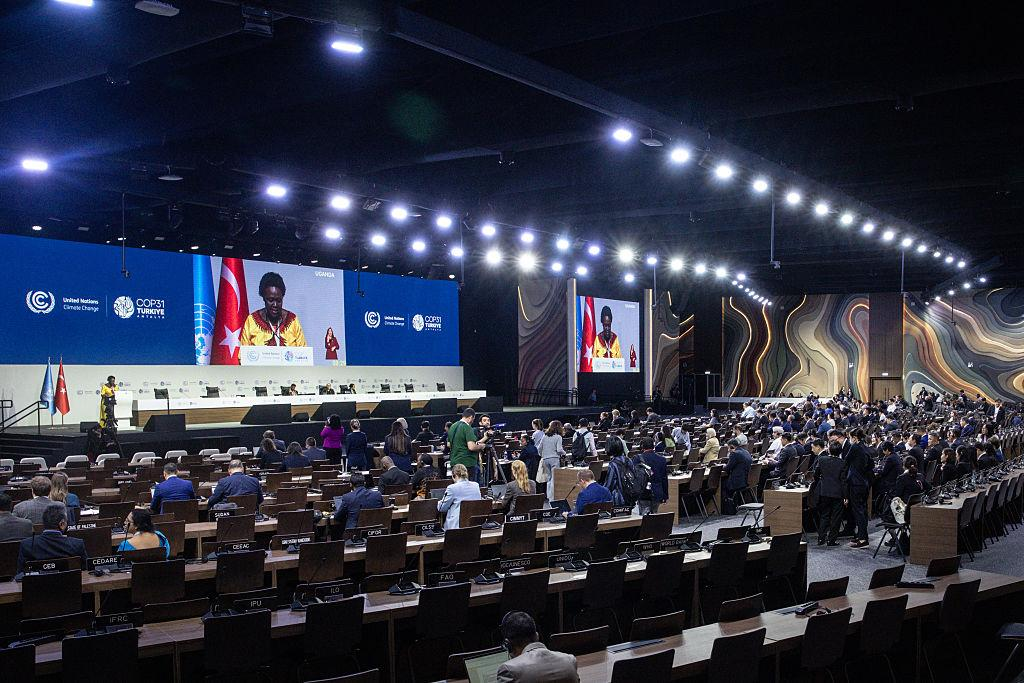
The 2026 United Nations Climate Change Conference, known as COP31, is being held in Antalya, Türkiye, from November 9 to November 20, 2026.
The conference brings countries together to discuss emissions reduction, climate finance, adaptation, clean energy, and support for vulnerable communities.
According to the United Nations, major topics include:
Climate finance: Helping developing countries access funding for climate projects and resilience.
Adaptation: Improving the ability of communities to prepare for floods, droughts, and extreme heat.
Emissions reduction: Turning national climate commitments into practical action.
Just transition: Supporting workers and communities affected by the move towards cleaner energy.
International cooperation: Encouraging countries to share technology, resources, and expertise.
The UN has also highlighted that access to clean energy investment remains unequal. Many developing economies face higher financing costs despite having significant renewable energy potential.
United Nations+1
The key challenge is making sure climate solutions reach the communities that need them most.
Major Challenges in Tackling Climate Change in 2026
Although awareness and climate technology have improved, several obstacles continue to slow global progress.
1. Dependence on Fossil Fuels
Many countries still depend heavily on coal, oil, and natural gas for electricity, transport, manufacturing, and heating.
Moving away from these energy sources requires investment, infrastructure changes, and long-term policy support.
2. Lack of Climate Finance
Developing countries often face greater difficulty accessing affordable funding for renewable energy, flood protection, clean transport, and other climate projects.
Without adequate financial support, vulnerable communities may struggle to prepare for climate impacts.
3. Unequal Climate Impacts
The countries and communities that contribute least to historical greenhouse gas emissions are often among those most exposed to climate risks.
Low-income households may have fewer resources to install cooling systems, improve housing, recover from disasters, or relocate from high-risk areas.
4. Deforestation and Biodiversity Loss
Forests absorb carbon dioxide and provide habitats for countless species. When forests are cleared or degraded, stored carbon can be released, and ecosystems lose their ability to support wildlife.
Protecting forests and restoring damaged landscapes are important parts of climate action.
5. Slow Implementation of Climate Policies
Many governments have announced climate targets, but translating those promises into measurable results remains difficult.
Stronger policies, consistent funding, transparent reporting, and public participation are necessary to speed up implementation.
What Can Individuals Do to Help Reduce Climate Change?
Climate action is not limited to governments and large businesses. Individual choices can also support broader environmental efforts.
Although personal actions cannot replace large-scale emissions reductions, everyday habits can contribute to a more sustainable lifestyle.
Here are some practical steps:
Save electricity: Switch off unused lights and appliances and choose energy-efficient products.
Use public transport: Walking, cycling, carpooling, and public transport can help reduce transport emissions.
Reduce waste: Reuse products, recycle correctly, and avoid unnecessary packaging.
Choose sustainable food habits: Reduce food waste and include more plant-based meals where practical.
Conserve water: Repair leaks, use water-efficient fixtures, and avoid unnecessary consumption.
Plant and protect trees: Support local tree-planting and ecosystem restoration projects.
Make informed purchases: Choose durable products and avoid buying items that are unlikely to be used.
Small changes become more meaningful when adopted by communities, businesses, and institutions on a larger scale.
What Does the Future of Climate Change Look Like?
The future of the climate depends heavily on decisions made during the coming years.
The UNEP 2026 Emissions Gap Report explains that limiting warming to the lowest possible overshoot pathway would require substantial global emissions reductions by 2030, 2035, and 2040 compared with 2025 levels.
UNEP - UN Environment Programme
This means the next decade is particularly important.
There are reasons for concern, but there are also opportunities. Renewable energy is expanding, battery technology is improving, electric vehicles are becoming more common, and climate science is helping communities understand risks more clearly.
The challenge is to turn these developments into faster, fairer, and more widespread action.
Future climate outcomes will depend on how quickly countries reduce emissions, protect natural ecosystems, improve infrastructure, and support communities facing the greatest risks.
Final Thoughts
Climate change in 2026 highlights both the seriousness of the environmental challenges facing the world and the opportunities available to address them.
Rising temperatures, extreme weather, melting glaciers, ocean warming, and pressure on food and water supplies show why climate action cannot be delayed. At the same time, renewable energy, better technology, international cooperation, and stronger environmental policies provide practical ways forward.
There is no single solution that can address every climate challenge. Progress requires governments to strengthen their commitments, businesses to adopt cleaner practices, and communities to become more resilient.
For individuals, understanding climate change is a useful starting point. Making informed choices, conserving resources, and supporting responsible environmental initiatives can contribute to wider efforts.
The future of the planet is not determined by one climate report or one international conference. It will be shaped by the decisions and actions taken consistently over the years ahead.
Major issues include rising global temperatures, extreme weather, melting glaciers, ocean warming, and biodiversity loss.
Human activities, particularly burning fossil fuels, deforestation, and industrial emissions, are the main drivers of climate change.
Climate change affects crop production through heatwaves, droughts, changing rainfall patterns, and water shortages.
Renewable energy sources such as solar and wind power reduce dependence on fossil fuels and help lower greenhouse gas emissions.
People can save energy, use public transport, reduce waste, conserve water, and support sustainable practices.
Sources and notes
Links the author listed for this post.
This article is based on information and research from trusted sources, including the World Meteorological Organization (WMO), United Nations Environment Programme (UNEP), United Nations Climate Change (UNFCCC), and European Space Agency (ESA).


Discussion
0 comments
No comments yet
Discussion will appear here once it loads.