
Renewable energy is becoming one of the most important parts of the global energy industry in 2026. Countries around the world are investing in cleaner electricity, advanced energy storage, solar power, wind farms, and new technologies to reduce their dependence on traditional fossil fuels. Rising electricity demand, climate concerns, energy security, and technological developments are encouraging governments and businesses to explore more sustainable energy solutions.
The renewable energy industry is also changing rapidly. Solar panels are becoming more accessible, wind energy projects are expanding, battery storage systems are improving, and smart electricity grids are helping manage power more efficiently. These developments are creating new opportunities for businesses, investors, manufacturers, and consumers.
In 2026, renewable energy is no longer simply an alternative source of electricity. It is becoming an important part of economic development, industrial growth, and long-term energy planning.
According to the International Energy Agency's 2026 renewable energy outlook, global renewable electricity capacity is expected to increase by almost 4,800 gigawatts between 2026 and 2031. Solar photovoltaic technology is expected to contribute more than three-quarters of this expansion.
Explore AltFTool for free online tools, digital resources, productivity solutions and useful technology guides to simplify everyday tasks.
From solar and wind power to green hydrogen and battery storage, several developments are shaping the future of clean energy. Understanding these trends helps explain how the global energy system is changing and what consumers and businesses can expect in the coming years.
Solar Energy Continues to Lead Renewable Energy Growth
Solar energy remains one of the biggest drivers of renewable energy expansion in 2026. Improvements in solar panel technology, increasing manufacturing capacity, and growing demand for clean electricity are helping solar power become more accessible across different regions.
Solar photovoltaic (PV) systems convert sunlight directly into electricity. They can be installed on residential rooftops, commercial buildings, industrial facilities, and large solar farms.
One major advantage of solar energy is its flexibility. Small installations can support individual households, while large-scale projects can supply electricity to thousands of homes and businesses.
Several developments are influencing the solar energy market:
More efficient solar panels: Manufacturers are developing technologies that can generate more electricity from available sunlight.
Residential solar adoption: Homeowners are increasingly considering rooftop solar systems to manage electricity expenses.
Large solar farms: Utility-scale projects are expanding to supply renewable electricity to power networks.
Solar and battery combinations: Energy storage systems allow users to store excess electricity for later use.
Improved manufacturing: Production advancements are helping expand the availability of solar equipment.
Another important development is the increasing use of solar energy in emerging economies. Countries with strong sunlight availability are exploring solar projects to improve electricity access and reduce dependence on imported fuels.
Wind Energy Expands Through Onshore and Offshore Projects
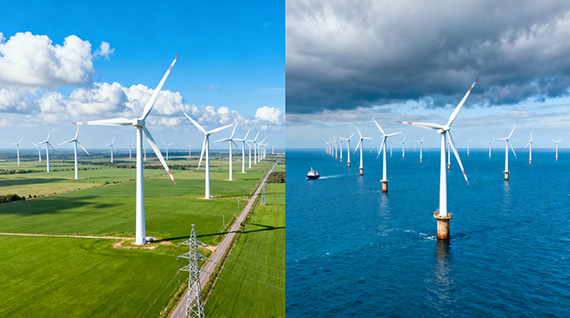
Wind energy is another major part of the renewable energy transition. Wind turbines convert the movement of air into electricity, providing a clean energy source without requiring fuel combustion during operation.
In 2026, wind energy development is continuing through both onshore and offshore projects.
Onshore wind farms are installed on land, often in locations with strong and consistent wind conditions. Offshore wind farms are developed in coastal waters, where wind resources can be stronger and more consistent.
Both technologies contribute to electricity generation, although their construction costs, infrastructure requirements, and environmental considerations can differ.
Important wind energy developments include:
Larger and more efficient wind turbines.
Improved turbine blade designs.
Better forecasting of wind conditions.
Expansion of offshore wind infrastructure.
Advanced maintenance and monitoring systems.
Improved connections between wind farms and electricity grids.
Offshore wind energy is attracting particular interest because coastal locations can offer strong wind resources. However, offshore projects require substantial investment, specialised equipment, and careful environmental planning.
The future growth of wind energy will depend on project financing, permitting, transmission infrastructure, and the availability of reliable manufacturing supply chains.
Battery Storage Becomes Essential for Renewable Energy
Energy storage is becoming one of the most important renewable energy trends in 2026. Solar and wind power depend on natural conditions, meaning electricity generation can change throughout the day.
Solar panels generally generate the most electricity during daylight hours, while wind turbines produce electricity depending on wind availability. These changing generation patterns create a need for flexible electricity storage.
Battery energy storage systems help solve this challenge by storing excess electricity and releasing it when demand increases or renewable generation decreases.
Lithium-ion batteries are widely used in energy storage applications because of their performance and established manufacturing ecosystem. Other battery technologies are also being developed to improve cost, safety, lifespan, and material availability.
Common applications include:
Storing excess electricity from solar farms.
Supporting wind power projects.
Providing backup electricity to homes and businesses.
Helping stabilise electricity grids.
Reducing pressure during periods of peak electricity demand.
Supporting electric vehicle charging infrastructure.
Battery storage is also becoming important for hybrid renewable energy projects that combine solar panels, wind turbines, and storage systems.
Storage Technology | Main Application | Key Advantage | Major Consideration |
|---|---|---|---|
Lithium-ion batteries | Home and grid storage | Established technology | Material and manufacturing costs |
Sodium-ion batteries | Stationary energy storage | Potentially lower-cost materials | Commercial development |
Flow batteries | Long-duration storage | Flexible storage capacity | System complexity |
Solid-state batteries | Advanced energy applications | Potential safety and energy-density benefits | Manufacturing challenges |
As battery technology improves, renewable energy systems could become more reliable and flexible, making clean electricity easier to integrate into existing power networks.
Green Hydrogen Gains Attention Across Industries
Green hydrogen is attracting growing interest as a potential solution for industries that are difficult to electrify directly.
Hydrogen can be produced through different processes. Green hydrogen is generally produced by using renewable electricity to separate water into hydrogen and oxygen through electrolysis.
Unlike conventional hydrogen production that relies on fossil fuels, renewable-powered electrolysis can significantly reduce production-related emissions when the electricity supply is genuinely low-carbon.
Green hydrogen could support several industrial applications:
Steel manufacturing.
Chemical production.
Fertiliser manufacturing.
Certain transportation applications.
Industrial heating.
Long-duration energy storage.
One potential application is green steel production. Traditional steel manufacturing often relies on coal-based processes, while hydrogen-based methods could provide an alternative with lower emissions.
However, green hydrogen still faces important challenges. Electrolysers, renewable electricity, transportation infrastructure, and storage facilities require substantial investment.
Its future growth will depend on production costs, government support, industrial demand, and the development of reliable supply networks.
Smart Grids Transform Electricity Distribution
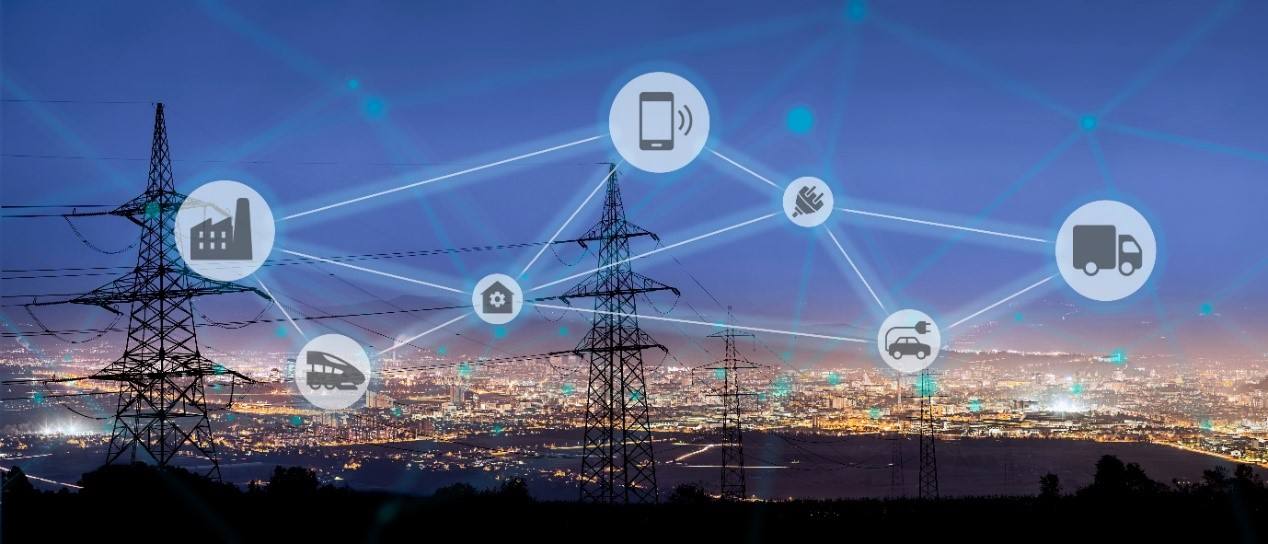
The increasing use of renewable energy is changing how electricity is generated and distributed. Traditional electricity networks were largely designed around centralised power stations that supplied electricity to consumers.
Modern renewable energy systems are more diverse. Electricity can come from rooftop solar panels, large wind farms, battery storage facilities, and other distributed sources.
Smart grids use digital technology, sensors, communication systems, and automated controls to improve electricity management.
These systems help electricity providers monitor energy flows, identify problems, and balance supply with changing demand.
Some important smart grid developments include:
Real-time electricity monitoring.
Automated fault detection.
Smart meters for consumers.
Improved renewable energy integration.
Demand-response management.
Better coordination with battery storage.
Smart electricity networks can also help reduce energy losses and improve the reliability of power distribution.
As electric vehicles, data centres, and industrial facilities increase electricity demand, modern grid infrastructure will become increasingly important.
Artificial Intelligence Improves Renewable Energy Management
Artificial intelligence is creating new opportunities across the renewable energy industry. Energy companies are using digital systems and data analysis to improve forecasting, maintenance, electricity distribution, and operational efficiency.
Renewable energy production depends on environmental conditions. For example, cloud cover can influence solar electricity generation, while changing wind speeds affect turbine output.
AI-powered forecasting systems can analyse weather information, historical performance, and real-time operating data to estimate future electricity generation.
Potential applications include:
Predicting solar and wind power output.
Identifying equipment maintenance requirements.
Monitoring solar panel performance.
Improving electricity demand forecasting.
Optimising battery charging and discharging.
Detecting operational problems earlier.
AI can also support predictive maintenance. Instead of waiting for equipment to fail, monitoring systems can identify unusual operating conditions and help maintenance teams address problems earlier.
These applications could reduce downtime, improve equipment performance, and make renewable energy projects more efficient.
However, AI systems also require computing infrastructure and electricity. Their overall environmental impact depends on how efficiently that infrastructure is operated and powered.
FAQ's
The biggest renewable energy trends in 2026 include solar power expansion, offshore wind development, battery storage, green hydrogen, smart grids, artificial intelligence, and electric vehicle integration.
Solar energy is becoming more popular because of improving panel efficiency, expanding manufacturing capacity, increasing electricity demand, and growing interest in reducing dependence on fossil fuels.
Battery storage systems store excess electricity generated by solar panels and wind turbines. This stored electricity can be used when renewable energy production decreases or electricity demand increases.
Green hydrogen is produced by using renewable electricity to separate water into hydrogen and oxygen through electrolysis. It could help reduce emissions in industries such as steel manufacturing, chemicals, and fertiliser production.
India is expanding solar and wind energy projects, encouraging domestic manufacturing, developing battery storage infrastructure, and investing in green hydrogen initiatives to support its clean energy transition.
Sources and notes
Links the author listed for this post.
This article is based on publicly available information, renewable energy industry reports, and global clean energy developments. It covers 2026 trends in solar power, wind energy, battery storage, green hydrogen, and sustainable technologies. Information is intended for general educational purposes.
More on AltFTool
- AltFTool (opens in a new tab)
altftool.com

Discussion
0 comments
No comments yet
Discussion will appear here once it loads.