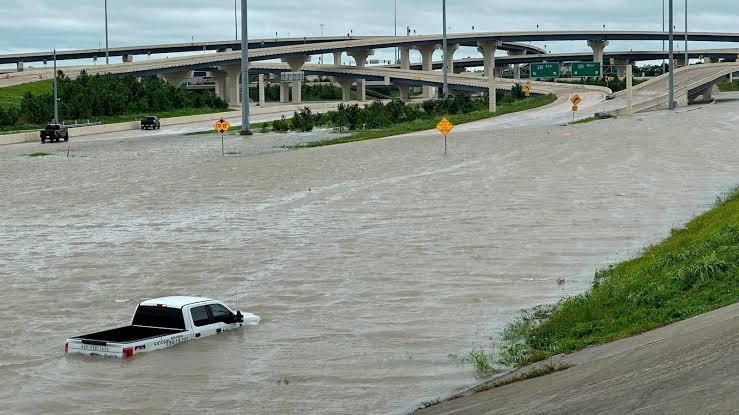
Flooding has become one of the most serious weather-related challenges facing communities across the United States. From heavy rainfall in South Florida to sudden urban flooding in San Francisco, extreme weather events are creating significant pressure on cities, transportation systems, homes, and public infrastructure.
In November 2026, flooding across different parts of the country has once again highlighted how quickly heavy rainfall can disrupt everyday life. South Florida experienced significant flooding after persistent rainfall, while San Francisco faced widespread street flooding following an intense storm system that brought record-breaking rainfall to parts of the Bay Area.
These incidents demonstrate that flooding is not limited to coastal communities or areas located near rivers. Even major cities with developed infrastructure can experience dangerous water accumulation when rainfall exceeds drainage capacity.
Climate change, changing weather patterns, urban development, ageing drainage networks, and rising sea levels are among the factors influencing flood risks across the country. As extreme weather events continue to challenge local authorities, understanding the causes and consequences of US flooding has become increasingly important.
You can also explore free online tools on AltFTool to discover useful digital utilities for weather research, everyday productivity, content creation, and other online tasks.
1. Recent Flooding Events Highlight Growing US Weather Risks
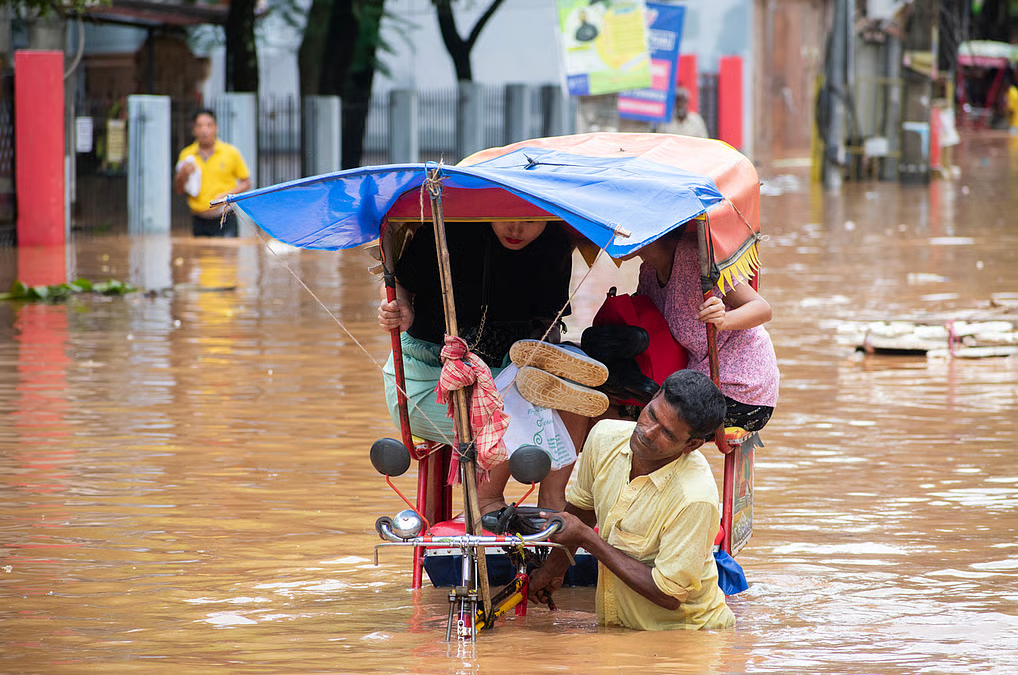
Recent flooding incidents across South Florida and Northern California have brought attention to the vulnerability of American cities during extreme rainfall events.
In South Florida, a slow-moving weather system brought exceptionally heavy rainfall in November 2026. Parts of Broward County reportedly received up to 15.3 inches of rain within 24 hours. Flooding affected roads, residential properties, public facilities, and transportation networks. Broward County, Fort Lauderdale, and Hollywood declared emergencies as the situation developed.
San Francisco also experienced widespread flooding on November 18, 2026. Heavy rainfall overwhelmed storm drains, flooded streets, disrupted public transportation, and affected travel across the Bay Area.
The city's downtown rainfall gauge recorded 2.31 inches on November 18, breaking a daily record that had stood since 1918. Several neighbourhoods experienced significant street flooding, while transportation and emergency services faced disruptions.
Recent US Flooding Developments
Location | Date | Major Weather Event | Reported Impact |
|---|---|---|---|
South Florida | November 2026 | Prolonged heavy rainfall | Flooded roads and damaged properties |
Broward County | November 2026 | Extreme rainfall | Emergency declarations and infrastructure disruption |
San Francisco | November 18, 2026 | Intense storm and heavy rainfall | Record rainfall and widespread street flooding |
Bay Area | November 18–20, 2026 | Strong storm system | Transportation disruption and power outages |
These events highlight the importance of effective drainage systems, accurate weather forecasting, and emergency preparedness.
2. Why Is Flooding Becoming a Major Concern in the US?
Flooding can occur for several reasons, and different regions of the United States face different environmental challenges. Some areas experience intense rainfall and flash floods, while others face river flooding, coastal inundation, and storm surges.
Climate change is an important factor influencing these risks. Warmer air can hold more moisture, potentially increasing the intensity of rainfall when suitable weather conditions develop.
However, climate change is not the only explanation. Urbanisation, construction over natural drainage areas, deforestation, and inadequate infrastructure can also increase flood exposure.
Major Causes of US Flooding
Heavy Rainfall: Intense rainfall can overwhelm stormwater drainage systems and cause water to accumulate rapidly in streets and residential areas.
Hurricanes and Tropical Storms: Tropical weather systems can bring heavy rain, powerful winds, and storm surges, creating multiple flooding threats.
Rising Sea Levels: Coastal communities face increasing exposure to high tides and coastal flooding.
Urbanisation: Concrete roads, buildings, and parking areas reduce natural water absorption and increase surface runoff.
River Overflow: Prolonged rainfall can increase river levels, causing water to overflow into nearby communities.
Poor Drainage Infrastructure: Blocked storm drains and outdated water management systems can make urban flooding more severe.
Understanding these causes helps communities identify vulnerable areas and prepare appropriate flood prevention strategies.
3. South Florida Floods: Why the Region Is Vulnerable
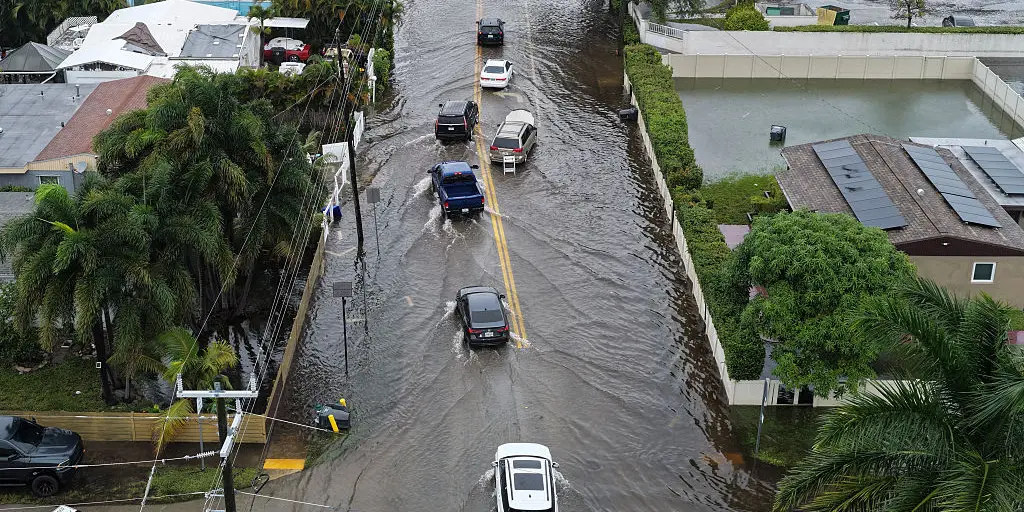
South Florida is particularly vulnerable to flooding because of its low-lying geography, coastal location, high water table, and extensive network of canals and drainage systems.
The region also experiences heavy seasonal rainfall and tropical weather systems. When prolonged rainfall occurs, water levels can rise quickly, making it difficult for drainage infrastructure to remove excess water.
The November 2026 flooding highlighted these challenges. A slow-moving weather system produced exceptionally heavy rainfall, affecting Broward County and surrounding communities. Emergency authorities introduced additional measures to manage floodwater and reduce risks to residents and infrastructure.
Factors Increasing South Florida Flood Risks
Risk Factor | Description | Potential Impact | Possible Solution |
|---|---|---|---|
Low-Lying Geography | Many areas are close to sea level | Water accumulation | Improved flood planning |
Heavy Rainfall | Intense storms produce large water volumes | Street and property flooding | Better drainage |
High Water Table | Groundwater levels can limit drainage | Slow water removal | Water-level management |
Coastal Exposure | Ocean levels and storm surges affect communities | Coastal inundation | Coastal protection |
South Florida needs a combination of modern pumping infrastructure, wetland conservation, improved drainage, and accurate weather monitoring to manage future flood risks.
4. San Francisco Flooding: Heavy Rainfall Disrupts City Life
San Francisco is known for its developed urban infrastructure, but the November 2026 storm demonstrated how quickly extreme rainfall can overwhelm even major metropolitan areas.
On November 18, heavy rain affected several neighbourhoods, including the Mission District, Haight-Ashbury, and areas near the waterfront. Streets became submerged, storm drains overflowed, and some roads were temporarily closed.
The rainfall was particularly significant because downtown San Francisco recorded 2.31 inches in a single day, breaking the previous November 18 record of 2.24 inches established in 1918.
The storm also affected public transportation, air travel, and electricity services across parts of the Bay Area. Some autonomous vehicle services were temporarily suspended because of flooded roads.
Why San Francisco Faces Urban Flooding
Intense Rainfall: Large amounts of rain falling within a short period can overwhelm drainage infrastructure.
Blocked Storm Drains: Leaves, rubbish, and other debris can prevent rainwater from flowing away.
Urban Surfaces: Concrete roads and buildings limit natural water absorption.
Low-Lying Neighbourhoods: Certain areas are more exposed to water accumulation.
Ageing Infrastructure: Older drainage systems may struggle with rainfall beyond their original design capacity.
San Francisco's recent flooding demonstrates why cities need regular drain maintenance, improved stormwater infrastructure, and better preparation for extreme rainfall.
5. Climate Change Is Influencing Flood Risks Across America
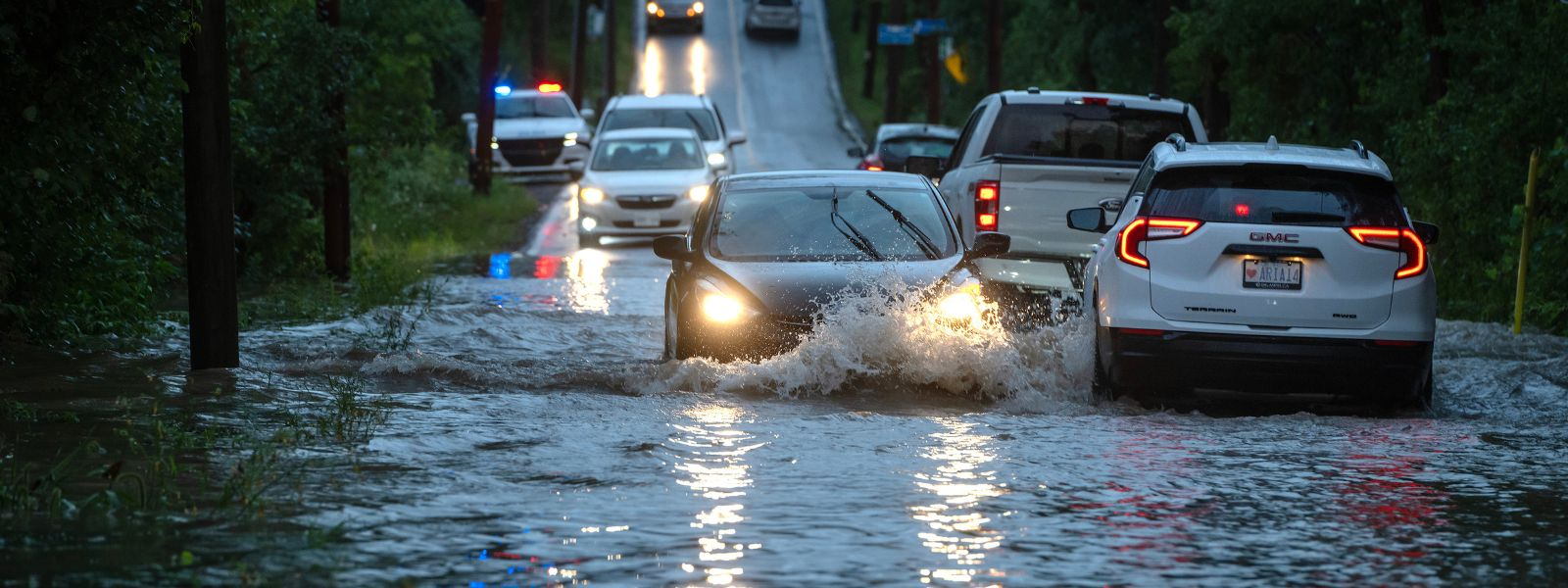
Climate change is becoming an important consideration in flood-risk management across the United States. Rising temperatures influence atmospheric moisture, precipitation patterns, and sea levels.
When warm, moisture-rich air interacts with storm systems, it can contribute to intense rainfall. Certain regions may therefore experience heavier precipitation events, increasing the possibility of flash flooding.
Coastal communities face another challenge: rising sea levels. Higher ocean levels can increase the reach and severity of coastal flooding, especially during storms and high tides.
The National Oceanic and Atmospheric Administration (NOAA) and the Environmental Protection Agency (EPA) identify changing precipitation patterns and sea-level rise as important factors affecting flood exposure in the United States.
How Climate Change Affects Different US Regions
Region | Major Flooding Risk | Contributing Factor | Potential Impact |
|---|---|---|---|
Florida | Coastal and urban flooding | Sea-level rise and heavy rainfall | Property damage |
California | Flash flooding | Intense storms and atmospheric rivers | Road closures and mudslides |
Texas | River and flash flooding | Heavy rainfall and tropical systems | Community displacement |
Louisiana | Coastal flooding | Storm surges and land loss | Infrastructure damage |
New York | Urban and coastal flooding | Heavy rainfall and coastal exposure | Transport disruption |
Flooding patterns vary by location, so local climate assessments and geographical conditions are essential when preparing for future risks.
6. Major Types of Flooding Affecting the United States
Not every flood develops in the same way. Understanding the different types of flooding can help residents, businesses, and local authorities prepare for specific weather threats.
Common Types of Flooding
Flood Type | Main Cause | Commonly Affected Areas | Major Risk |
|---|---|---|---|
Flash Flooding | Sudden, intense rainfall | Cities and mountainous areas | Rapid water accumulation |
Coastal Flooding | Storm surges and high tides | Coastal communities | Seawater entering land |
River Flooding | Rivers overflowing their banks | River-adjacent communities | Large-scale inundation |
Urban Flooding | Drainage systems overwhelmed | Metropolitan areas | Roads and buildings submerged |
Pluvial Flooding | Rainfall exceeds ground absorption | Low-lying urban and rural areas | Surface water accumulation |
Flash flooding is particularly dangerous because it can develop quickly, sometimes leaving people with very little time to respond.
Coastal flooding can also create long-term challenges for communities located near the Atlantic and Pacific coastlines.
7. Economic Impact of Flooding on US Businesses and Communities
Flooding creates significant economic pressure across different sectors of the American economy. Damage to homes, businesses, transportation systems, and public infrastructure can lead to expensive repairs and long recovery periods.
When roads and highways become flooded, the transportation of goods and services can be delayed. Businesses may temporarily stop operations, while employees may be unable to reach workplaces.
Insurance companies can also face increased claims following major flood events. Meanwhile, local governments may need to spend substantial amounts on emergency services, infrastructure repairs, and rebuilding damaged communities.
Economic Consequences of Major Flooding
Sector | Flooding Impact | Financial Consequence | Long-Term Effect |
|---|---|---|---|
Real Estate | Homes and buildings damaged | Repair and rebuilding costs | Lower property value in exposed areas |
Transportation | Roads and railways disrupted | Infrastructure expenses | Supply chain delays |
Retail Businesses | Shops temporarily closed | Revenue losses | Business interruption |
Agriculture | Fields and crops damaged | Reduced farm income | Food supply challenges |
Insurance | More flood-related claims | Higher claim expenses | Changing insurance costs |
Tourism | Attractions and hotels affected | Lost visitor spending | Reduced tourism activity |
Flooding can also create financial challenges for households that lack adequate insurance coverage. For this reason, flood-risk awareness and appropriate financial protection are important parts of community preparedness.
8. Public Health and Safety Risks During Flooding
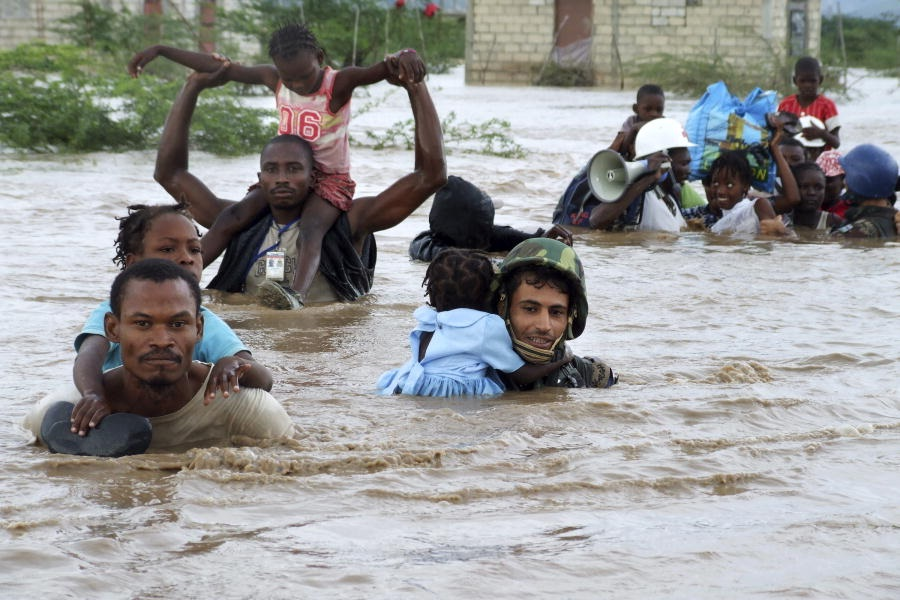
Flooding can create serious health and safety concerns, particularly when contaminated water enters homes, public spaces, and drinking water systems.
Floodwater may contain sewage, chemicals, waste, and harmful microorganisms. Exposure can increase the risk of infections and other illnesses.
Power outages, damaged roads, and disrupted healthcare services can make emergency situations even more difficult.
Major Health Risks
Water Contamination: Floodwater can contaminate drinking water sources and increase the risk of waterborne diseases.
Electrical Hazards: Water entering buildings can create dangerous electrical conditions.
Injuries and Accidents: Moving water, hidden debris, and damaged roads can cause serious injuries.
Mould Growth: Moisture inside homes can encourage mould development, potentially affecting indoor air quality.
Mental Health Challenges: Property damage, displacement, and financial uncertainty can create emotional stress.
Public health authorities recommend avoiding direct contact with floodwater and following local instructions regarding drinking water, evacuation, and sanitation.
9. How Technology Is Helping the US Manage Flood Risks
Technology is playing an increasingly important role in modern flood forecasting and emergency management. Government agencies use weather satellites, radar systems, river-level monitoring, and computer-based forecasting to identify dangerous weather conditions.
The National Weather Service (NWS) provides weather forecasts, flood watches, and flood warnings to help communities prepare for potential emergencies.
Newer digital systems are also helping local governments monitor drainage infrastructure and identify vulnerable locations.
Technologies Supporting Flood Management
Technology | How It Works | Application | Key Benefit |
|---|---|---|---|
Weather Radar | Tracks rainfall and storm movement | Monitoring heavy storms | Earlier alerts |
Satellite Imaging | Observes land and water changes | Flood mapping | Wider monitoring |
AI Forecasting | Analyses weather and historical data | Predicting flood patterns | Improved planning |
Water-Level Sensors | Monitor rivers and drainage systems | Detecting rising water | Real-time information |
GIS Mapping | Identifies geographical risk areas | Urban planning | Better risk assessment |
These technologies cannot eliminate flooding, but they can improve preparation, emergency response, and public safety.
10. Flood Prevention Strategies: What Can US Cities Do?
Preventing every flood is not possible, but cities can reduce damage through better infrastructure, sustainable development, and long-term environmental planning.
Local governments need to consider both immediate drainage improvements and wider climate resilience strategies.
Important Flood Prevention Measures
1. Upgrade Drainage Infrastructure: Cities should modernise stormwater systems to handle heavy rainfall more effectively.
2. Protect Wetlands: Natural wetlands absorb and store excess water, reducing pressure on surrounding communities.
3. Improve Urban Green Spaces: Parks, green roofs, and permeable surfaces can help rainwater enter the ground naturally.
4. Strengthen Coastal Protection: Sea walls, restored coastal wetlands, and other protective measures can help reduce coastal flood exposure.
5. Improve Flood Mapping: Updated flood-risk maps can help residents, businesses, and developers understand vulnerable locations.
6. Maintain Storm Drains: Regular removal of rubbish, leaves, and debris can improve drainage performance.
7. Strengthen Emergency Planning: Communities need clear evacuation routes, accessible emergency alerts, and coordinated response systems.
A combination of engineered infrastructure and nature-based solutions can make American cities more resilient to future flooding.
11. What Is the Future of Flood Risks in the United States?
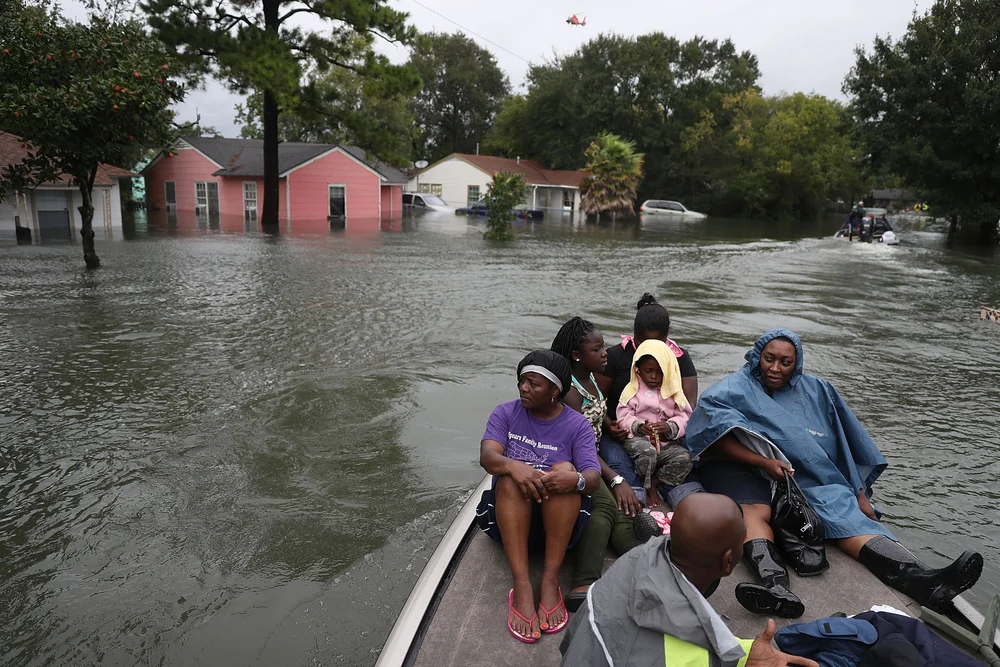
The future of US flooding will depend on several interconnected factors, including climate conditions, population growth, urban expansion, infrastructure investment, and environmental protection.
The November 2026 flooding in South Florida and San Francisco shows that different parts of the country can experience serious flooding from different weather systems within the same period.
Several developments are likely to shape future flood management:
More Advanced Forecasting: Improved weather prediction systems can provide earlier warnings.
Climate-Resilient Infrastructure: Cities will need drainage and water management systems designed for changing rainfall conditions.
Coastal Adaptation: Vulnerable coastal communities will need long-term protection against rising sea levels and storm surges.
Smart City Planning: Digital monitoring and flood-risk mapping can support better construction decisions.
Community Preparedness: Public awareness and emergency planning will remain essential for reducing casualties and property damage.
The key challenge is not simply responding to floods after they occur. It is building communities that can withstand extreme weather and recover more quickly.
12. Essential Flood Safety Tips for Residents
Knowing how to respond before, during, and after flooding can help protect lives and reduce property damage.
Before a Flood
Monitor local weather forecasts and official flood alerts.
Prepare an emergency kit with drinking water, food, medicines, and flashlights.
Keep important documents in waterproof storage.
Identify nearby evacuation routes and safe locations.
Move valuable belongings and electrical equipment to higher areas.
During a Flood
Never walk, swim, or drive through moving floodwater.
Follow evacuation instructions from local authorities.
Stay away from flooded roads, bridges, and drainage channels.
Avoid contact with electrical equipment in flooded areas.
Keep listening to official emergency updates.
After a Flood
Return home only when authorities confirm it is safe.
Avoid contaminated water and damaged electrical systems.
Check buildings for structural damage before entering.
Photograph property damage for insurance documentation.
Follow local health guidance regarding drinking water and sanitation.
Frequently Asked Questions (FAQs)
Heavy rainfall, climate change, rising sea levels, urbanisation, and inadequate drainage infrastructure are increasing flood exposure in several parts of the country.
Click Forgot passwordA slow-moving weather system brought exceptionally heavy rainfall to South Florida. Some parts of Broward County received up to 15.3 inches within 24 hours, resulting in widespread flooding and emergency declarations. on the login page and follow the email instructions.
An intense storm brought heavy rainfall to the Bay Area on November 18. San Francisco recorded 2.31 inches of rain, breaking its previous daily rainfall record for that date.
Florida, California, Texas, Louisiana, and New York face different types of flooding risks, including flash floods, coastal flooding, river overflow, and urban waterlogging.
Sources and notes
Links the author listed for this post.
This article is prepared using information from trusted news outlets, weather agencies, and environmental organisations, including the National Weather Service (NWS), National Oceanic and Atmospheric Administration (NOAA), Federal Emergency Management Agency (FEMA), Associated Press (AP News), San Francisco Chronicle, and ABC7 News. These sources provide information about US flooding events, extreme weather conditions, climate impacts, and flood safety guidelines.
More on AltFTool
- AltFTool (opens in a new tab)
altftool.com


Discussion
0 comments
No comments yet
Discussion will appear here once it loads.