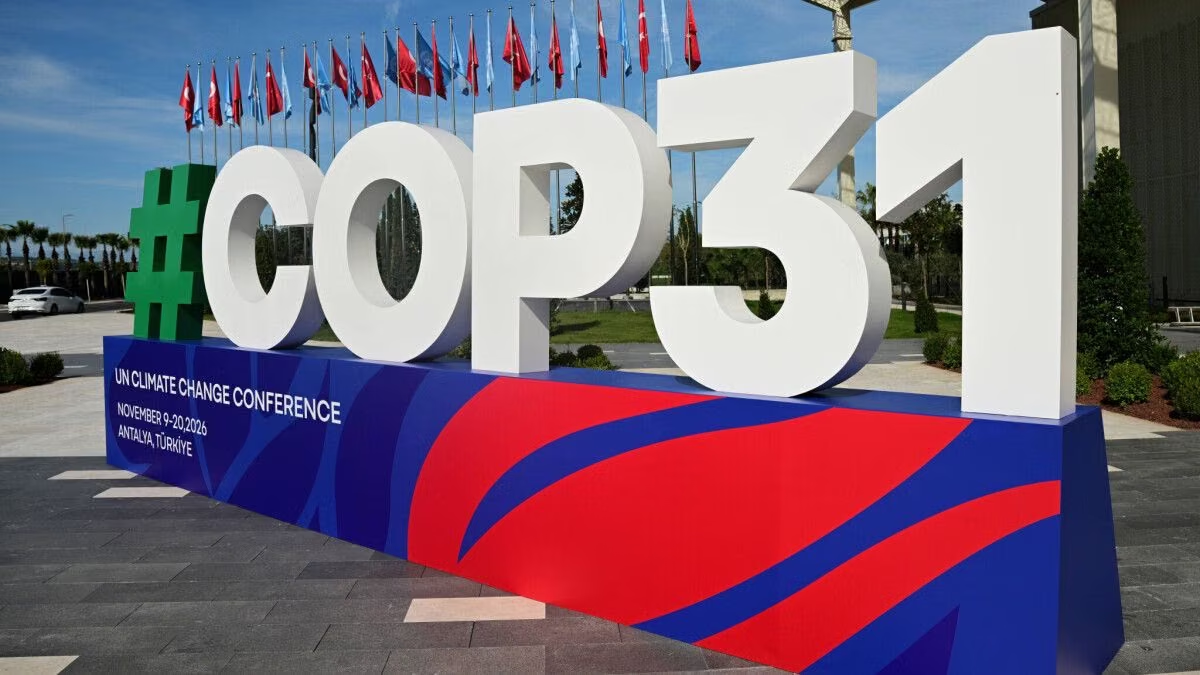
Climate change has become one of the biggest challenges facing the world. Rising temperatures, extreme weather events, melting glaciers, rising sea levels and environmental damage are affecting millions of people. To address these growing concerns, world leaders, scientists and environmental organisations are coming together at the COP31 Climate Summit in Antalya, Türkiye.
Taking place from November 9 to 20, 2026, COP31 is the 31st United Nations Climate Change Conference. The summit focuses on accelerating climate action, expanding clean energy, supporting vulnerable communities and turning international climate commitments into practical results.
This year's discussions are particularly important because countries need to move beyond environmental promises and demonstrate measurable progress. From renewable energy and climate finance to sustainable cities and food security, COP31 aims to strengthen international cooperation for a more sustainable future.
What Is COP31 Climate Summit?

COP31 stands for the 31st Conference of the Parties to the United Nations Framework Convention on Climate Change (UNFCCC).
It is an international climate conference where representatives from nearly every country discuss policies, commitments and strategies to address global warming. The conference also provides an opportunity to review progress under the Paris Agreement and strengthen cooperation on climate-related challenges.
COP31 is hosted in Antalya, Türkiye, with Murat Kurum serving as the COP31 President and Australia's Chris Bowen leading the negotiations.
The main focus of the conference is implementation. Governments are discussing how to accelerate the transition towards cleaner energy, improve climate resilience, increase financial support and reduce greenhouse gas emissions.
COP31 Climate Summit 2026: Important Details
Details | Information |
|---|---|
Event | COP31 Climate Summit |
Full Form | 31st Conference of the Parties |
Dates | November 9–20, 2026 |
Location | Antalya, Türkiye |
Host Country | Türkiye |
COP31 President | Murat Kurum |
President of Negotiations | Chris Bowen |
Main Focus | Climate Action and Sustainable Development |
Organiser | United Nations Framework Convention on Climate Change |
Key Goals and Priorities of COP31
COP31 has placed significant attention on practical climate solutions. Its action agenda includes several priority areas designed to encourage measurable progress by 2035.
1. Accelerating the Transition to Clean Energy
One of the biggest priorities of COP31 is increasing the use of clean and renewable energy sources. Countries are encouraged to reduce their dependence on fossil fuels and expand solar, wind and other low-carbon energy technologies.
The COP31 Presidency has proposed increasing the share of electricity in global final energy demand from just over 20% to 35% by 2035.
This transition could help reduce emissions, strengthen energy security and make cleaner energy technologies more accessible.
2. Reducing Waste and Methane Emissions
Waste management is another important area of discussion. Poorly managed waste contributes to pollution and methane emissions, which significantly contribute to global warming.
COP31's action agenda aims to halve the growth of global waste by 2035. Greater recycling, improved waste collection, composting and circular economy practices can help countries move towards more sustainable production and consumption.
3. Building Climate-Resilient Cities
Cities are increasingly exposed to heatwaves, flooding, water shortages and other climate-related risks.
COP31 highlights the importance of developing sustainable urban infrastructure, improving energy efficiency and preparing cities for extreme weather conditions.
One proposed target is to reduce energy consumption intensity in the building sector by at least 25% by 2035.
Energy-efficient buildings, better public transport, green spaces and improved drainage systems can make urban areas safer and more sustainable.
4. Promoting Green Industrial Development
Industries play a major role in global greenhouse gas emissions. COP31 encourages businesses and governments to adopt cleaner production methods, energy-efficient technologies and sustainable manufacturing practices.
The summit's action agenda also aims to increase the global circular material use rate to at least 15%.
This approach promotes recycling, material reuse and reduced dependence on newly extracted natural resources.
5. Strengthening Food Security and Sustainable Agriculture
Climate change directly affects farming through irregular rainfall, droughts, floods and rising temperatures.
COP31 places importance on climate-resilient agriculture and better support for farmers. The agenda includes providing young farmers with training in climate-resilient farming practices.
These efforts can help protect agricultural productivity, improve food security and support rural communities.
6. Supporting Climate Education and Youth Participation
Young people will experience the long-term consequences of today's environmental decisions. Their involvement is therefore an important part of climate action.
COP31 encourages wider access to climate education and greater youth participation in environmental discussions.
Schools, universities and communities can play a major role in spreading awareness about renewable energy, biodiversity, waste reduction and sustainable lifestyles.
Major Climate Decisions and Discussions at COP31
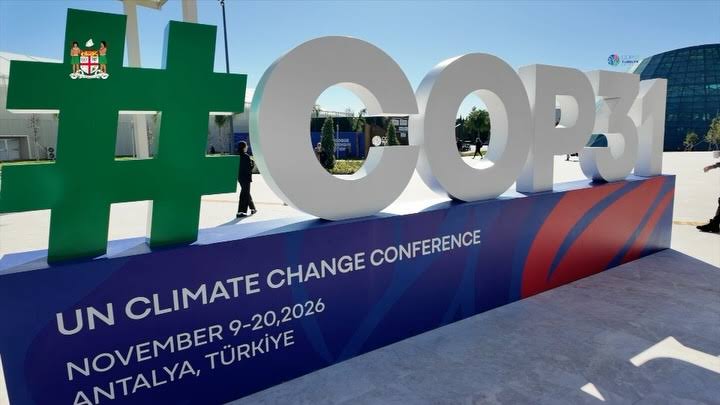
COP31 is an important platform for countries to review existing climate commitments and discuss how to implement them effectively.
Some of the major areas receiving attention include:
Paris Agreement implementation: Strengthening national climate plans and improving progress towards global temperature goals.
Climate finance: Increasing financial support for developing countries to adopt clean technologies and manage climate risks.
Fossil fuel transition: Discussing practical roadmaps for moving towards cleaner energy systems.
Climate adaptation: Improving the ability of communities and infrastructure to withstand extreme weather.
Loss and damage: Addressing the financial and social consequences of climate-related disasters.
Global cooperation: Encouraging countries, businesses and international organisations to work together on climate solutions.
The second Global Stocktake process also begins at COP31. It will assess collective progress under the Paris Agreement and help identify where stronger climate action is needed.
Note: The conference is scheduled to conclude on November 20, 2026. Final negotiated decisions should be distinguished from proposals, presidency targets and draft texts released during the negotiations.
How Will COP31 Impact the World?
The decisions and initiatives discussed at COP31 could influence environmental policies, economic development and everyday life across different regions.
1. Cleaner Energy and Lower Emissions
Greater investment in renewable energy could reduce dependence on coal, oil and natural gas. It may also encourage innovation in solar power, wind energy, battery storage and electric transportation.
2. Better Protection Against Natural Disasters
Climate adaptation measures can help communities prepare for floods, droughts, storms and extreme heat. Improved infrastructure and early-warning systems could reduce damage and protect lives.
3. New Opportunities for Green Jobs
The transition towards sustainable industries can create employment opportunities in renewable energy, electric vehicles, recycling, green construction and environmental technology.
4. Greater Support for Developing Countries
Developing countries often face serious climate risks despite having fewer financial resources to manage them. Stronger international climate finance can help these nations invest in clean energy and disaster-resistant infrastructure.
5. More Sustainable Food and Water Systems
Climate-resilient farming, improved irrigation and responsible water management can help protect agricultural production and reduce pressure on natural resources.
India's Role in COP31 Climate Summit
India is an important participant in international climate discussions because of its large population, growing energy demand and vulnerability to climate-related risks.
The country has been expanding renewable energy capacity, promoting electric mobility and encouraging sustainable development through national initiatives.
Some important areas connected to India's climate priorities include:
Renewable energy expansion: Increasing solar and wind power capacity to support cleaner electricity generation.
Green Hydrogen Mission: Encouraging the development and use of green hydrogen as a cleaner energy source.
Electric mobility: Supporting electric vehicles and improving charging infrastructure.
International Solar Alliance: Promoting global cooperation to expand solar energy.
Mission LiFE: Encouraging environmentally responsible lifestyle choices and sustainable consumption.
Climate resilience: Improving disaster preparedness, water conservation and climate-resilient agriculture.
COP31 provides India with an opportunity to discuss climate finance, technology transfer and fair climate responsibilities while sharing its experiences in sustainable development.
Challenges Facing the COP31 Climate Summit
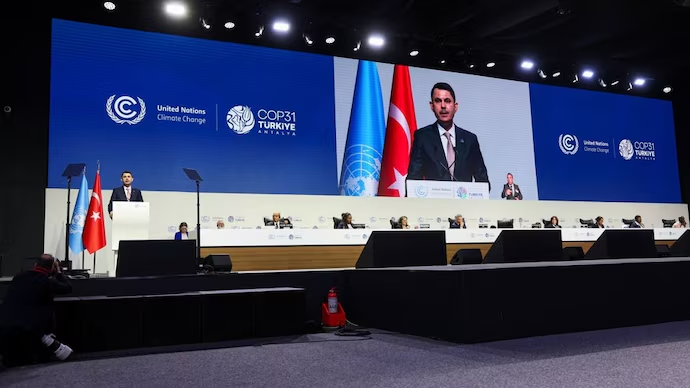
Despite growing international awareness, achieving meaningful climate progress remains difficult. Countries have different economic conditions, energy requirements and development priorities.
Some of the major challenges include:
1. Dependence on Fossil Fuels
Many economies still depend heavily on coal, oil and natural gas. Moving towards renewable energy requires major investments, infrastructure improvements and careful planning.
2. Climate Finance Gaps
Developing countries need financial assistance to build clean energy systems, protect communities and respond to climate disasters. Ensuring that promised financial support reaches the countries that need it remains a major challenge.
3. Differences Between Developed and Developing Countries
Countries do not contribute equally to historical greenhouse gas emissions and do not have the same financial resources. Negotiations must balance climate responsibility with development needs.
4. Turning Commitments into Action
Setting climate targets is only the first step. Governments must introduce effective policies, monitor progress and ensure that environmental commitments lead to measurable results.
What Happens After COP31?
The conclusion of COP31 will not mark the end of global climate discussions. Countries will continue working through the UN climate process to implement agreed decisions and strengthen their national climate plans.
The second Global Stocktake will be an important part of this process, helping governments assess progress and identify areas requiring additional action.
Future efforts are expected to focus on renewable energy, climate finance, adaptation, sustainable agriculture and reducing greenhouse gas emissions.
The effectiveness of COP31 will ultimately depend on how governments, businesses and communities translate climate commitments into real-world improvements.
Conclusion
The COP31 Climate Summit represents another important opportunity for countries to strengthen their response to climate change. With discussions covering clean energy, waste reduction, sustainable industries, resilient cities and climate finance, the conference aims to turn global environmental commitments into practical action.
However, the real success of COP31 will not be measured only by the announcements made during the summit. It will depend on whether countries follow through with effective policies, sufficient funding and measurable progress.
A sustainable future requires cooperation between governments, industries, communities and individuals. The actions taken today will play an important role in determining the environmental conditions future generations inherit.
FAQ'S
COP31 is the 31st United Nations Climate Change Conference. It brings together governments, scientists, environmental organisations and other stakeholders to discuss solutions to climate change.
COP31 is being held in Antalya, Türkiye, from November 9 to 20, 2026.
Its major priorities include accelerating clean energy adoption, reducing waste, developing climate-resilient cities, supporting sustainable agriculture and strengthening climate finance.
The central focus is implementing existing climate commitments through measurable action, stronger international cooperation and sustainable development initiatives.
The COP31 Presidency has proposed increasing the share of electricity in global final energy demand from just over 20% to 35% by 2035.
Sources and notes
Links the author listed for this post.
Based on official UNFCCC conference information, COP31 action agenda updates and international climate policy reporting.

Discussion
0 comments
No comments yet
Discussion will appear here once it loads.