
The global economy is entering an important period of change as countries, businesses, investors, and consumers prepare for 2027. Rapid technological developments, changing trade relationships, inflation, interest rate decisions, energy market movements, and employment trends are expected to influence economic growth across the world.
As economies continue to recover from recent financial and geopolitical challenges, 2027 could bring both new opportunities and significant uncertainties. Artificial intelligence (AI), digital transformation, renewable energy, international trade, and changing consumer behaviour are likely to play important roles in shaping the next phase of economic development.
According to the International Monetary Fund's October 2026 World Economic Outlook, global economic growth is projected to reach 3.4% in 2027, compared with 3.1% in 2026. However, the recovery is expected to remain uneven across countries and regions.
International Monetary Fund
Understanding these economic developments can help businesses make better decisions, investors evaluate opportunities, and individuals prepare for changing financial conditions.
In this article, we explore the Global Economic Outlook 2027, including the major economic trends, emerging opportunities, potential risks, and important developments to watch throughout the year.
1. Global Economic Growth and Recovery
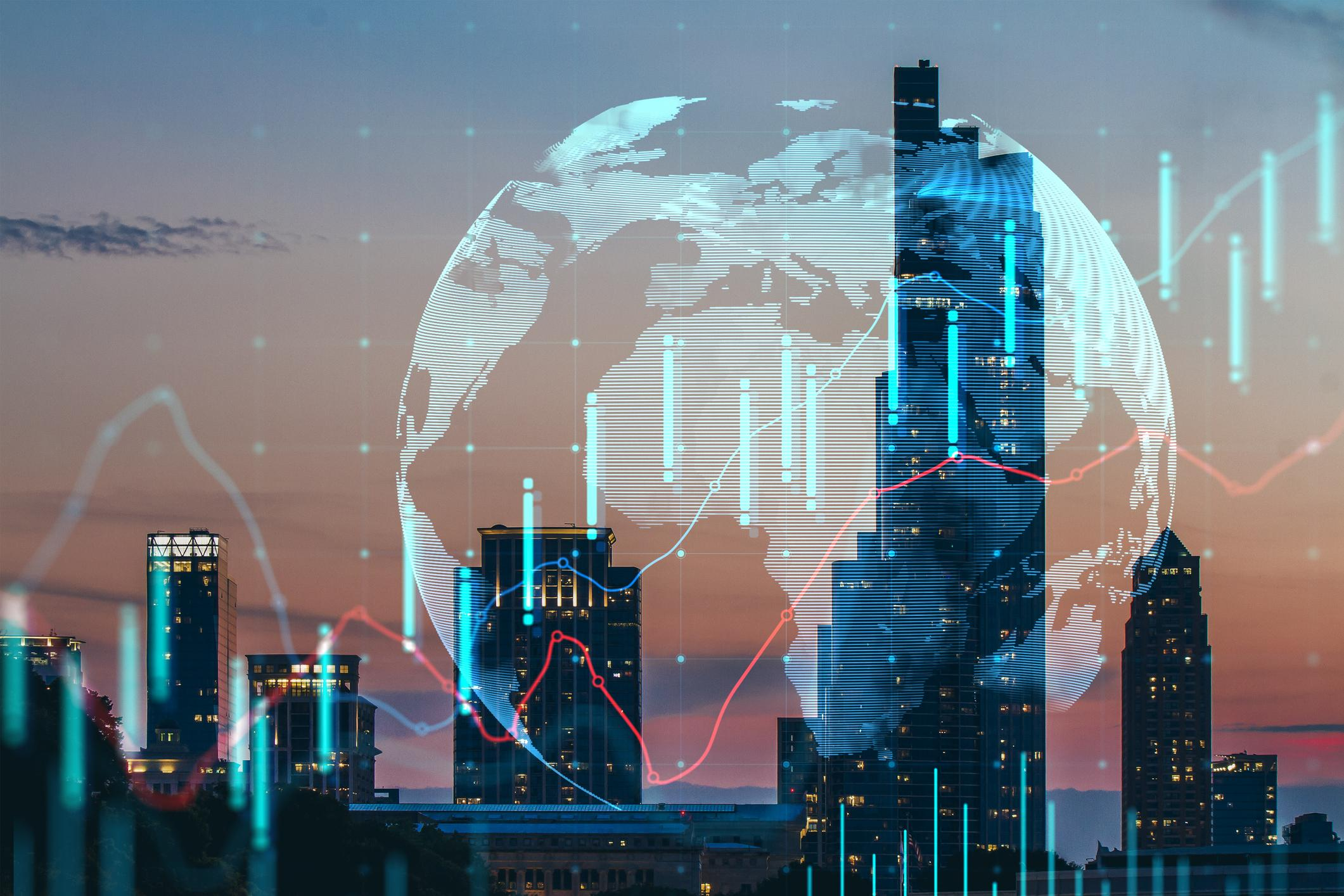
Economic growth will remain one of the most important indicators to watch in 2027. Countries are expected to experience different growth patterns depending on domestic demand, government policies, international trade, investment activity, and inflation.
Developed economies may continue to experience moderate growth, while several emerging markets could benefit from expanding industries, infrastructure development, and growing consumer demand.
Some of the major factors influencing global economic growth include:
Consumer spending: Household purchasing power and consumer confidence will influence demand for goods and services.
Business investment: Companies may increase spending on technology, infrastructure, and production facilities.
Government policies: Taxation, public spending, and economic reforms will affect business activity.
International trade: Global supply chains and export demand will influence industrial production.
Financial conditions: Interest rates and borrowing costs will affect investment and consumption.
The overall direction of economic growth will depend on how effectively countries manage these factors while responding to global uncertainties.
2. Artificial Intelligence Will Transform the Global Economy
Artificial intelligence is becoming one of the biggest influences on global economic development. In 2027, businesses are expected to continue exploring AI-powered solutions to improve productivity, reduce operational costs, and develop new products and services.
AI is already influencing industries such as healthcare, banking, education, manufacturing, transportation, and customer service.
Key AI developments to watch
Business automation: Companies may increasingly use AI tools to automate repetitive tasks, manage customer support, and improve business operations.
AI-powered decision-making: Businesses can use advanced data analysis to understand customer behaviour, identify market opportunities, and make informed decisions.
Workforce transformation: AI adoption could change job responsibilities and increase demand for employees with digital, analytical, and technical skills.
Technology investment: Companies may continue investing in AI infrastructure, semiconductor technology, cloud computing, and data centres.
However, AI adoption also brings challenges, including data privacy concerns, cybersecurity threats, job displacement, and the cost of implementing new technologies.
The economic benefits will depend on whether businesses can turn technology investments into sustainable productivity improvements.
3. Inflation and Cost of Living Trends
Inflation will remain an important economic issue in 2027. Although some countries may experience easing price pressures, the cost of essential goods, housing, transportation, food, and energy could continue affecting household budgets.
The IMF's October 2026 outlook projects global headline inflation to ease from 4.7% in 2026 to 4.1% in 2027. Nevertheless, inflation risks may differ considerably between individual economies.
International Monetary Fund
Several factors could influence inflation throughout 2027:
Energy prices: Changes in oil, natural gas, and electricity prices can affect transportation and production costs.
Food prices: Weather conditions, agricultural production, and supply chain disruptions may influence food inflation.
Housing expenses: Rent, property prices, and construction costs can affect household spending.
Import costs: Currency movements and international trade policies may increase the cost of imported products.
Wage growth: Changes in salaries and labour costs can influence business expenses and consumer demand.
For households, managing everyday expenses and maintaining emergency savings may become increasingly important.
4. Interest Rates and Central Bank Policies
Central banks will continue playing an important role in shaping economic conditions in 2027. Their decisions regarding interest rates can influence borrowing, saving, investment, inflation, and consumer spending.
If inflation moves closer to central bank targets, some countries may have more flexibility to reduce interest rates. However, persistent inflation could encourage policymakers to maintain relatively restrictive monetary policies.
Why interest rates matter
Loans: Lower interest rates can make personal, business, and home loans more affordable.
Savings: Interest rate changes influence the returns available on savings accounts and deposits.
Investments: Financial markets often respond to changes in borrowing costs and monetary policy expectations.
Businesses: Companies may adjust expansion plans depending on the cost of financing.
Consumer spending: Affordable credit can encourage households to make larger purchases.
Investors and businesses should pay attention to central bank announcements because changes in monetary policy can affect financial markets and economic confidence.
5. Global Trade and Supply Chain Changes
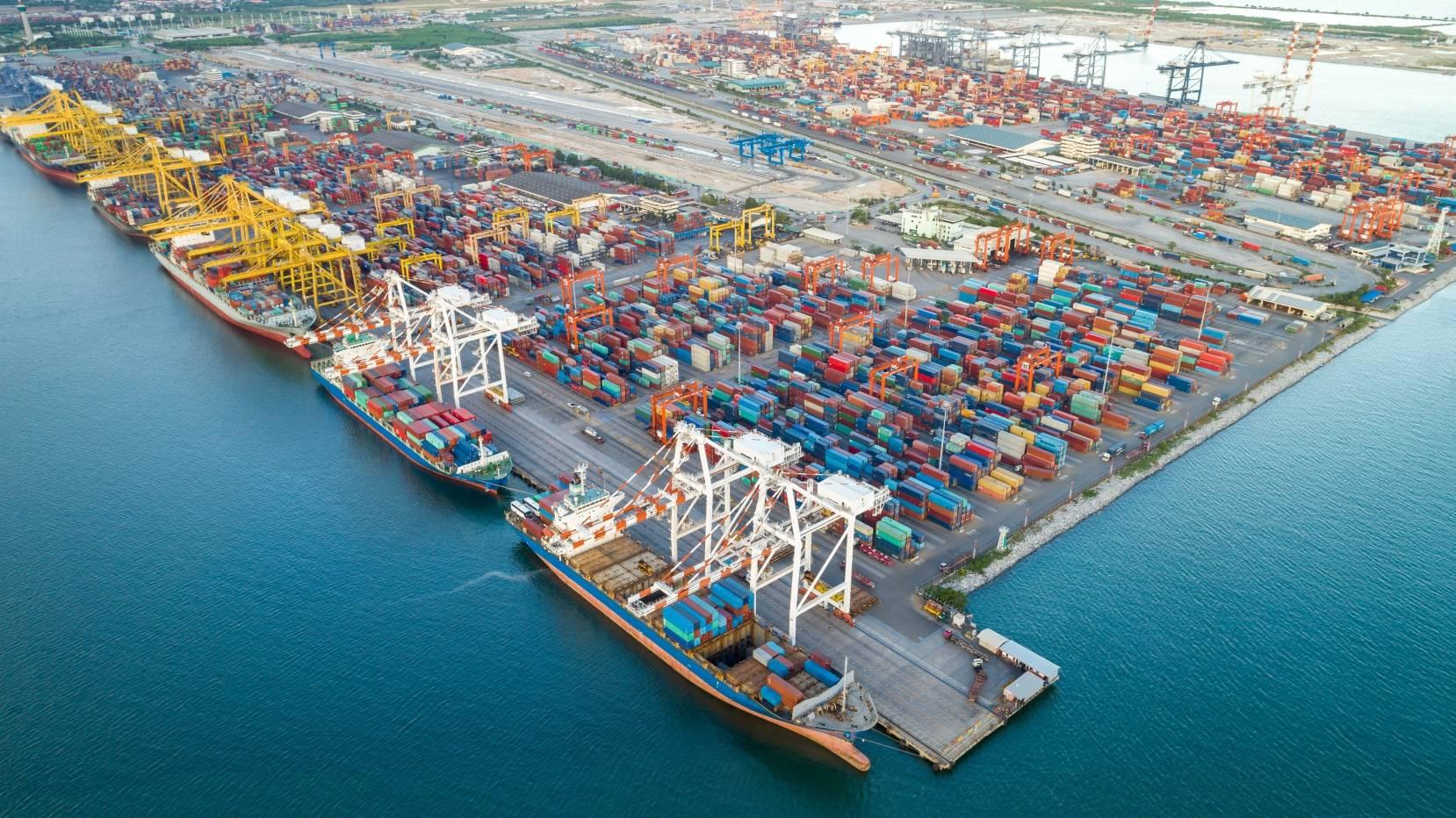
International trade will remain a major driver of economic activity in 2027. However, changing trade policies, tariffs, geopolitical tensions, and supply chain disruptions could influence how countries exchange goods and services.
Many businesses are also reconsidering their supply chain strategies to reduce dependence on individual markets and suppliers.
Important trade trends
Supply chain diversification: Companies may source products and raw materials from multiple countries to reduce operational risks.
Regional manufacturing: Businesses could increase production closer to their main consumer markets.
Digital trade: E-commerce, digital services, and cross-border online transactions may create additional international business opportunities.
Trade policy changes: Tariffs, export restrictions, and international agreements could influence the cost and availability of products.
Emerging market opportunities: Developing economies may attract additional investment as companies explore alternative manufacturing and distribution locations.
Businesses that build flexible supply chains could be better prepared to manage unexpected international disruptions.
6. Renewable Energy and the Green Economy
The transition towards cleaner energy is expected to remain an important part of global economic development in 2027.
Governments and businesses are increasingly exploring renewable energy sources, including solar, wind, hydropower, and other low-carbon technologies. These investments can support energy diversification, create employment opportunities, and encourage technological innovation.
Some important developments to watch include:
Expansion of solar and wind energy projects.
Investment in electric vehicle infrastructure.
Development of battery storage technologies.
Improvements in energy efficiency.
Growth in green manufacturing.
Increasing demand for sustainable business practices.
The green economy could create opportunities for manufacturers, technology companies, infrastructure developers, and investors.
However, high initial investment costs, infrastructure limitations, and changing government incentives may affect the speed of adoption.
7. Employment Trends and the Future of Work
Employment patterns are changing as businesses adopt new technologies and adjust to evolving economic conditions.
In 2027, digital skills, technical knowledge, communication abilities, and adaptability may become increasingly valuable across different industries.
Artificial intelligence and automation could change traditional job responsibilities, while creating demand for new roles in technology, cybersecurity, data analysis, renewable energy, and digital services.
Employment developments to watch
AI-related jobs: Demand for AI specialists, machine learning professionals, and automation experts may increase.
Remote and hybrid work: Flexible working arrangements may remain important in many industries.
Digital skills: Employees with technology and data-related skills could have better opportunities.
Green employment: Renewable energy and sustainability projects may support new employment opportunities.
Workforce reskilling: Companies may invest more in employee training and professional development.
Workers who continue learning and updating their skills may be better prepared for changing workplace requirements.
8. Emerging Markets and Developing Economies
Emerging markets are expected to remain important contributors to global economic activity in 2027. Countries across Asia, Africa, Latin America, and other developing regions are exploring opportunities in manufacturing, infrastructure, technology, agriculture, and consumer services.
Growing populations, urbanisation, digital adoption, and rising middle-class demand can support long-term economic development.
Why emerging markets matter
Growing consumer markets: Expanding populations and household incomes can increase demand for products and services.
Infrastructure development: Roads, railways, airports, and energy projects can support economic activity.
Technology adoption: Digital payments, mobile banking, and online services can expand financial access.
Manufacturing growth: International businesses may explore new production and investment opportunities.
Entrepreneurship: Startups and small businesses can contribute to innovation and employment.
However, emerging markets may also face challenges involving currency volatility, government debt, inflation, political uncertainty, and access to affordable financing.
9. Financial Markets and Investment Opportunities
Financial markets will continue responding to economic developments, corporate earnings, interest rates, inflation, and geopolitical events in 2027.
Stock markets, bond markets, currencies, and commodities may experience changing levels of volatility as investors evaluate new information.
Some investment areas that could attract attention include:
Investment area | Important development to watch |
|---|---|
Artificial intelligence | AI infrastructure and technology adoption |
Renewable energy | Clean energy and battery investments |
Healthcare | Medical technology and innovation |
Infrastructure | Transport and urban development |
Financial services | Digital banking and financial technology |
Manufacturing | Automation and advanced production |
Investors should remember that market opportunities come with risks. Economic uncertainty, unexpected policy changes, and changing company valuations can affect investment returns.
Diversification, long-term planning, and careful research remain important when making financial decisions.
10. Geopolitical Risks and Economic Uncertainty

Geopolitical developments can significantly influence global economic performance. Conflicts, diplomatic disagreements, international sanctions, and trade restrictions may affect energy supplies, financial markets, and international business operations.
In 2027, geopolitical uncertainty could remain one of the major risks for the global economy.
Some important risk factors include:
International conflicts and regional instability.
Changes in global trade relationships.
Energy supply disruptions.
Restrictions on technology and international investment.
Rising government debt.
Unexpected changes in economic policies.
These developments can create uncertainty for businesses and investors, particularly those operating across multiple countries.
Companies may need stronger risk management strategies, diversified suppliers, and flexible financial planning to respond to unexpected events.
11. Digital Payments and the Growth of Financial Technology
Financial technology is changing how individuals and businesses manage money. Digital wallets, mobile banking, instant payments, and online financial services are becoming increasingly important in modern economies.
In 2027, financial technology companies may continue introducing solutions that make financial services faster, more accessible, and convenient.
Some developments to watch include:
Digital banking: More consumers may use mobile applications to manage accounts, transfer money, and access financial products.
Instant payments: Faster payment networks can support businesses and improve everyday transactions.
Financial inclusion: Digital financial services can help individuals and small businesses access banking facilities.
Blockchain technology: Blockchain-based systems may find additional applications in payments, financial settlements, and record management.
Cybersecurity: As digital transactions increase, protecting financial information and preventing fraud will become even more important.
The growth of fintech could support a more connected financial ecosystem while creating new challenges involving privacy, security, and regulation.
12. India's Economic Outlook in 2027
India will remain an important economy to watch in 2027 because of its large consumer market, expanding digital infrastructure, growing services sector, and investment in manufacturing and infrastructure.
The country's economic performance will depend on domestic consumption, private investment, government spending, international trade, and global financial conditions.
The OECD's September 2026 outlook projects India's GDP growth at 7.1% in FY 2026–27 and 6.5% in FY 2027–28. These are fiscal-year projections rather than calendar-year growth estimates.
OECD
Key areas supporting India's economic development
Digital economy: Digital payments, online services, and technology businesses may continue expanding.
Infrastructure: Investment in highways, railways, airports, and urban development can support economic activity.
Manufacturing: Industrial development and production capacity may create new business opportunities.
Renewable energy: Solar power, electric mobility, and clean energy infrastructure could attract investment.
Startups: Innovation and entrepreneurship may support employment and new services.
Consumer spending: Rising demand for housing, electronics, travel, and financial services can support domestic businesses.
India may also face challenges involving inflation, employment generation, rural demand, global trade conditions, and energy prices.
13. Major Economic Risks to Watch in 2027
Although the global economy may experience new growth opportunities, several risks could affect economic stability.
Here are some important challenges worth monitoring.
Economic risk | Possible impact |
|---|---|
Persistent inflation | Reduced household purchasing power |
Geopolitical conflicts | Trade and energy supply disruptions |
High interest rates | More expensive borrowing |
Government debt | Increased fiscal pressure |
AI investment corrections | Financial market volatility |
Climate-related events | Agricultural and infrastructure disruptions |
Currency fluctuations | Higher import and financing costs |
Trade restrictions | More expensive international business operations |
The IMF has also highlighted risks associated with geopolitical conflicts, trade tensions, fiscal vulnerabilities, and changing expectations around artificial intelligence.
International Monetary Fund
Understanding these risks can help policymakers, businesses, and investors prepare for different economic scenarios.
14. How Businesses and Individuals Can Prepare for 2027
Preparing for economic changes does not require predicting every market movement. Instead, businesses and individuals can focus on financial stability, flexibility, and long-term planning.
For businesses
Review budgets and operating expenses regularly.
Explore useful AI and automation technologies.
Diversify suppliers and distribution networks.
Invest in employee training and digital skills.
Monitor international market developments.
Develop strategies for managing financial risks.
For individuals
Maintain an emergency savings fund.
Avoid unnecessary debt and expensive borrowing.
Review monthly spending and financial goals.
Improve digital and professional skills.
Diversify investments according to personal risk tolerance.
Stay informed about inflation and interest rate changes.
Making informed financial decisions can help people and businesses manage uncertainty while identifying opportunities for future growth.
15. What Could Shape the Global Economy Beyond 2027?
The economic developments of 2027 may influence business and financial conditions for many years.
Artificial intelligence could change productivity across industries, renewable energy investments could reshape energy markets, and digital financial services could transform international transactions.
At the same time, demographic changes, climate challenges, government debt, and shifting international relationships may influence long-term economic growth.
Countries that invest in education, infrastructure, innovation, energy security, and workforce development could be better positioned to manage future economic challenges.
The ability to adapt to technological and structural changes will become increasingly important for both developed and developing economies.
Final Thoughts
The Global Economic Outlook 2027 presents a combination of opportunities and challenges. Artificial intelligence, renewable energy, digital finance, emerging markets, and international trade could support economic development, while inflation, geopolitical uncertainty, high borrowing costs, and financial market volatility may create obstacles.
Although global growth is projected to improve to 3.4% in 2027 according to the IMF, economic conditions are unlikely to improve equally across every country or industry.
International Monetary Fund
For businesses, the focus should be on innovation, operational flexibility, and sustainable investment. For individuals, financial planning, skill development, and informed decision-making can help create greater financial resilience.
Ultimately, 2027 will be an important year for understanding how technology, government policies, and international developments shape the future of the global economy.
The global economy is projected to grow by 3.4% in 2027 according to the IMF's October 2026 forecast.
Major trends include AI adoption, inflation, interest rates, renewable energy, global trade, and digital finance.
Global inflation is projected to ease in 2027, although the pace of improvement may differ across countries.
AI could improve productivity, automate business operations, encourage investment, and transform employment opportunities.
India is expected to maintain relatively strong economic growth, supported by domestic demand, infrastructure, technology, and manufacturing.
Sources and notes
Links the author listed for this post.
This article draws on economic research, forecasts, and publications from the International Monetary Fund (IMF), Organisation for Economic Co-operation and Development (OECD), and other established economic research sources.


Discussion
0 comments
No comments yet
Discussion will appear here once it loads.