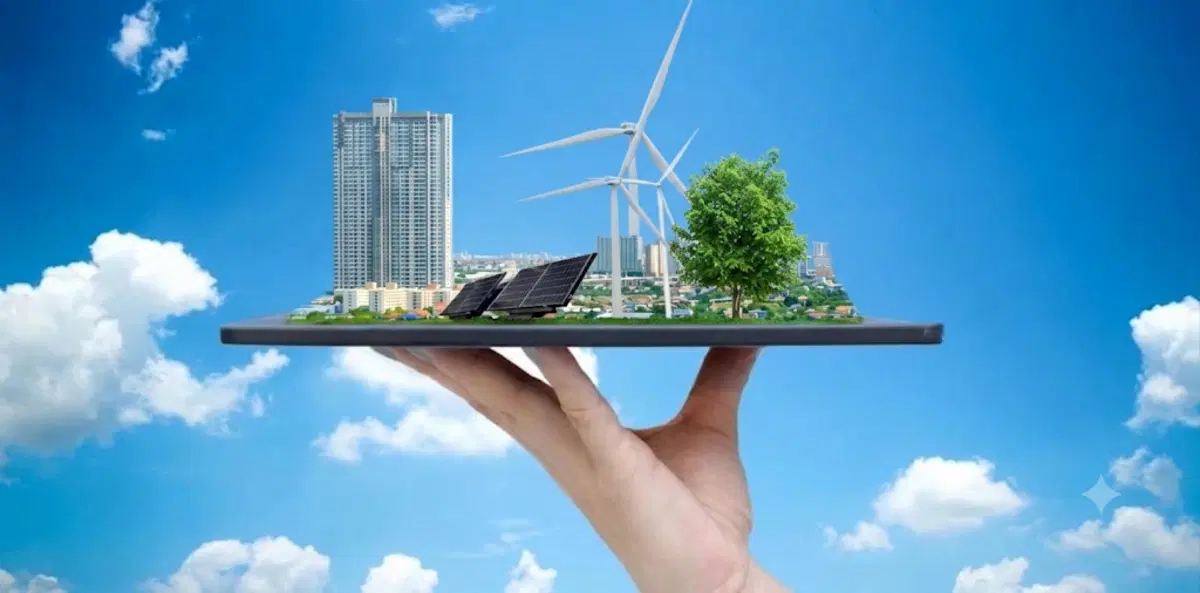
Renewable energy is changing the way countries make electricity, run businesses and power everyday life. Solar panels are turning up on more and more rooftops, and wind farms are spreading across different regions. Governments are also putting more money into clean energy projects than ever before. What once looked like a side option to traditional electricity is now becoming a core part of the global energy system. Ten years ago, few people would have predicted such a fast shift. Today it feels almost normal to see a solar panel on a neighbour’s roof. And this is only the beginning of the change.
The shift is happening for practical reasons. Countries want to depend less on coal, oil and natural gas while still meeting rising electricity demand. Businesses are looking for affordable power, and households are exploring solar to keep their bills in check. Worries about climate change and air pollution are also pushing governments towards cleaner sources.
In 2026, the trends are moving beyond panels and turbines. Battery storage, smart grids, green hydrogen and electric vehicles are opening new opportunities for the clean energy industry. According to the International Energy Agency (IEA), global renewable power capacity is expected to grow by around 4,770 gigawatts between 2026 and 2031, with solar making up more than three-quarters of that growth.
Let’s look at the major developments shaping the world and what they mean for the future.
1. Solar Energy Is Becoming a Leading Power Source
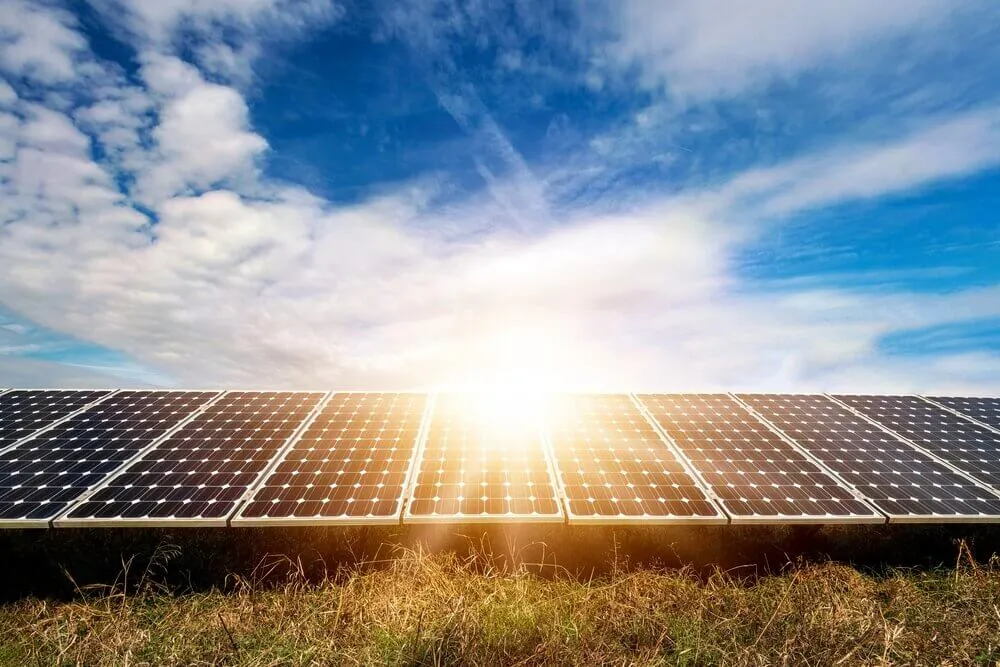
Solar is one of the biggest drivers of the global transition. Its popularity comes from improving technology, falling equipment costs and the freedom to install panels almost anywhere.
Solar power used to be linked mostly with large solar parks. Now homeowners, schools, offices, factories and shopping centres are putting systems on their rooftops to make their own electricity. A family with a suitable roof can generate power in sunny hours and buy less from the grid, while a factory can install a bigger system to manage its daytime electricity costs.
Why is solar growing? Modern panels are more efficient, installation options suit different budgets, and government programmes encourage adoption in many countries. Solar is also useful in remote places where extending the traditional grid is expensive. Small systems can run lights, water pumps and other essential equipment. India, China, Germany and the United States are among the countries investing heavily.
2. Wind Energy Is Expanding Across the World
Wind continues to play an important role in clean electricity. Turbines turn moving air into power without burning fossil fuels while they operate.
Two types of projects are drawing investment, onshore and offshore. Onshore turbines are built on land, while offshore ones sit in seas and oceans. Offshore projects are getting attention because some coastal locations have strong and fairly steady winds. They can generate a lot of electricity, though building and maintaining them takes substantial investment.
Technology keeps improving too, with larger turbines, better blade designs and smarter monitoring helping wind farms work more efficiently. Still, wind depends on the weather, so battery storage and reliable electricity networks are important for keeping the power supply balanced.
3. Battery Storage Is Supporting Renewable Energy Growth
One of the biggest challenges with solar and wind is that generation does not always match demand. Solar panels produce the most power during daylight, but many households use more electricity in the evening.
Battery storage helps by saving the extra power and releasing it when needed. A shopping centre with rooftop panels, for example, can store some of its daytime electricity and use it later when customer activity picks up. Large battery systems are also being connected to electricity networks, where they help balance supply, handle sudden changes in demand and improve reliability.
As renewable generation grows, battery technology will matter even more for countries that want dependable clean energy systems.
4. Green Hydrogen Is Creating New Industrial Opportunities
Green hydrogen is gaining attention as a possible solution for industries that cannot easily swap traditional fuels for direct electricity. It is made through electrolysis, a process that uses electricity to split water into hydrogen and oxygen. When renewable electricity powers it, the hydrogen can be produced with low emissions.
Industries like steel, chemicals and heavy transport need huge amounts of energy, and green hydrogen could help cut their reliance on fossil fuels. The technology still has practical hurdles, though. Electrolysers are expensive, hydrogen storage needs specialised equipment and transport infrastructure is not widely available.
For now, green hydrogen is an emerging part of the market rather than a complete replacement for conventional fuels.
5. Electric Vehicles Are Increasing Clean Electricity Demand
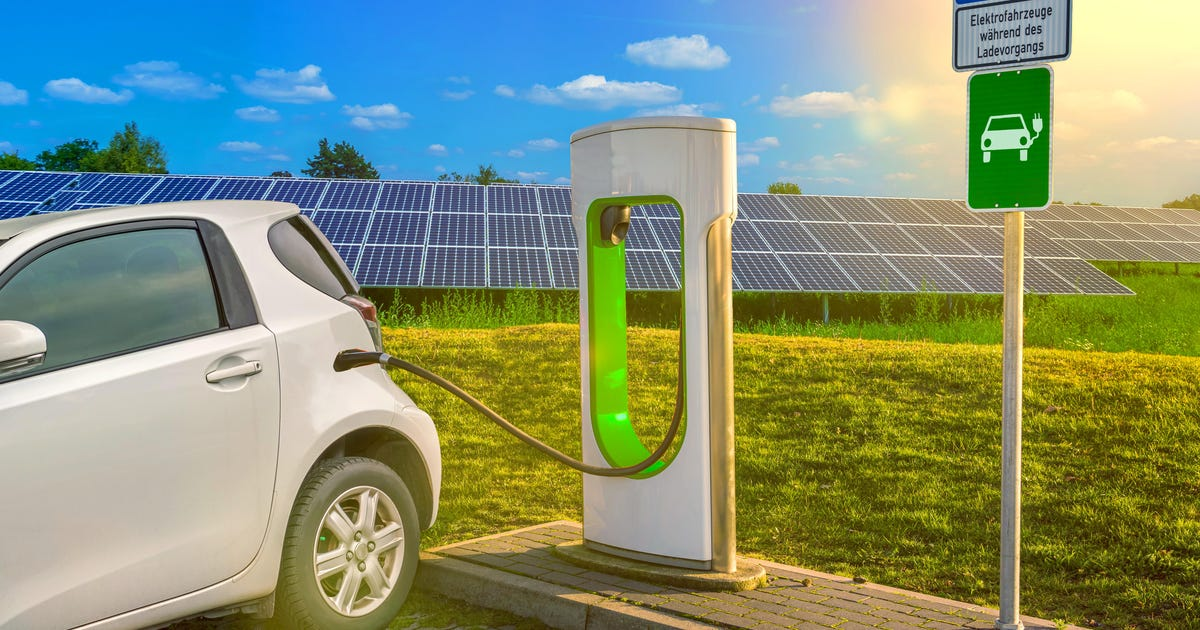
Electric vehicles are transforming transport and adding to electricity demand. As more drivers move away from petrol and diesel, countries need reliable charging infrastructure and cleaner power generation.
The link between EVs and renewables matters. Charging a car with solar or wind electricity can reduce dependence on fossil fuels. Solar-powered charging stations are one interesting development, with some using rooftop panels to generate power and batteries to store the extra. Shopping centres, office buildings and housing communities are adding charging points as well.
Growing EV use does put pressure on the grid, however. Smart charging systems can help by encouraging vehicles to charge when demand is lower or renewable power is readily available.
6. Smart Grids Are Improving Electricity Management
Traditional networks were designed to carry power from large stations to consumers. Renewable energy has changed that, because electricity now comes from many sources, including rooftop panels, wind farms and battery installations.
Smart grids use digital technology, sensors and automated systems to monitor supply and demand. A provider can use them to spot areas with higher demand and manage distribution more effectively, or to encourage EV owners to charge when renewable power is available. Artificial intelligence adds another layer, helping forecast demand, monitor equipment and flag possible technical problems.
These developments matter because making clean electricity is not enough. Countries also need modern networks that can deliver it reliably.
7. Renewable Energy Investment Is Spreading Worldwide
Investment is expanding beyond developed economies. Countries in Asia, Africa and the Middle East are also exploring solar, wind and other clean technologies.
China remains a major contributor to global renewable growth, while India is becoming an important growth market. Governments invest in clean electricity to improve energy security, reduce pollution and plan for long-term needs. These projects can also support jobs, since panel manufacturing, turbine installation, maintenance and electrical engineering all create opportunities for skilled workers.
Investment levels still differ from country to country. Developing economies often face problems with financing, technology access and electricity infrastructure, so affordable funding and international cooperation will be important for making clean energy more accessible.
8. India Is Becoming a Major Renewable Energy Market
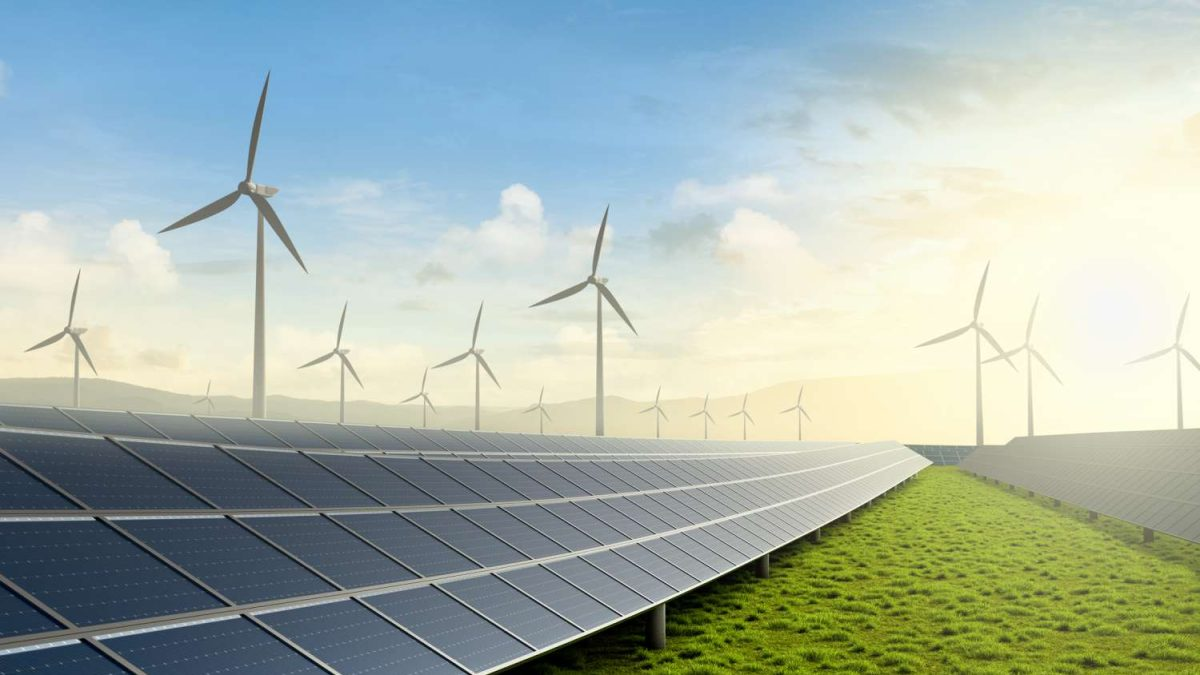
India is playing a bigger role in the global transition. Growing electricity demand, favourable sunlight and investment in renewable infrastructure are creating opportunities across the country.
Solar matters most, since many regions get strong sunlight all year. Large solar parks, rooftop installations and agricultural solar projects are all expanding generation. Wind also adds to India’s clean power capacity, especially in states with suitable conditions. Rooftop adoption is another important development, because households can generate their own electricity and potentially lower their monthly bills, with government programmes encouraging residential installations.
India is also investing in battery storage, green hydrogen and domestic solar manufacturing, which could strengthen its energy security and create new business opportunities. Land availability, project financing, transmission capacity and infrastructure remain real challenges.
9. Renewable Energy Is Becoming More Affordable
Cost is one of the biggest factors behind renewable adoption. Solar and wind have become economically attractive in many places thanks to better technology and lower equipment prices.
For homeowners, rooftop solar needs an upfront investment, but long-term savings on electricity bills can make it worthwhile, depending on local prices, sunlight and installation costs. Businesses are also exploring renewable electricity agreements to manage energy costs and reduce their exposure to changing fossil fuel prices.
There is, however, a difference between generating cheap electricity and delivering it to consumers. Battery storage, grid improvements, maintenance and backup systems can all raise the total cost. That is why renewable projects need careful financial planning instead of focusing only on the price of panels or turbines.
10. Major Challenges Facing the Renewable Energy Industry
Despite growing investment, the industry still faces several practical difficulties.
Grid limitations. Some regions lack enough transmission infrastructure to connect new solar and wind projects.
Storage costs. Large battery installations need investment, suitable materials and regular maintenance.
Land availability. Big projects need suitable locations and must consider local communities and wildlife.
Supply chain problems. Panels, batteries and turbines depend on materials and factories that may be concentrated in particular countries.
Policy uncertainty. Changes in government rules, financing conditions and energy policies can affect long-term projects.
Solving these problems will be necessary to make renewable energy more reliable and accessible.
11. What Does the Future of Renewable Energy Look Like?
The future will involve connected systems that bring together generation, storage and distribution. Hybrid projects that combine solar panels, wind turbines and batteries are gaining attention because they offer a more flexible supply by using different sources.
Floating solar farms are another interesting development. They place panels on suitable bodies of water, which may help in regions where land is limited. Artificial intelligence will also have a growing role in energy management, from predicting weather to estimating demand and monitoring equipment.
According to the IEA, renewables are expected to supply around 43% of global electricity by 2031, compared with 33% in 2025. That suggests clean energy will become an even bigger part of electricity production in the coming years.
Conclusion
Renewable energy trends are changing the global energy industry in ways that affect households, businesses and governments. Solar and wind are expanding, battery storage is improving electricity management, electric vehicles are raising demand for clean power and green hydrogen is creating new possibilities for industry. China and India are helping drive this transition, while emerging markets are attracting fresh investment.
Challenges remain in infrastructure, storage costs, financing and supply chains. Continued technological progress and long-term investment can help solve many of them.
Renewable energy is no longer just an environmental consideration. It is becoming an important part of economic development, energy security and future electricity planning. The next few years will be crucial in showing how quickly the world can move towards cleaner, more affordable and reliable energy.
Solar power, wind energy, battery storage and green hydrogen are major renewable energy trends.
It helps reduce pollution, lower carbon emissions and decrease dependence on fossil fuels.
China is a global leader in renewable energy capacity, particularly solar and wind power.
Renewable energy is expected to grow as technology improves and clean energy investments increase.
Yes, renewable energy can reduce long-term electricity costs, depending on installation and maintenance expenses.
Sources and notes
Links the author listed for this post.
This article is based on information from renewable energy industry reports, global energy research, government publications and clean energy developments.
- 1


Discussion
0 comments
No comments yet
Discussion will appear here once it loads.