Inflation continues to be one of the most important economic issues in the United States in 2026. From grocery bills and housing expenses to transportation, healthcare, and everyday services, changing prices influence how Americans manage their money. Even when inflation slows, households may still feel financial pressure because the cost of living does not automatically return to previous levels.
The US economy is experiencing an important balancing act. Policymakers want to control rising prices without slowing economic growth too much. Meanwhile, consumers are watching their purchasing power, businesses are managing operating expenses, and investors are looking for signals that could influence financial markets.
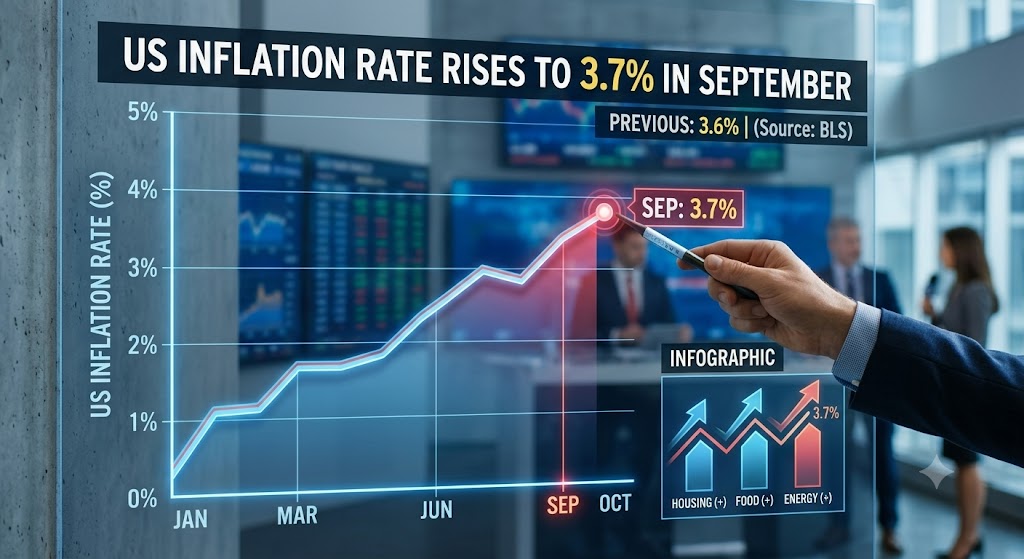
The latest available Consumer Price Index (CPI) report, covering October 2026, shows that consumer prices increased by 0.4% during the month, following a 0.6% increase in September. Core CPI, which excludes food and energy, increased by 0.3% in October. These figures highlight why inflation remains an important topic for households, businesses, and policymakers.
Let's explore the major inflation trends, their causes, their impact on the American economy, and what consumers and investors should monitor during the remainder of 2026.
1. Understanding US Inflation in 2026
Inflation refers to the general increase in the prices of goods and services over time. When inflation rises, consumers need more money to purchase the same products and services they previously bought at lower prices.
For example, if a household spends $200 on groceries and the prices of those items increase, the same shopping basket may cost more during the following months.
Inflation is commonly measured through the Consumer Price Index, published by the US Bureau of Labor Statistics (BLS).
What Is the Consumer Price Index?
The CPI tracks changes in the prices consumers pay for a wide range of everyday goods and services.
It includes categories such as:
Food and beverages
Housing and rent
Transportation
Medical care
Education
Recreation
Clothing and apparel
Energy and utilities
The CPI helps economists understand whether consumer prices are increasing or decreasing and how quickly household purchasing power is changing.
Latest US CPI Report: October 2026
The October report, released on November 10, 2026, provides an important snapshot of recent price movements.
Economic indicator | October 2026 change |
Overall CPI, monthly | +0.4% |
CPI in September | +0.6% |
Core CPI, monthly | +0.3% |
Food prices, monthly | +0.5% |
Energy prices, monthly | +0.7% |
Shelter prices, monthly | +0.3% |
Source: US Bureau of Labor Statistics, October 2026 CPI report. Monthly figures are seasonally adjusted unless otherwise stated.
2026 M10 Results+1
Important data note: The BLS could not publish October 2026 year-over-year CPI changes for affected indexes because October 2025 survey data were unavailable following a lapse in appropriations. Therefore, the monthly figures above should not be presented as annual inflation rates.
2026 M10 Results
2. Major Factors Driving US Inflation in 2026
Inflation does not happen because of one single reason. Several economic factors can influence the prices consumers pay. In 2026, food costs, housing expenses, energy prices, business operating costs, and consumer demand remain important areas to watch.
A. Rising Food and Grocery Expenses
Food is an essential household expense, making grocery inflation particularly noticeable. Even relatively small price increases can affect families that purchase groceries regularly.
According to the October 2026 CPI report, the food index increased by 0.5% during the month. Food purchased at home increased by 0.4%, while food away from home increased by 0.5%.
2026 M10 Results
Some factors that can influence food prices include:
Transportation and distribution expenses.
Higher agricultural production costs.
Weather conditions affecting crop production.
Packaging and labour expenses.
Changes in consumer demand.
When food prices rise, households may switch brands, purchase products on sale, or reduce spending on non-essential items.
B. Housing and Rental Costs
Housing is another major contributor to household expenses. Rent, home maintenance, insurance, utilities, and other housing-related costs can influence how much money families have available for other purchases.
In October 2026, the shelter index increased by 0.3%. It accounted for more than 30% of the monthly increase in the overall CPI.
2026 M10 Results
Higher housing expenses can create financial challenges for renters and homeowners alike.
Why housing inflation matters:
Rent increases can reduce disposable income.
Higher homeownership costs can affect household budgets.
Expensive housing can make relocation difficult.
Housing expenses can influence wage and salary expectations.
C. Energy and Fuel Price Changes
Energy prices have a direct and indirect impact on the economy. Gasoline, electricity, natural gas, and transportation fuel influence both personal budgets and business operating expenses.
The energy index increased by 0.7% in October 2026, following a much larger 5.2% increase in September.
2026 M10 Results
When fuel becomes more expensive, delivery companies, manufacturers, airlines, and transportation providers may experience higher costs.
These expenses can eventually influence the prices of products and services.
D. Business Operating Expenses
Businesses also experience inflation through higher wages, raw material prices, transportation costs, rent, and utility expenses.
When operating expenses increase, companies have several choices. They can absorb the additional costs, improve efficiency, reduce other expenses, or increase product prices.
Smaller businesses may find it particularly challenging to manage rising expenses because they often have fewer financial resources than larger companies.
3. Headline Inflation vs Core Inflation
Understanding the difference between headline inflation and core inflation is important when analysing the US economy.
Feature | Headline CPI | Core CPI |
Meaning | Measures overall consumer prices | Excludes food and energy |
Food included | Yes | No |
Energy included | Yes | No |
Main purpose | Tracks overall price movements | Helps assess underlying price trends |
Main users | Consumers and policymakers | Economists and policymakers |
Why Is Core Inflation Important?
Food and energy prices can change quickly because of weather, global supply conditions, geopolitical developments, and seasonal demand.
Core CPI removes these two categories to provide another way to examine price movements.
In October 2026, core CPI increased by 0.3% for the month, matching its monthly increase in August and September. This consistency is worth monitoring, although three months of data alone cannot establish a long-term inflation trend.
2026 M10 Results
4. How US Inflation Affects American Households
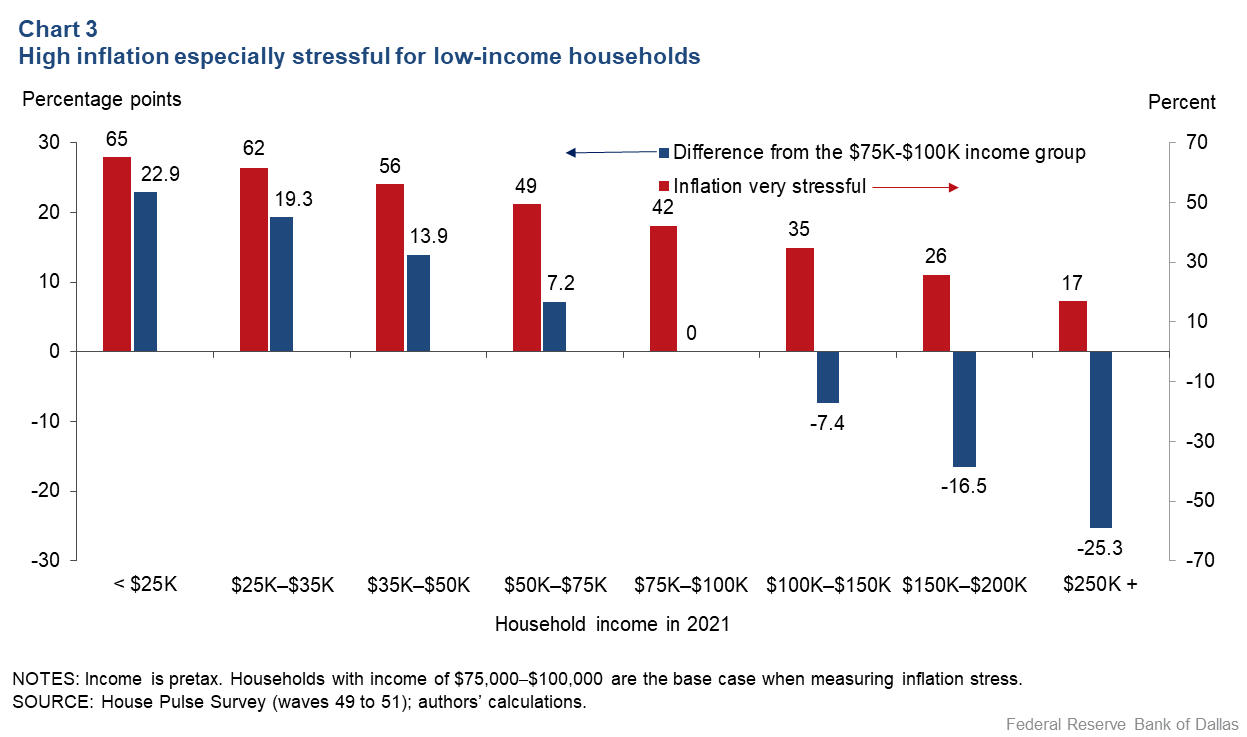
Inflation has a direct connection with everyday financial decisions. When prices rise faster than household income, consumers may find it harder to maintain their previous lifestyle.
Reduced Purchasing Power
Purchasing power refers to how much consumers can buy with their available money.
If salaries remain unchanged while everyday expenses increase, households may have to spend more carefully.
For example, a family that previously allocated $500 per month to groceries may need to adjust its shopping habits if the same basket becomes more expensive.
Changes in Saving Habits
Higher living expenses can make it difficult for households to save money regularly.
Consumers may prioritise rent, groceries, transportation, insurance, and utility payments before putting money into savings accounts or investments.
Increased Borrowing Costs
Inflation can influence monetary policy decisions. If price pressures remain persistent, the Federal Reserve may maintain restrictive interest rates or consider further tightening.
Higher borrowing costs can affect:
Credit card balances.
Personal loans.
Auto financing.
Business loans.
Variable-rate mortgages and other credit products.
However, the relationship between inflation and borrowing costs is not automatic. Actual loan rates also depend on credit profiles, financial markets, lender policies, and loan terms.
5. The Federal Reserve's Role in Controlling Inflation
The Federal Reserve, commonly called the Fed, is the central bank of the United States. One of its main responsibilities is promoting price stability alongside maximum sustainable employment.
Its monetary policy decisions can influence inflation through interest rates and broader
How Interest Rates Influence Inflation
When inflation remains high, the Federal Reserve can use higher interest rates to make borrowing more expensive.
This may reduce demand for credit, encourage saving, and slow certain types of consumer and business spending.
When inflation becomes more manageable and economic conditions support it, the Fed may consider reducing interest rates.
However, policymakers must carefully balance inflation control with employment and economic growth.
Why Investors Follow Federal Reserve Decisions
Investors closely monitor Federal Reserve announcements because monetary policy can influence several financial markets.
Market | Potential impact of interest rate changes |
Stock market | Can influence company valuations and borrowing costs |
Bond market | Can affect bond prices and yields |
US dollar | Can influence currency demand |
Real estate | Can affect mortgage affordability |
Gold | Can influence investment demand |
Cryptocurrency | Can affect risk appetite and liquidity |
These relationships are not guaranteed. Other economic developments, market expectations, and investor sentiment also influence asset prices.
6. Impact of US Inflation on Businesses and Financial Markets
Inflation affects more than household spending. It can also influence business strategies, investment decisions, and financial market performance.
Impact on Small and Large Businesses
Companies must regularly review their budgets when the prices of supplies, equipment, transportation, and labour change.
Large businesses may have more opportunities to negotiate supplier contracts or adjust operations. Smaller businesses may have fewer options.
Companies that manage costs effectively may be better positioned to maintain profitability during periods of price pressure.
Impact on the Stock Market
Stock market investors often evaluate inflation because it can influence company earnings and interest rate expectations.
For example, businesses with high borrowing requirements may experience additional financial pressure when interest rates remain elevated.
Meanwhile, some companies may have stronger pricing power and be better able to pass higher operating costs to customers.
Investors should examine company fundamentals rather than assuming that inflation automatically benefits or harms every stock.
Impact on the US Dollar
Inflation can also influence the value of the US dollar.
If investors expect higher US interest rates relative to other economies, demand for dollar-denominated assets may increase. However, currency movements also depend on international trade, economic growth, central bank decisions, and global investor sentiment.
7. US Inflation Outlook for the Rest of 2026
The inflation outlook depends on several factors, including consumer demand, housing expenses, energy prices, wage growth, supply conditions, and Federal Reserve policy.
The October CPI report shows that monthly price growth slowed from September, but food, energy, shelter, and core prices continued to increase.
This means that inflation remains an important economic indicator to monitor rather than an issue that can be considered resolved.
Important Economic Indicators to Watch
Indicator | Why it matters |
Monthly CPI | Tracks changes in consumer prices |
Core CPI | Helps monitor underlying inflation |
PCE Price Index | Important inflation measure used by the Fed |
Employment data | Provides information about labour market conditions |
Wage growth | Helps assess household income pressures |
Retail sales | Shows consumer spending activity |
GDP growth | Measures overall economic performance |
The next US CPI report, covering November 2026, is scheduled for December 10, 2026, at 8:30 a.m. Eastern Time.
2026 M10 Results
Three Possible Inflation Scenarios
1. Inflation Gradually Cools
If housing costs, food prices, and other major expenses become more stable, monthly inflation could moderate. This may give policymakers more flexibility when making future interest rate decisions.
2. Inflation Remains Persistent
If service costs, wages, energy, and housing expenses continue increasing, inflation may remain a challenge for households and businesses.
3. Inflation Accelerates Again
Unexpected energy price increases, supply disruptions, or stronger-than-expected demand could create renewed price pressure.
These are possible scenarios, not confirmed forecasts. Actual inflation will depend on incoming economic data.
8. Smart Financial Strategies to Manage Inflation
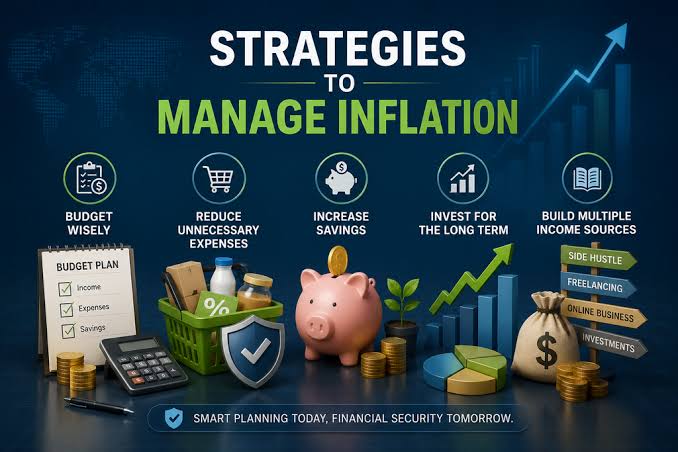
Although consumers cannot control the overall inflation rate, they can make practical financial decisions to manage its effects.
Here are some useful strategies:
1. Create a Monthly Budget
Track essential expenses such as rent, groceries, transportation, utilities, and loan payments. Reviewing spending regularly can help identify areas where money can be saved.
2. Build an Emergency Fund
An emergency fund can provide financial support during unexpected situations, such as medical expenses, job loss, or sudden household repairs.
3. Reduce High-Interest Debt
Credit card balances and other expensive debt can become more difficult to manage when household expenses increase. Prioritising high-interest debt may help reduce long-term financial pressure.
4. Compare Prices Before Purchasing
Consumers can compare prices, check discounts, purchase essential items in bulk when practical, and avoid unnecessary spending.
5. Diversify Investments
Investors should consider their financial goals, risk tolerance, and investment time horizon. A diversified portfolio may help manage exposure to different economic conditions.
6. Follow Economic Updates
Regularly monitoring CPI reports, employment figures, Federal Reserve announcements, and other economic indicators can help consumers and investors make informed decisions.
9. What US Inflation Means for the Economy
Inflation is not necessarily negative in every situation. A moderate and predictable level of inflation can accompany a growing economy, encourage business activity, and support stable economic planning.
However, rapid or persistent inflation can reduce purchasing power, create uncertainty, and make financial planning more difficult.
For the United States, the main challenge in 2026 is maintaining a balance between price stability, employment, consumer confidence, and sustainable economic growth.
Consumers should pay attention to their personal expenses, businesses should monitor operating costs, and investors should avoid making financial decisions based on a single inflation report.
FAQ'S
US inflation measures the rate at which consumer prices change over time. The October 2026 CPI report recorded a 0.4% monthly increase in overall consumer prices.
The latest available report as of November 20, 2026, covers October 2026. It was released by the Bureau of Labor Statistics on November 10, 2026.
Prices can increase because of higher production costs, housing expenses, energy prices, labour costs, supply disruptions, and strong consumer demand.
Inflation can influence Federal Reserve interest rate expectations, which may affect demand for the US dollar. However, currency values also depend on global economic conditions.
Sources and notes
Links the author listed for this post.
This article uses publicly available economic information and official data from: 1. US Bureau of Labor Statistics – October 2026 Consumer Price Index 2. BLS – Consumer Price Index October 2026 PDF Report 3. Congressional Budget Office – The Budget and Economic Outlook: 2026 to 2036
More on AltFTool
- AltFTool (opens in a new tab)
altftool.com


Discussion
0 comments
No comments yet
Discussion will appear here once it loads.