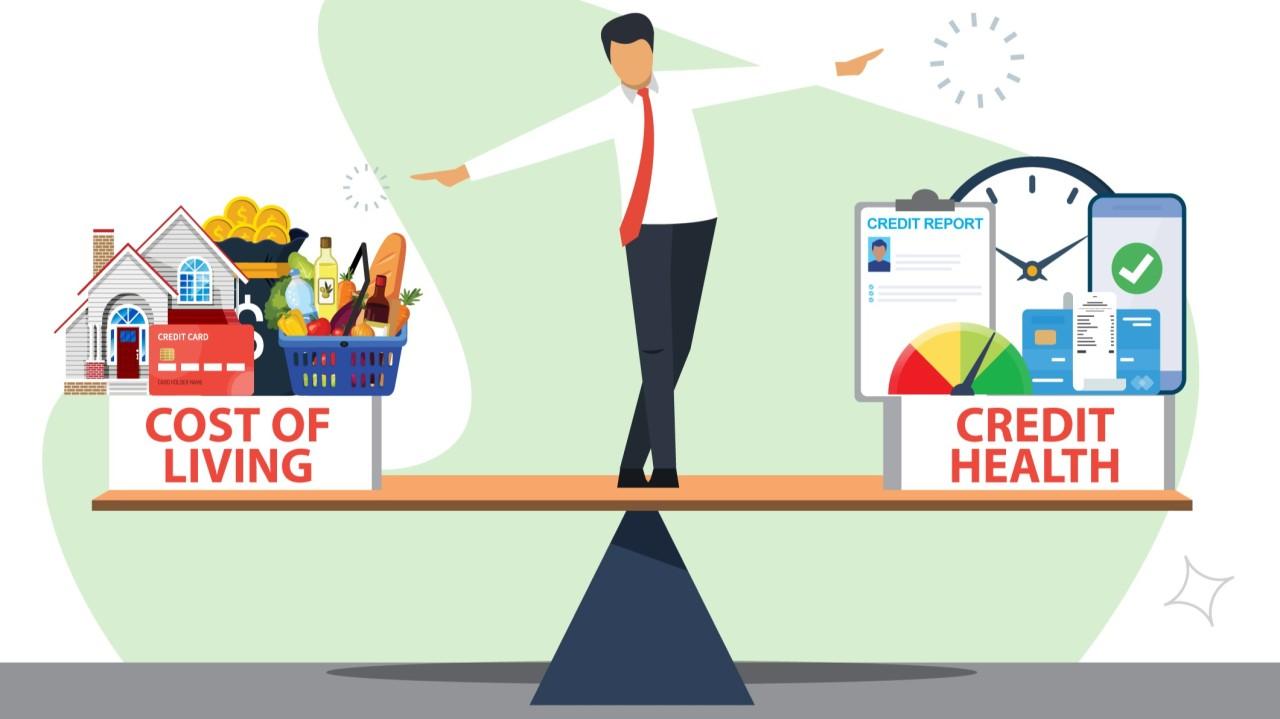
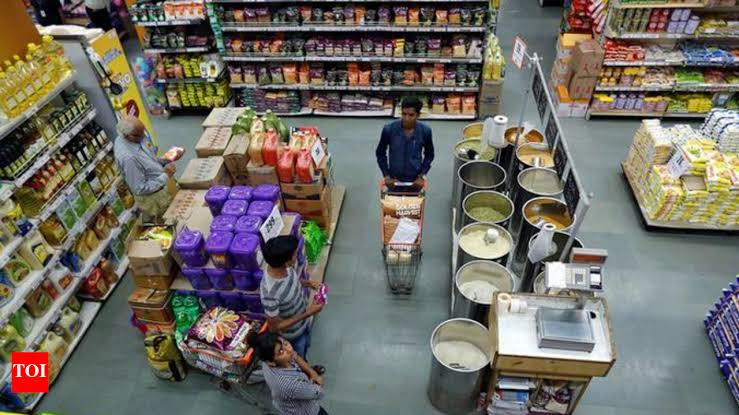
A few months ago, I stood in the middle of my local supermarket aisle staring at a bottle of cooking oil and a bag of rice, doing mental math on my phone calculator. Nothing in my shopping basket was fancy—just the usual weekly staples I have bought for years. Yet when I reached the billing counter, the total was nearly twenty percent higher than what I used to pay just a couple of summers ago.
If you have had a similar moment lately, you are definitely not alone. Whether you are paying rent in a crowded city, refilling your bike or car at the petrol pump, or opening an electricity bill after a hot month, everyday life in 2026 feels noticeably heavier on the wallet. Even when you have a steady job and a decent monthly income, making that money stretch cleanly from payday to the end of the month takes way more effort than it used to.
The frustrating part is not just that prices are going up—it is that our paychecks rarely grow at the same speed. Everywhere I look, friends, neighbors, and coworkers are quietly changing how they spend. People are skipping weekend restaurant outings, sharing OTT subscriptions, comparing prices across three different apps before ordering groceries, and thinking twice before upgrading their phones.
What makes the cost of living so tricky is how much it changes depending on where you call home. A salary that lets you live comfortably, eat well, and save money in a smaller town can leave you barely scraping by in a major metro city. When you strip away all the big economic terms you hear on the news, real household budgeting comes down to four relentless bills: shelter, food, power, and getting to work. Because you cannot skip any of those four, even small price hikes add up fast.
Here is an honest, practical look at why everyday life costs so much right now, how living expenses compare across different parts of the world, and the personal habits that have actually helped me keep my own budget from falling apart.
What "Cost of Living" Really Means in Everyday Life
In simple terms, the cost of living is the bare minimum amount of money you need to cover your basic daily survival and live with a reasonable amount of comfort in a specific place. It covers your non-negotiables: rent or home loan EMIs, groceries, electricity, water, internet, commuting, school fees, and doctor visits.
I always explain it to younger cousins starting their first jobs like this: imagine your monthly fixed bills add up to ₹30,000 today. If rent, milk, vegetables, and bus fares rise by 10 percent over the next year, you suddenly need ₹33,000 just to buy the exact same life you already had. If your boss gives you a ₹1,500 raise, you might feel happy on paper—until you realize you are still ₹1,500 short every single month.
Knowing the true cost of living in a city before you accept a job offer or pack your bags is one of the smartest financial moves you can make. A bigger salary means very little if your rent and commute eat up all the extra cash.
Why Does Everything Still Feel So Expensive in 2026?
Whenever I sit down with friends to talk about money, someone inevitably asks, "Didn't the news say inflation is slowing down? Why are groceries still so costly?" That confusion trips up almost everyone, and there are five big reasons behind it.
1. Slower Inflation Does Not Mean Lower Prices

Inflation simply measures how fast prices are climbing. When economists say inflation has cooled down, they mean prices are rising at a slower pace—not that they are dropping back down. Once a packet of milk, a haircut, or a plate of street food goes up in price, it almost never goes back to what it cost two years ago. Over time, that quietly shrinks what your money can buy.
2. Rent and Housing Take the Biggest Bite
For most households I know, keeping a roof over their heads eats up thirty to forty percent of their entire income. In big cities, millions of people move in chasing better jobs and colleges, while affordable apartment construction simply cannot keep up. Renting a modest two-bedroom flat in central Mumbai, London, or New York costs a fortune compared to living in a quieter tier-two city just a few hours away.
3. Unpredictable Grocery Bills
Food is where you feel price changes every single week. Fresh vegetables, fruits, pulses, dairy, and cooking oil depend heavily on good weather and smooth transport. One bad monsoon, a sudden heatwave, or higher diesel prices for delivery trucks immediately shows up on the price tag at your local market.
In my own kitchen, I noticed our monthly food bill dropped noticeably the moment we stopped buying out-of-season imported produce and started buying fresh, local vegetables directly from neighborhood vendors instead of ordering everything through instant delivery apps.
4. The Hidden Cost of Commuting
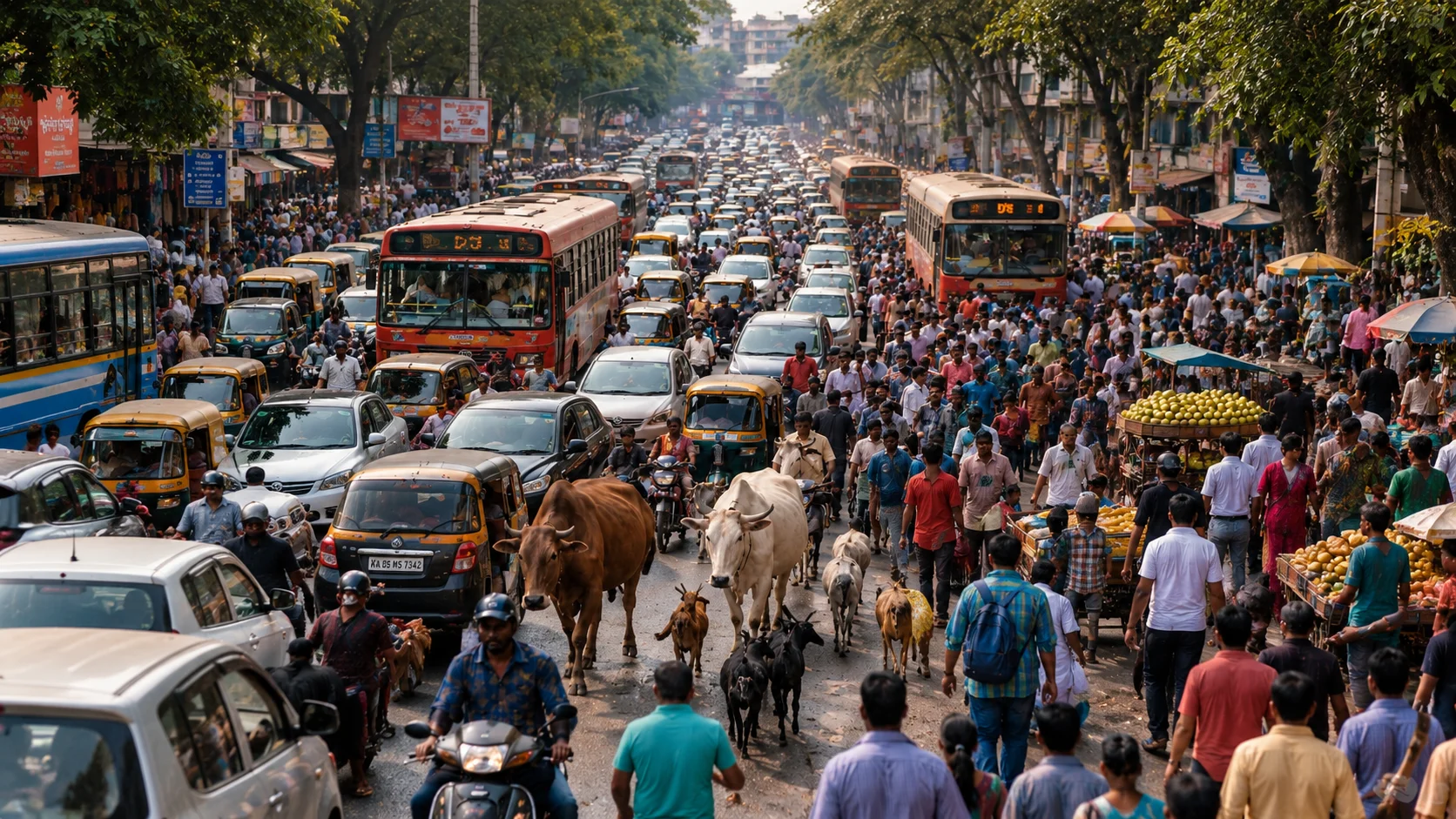
Whether you drive your own vehicle or take public transport, getting around takes a steady chunk out of your wallet. Petrol and diesel prices fluctuate constantly, and higher fuel costs eventually push up auto-rickshaw, bus, and cab fares too. Plus, owning a car or bike brings sneaky expenses people forget to budget for—insurance renewals, oil changes, tire replacements, and parking fees.
5. Healthcare and Schooling Cannot Be Delayed
You can postpone buying a new shirt or going to the movies, but you cannot put off a child's school fees or a trip to the dentist. Private hospital bills, diagnostic tests, daily medicines, and school tuition have climbed steadily across almost every country. If you have young kids or aging parents at home, planning ahead for these costs is non-negotiable.
How Living Costs Compare Around the World in 2026
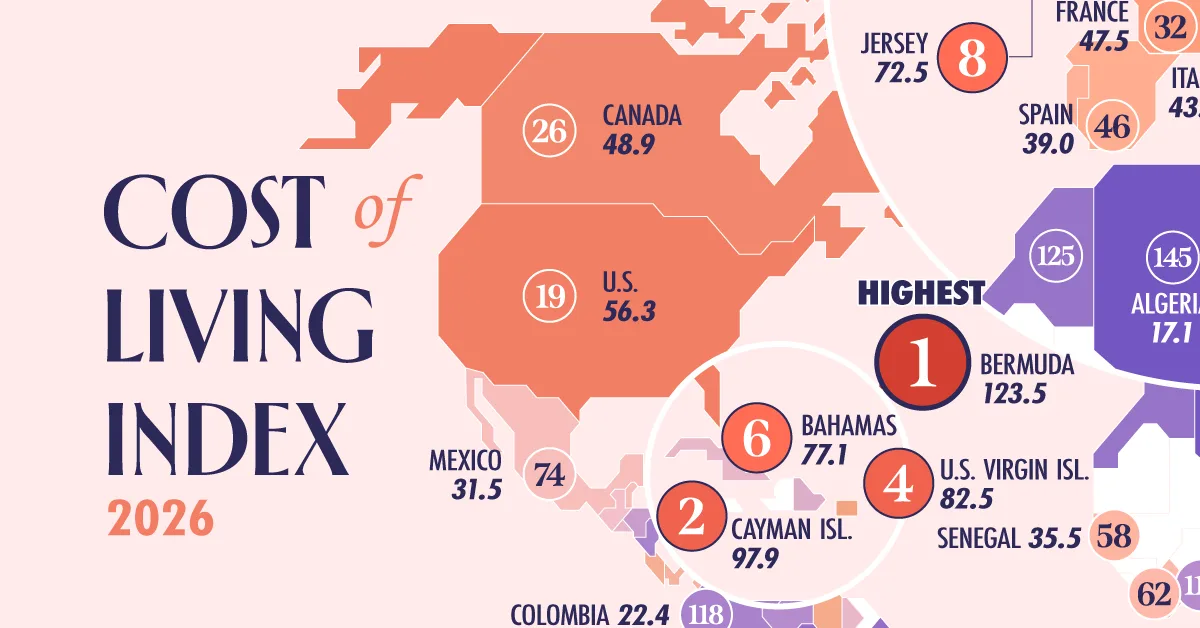
Having spoken with friends and colleagues working abroad, it is fascinating to see how different countries squeeze your wallet in completely different ways. One country might have cheap groceries but crushing rent, while another offers great public transit but steep taxes.
Country | Where Most of Your Money Goes | What Helps Balance It Out |
India | Metro city rents, private school fees, private hospitals, fuel | Affordable fresh produce, cheap mobile data, and low-cost local services. |
United States | Housing, health insurance deductibles, childcare, car ownership | High salaries in major industries, especially outside coastal cities. |
United Kingdom | Rent, winter heating and electricity, train fares, groceries | Free public healthcare (NHS) and budget supermarket chains. |
Canada | Real estate in big cities, groceries, car insurance, phone plans | Strong social safety nets and better affordability in smaller provinces. |
Australia | Rent, eating out at restaurants, childcare | High minimum wages that help cover everyday service costs. |
Germany | City apartments, energy bills, income taxes | Reliable public transit and strong legal protections for tenants. |
Japan | Compact city apartments, fresh fruit, electricity | Very affordable local dining and punctual, reasonably priced trains. |
Singapore | Private condos, owning a car, international schools | Low personal taxes, high safety, and cheap, delicious hawker center meals. |
A Quick Look at Regional Realities
India: Living in a bustling metro like Mumbai, Bengaluru, or Delhi feels worlds apart from living in a calmer tier-two city like Bhopal, Indore, or Jaipur. In tier-two cities, you still get great food, solid internet, and good schools without losing half your salary to a landlord or spending two hours stuck in traffic.
United States & Canada: You can earn a great living in North America, yet friends in Toronto, New York, and California constantly tell me how hard it is to save for a house down payment once rent, groceries, and insurance are paid.
United Kingdom & Europe: Across London, Munich, and Berlin, finding a reasonably priced flat is a competitive sport. Most locals rely heavily on trains and buses rather than owning cars, and keeping winter heating bills under control has become a major household priority.
Japan & Singapore: Both countries show how smart urban planning helps daily budgets. You rarely need a private car in Tokyo or Singapore, and grabbing a hot meal outside is often cheaper than buying ingredients to cook at home—though you do have to get comfortable living in smaller apartments.
Why Rising Prices Hit Every Household Differently
A jump in living costs does not land equally on everyone's shoulders:
Young Professionals: If you are single and early in your career, you have the most flexibility. Many young workers I know split three-bedroom flats with roommates, cook simple meals on weekdays, and use metro trains to keep their savings rate alive.
Families With Kids: Once children enter the picture, your budget loses its wiggle room. School fees, uniforms, doctor visits, and nutritious food come first, leaving parents with much less margin for unexpected emergencies.
College Students: Living on pocket money or a part-time stipend teaches you financial discipline fast. Shared rooms, student bus passes, second-hand books, and home-cooked meals are what keep students afloat.
Retired Seniors: Living on a fixed pension or life savings is tough when prices keep rising. Without a monthly salary that adjusts upward, older adults feel every price hike in medicines, groceries, and electricity bills much more sharply.
A Realistic Monthly Household Budget (From Real Life)
When I first started tracking my own expenses properly a few years back, I realized I was leaking thousands of rupees every month on small, forgettable purchases—a ₹200 coffee here, a ₹350 food delivery fee there. Laying everything out in a simple table changed how I looked at my paycheck.
Here is a realistic monthly breakdown for a small family living comfortably in a mid-sized Indian city:
Monthly Expense | Estimated Amount (INR) | Percentage of Budget |
House Rent | ₹12,000 | 34.3% |
Groceries & Daily Kitchen Needs | ₹7,000 | 20.0% |
Petrol, Commute & Vehicle Upkeep | ₹3,000 | 8.6% |
Children's School & Books | ₹3,000 | 8.6% |
Electricity, Water & Cooking Gas | ₹2,000 | 5.7% |
Clothes & Personal Care | ₹2,000 | 5.7% |
Emergency Savings (Untouched) | ₹2,000 | 5.7% |
Medicines & Doctor Visits | ₹1,500 | 4.3% |
Eating Out & Weekend Fun | ₹1,500 | 4.3% |
Wi-Fi & Mobile Recharges | ₹1,000 | 2.8% |
Total Monthly Spending | ₹35,000 | 100% |
(Keep in mind that if you live in South Mumbai or Central Bengaluru, rent alone could easily be ₹30,000 or more, so you have to scale these numbers to your own city.)
What jumped out at me when I first did this math was simple: rent and food alone swallow more than half of the entire paycheck. If you want to save serious money, cutting out a ₹150 cup of tea helps a little, but keeping your rent reasonable and avoiding food waste makes a massive difference.
7 Practical Habits That Actually Saved Me Money

You do not need extreme lifestyle cuts that make you miserable. The habits that stick are the simple, realistic ones you can keep doing month after month:
Write Down Every Expense for Just 30 Days: Do not even try to restrict yourself during month one—just record every single rupee you spend in a notes app or notebook. Seeing the raw numbers at the end of the month will naturally cure half of your impulse spending.
Never Go Grocery Shopping Hungry (or Without a List): Whenever I walk into a supermarket hungry without a list, I walk out with biscuits, chips, and sauces I never planned to buy. Making a quick list based on what is already in the fridge saves both money and wasted food.
Cancel "Zombie" Subscriptions: Check your bank statement for apps, gym memberships, or streaming services charging you automatically every month. If you have not used it in the last three weeks, cancel it today. You can always resubscribe later if you actually miss it.
Be Smart With Air Conditioning and Appliances: In peak summer, setting the AC to 25°C with a ceiling fan running feels just as comfortable as 19°C, and it cuts your electricity bill dramatically. Switching off plugs at the wall instead of leaving TVs and microwaves on standby also trims steady power drain.
Use Public Transit Whenever It Makes Sense: Taking the metro or city bus even three days a week instead of driving saves a surprising amount on petrol, parking, and stress in traffic.
Pay Your Savings Account First: If you wait until the end of the month to save "whatever is left over," there will usually be nothing left. Move a fixed amount into a separate savings account the very morning your salary arrives, and learn to live on the rest.
Wait Three Days Before Any Big Purchase: Whenever I spot a new gadget, pair of shoes, or kitchen appliance I want, I force myself to wait 72 hours before clicking "buy." Eight times out of ten, the urge passes completely, and the money stays safely in my bank account.
Simple Tools That Make Budgeting Painless

You do not need fancy financial software to stay on top of your bills. A few easy tools do the job well:
A Simple Google Sheet or Excel File: My personal favorite. It takes ten minutes to set up columns for your income, fixed bills, and daily spending, and you never have to worry about privacy or app fees.
Goodbudget: Great if you share expenses with a spouse or family member. It splits your money into digital "envelopes" for groceries, rent, and fun so both of you know exactly how much is left in each category.
YNAB (You Need A Budget): Ideal if you live paycheck to paycheck and want every single rupee assigned a clear job the moment it hits your account.
Your Own Bank's Spending Tracker: Most banking and payment apps now group your transactions into neat categories automatically, giving you a quick reality check at the end of every week.
What Comes Next: Will Life Get Cheaper Soon?
If I am being completely honest, I do not think prices for groceries, rent, or electricity are ever going back to what they were five or six years ago. Economies rarely work in reverse like that. While governments and central banks try to keep price increases steady, global weather, fuel markets, and housing shortages mean everyday expenses will keep shifting.
The best peace of mind comes from focusing on what sits inside your own control. Keep learning new skills so you can negotiate stronger pay, avoid high-interest credit card debt, keep your fixed monthly bills as light as possible, and build a small emergency cushion that lets you sleep peacefully at night—no matter what happens to prices tomorrow.
Sources and notes
Links the author listed for this post.
Information is based on reports and economic data from the World Bank, IMF, OECD, national statistics agencies, and other trusted financial sources. The article also includes practical household budgeting examples and everyday experiences.
More on AltFTool
- AltFTool (opens in a new tab)
altftool.com


Discussion
0 comments