The retail industry is experiencing another major transformation in 2026. Across the United States and other global markets, several well-known retailers are reviewing their store networks, shutting down underperforming locations, reducing their physical presence, and shifting more attention towards online shopping.
From department stores and fashion brands to supermarket chains and specialty retailers, store closures have become an important business trend. However, these decisions do not always mean that a company is going out of business. In many cases, retailers are adapting to changing customer behaviour, rising operating expenses, growing competition, and the increasing popularity of e-commerce.
For shoppers, these closures can mean fewer nearby shopping options, clearance sales, changing store locations, and more online purchasing opportunities. For businesses, they represent a difficult but sometimes necessary strategy to remain competitive.
So, why are major retailers closing stores in 2026? Let's explore the biggest reasons, industry developments, and what these changes mean for customers and the future of retail.
Retail store closures are not happening at the same pace across every business category. Some retailers are struggling with declining sales and financial pressure, while others are deliberately reducing their physical locations to build a more efficient business.
According to Coresight Research data reported in September 2026, US retailers recorded 3,321 store closures during the first half of 2026, compared with 5,941 during the same period in 2025. Store openings also slowed, reaching 3,215 in the first half of 2026. This shows that retailers are becoming more cautious about expansion.
Key Retail Industry Statistics
Retail indicator | 2026 figures |
US store closures in H1 2026 | 3,321 |
US store openings in H1 2026 | 3,215 |
Closures in H1 2025 | 5,941 |
Year-over-year decline in closures | 44.1% |
Net store loss in H1 2026 | 106 |
Source: Coresight Research figures reported by Retail TouchPoints and EMARKETER.
Retail TouchPoints+1
These numbers reveal an important point: the retail industry is not simply disappearing. Instead, companies are reviewing their business models and deciding which locations deserve continued investment.
2. Why Are Major Retailers Closing Stores in 2026?
Several economic and business factors are contributing to store closures. While every retailer has its own challenges, some common reasons are influencing the industry.
1. Growing Popularity of Online Shopping
Online shopping has changed how customers discover, compare, and purchase products. Consumers can now order clothing, electronics, groceries, furniture, and everyday essentials without travelling to a physical store.
E-commerce platforms also offer product reviews, convenient payment options, home delivery, and easy price comparisons.
As a result, some traditional retailers are finding it difficult to maintain large physical store networks.
For example, retailers with strong online operations may choose to close locations that generate limited revenue and redirect investment towards digital platforms.
Why it matters:
Customers prefer convenient shopping experiences.
Online platforms provide wider product selections.
Digital promotions attract price-conscious buyers.
Retailers can reach customers beyond individual store locations.
2. Rising Operating and Rental Costs
Running a physical retail store requires considerable investment. Businesses must pay rent, electricity bills, employee salaries, insurance, maintenance, security, and inventory expenses.
When these costs increase faster than store revenue, maintaining certain locations becomes financially difficult.
Retailers operating in expensive shopping centres or busy commercial areas may experience particularly high rental pressure.
Closing an underperforming location can help companies reduce unnecessary expenses and redirect money towards profitable stores.
3. Changing Customer Shopping Habits
Customer expectations are constantly evolving. Modern shoppers often look for convenience, competitive pricing, fast service, and personalised shopping experiences.
Traditional retail formats do not always meet these expectations.
For instance, customers may prefer ordering household essentials online rather than visiting several stores. Fashion shoppers may also compare prices across multiple websites before making a purchase.
Retailers that fail to adapt their products, services, and shopping experiences risk losing customers to competitors.
4. Inflation and Pressure on Household Budgets
Higher living expenses can influence how frequently consumers shop and how much they spend.
When households allocate more money towards rent, groceries, transportation, healthcare, and other necessities, they may reduce spending on non-essential products.
Fashion, accessories, home decor, and premium lifestyle products can be affected when customers become more cautious about discretionary purchases.
This creates pressure on retailers that depend on frequent purchases and higher-value transactions.
5. Bankruptcy and Financial Restructuring
Some store closures are directly connected to serious financial difficulties.
Retailers experiencing heavy debt, declining sales, unsuccessful expansion, or cash-flow problems may seek bankruptcy protection or restructuring arrangements.
In such situations, companies may close hundreds of stores, sell business assets, or liquidate their operations.
However, bankruptcy does not always mean every store will disappear. Some businesses restructure and continue operating selected locations.
6. Increased Competition in the Retail Market
Retail competition has become more intense. Traditional department stores now compete with e-commerce marketplaces, discount retailers, direct-to-consumer brands, and specialist online businesses.
Customers can compare prices quickly, making it harder for retailers to maintain customer loyalty through products alone.
Companies that cannot offer competitive pricing, product availability, or customer service may struggle to maintain their market position.
7. Tariffs and Supply Chain Challenges
International supply chains play an important role in modern retail. Many businesses depend on imported products, raw materials, packaging, and manufacturing components.
Tariff changes and higher sourcing expenses can increase the cost of bringing products to market.
Retailers may face difficult decisions: increase prices, accept lower profit margins, reduce inventory, or close less profitable stores.
Industry analysts have identified tariff pressure and cautious consumer spending as important factors influencing retailers' expansion decisions in 2026.
3. Which Major Retailers Are Closing Stores in 2026?
Several well-known retailers have announced store reductions, closures, or restructuring plans during 2026. The scale and reasons differ from one company to another.
Here are some notable examples:
Retailer | Reported closure plans |
7-Eleven | Up to 601 locations expected to close by year-end |
GameStop | 470 confirmed closures reported at midyear |
Francesca's | Around 457 locations expected to close |
Eddie Bauer | 217 confirmed closures reported |
Walgreens | Earlier projections were revised to fewer than 100 closures, according to the company |
Figures reflect reported midyear 2026 plans and updates, not necessarily completed closures. Walgreens disputed the earlier 350-store projection
.
GameStop: Adapting to Digital Gaming
GameStop has been reducing its physical store presence as the gaming market continues shifting towards digital downloads, online subscriptions, and digital distribution.
Many players now purchase games directly through online platforms rather than visiting physical stores. This change has affected the traditional business model of selling physical game discs and accessories.
Reducing underperforming locations allows the company to adjust its retail network to changing customer behaviour.
7-Eleven: Restructuring Its Store Network
7-Eleven is also reviewing its store network as part of its broader business strategy. Some locations may be affected by profitability, changing customer demand, and operational priorities.
Convenience stores depend heavily on location, customer traffic, and daily purchases. When a store fails to generate sufficient revenue, closing it may become a practical business decision.
Francesca's: Financial Challenges and Liquidation
Francesca's has faced significant financial difficulties, leading to bankruptcy-related liquidation activity.
Its store closures highlight the challenges facing fashion retailers that must balance inventory expenses, changing fashion trends, customer demand, and competition from online brands.
Eddie Bauer: Restructuring Its Retail Operations
Eddie Bauer's North American retail operations have also been affected by restructuring. The reported closure plans followed difficulties securing a buyer for the business.
This demonstrates how financial uncertainty and changing retail conditions can affect even established brands.
Fast Company+1
4. Which Retail Categories Are Facing the Biggest Challenges?
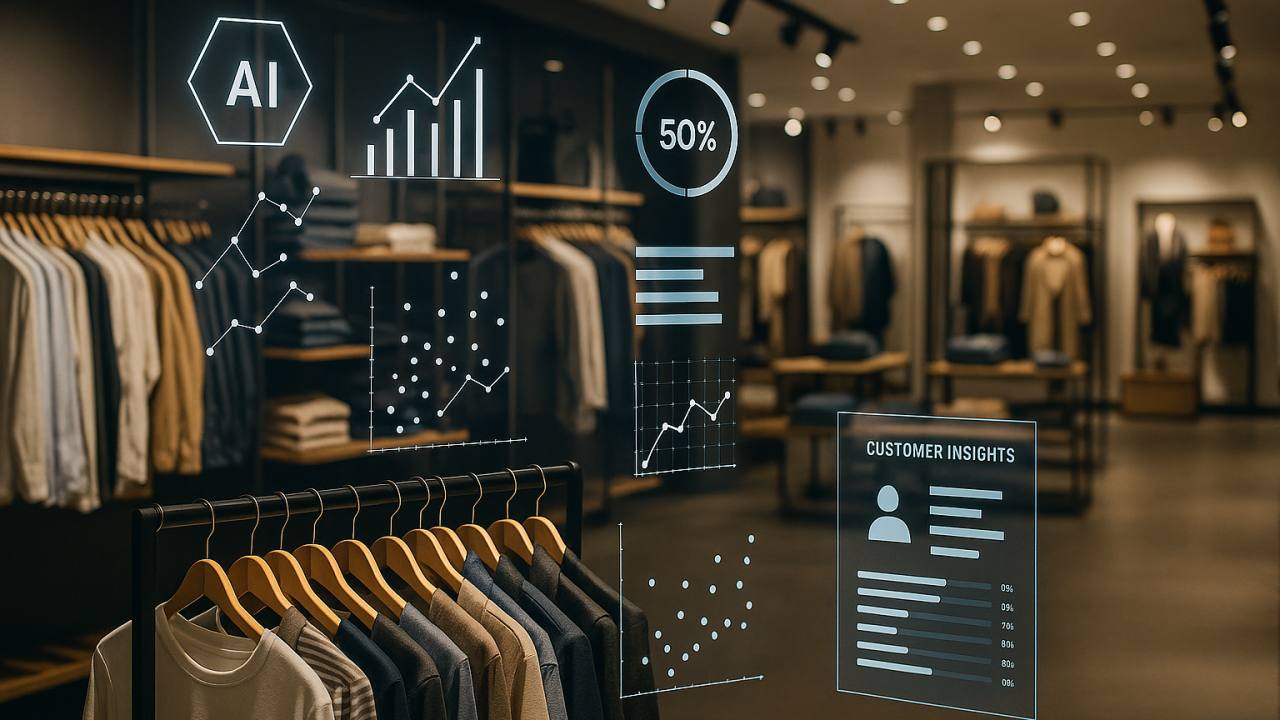
Not every retail category is experiencing the same level of pressure. Some sectors are reducing their physical presence, while others are continuing to expand.
Retail Categories Experiencing Store Closures
Retail category | Main challenges |
Fashion and apparel | Changing trends and online competition |
Electronics | Digital sales and changing product demand |
Department stores | High operating costs and declining footfall |
Convenience stores | Location profitability and restructuring |
Home furnishings | Lower discretionary spending |
Jewelry and accessories | Competition and changing customer preferences |
Apparel was the largest category for reported closures in the first half of 2026, with 1,090 locations affected. Convenience stores recorded 675 closures, while electronics retailers recorded 475.
Retail TouchPoints+1
Retail Categories Still Expanding
Interestingly, some retail categories are still attracting investment.
Discount retailers: Value-focused shopping is attracting budget-conscious consumers.
Grocery stores: Essential products continue to generate regular customer demand.
Off-price retailers: Shoppers are looking for branded products at lower prices.
Food and beverage: Convenient dining and takeaway formats continue to attract investment.
For example, Dollar Tree, Aldi, and Starbucks have announced significant store expansion plans in 2026. This demonstrates that store closures and store openings can happen simultaneously within the same industry.
5. How Are Store Closures Affecting Customers?
Store closures are not just business decisions. They also influence how customers shop, access products, and interact with their favourite brands.
Here are some important effects.
Fewer Nearby Shopping Options
When a popular retailer closes a local branch, customers may need to travel further to find the same products. This can be inconvenient, particularly for people who prefer shopping in person.
More Online Shopping Opportunities
Retailers may encourage customers to use their websites and mobile applications after reducing physical locations.
Online platforms can provide product browsing, home delivery, digital payments, and promotional offers.
Clearance Sales and Special Discounts
Store closures frequently bring liquidation or clearance sales. Customers may find discounted clothing, electronics, furniture, and household products.
However, shoppers should compare prices carefully because not every closing sale offers the lowest available price.
Changes in Customer Service
Physical stores often provide product demonstrations, personal assistance, returns, and immediate purchases.
When a location closes, customers may need to depend on online support or visit another branch for these services.
6. What Are Retailers Doing to Survive in 2026?
Retailers are not simply closing stores and leaving the market. Many are experimenting with new strategies to improve profitability and remain relevant.
1. Investing in E-Commerce
Businesses are improving websites, mobile shopping experiences, online payment systems, and delivery services.
2. Opening Smaller or More Profitable Locations
Instead of maintaining a large network, some retailers are choosing locations with better customer traffic and lower operating expenses.
3. Improving In-Store Experiences
Modern stores are increasingly focusing on customer experiences, product demonstrations, personalised assistance, and interactive displays.
4. Using Technology and Artificial Intelligence
AI-powered tools can help retailers understand customer preferences, forecast product demand, manage inventory, and improve marketing campaigns.
5. Focusing on Value and Affordability
Competitive prices, loyalty programmes, seasonal promotions, and exclusive offers can help retailers attract customers who are careful about spending.
6. Combining Physical and Online Shopping
Many retailers are adopting an omnichannel approach, allowing customers to purchase online, collect products in stores, and return online orders through physical locations.
7. What Does the Future of Retail Look Like?
The future of retail will likely involve a combination of physical stores, e-commerce platforms, and technology-driven shopping experiences.
Physical stores will continue to serve important purposes, including product testing, customer service, immediate purchases, and order collection.
However, retailers may become more selective about where they operate. Locations that generate strong sales and provide a positive shopping experience are more likely to receive investment.
According to industry analysis from UBS reported by Retail Dive, e-commerce growth and AI-enabled shopping could contribute to further store-network reductions over the coming years.
For consumers, this could mean more convenient digital shopping, better-connected retail services, and fewer traditional stores in certain markets.
The biggest change is not necessarily the end of physical shopping. It is the transformation of how retailers decide where, when, and how to serve their customers.
8. What Should Shoppers Do When a Retail Store Closes?
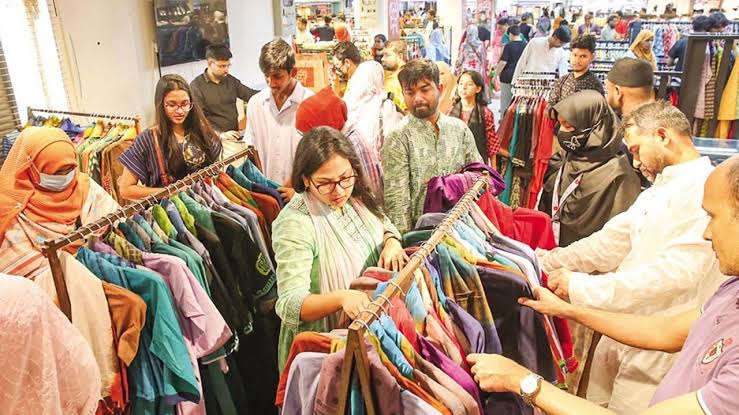
If your favourite retailer announces a closure, a few simple steps can help you avoid inconvenience.
Check official announcements: Confirm the closing date and whether other branches remain open.
Use available clearance offers: Compare discounts before purchasing.
Review return policies: Closing sales may have different return and exchange conditions.
Check gift cards: Look for official information about redemption deadlines.
Find alternative stores: Identify nearby retailers offering similar products.
Explore online shopping: Check the retailer's official website for continued services.
Most importantly, avoid assuming that a single store closure means the entire brand has disappeared. Many companies continue operating online or through selected branches.
FAQ'S
Retailers are closing locations because of rising operating costs, online shopping competition, changing customer preferences, financial difficulties, and business restructuring.
Retailers with reported closure plans include 7-Eleven, GameStop, Francesca's, Eddie Bauer, and Walgreens. The number of closures varies by company.
No. Some companies close underperforming locations to improve profitability while continuing to operate other stores and online platforms.
Customers may experience fewer nearby shopping options, changes in product availability, clearance sales, and increased reliance on online shopping.
No. Physical stores are expected to remain important, but retailers may focus more on profitable locations, better customer experiences, and connected online and offline shopping.
Sources and notes
Links the author listed for this post.
This article uses information and industry reporting from: 1. Retail TouchPoints – Store Openings and Closures in 2026. 2. Fast Company – Retail Store Closures Update 2026. 3. EMARKETER – Retail Expansion Trends. 4. Retail Dive – Future of Retail Store Closures. 5. Coresight Research – US Store Openings and Closures.
More on AltFTool
- AltFTool (opens in a new tab)
altftool.com


Discussion
0 comments
No comments yet
Discussion will appear here once it loads.