
The cost of everyday life has become a growing concern for households across the world. From grocery shopping and electricity bills to rent, transportation and healthcare, families are finding that managing monthly expenses requires more careful planning. Even when inflation slows, prices do not necessarily return to earlier levels, which means many people continue to feel financial pressure.
In 2026, global economic conditions remain uneven. Higher energy costs, food supply disruptions, geopolitical tensions and changing trade patterns are influencing prices in different regions. The International Monetary Fund (IMF) projects global headline inflation at 4.7% in 2026, up from 4.1% in 2025, before easing to 4.1% in 2027. It also expects global economic growth to slow to 3.1% in 2026.
However, the cost-of-living experience is not the same everywhere. A household's financial pressure depends on local wages, housing availability, taxes, exchange rates, public services and the share of income spent on essential goods.
Let's explore what is driving rising living expenses worldwide in 2026, how different household budgets are affected and what individuals can do to manage their money more effectively.
Global Cost of Living in 2026: An Overview
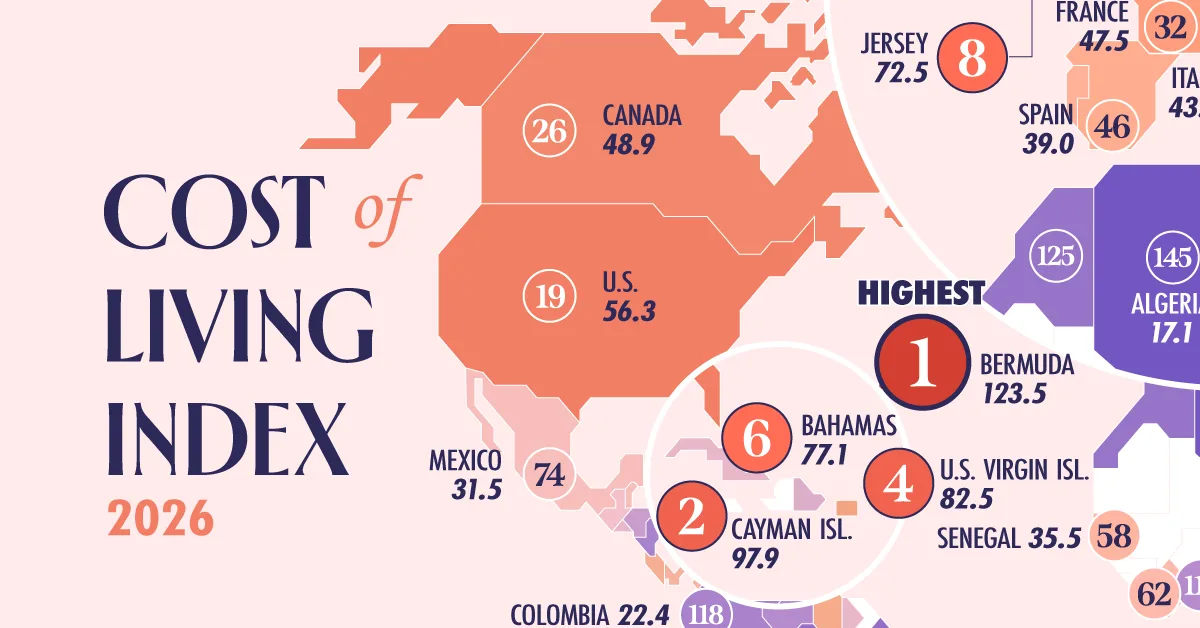
The cost of living refers to the amount of money individuals and families need to pay for essential goods and services. These commonly include food, housing, utilities, transportation, healthcare, education and other everyday requirements.
In 2026, inflation remains a major factor affecting household budgets. However, inflation measures the rate at which prices change, not whether prices are affordable. If inflation decreases, prices may simply rise more slowly rather than fall.
The IMF's October 2026 outlook highlights how supply disruptions and higher prices for necessities can create long-lasting financial pressure.
Economic Indicator | 2025 Figure | 2026 Projection | What It Means |
|---|---|---|---|
Global headline inflation | 4.1% | 4.7% | Overall price pressure is expected to increase |
Global economic growth | — | 3.1% | Economic expansion is projected to slow |
Global energy prices | — | 32% increase | Higher energy costs can affect transport and production |
Food commodity prices | — | Around 10% increase | Food supply and household grocery costs may face pressure |
Figures are based on IMF and World Bank projections. Energy and food commodity figures refer to global commodity prices, not the exact increase in every country's retail prices.
1. Why Is the Cost of Living Rising Worldwide?
There is no single reason behind higher living expenses. Several economic and international developments can influence the prices households pay.
Inflation and Everyday Purchases
Inflation reduces the purchasing power of money when prices rise faster than household income. A family that previously spent a certain amount on groceries, transport and utilities may now need a larger budget to purchase similar quantities.
Inflation can also affect businesses. When companies pay more for raw materials, electricity, transportation and labour, they may pass some of those additional costs to customers.
The impact is especially noticeable when essential items become more expensive because households cannot easily stop buying food, paying rent or using electricity.
Higher Energy and Fuel Costs
Energy is connected to almost every part of the economy. Businesses use fuel and electricity to manufacture products, operate warehouses, transport goods and provide services.
The World Bank's October 2026 Commodity Markets Outlook projects global energy prices to rise by 32% during 2026. It also forecasts that Brent crude oil will average around $91 per barrel, compared with $69 in 2025.
Higher energy prices can influence:
Petrol and diesel expenses for vehicle owners.
Public transport and delivery charges.
Electricity and household utility bills.
Manufacturing and distribution costs.
The price of products that require energy-intensive production.
The effect varies between countries depending on domestic energy production, import dependence, taxes and government support.
Food Supply Disruptions
Food prices can increase because of poor harvests, extreme weather, transport disruptions, conflicts and higher fertiliser or fuel costs.
When agricultural production becomes more expensive, farmers, food processors and retailers may face higher operating costs. These pressures can eventually reach consumers through increased prices for vegetables, grains, dairy products and packaged foods.
The World Bank expects food commodity prices to rise by around 10% in 2026 and a further 7% in 2027. This is a global commodity forecast, so the actual impact on grocery bills will differ between markets.
Housing and Rental Expenses
Housing is one of the largest expenses for many households. In cities with limited housing supply, strong demand can contribute to higher rents and property prices.
Other costs also add to the housing burden, including mortgage payments, maintenance, insurance, property taxes and utility bills.
For renters, rising monthly payments can reduce the money available for savings, education, healthcare and leisure. For homeowners, higher borrowing costs can make mortgage repayments more difficult to manage.
2. Essential Household Expenses Under Pressure
Not every household experiences inflation in the same way. Families with lower incomes often spend a larger share of their earnings on necessities, leaving less flexibility when prices rise.
Expense Category | Main Cost Drivers | Household Impact | Practical Response |
|---|---|---|---|
Food and groceries | Supply disruptions, fuel and fertiliser costs | Higher weekly shopping bills | Plan meals and compare prices |
Housing | Rent, interest rates and property demand | Larger monthly commitments | Review housing costs and terms |
Transportation | Fuel, vehicle maintenance and fares | Higher commuting expenses | Use public transport or carpool |
Utilities | Electricity, gas and water prices | Increased household bills | Reduce unnecessary energy use |
Healthcare | Medicines, insurance and service costs | Greater out-of-pocket spending | Review coverage and plan ahead |
Food: A Regular Budget Challenge
Food expenses can be difficult to control because they are essential and purchased frequently. Even small price increases across several grocery items can add up over a month.
Households can reduce unnecessary spending by preparing a shopping list, planning meals around available ingredients, comparing unit prices and limiting food waste. Buying in suitable quantities and choosing seasonal produce may also help.
Transportation: The Cost of Getting Around
Commuting expenses can increase when fuel prices, public transport fares or vehicle maintenance costs rise. People who travel long distances for work may feel this pressure more strongly.
Where practical, combining errands, sharing rides, using public transport or walking shorter distances can help reduce regular travel costs.
Utilities: Managing Electricity and Water Bills
Electricity and heating expenses can vary with weather, energy prices and household consumption. Simple changes, such as switching off unused appliances, using energy-efficient lighting and maintaining air-conditioning equipment, may help control bills.
3. How Rising Expenses Affect Different Regions
Global inflation does not affect every country equally. Some economies face stronger energy or food price pressures, while others benefit from domestic production, currency stability or government support.
The IMF's October 2026 outlook notes that energy-importing economies outside the technology value chain face particularly difficult conditions. Exchange-rate movements and local economic policies can also influence how international price changes reach consumers.
Region | Important Economic Pressures | Possible Household Effects | Factors That Influence Costs |
|---|---|---|---|
North America | Energy prices, housing and services | Pressure on rent, transport and utilities | Local wages, housing supply and energy markets |
Europe | Energy costs, housing and food | Higher household bills in some markets | Energy imports, taxes and public support |
Asia-Pacific | Food, fuel and currency movements | Different effects across developing and advanced economies | Domestic production and import dependence |
Africa | Food affordability, fuel and currency pressures | Greater strain on essential spending in vulnerable households | Agricultural conditions and access to imports |
These are broad regional patterns, not rankings. Countries within each region can have very different inflation rates and living costs.
Why Lower-Income Households Often Feel More Pressure
Lower-income households generally have less room to adjust their budgets when essential prices rise. A larger proportion of their income may already go towards food, housing, transport and utilities.
Higher-income households may have more flexibility to reduce discretionary purchases or use savings. By contrast, families with limited financial reserves may need to cut back on other important expenses when necessities become more expensive.
This is why the same inflation rate can have very different effects on households.
4. Inflation, Wages and Purchasing Power
A salary increase does not always mean that a household is financially better off. What matters is whether income grows faster than the cost of the goods and services people regularly purchase.
For example, if a person's monthly income increases by 5% but their personal expenses rise by 7%, their purchasing power declines.
Situation | Income Change | Expense Change | Likely Result |
|---|---|---|---|
Income grows faster | 8% | 4% | Purchasing power improves |
Income and costs match | 5% | 5% | Purchasing power is broadly unchanged |
Costs grow faster | 4% | 7% | Purchasing power declines |
Income remains fixed | 0% | 6% | Household budget faces greater pressure |
These are illustrative examples, not actual country-level wage or inflation statistics.
Why Wage Growth Matters
Wages help determine how well households can manage rising expenses. If salaries do not keep pace with essential costs, families may find it harder to save, repay debt or maintain their previous standard of living.
Minimum wages, collective bargaining, labour-market conditions and productivity can all influence income growth.
However, wage increases alone cannot solve every cost-of-living problem. Housing shortages, energy supply disruptions and food price shocks may require broader economic responses.
5. The Role of Governments and Central Banks
Governments and central banks influence the economic conditions that affect household expenses. Their responsibilities differ, but both can play important roles in managing inflation and protecting financial stability.
Central banks generally use monetary policy, including interest-rate decisions, to influence borrowing, spending and inflation expectations. Governments can support households through targeted financial assistance, public services, tax measures and policies that improve the supply of essential goods.
The IMF's October 2026 analysis recommends temporary, targeted income support for vulnerable households during cost-of-living crises. It cautions that broad price-suppression measures can be substantially more expensive for public finances.
Policy Measure | How It Works | Potential Benefit | Important Consideration |
|---|---|---|---|
Interest-rate policy | Influences borrowing and spending | Helps manage inflation | Higher rates can increase loan costs |
Targeted cash support | Provides assistance to eligible households | Protects vulnerable families | Requires accurate targeting |
Food assistance | Supports access to essential nutrition | Reduces food insecurity | Needs reliable delivery systems |
Energy support | Helps eligible users manage utility costs | Provides short-term relief | Broad subsidies can be costly |
Housing initiatives | Supports housing supply and affordability | Can ease long-term pressure | Results may take time |
Effective policies need to balance immediate household relief with long-term economic stability.
6. How Families Can Manage Rising Living Costs in 2026
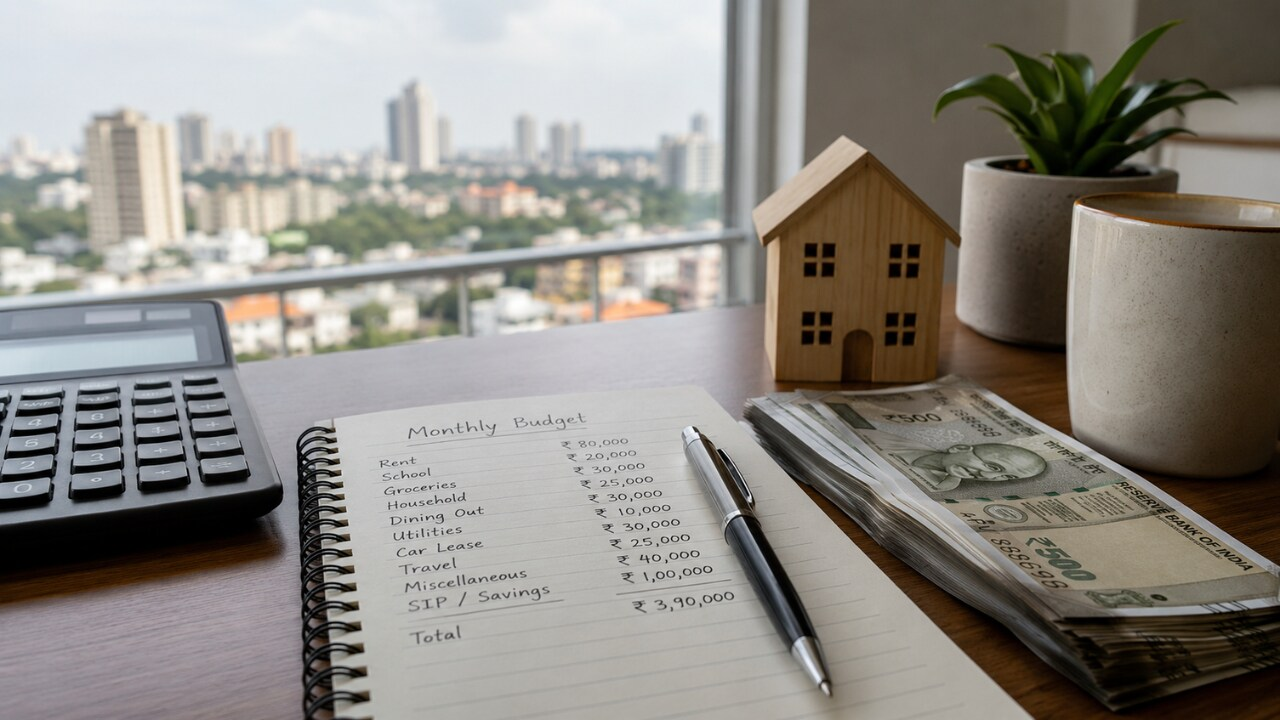
Although households cannot control global inflation, they can take practical steps to improve their financial resilience.
Create a Realistic Monthly Budget
Start by listing income and essential expenses. Separate fixed commitments, such as rent and loan payments, from variable expenses, such as groceries, shopping and entertainment.
Reviewing spending regularly helps identify where money is going and which expenses can be adjusted.
Build an Emergency Fund
An emergency fund can provide financial protection against unexpected expenses, including medical bills, repairs or temporary income loss.
A common long-term target is three to six months of essential expenses, although the right amount depends on income stability, family responsibilities and existing savings.
Reduce Unnecessary Subscriptions and Purchases
Small recurring payments can become significant over time. Review streaming services, memberships, app subscriptions and other automatic payments.
Before making non-essential purchases, compare prices and consider whether the item is genuinely needed.
Manage Debt Carefully
High-interest debt can become harder to manage when household expenses increase. Prioritise required repayments, understand interest charges and avoid taking on additional debt for routine spending where possible.
If repayments become difficult, contact the lender early to understand available options rather than ignoring missed payments.
Compare Essential Purchases
Comparing prices across shops and service providers can help households find better value. However, the lowest upfront price is not always the best deal. Consider product quality, durability, delivery fees and long-term costs.
7. Practical Household Budgeting: A Simple Example
A household budget can make rising expenses easier to understand. The example below shows how a family might organise a monthly income of ₹50,000.
Budget Category | Monthly Amount | Share of Income | Purpose |
|---|---|---|---|
Housing and utilities | ₹15,000 | 30% | Rent, electricity and water |
Food and groceries | ₹10,000 | 20% | Regular household shopping |
Transportation | ₹5,000 | 10% | Fuel and commuting |
Healthcare and education | ₹5,000 | 10% | Medical and learning expenses |
Savings and emergency fund | ₹7,500 | 15% | Financial security |
Other expenses | ₹7,500 | 15% | Personal and flexible spending |
Total | ₹50,000 | 100% | Monthly income |
This is an illustrative budget, not a recommended allocation for every family. Actual spending depends on household size, location, income and financial commitments.
The most useful budget is one that reflects real expenses. Families should adjust categories according to their needs rather than follow percentages that may not suit their circumstances.
8. What Could Happen to the Global Cost of Living in 2027?
The direction of living costs in 2027 will depend on energy markets, food production, geopolitical developments, trade conditions and monetary policy.
The IMF projects global headline inflation to ease from 4.7% in 2026 to 4.1% in 2027. However, this does not guarantee that household expenses will fall. Prices may continue increasing, but at a slower pace.
The World Bank expects global energy prices to moderate in 2027 under its baseline forecast, while food commodity prices are projected to rise further. Unexpected conflicts, weather events or supply disruptions could change these projections.
Households and businesses should therefore prepare for uncertainty rather than assume that all expenses will quickly return to earlier levels.
9. Why Understanding the Cost of Living Matters
Understanding the cost of living helps individuals make better decisions about spending, saving, borrowing and long-term financial goals.
For households, it can support more realistic budgets and better preparation for unexpected expenses. For businesses, it can help with salary planning, pricing decisions and employee support. For governments, cost-of-living data can guide social protection and economic policy.
Readers can also explore free online tools on AltFTool to discover useful digital utilities for everyday productivity, calculations and other online tasks.
Frequently Asked Questions
Cost of living refers to the money required to pay for essential goods and services, including food, housing, transportation, utilities, healthcare and education.
Major factors include inflation, higher energy prices, food supply disruptions, geopolitical tensions, housing costs and changes in currency values.
The IMF's October 2026 World Economic Outlook projects global headline inflation at 4.7% in 2026, compared with 4.1% in 2025.
Food, housing, transportation, electricity, fuel and healthcare can be significantly affected. The impact varies depending on local market conditions.


Discussion
0 comments