Interest rates influence many everyday financial decisions. Whether someone is planning to buy a home, paying off a credit card, applying for a personal loan, or keeping money in a savings account, changes in borrowing costs can make a noticeable difference.
In the United States, one institution plays a particularly important role in this process: the Federal Reserve. Its decisions can influence the cost of borrowing, the returns people receive on savings, business investment, employment, and the overall direction of the economy.
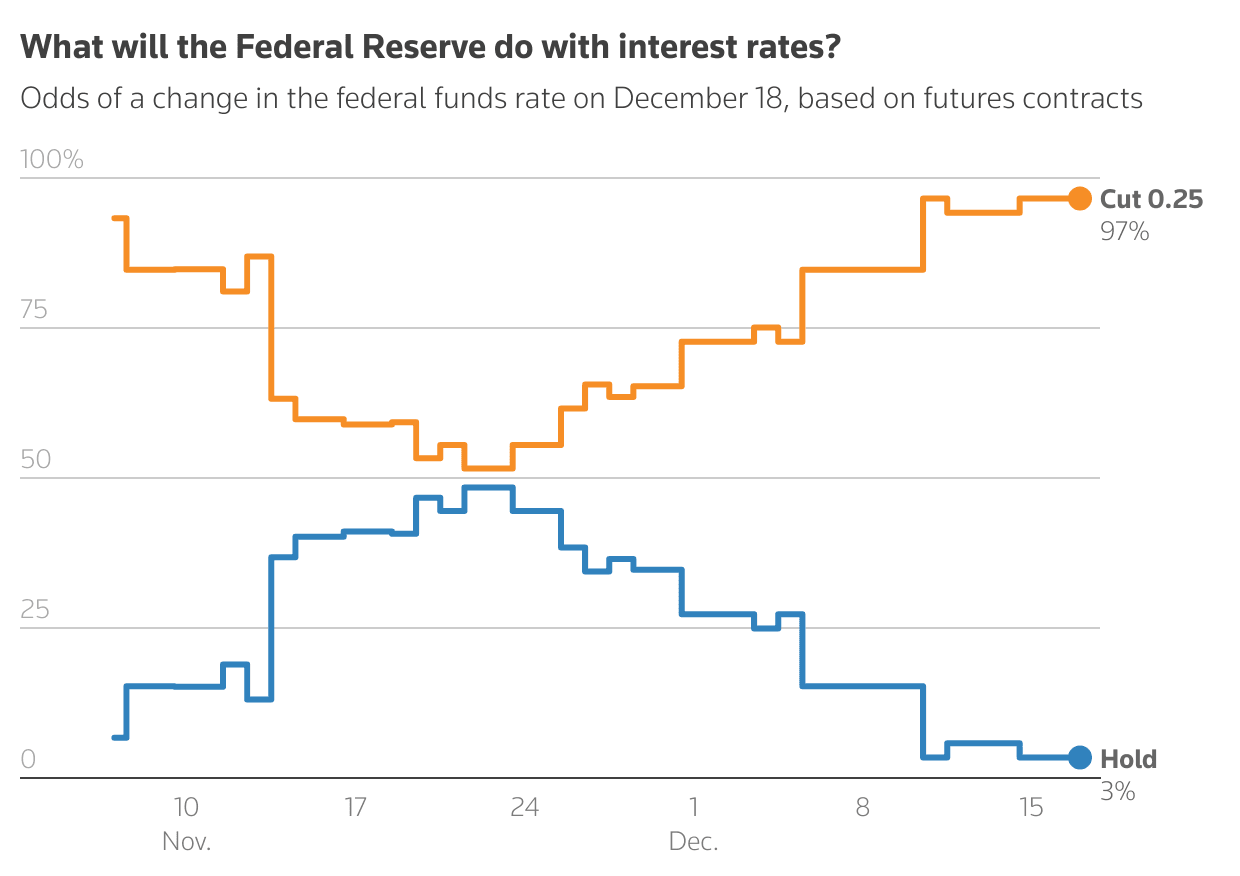
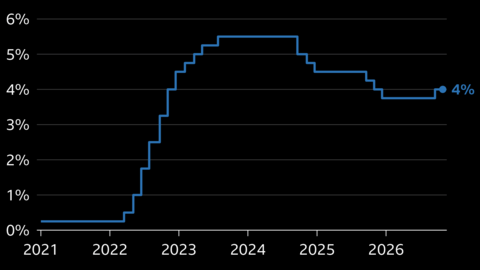
The Federal Reserve's latest interest rate decision has attracted attention because inflation remains above its long-term target, while economic activity continues to show resilience. After increasing its benchmark rate in September 2026, the central bank decided to hold rates steady at its October meeting.
But what does that decision actually mean for ordinary Americans? Does it make loans cheaper? Will savings accounts continue offering attractive returns? And should consumers expect another rate increase?
Let's look at the latest Federal Reserve decisions, understand why they matter, and explore how they could affect personal finances.
What Is the Federal Reserve Interest Rate?
The Federal Reserve, commonly called the Fed, is the central bank of the United States. One of its main responsibilities is managing monetary policy to support stable prices and maximum sustainable employment.
A key part of this responsibility is influencing the federal funds rate.
The federal funds rate is the interest rate banks charge one another for overnight loans of reserve balances. The Federal Open Market Committee (FOMC), which is part of the Federal Reserve, sets a target range for this rate.
Although this is not the same interest rate consumers receive on loans or savings accounts, it influences many other short-term interest rates across the financial system.
For example, when the Fed increases its benchmark rate, borrowing can become more expensive for banks and consumers. When it lowers rates, financing conditions may become more affordable over time.
The impact is not always immediate. Banks and lenders consider several factors when setting their own interest rates, including market conditions, credit risk, operating costs, and competition.
Latest Federal Reserve Interest Rate Decision in 2026
The Federal Reserve's most recent completed policy decision as of November 20, 2026, came on October 28.
The FOMC decided to maintain the federal funds rate target range at 3.75% to 4.00%.
This followed a quarter-percentage-point increase at the September 16 meeting, when the Fed raised the target range from 3.50%–3.75% to 3.75%–4.00%.
The October decision was approved by a 10–2 vote. Two members preferred another quarter-percentage-point increase rather than holding rates steady.
The Fed explained that economic activity was expanding at a strong pace, domestic spending remained resilient, and productivity growth was strong. However, inflation was still elevated, so policymakers wanted more information before deciding what to do next.
Federal Reserve Rate Decisions: Recent Overview
Meeting Date | Decision | Federal Funds Target Range |
|---|---|---|
July 29, 2026 | Held steady | 3.50%–3.75% |
September 16, 2026 | Increased by 0.25 percentage point | 3.75%–4.00% |
October 28, 2026 | Held steady | 3.75%–4.00% |
The important takeaway is that the Fed has not returned to a rate-cutting approach. Its October decision reflects a cautious position while policymakers continue assessing inflation and economic conditions.
The next scheduled FOMC meeting is December 8–9, 2026.
Why Did the Federal Reserve Keep Interest Rates Unchanged?
The Fed does not make interest rate decisions based on a single economic report. Policymakers review several indicators to understand whether the economy needs tighter or more supportive financial conditions.
There are a few important factors behind the latest decision.
1. Inflation Remains a Concern
Inflation measures how quickly prices for goods and services increase over time. When inflation stays high, households may find that their income does not stretch as far as it once did.
The Federal Reserve has a long-term inflation goal of 2%. However, inflation remains above that level.
Keeping interest rates relatively high can help reduce demand across the economy. When borrowing becomes more expensive, households and businesses may become more cautious about spending.
This can gradually ease pressure on prices, although monetary policy usually works with a delay.
2. Economic Activity Is Still Growing
The Fed also considers whether the economy is slowing down too quickly.
According to its October statement, economic activity was expanding at a strong pace. Domestic spending remained resilient, while business investment and productivity showed strength.
When economic activity is growing, policymakers may have more room to maintain restrictive interest rates while continuing to monitor inflation.
3. Employment Conditions Matter
Employment is another important part of the Fed's decision-making process.
A weakening job market can reduce household income and consumer spending. On the other hand, an extremely tight labour market can sometimes contribute to wage and price pressures.
The October statement noted that job gains had kept pace with the workforce and that the unemployment rate had changed little.
The Fed therefore had reasons to remain cautious rather than make a sudden change in either direction.
4. Policymakers Want More Economic Information
Interest rate decisions are based on available evidence, not guarantees about what will happen next.
The Fed wants to understand whether inflation is moving towards its target and whether economic growth and employment remain stable.
That is why holding rates steady can be a deliberate decision. It gives policymakers more time to evaluate the effects of earlier rate changes.
What Do the Latest Fed Decisions Mean for Consumers?
A Federal Reserve announcement may sound like something that only affects banks and financial markets. In reality, its effects can reach everyday household budgets.
Here are some areas where consumers may notice changes.
1. Credit Card Interest Rates
Credit card interest rates are often variable, meaning they can change when underlying benchmark rates move.
When the Federal Reserve raises its benchmark rate, credit card APRs may increase over time. This can make carrying an unpaid balance more expensive.
For example, someone who regularly pays only the minimum amount on a credit card may end up paying more interest if their APR increases.
When the Fed holds rates steady, borrowers may avoid another immediate policy-driven increase. However, that does not mean credit card interest rates automatically fall.
What consumers can do:
Pay more than the minimum whenever possible.
Avoid carrying large balances from month to month.
Compare balance transfer offers carefully.
Check the APR and fees before applying for another card.
Paying down high-interest debt can be helpful regardless of the Fed's next decision.
2. Mortgage Rates and Home Loans
Mortgage rates are influenced by several factors, including Treasury yields, inflation expectations, investor demand, and broader financial market conditions.
This means a Fed rate cut does not automatically produce an equally large decline in mortgage rates. Similarly, a rate increase does not always cause mortgage rates to rise immediately.
For people planning to purchase a home, the latest decision is a reminder to look beyond headlines and compare actual mortgage offers.
Before choosing a home loan, consider:
The interest rate and annual percentage rate (APR).
Fixed-rate versus adjustable-rate options.
Down payment requirements.
Closing costs and lender fees.
Monthly payments and long-term affordability.
Homebuyers should also make sure they can comfortably manage payments if their financial circumstances change.
3. Personal Loans and Auto Loans
Personal loans and auto financing can become more expensive when lenders face higher funding costs.
However, the rate offered to an individual also depends on credit history, income, loan amount, repayment period, and the lender's policies.
A person with a strong credit profile may receive a different offer from someone with a limited or weaker credit history, even when both apply during the same interest rate environment.
If you are planning to borrow money, compare multiple lenders rather than assuming that the Fed's latest decision determines the rate you will receive.
4. Savings Accounts and Certificates of Deposit
Higher interest rates can create opportunities for savers.
Banks may offer more attractive returns on high-yield savings accounts and certificates of deposit (CDs) when market interest rates are elevated.
However, the benefits are not always passed on equally. Some banks adjust deposit rates quickly, while others make changes more slowly.
When the Fed holds rates steady, savings rates may also remain relatively stable, but individual banks can still change their offers.
It is worth comparing:
Annual percentage yield (APY).
Minimum balance requirements.
Monthly maintenance fees.
Withdrawal restrictions.
Early withdrawal penalties for CDs.
A competitive savings account can help your money earn interest while remaining accessible, depending on the account terms.
How Do Federal Reserve Decisions Affect Businesses and Investors?
The impact of interest rates extends beyond personal borrowing and saving. Businesses, investors, and financial markets also pay close attention to FOMC announcements.
Business Borrowing and Expansion
Companies often borrow money to purchase equipment, open new locations, hire employees, or expand operations.
When borrowing costs rise, some businesses may delay expansion plans or reduce spending. Smaller companies can be particularly sensitive because they may have fewer financing options.
Stable interest rates can make financial planning easier, although businesses still need to consider demand, operating expenses, and future economic conditions.
Stock Market Performance
Interest rate announcements can influence investor expectations.
Higher rates may make borrowing more expensive for companies and reduce the appeal of future earnings, particularly for businesses whose valuations depend heavily on expected growth.
However, stock market reactions are not always predictable. Investors also consider company earnings, economic growth, inflation, global events, and future policy expectations.
A rate hold may be positive for some companies but less encouraging for others. The broader economic picture matters.
Bond Market Movements
Bond prices and yields generally move in opposite directions. When market interest rates rise, existing bonds with lower fixed interest payments may become less attractive, putting pressure on their prices.
When market rates fall, existing bonds with higher fixed payments can become more appealing.
Investors therefore watch both the Fed's decisions and the bond market's expectations about future interest rates.
What Could Happen at the Next Federal Reserve Meeting?
The next scheduled FOMC meeting is December 8–9, 2026.
The decision will depend on the economic information available before the meeting, particularly inflation, employment, consumer spending, and broader financial conditions.
The minutes from the October meeting, released on November 18, showed that many policymakers were concerned about persistent inflation. The discussion also revealed support among many participants for a possible rate increase in December, although views differed over the timing and size of any move.
This does not mean another increase is guaranteed. The Fed will make its decision after reviewing the available evidence.
Consumers and investors should therefore avoid making financial plans based entirely on predictions about the next announcement.
Rate Increase vs. Rate Cut: What Is the Difference?
Understanding the difference between a rate increase and a rate cut makes it easier to interpret Federal Reserve announcements.
Federal Reserve Action | What It Usually Means | Possible Consumer Impact |
|---|---|---|
Rate increase | Makes short-term borrowing conditions tighter | Loans and credit may become more expensive |
Rate cut | Makes short-term borrowing conditions more supportive | Some borrowing costs may decline |
Rate hold | Maintains the existing target range | Financial conditions may remain broadly similar |
These are general effects, not guaranteed outcomes. Banks and financial markets may respond differently depending on what they expected before the announcement.
For example, mortgage rates may move before an official Fed decision because investors are already anticipating a possible change.
How Should You Manage Your Money When Interest Rates Are Changing?

You do not need to predict every Federal Reserve decision to make sensible financial choices. A few practical habits can help you manage uncertainty.
Review Your Existing Debt
Start by checking the interest rates on your credit cards, personal loans, auto loans, and other outstanding balances.
If you have high-interest debt, creating a repayment plan may save money over time.
Compare Loan Offers
Do not accept the first financing offer you receive. Compare interest rates, APRs, fees, repayment terms, and total borrowing costs.
A loan with a slightly lower advertised rate may not be the cheapest option once additional charges are included.
Make Your Savings Work Harder
Check whether your savings account offers a competitive APY. If you do not need immediate access to a portion of your money, you could also compare CD options.
Always review withdrawal conditions and penalties before committing your funds.
Avoid Making Decisions Based on Headlines
Financial news often focuses on whether the Fed will raise, cut, or hold rates. However, a single announcement should not determine a major financial decision.
Consider your income, emergency savings, existing obligations, and long-term goals before borrowing or investing.
Keep an Emergency Fund
An emergency fund can help cover unexpected expenses without relying on expensive credit.
Even setting aside a small amount regularly can make a difference over time.
Final Thoughts
The Federal Reserve's latest interest rate decision shows how carefully policymakers are balancing inflation, employment, and economic growth. After raising its benchmark rate in September, the Fed held the target range at 3.75%–4.00% in October.
For consumers, this means borrowing costs may remain relatively high, while savings accounts and other interest-bearing products may continue offering opportunities. Businesses and investors will also be watching closely as the next policy meeting approaches.
The December meeting could bring another change, but no outcome is certain. Economic data and policymakers' assessment of inflation will play an important role.
Rather than trying to predict every move, consumers can focus on what they control: managing debt, comparing financial products, building savings, and making borrowing decisions carefully.
Understanding how Federal Reserve interest rates work can help you make more informed financial choices, whatever direction monetary policy takes next.
The Federal Reserve's benchmark interest rate target range is 3.75% to 4.00% following its October 2026 decision.
The Fed adjusts interest rates to manage inflation, support employment, and maintain economic stability.
Rate increases can raise variable credit card APRs, making unpaid balances more expensive.
Not necessarily. Mortgage rates also depend on Treasury yields, inflation expectations, and financial market conditions.
The next scheduled FOMC meeting is December 8–9, 2026.
Sources and notes
Links the author listed for this post.
This article is based on official Federal Reserve announcements, FOMC meeting minutes, and monetary policy updates.

Discussion
0 comments
No comments yet
Discussion will appear here once it loads.