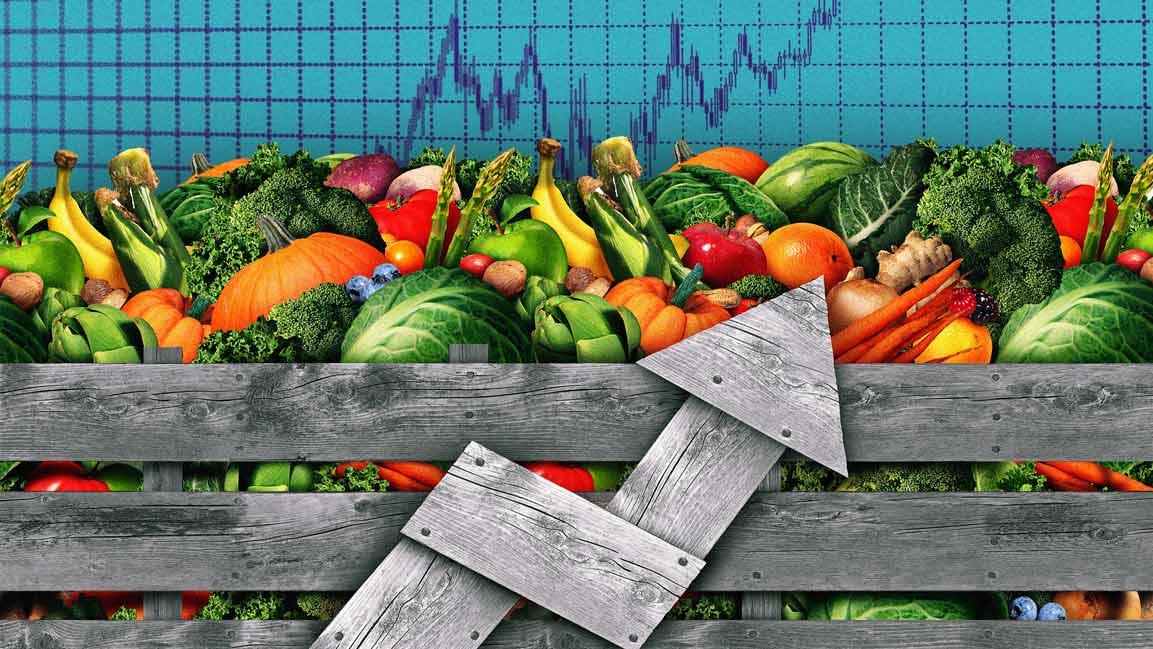
Have you ever wondered why a simple basket of groceries can cost very different amounts depending on which country you live in? A loaf of bread, a litre of milk, a kilogram of rice, or a cup of coffee may seem like ordinary everyday purchases, but their prices can vary significantly across international markets.
In some countries, fresh fruits and vegetables are relatively affordable because they are grown locally and reach consumers through established supply networks. In others, the same products may be expensive because they need to travel thousands of kilometres, pass through several distributors, or be imported using a weaker local currency.
Food prices are influenced by much more than the cost of growing crops. Weather conditions, fuel prices, transportation, labour, international trade, currency movements, government policies, and consumer demand all play a part in determining what people eventually pay at supermarkets and local markets.
This is why food inflation does not look the same everywhere. While households in one country may experience rising prices for vegetables, families elsewhere may struggle with increasing costs of bread, cooking oil, dairy products, or meat.
Understanding these differences is important because food is not an optional expense. Everyone needs it, and even a small increase in the cost of everyday groceries can affect household budgets, savings, and living standards.
In this article, we explore why food prices differ around the world, what causes global food inflation, how international events influence local grocery bills, and what governments and consumers can do to manage rising food costs.
What Is Global Food Inflation?
Food inflation refers to the increase in the prices consumers pay for food products over a particular period. It measures how much more expensive groceries have become compared with an earlier point in time.
For example, imagine that a family spends ₹5,000 every month on groceries. If the same collection of products costs ₹5,400 the following year, the family is experiencing a 8% increase in its grocery expenses, assuming the quantity and quality of the products remain unchanged.
Food inflation can affect individual products differently. Rice prices might remain relatively stable while vegetables become more expensive. Milk, cooking oil, eggs, wheat, and meat can also experience different price movements.
It is important to understand the difference between three related ideas:
Food price levels: The actual amount consumers pay for food products.
Food inflation: The rate at which food prices increase or decrease over time.
Food affordability: How easily households can purchase enough nutritious food with their available income.
A country may have expensive groceries but relatively low food inflation if prices have remained stable. Another country may have cheaper groceries overall but experience rapid price increases within a short period.
This distinction helps explain why comparing food prices across countries requires more than looking at supermarket price tags.
Why Do Food Prices Differ Between Countries?
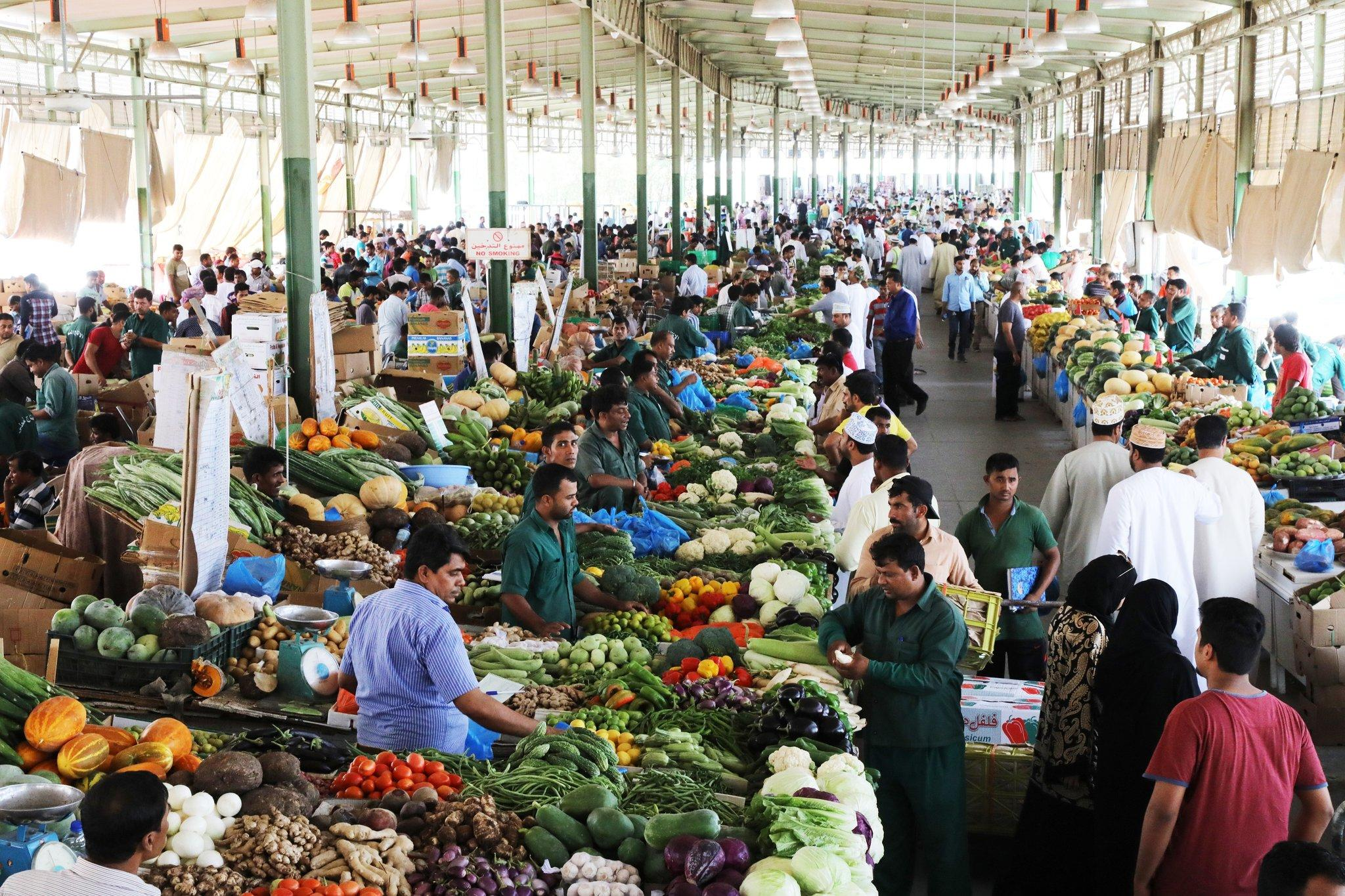
There is no single reason why food costs differ around the world. Each country has its own agricultural conditions, supply networks, economic environment, and consumer preferences.
A country that produces large quantities of rice, wheat, vegetables, or dairy products may have better access to certain foods than a country that depends heavily on imports.
However, local production does not automatically guarantee low prices. Farmers still need affordable fuel, fertilizers, workers, water, storage facilities, and transportation to bring their products to market.
Here are the major factors behind international food price differences.
1. Local Food Production and Agricultural Conditions
One of the biggest influences on food prices is how much food a country can produce domestically.
Countries with suitable climates, fertile soil, reliable water supplies, and established agricultural industries may produce large quantities of certain food products. This can reduce their dependence on international suppliers and make some locally produced foods more accessible.
For example, India produces significant quantities of rice, wheat, milk, fruits, and vegetables. These products are part of everyday diets and are supported by large agricultural supply networks.
Similarly, countries such as Brazil, the United States, and Australia have important agricultural industries that produce food for domestic consumption and international trade.
However, agricultural advantages are not the same everywhere.
Some countries face:
Limited farmland.
Water shortages.
Unfavourable weather conditions.
Low agricultural productivity.
Short growing seasons.
Dependence on imported seeds and fertilizers.
When domestic production cannot meet demand, countries may need to import additional food. These imports can become expensive when international prices, transportation costs, or exchange rates move unfavourably.
Why it matters: Countries with strong local production may have better protection against certain international food supply disruptions, although their consumers can still be affected by domestic shortages and higher production costs.
2. Weather Conditions and Climate Change
Food production depends heavily on the weather. Farmers need suitable temperatures, rainfall, soil conditions, and growing seasons to produce healthy crops.
When weather conditions become unpredictable, agricultural production can suffer.
Droughts may reduce the availability of water for irrigation. Floods can destroy crops and damage farmland. Heatwaves can affect crop development, livestock health, and the quality of agricultural products.
These problems can reduce the amount of food available in local and international markets.
For example, if an important wheat-producing region experiences a poor harvest, the reduced supply can put upward pressure on wheat prices. Countries that depend on imported wheat may experience higher costs for flour, bread, pasta, and other wheat-based products.
Climate-related disruptions can also affect fruits and vegetables. Unlike many dry food products, fresh produce often has a limited shelf life. If harvests are delayed or transportation is disrupted, retailers may have fewer products to sell.
Climate change adds another layer of uncertainty because rising temperatures, changing rainfall patterns, and extreme weather events can make agricultural planning more difficult.
According to the FAO's 2026 food security report, extreme weather events can affect food prices differently depending on the product, the severity of the disruption, and the country's position in international food markets.
The United Nations in Indonesia
3. Transportation and Distribution Costs
Food does not travel directly from a farm to a consumer's kitchen. Between harvesting and purchasing, many products pass through collection centres, warehouses, processing facilities, distribution networks, wholesalers, and retailers.
Every stage adds costs.
For example, vegetables harvested in a rural farming area may need to travel to a nearby city before reaching a supermarket. The farmer or distributor must pay for transportation, packaging, loading, storage, and handling.
International food transportation can be even more expensive.
Products shipped between countries may require:
Shipping and freight charges.
Refrigerated containers.
Port handling and customs procedures.
Insurance and storage.
Additional packaging.
Long-distance road transportation.
Fresh food is particularly sensitive to delays because products such as fish, meat, milk, and vegetables require suitable storage conditions.
Fuel prices also matter. When diesel, petrol, or other transportation costs increase, the expense of moving food can rise.
In countries with poor road infrastructure, limited cold-storage facilities, or inefficient distribution networks, food may become more expensive before it reaches consumers.
This explains why the same product can cost considerably more in a remote town than in a major agricultural or commercial centre.
4. Currency Exchange Rates and International Trade
Currency movements are another important reason food prices differ around the world.
Many internationally traded agricultural commodities are priced in US dollars. When a country's currency weakens against the dollar, importing food and agricultural inputs can become more expensive in local currency.
Imagine that an importer needs to purchase wheat from an international supplier.
If the local currency loses value, the importer may need to spend more domestic currency to purchase the same quantity of wheat, even if the international dollar price has not changed.
That additional expense may eventually be reflected in the price of flour, bread, and other food products.
Currency movements also affect the cost of agricultural inputs, including:
Fertilizers.
Imported seeds.
Farm machinery.
Animal feed ingredients.
Fuel.
Agricultural chemicals.
This means even countries that produce much of their own food can experience higher prices when imported farming inputs become more expensive.
The FAO's 2025 food security report explains that exchange-rate movements can influence how international food price changes are passed on to domestic consumers.
FAOHome+1
5. Fuel, Fertilizer, and Farming Costs
Food production requires energy and agricultural inputs.
Farmers use fuel to operate tractors, harvesters, irrigation equipment, and transportation vehicles. Fertilizers help improve soil productivity, while seeds, pesticides, animal feed, and machinery support different stages of agricultural production.
When these costs increase, farmers may need to spend more money to produce the same amount of food.
Consider a farmer growing wheat. The cost of producing a crop may include land preparation, seeds, fertilizers, irrigation, labour, harvesting, and transportation.
If fertilizer and diesel prices rise during the growing season, the farmer's total production expenses may increase.
Businesses involved in food processing and packaging can also face higher energy costs. This affects products such as packaged snacks, dairy items, cooking oils, frozen foods, and ready-to-eat meals.
The impact may not appear immediately. Businesses sometimes absorb higher expenses for a period before adjusting their prices. Eventually, however, continued increases in production costs can put pressure on the entire food supply chain.
6. International Conflicts and Trade Disruptions
International conflicts can affect food prices even in countries that are geographically far from the affected regions.
This happens because modern food markets are connected through international trade.
Countries export agricultural products to international buyers, while other nations depend on these supplies to meet domestic demand.
When conflict disrupts major farming regions, shipping routes, ports, or export facilities, the availability of certain food products can decline.
The Russia-Ukraine war demonstrated how geopolitical events can affect international agricultural markets. Both countries have important roles in global grain and sunflower oil trade. Disruptions to production and exports contributed to uncertainty and higher international prices for several agricultural commodities.
Conflicts can also affect fertilizer availability, fuel supplies, insurance costs, and shipping routes.
The effects are often more serious for countries that rely heavily on imported food and have limited financial resources to manage higher import bills.
However, the impact is not identical everywhere. Countries with diversified suppliers, strong domestic production, and adequate food reserves may be better positioned to manage supply disruptions.
7. Import Duties, Taxes, and Government Policies
Government decisions can directly influence the price consumers pay for food.
Import duties, agricultural subsidies, food taxes, export restrictions, and price-control policies can change the cost of buying and selling agricultural products.
For example, a country that imposes high import duties on certain food products may make imported alternatives more expensive. These policies may be designed to protect domestic farmers or support local industries, but they can also affect consumer prices.
Governments sometimes use subsidies to reduce the cost of essential food products. Depending on how they are designed, these programmes can help households access important staples such as rice, wheat, flour, or cooking oil.
Export restrictions can also affect international markets.
If a major food-producing country limits exports to protect its domestic supply, international buyers may have fewer suppliers to choose from. This can create additional pressure on global prices.
Government policies therefore need to balance several priorities:
Protecting domestic agricultural producers.
Maintaining affordable food supplies.
Supporting vulnerable households.
Encouraging stable international trade.
Avoiding unnecessary market disruptions.
8. Consumer Demand and Changing Eating Habits
Food prices are influenced by what people want to eat.
As incomes, lifestyles, and population patterns change, demand for different food products can also change.
For example, growing demand for meat and dairy products may increase the need for livestock feed, water, agricultural land, and processing facilities.
Similarly, rising interest in imported fruits, speciality coffee, packaged foods, and international cuisines can influence demand for particular products.
Urbanisation can also change shopping habits. People living in cities may rely more heavily on supermarkets, food delivery services, restaurants, and packaged products.
When demand increases faster than supply can respond, prices may rise.
Seasonal demand is another important factor. Food products can become more expensive around major festivals, holidays, or periods when consumption increases.
In India, for example, demand for certain sweets, dry fruits, cooking ingredients, and festive food products can increase during Diwali and other celebrations.
The relationship between population growth, income changes, dietary patterns, and food supply is an important part of long-term agricultural market trends.
FAOHome+1
Why the Same Food Costs Different Amounts in Different Countries
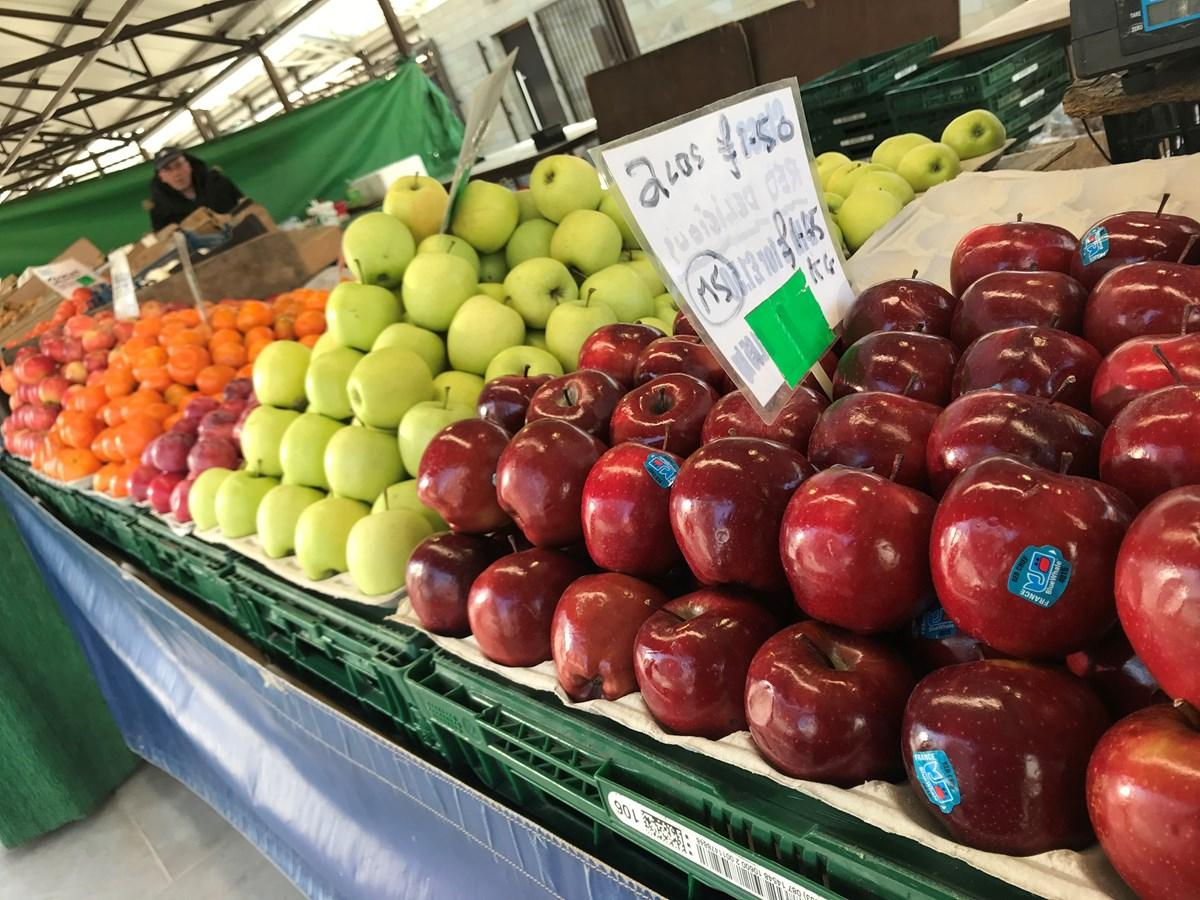
Even when two countries purchase the same food product from international suppliers, the final retail prices may be very different.
This is because international commodity prices are only one part of the final cost.
Consider four everyday food products.
Food product | Factors that influence its price |
|---|---|
Rice | Domestic production, imports, rainfall, storage, and government policies |
Milk | Livestock feed, animal health, refrigeration, processing, and transportation |
Apples | Growing conditions, seasonal availability, imports, and cold storage |
Coffee | Growing regions, international demand, processing, shipping, and currency movements |
For example, a country with a suitable climate for growing apples may have a reliable local supply during the harvest season. Another country may depend on imported apples, adding shipping, customs, storage, and distribution expenses.
Milk prices can differ because dairy production requires regular animal care, feed, veterinary services, refrigeration, and transportation.
Coffee prices are influenced by growing conditions in major producing regions, international demand, processing costs, and the cost of moving beans to roasting and retail facilities.
These examples show why food prices cannot be explained by one international price index alone.
How Food Inflation Affects Households Around the World
Food inflation affects households differently depending on their income, spending habits, and access to affordable alternatives.
For a family with a comfortable income, a moderate increase in grocery expenses may require only small changes to its monthly budget.
For a lower-income household, the same increase can create serious financial pressure.
This is because food generally takes up a larger share of the household budget when income is limited.
When grocery prices rise, families may need to:
Reduce spending on non-essential purchases.
Choose less expensive food alternatives.
Purchase smaller quantities.
Change their meal plans.
Reduce savings.
Delay other household expenses.
In some situations, families may find it difficult to maintain a balanced diet because healthier foods such as fresh produce, dairy products, and protein-rich items become less affordable.
Food inflation can also affect children, older adults, and people living in areas with limited access to affordable food.
This is why food affordability is closely connected to living standards, nutrition, and household financial security.
How Different Countries Try to Control Rising Food Prices
Governments use different approaches to reduce the impact of food inflation. The right strategy depends on the country's agricultural capacity, financial resources, and the reasons behind rising prices.
Here are some common approaches.
1. Supporting Local Farmers
Governments may provide financial assistance, agricultural subsidies, irrigation support, improved seeds, and access to farming technology.
These measures can help farmers increase productivity and reduce production expenses.
Better agricultural infrastructure can also improve the stability of domestic food supplies.
2. Maintaining Strategic Food Reserves
Some governments maintain reserves of essential commodities such as rice, wheat, and other grains.
These reserves can be used when domestic production falls or unexpected supply disruptions occur.
Releasing stored food into the market may help reduce shortages and manage sudden price increases.
3. Improving Transportation and Storage
Investing in roads, warehouses, refrigerated transport, and cold-storage facilities can reduce food losses and improve distribution.
This is particularly important for fresh produce, dairy products, meat, and fish.
Better infrastructure can help farmers reach markets more efficiently and reduce unnecessary costs.
4. Supporting Low-Income Households
Governments may provide food assistance, targeted cash transfers, subsidised food programmes, or other forms of financial support.
These measures help vulnerable households maintain access to essential food products when prices rise.
5. Encouraging International Trade
Maintaining reliable trade relationships can help countries access food supplies from different markets.
Import diversification is particularly important for nations that depend heavily on international food purchases.
Relying on multiple suppliers can reduce the risk of shortages when one exporting region experiences difficulties.
What Can Consumers Do When Food Prices Rise?
Although consumers cannot control international markets, they can make practical decisions to manage their grocery expenses.
Small changes in shopping habits can make a difference, particularly when food prices remain high for an extended period.
1. Plan Weekly Meals
Planning meals before shopping helps avoid unnecessary purchases.
It also makes it easier to use ingredients efficiently and reduce food waste.
2. Compare Prices Before Buying
Different supermarkets, local shops, and online grocery platforms may offer different prices for the same product.
Comparing prices can help consumers identify better-value options.
3. Choose Seasonal Produce
Seasonal fruits and vegetables are often more readily available during their natural growing periods.
Depending on local supply conditions, they may also be less expensive than products that need to be stored or imported.
4. Reduce Food Waste
Food waste can increase household expenses.
Storing food correctly, checking expiry dates, using leftovers, and purchasing realistic quantities can help families get more value from their grocery budgets.
5. Explore Affordable Alternatives
When certain products become expensive, consumers can consider alternatives with similar nutritional value.
For example, depending on local availability, different pulses, grains, seasonal vegetables, and protein sources may provide more affordable meal options.
The goal should be to manage expenses without unnecessarily compromising nutrition.
The Future of Global Food Prices
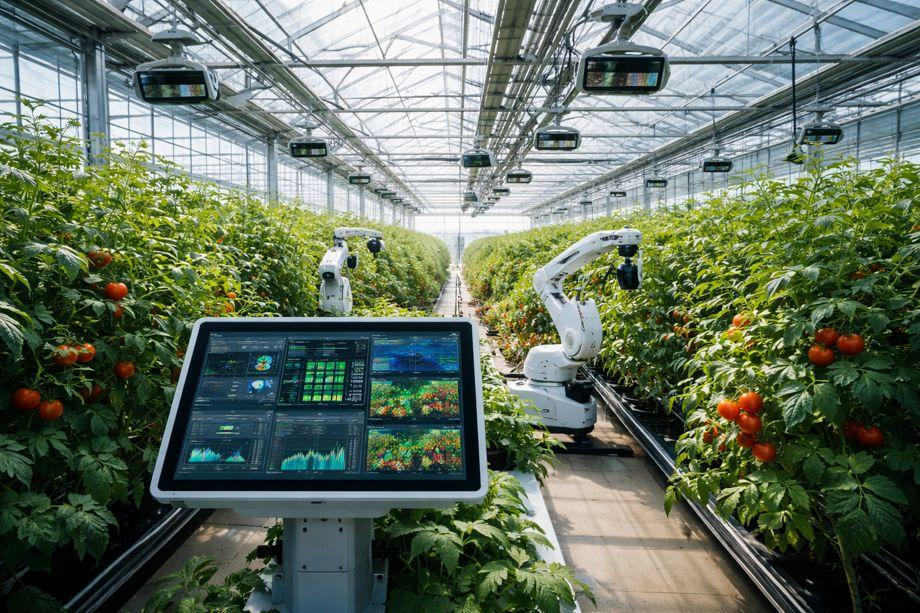
The future of food prices will depend on how effectively countries respond to climate pressures, agricultural challenges, population growth, international trade disruptions, and changing consumer demand.
Technology may help improve agricultural productivity and reduce some production costs.
Smart farming systems, precision irrigation, improved crop varieties, satellite monitoring, and weather forecasting can help farmers make better decisions.
Investment in food storage and transportation may also reduce waste and improve supply-chain efficiency.
At the same time, governments and agricultural businesses will need to prepare for unpredictable weather events and international economic disruptions.
Some important developments to watch include:
Climate-resilient agriculture: Developing farming methods and crops that can better withstand heat, drought, and changing rainfall.
Smart farming technology: Using sensors, data, automation, and digital tools to improve agricultural efficiency.
Better food storage: Expanding cold-chain facilities to protect perishable products.
Diversified food supply chains: Reducing excessive dependence on a small number of suppliers or trading routes.
Sustainable food production: Improving resource efficiency while protecting soil, water, and biodiversity.
More transparent food markets: Making price and supply information easier for farmers, businesses, and consumers to access.
These changes will not eliminate food inflation, but they may help countries build more reliable food systems and respond more effectively to future challenges.
Final Thoughts
Food prices differ around the world because every country has its own agricultural conditions, economic environment, transportation networks, trade relationships, and consumer demand.
A product that is affordable in one market may be expensive somewhere else because of import dependence, currency movements, fuel costs, poor harvests, or distribution challenges.
Global food inflation also reminds us that the food system is closely connected. A disruption in one important agricultural region can influence prices in other parts of the world, although the final impact depends on local conditions and government policies.
For consumers, understanding these factors can make grocery shopping and household budgeting more informed. For governments and businesses, improving agricultural productivity, strengthening supply chains, and supporting vulnerable households remain important priorities.
Ultimately, affordable food is about more than supermarket prices. It is about making sure people everywhere can access nutritious meals without putting excessive pressure on their household finances.
FAQ's
Food prices vary because of differences in local production, transportation, import costs, taxes, currency exchange rates, and consumer demand.
Climate change, rising fuel and fertilizer costs, supply-chain disruptions, international conflicts, and increasing demand contribute to food inflation.
Droughts, floods, heatwaves, and changing rainfall patterns can reduce crop production, create shortages, and increase food prices.
Imported food can cost more because of shipping charges, customs duties, currency fluctuations, storage, and distribution expenses.
Consumers can plan meals, compare grocery prices, buy seasonal produce, reduce food waste, and choose affordable nutritious alternatives.
Sources and notes
Links the author listed for this post.
This article is based on research and information from international organisations and government publications covering food security, agricultural markets, international trade, and consumer prices.


Discussion
0 comments