Shopping has changed a lot over the years. Today, people can order almost anything from their phones, compare prices within seconds, and have products delivered straight to their homes. Online shopping has certainly made life easier, but does that mean traditional department stores have lost their importance? Not really.
There is still something special about walking into a store, looking at products in person, checking the quality, trying different options, and making a purchase without waiting for delivery.
This is exactly why department stores continue to have a place in modern retail. They bring different shopping categories together under one roof, making it easier for customers to explore products and find what they need.
From clothing and footwear to beauty products, home essentials, kitchen accessories, and lifestyle items, department stores offer a shopping experience that goes beyond simply buying something.
Let's explore why department stores still matter and how they are adapting to the changing shopping habits of today's customers.
1. What Makes Department Stores Different?
Imagine going shopping for a new outfit, a pair of shoes, some skincare products, and a few things for your home. Instead of visiting four different shops, you can explore everything in one place.
That is the biggest advantage of a department store.
Unlike smaller specialised shops, department stores bring several product categories together. Customers can browse different sections, compare products, and discover things they might not have originally planned to buy.
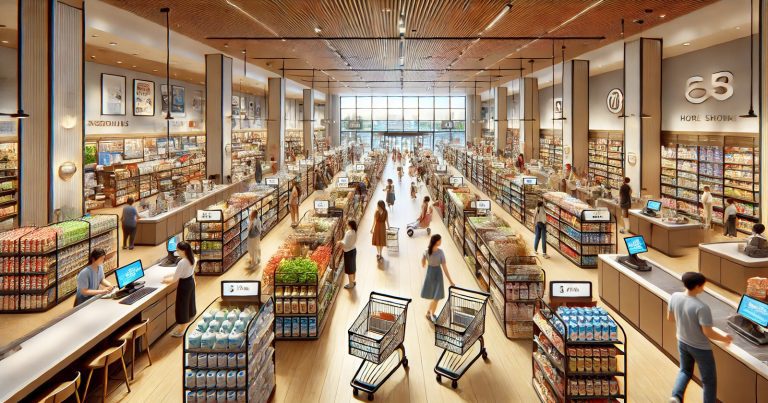
Some common departments include:
Clothing and fashion accessories.
Shoes and footwear.
Beauty and personal care.
Home décor and furnishings.
Kitchen and dining essentials.
Toys and children's products.
Bags, watches, and jewellery.
Seasonal and gift collections.
The variety makes department stores useful for people with different shopping needs. Whether someone is preparing for a special occasion or simply picking up everyday essentials, there is often something for everyone.
2. One Place for Different Shopping Needs
One of the most convenient things about department stores is that customers do not have to travel from one shop to another to find different products.
Think about a family planning a shopping trip before a holiday. Parents may need clothes, children may want new shoes, and someone might be looking for gifts or travel accessories.
Having these options in one location makes the experience much simpler.
Why Customers Appreciate Shopping Under One Roof
Shopping Benefit | Why It Matters |
Product variety | Explore multiple categories in one place |
Time savings | Reduce the need to visit several stores |
Product comparison | Compare different brands and styles |
Convenience | Complete multiple shopping tasks together |
Seasonal collections | Find products for different occasions |
Gift options | Explore choices for different age groups |
Department stores are not just about having more products. They are about making shopping feel less complicated.
3. The Experience of Seeing Products Before Buying
Online shopping is convenient, but sometimes pictures do not tell the whole story.
A dress may look beautiful on a screen, but customers may want to check its fabric, fitting, and actual colour. Similarly, when purchasing home accessories, people often prefer seeing the size, finish, and material before spending their money.
This is where physical department stores have a natural advantage.
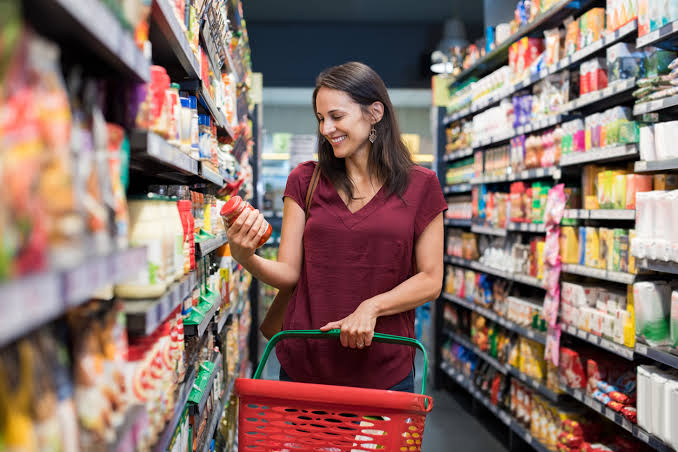
Customers can:
Touch and examine products.
Try on selected clothing and footwear.
Compare colours and materials.
Check product sizes and finishing.
Ask store employees for assistance.
Make more confident purchasing decisions.
These small experiences can make a big difference, especially when buying products that depend on personal taste or fitting.
4. Personal Customer Service Still Makes a Difference
Sometimes shopping becomes easier when someone is there to help.
Imagine looking for a particular type of jacket but feeling confused by the available styles. A store assistant can help narrow down the options, explain product features, or suggest something suitable.
That kind of personal interaction is something many shoppers still appreciate.
How In-Store Assistance Helps Customers
Product guidance: Employees can explain product features and available options.
Size assistance: Customers can get help finding suitable clothing or footwear sizes.
Product availability: Store staff can provide information about available stock.
Shopping support: Customers can receive assistance when comparing different products.
A more welcoming experience: Friendly service can make shopping feel more comfortable.
Not every customer needs assistance, of course. Some enjoy browsing independently, while others appreciate having someone available when questions come up.
The important thing is having the choice.
5. Department Stores Are Adapting to Online Shopping
Department stores understand that customers are no longer shopping in just one way.
Some people prefer visiting physical stores, while others enjoy browsing online from their homes. Many shoppers actually use both methods depending on what they need.
This has encouraged retailers to combine their physical and digital shopping experiences.
For example, a customer might discover a product online, visit a store to check it in person, and then complete the purchase through a digital platform.
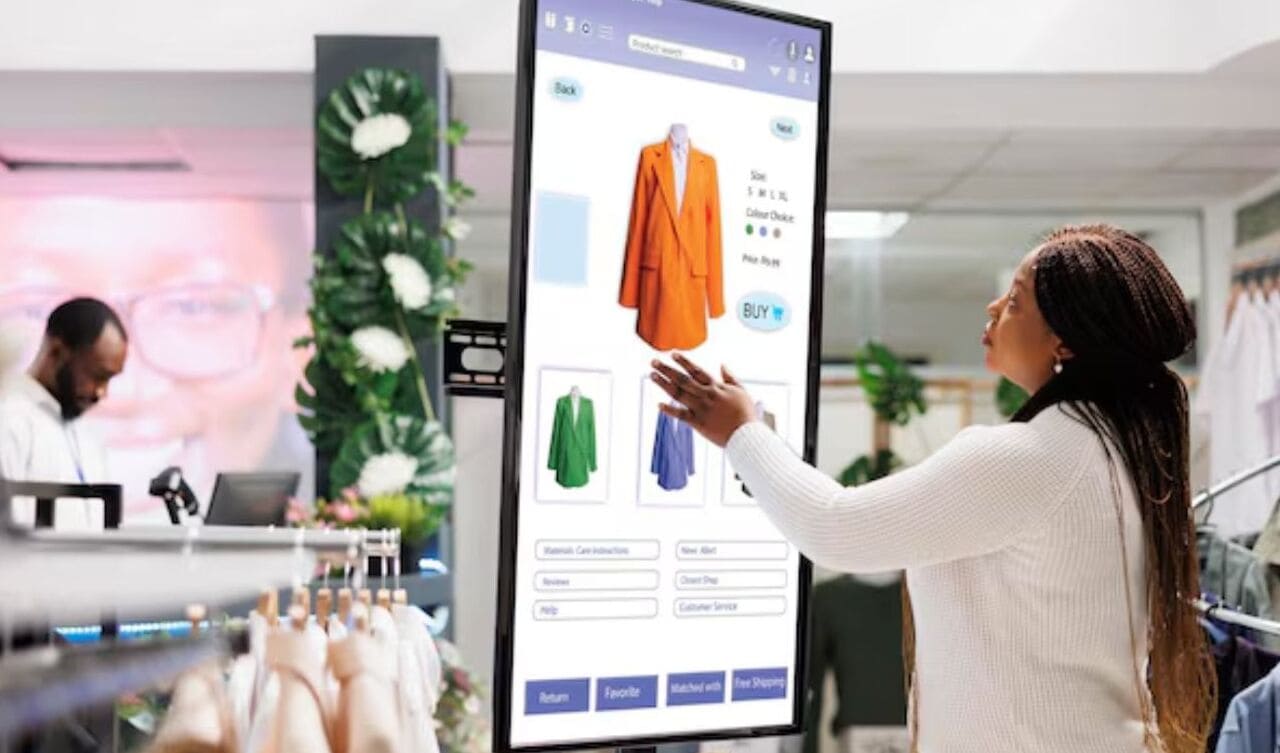
How Retailers Are Connecting Online and Offline Shopping
Modern Retail Feature | Customer Advantage |
Online product catalogues | Browse products before visiting |
Click-and-collect | Order online and collect in-store |
Digital payments | Enjoy convenient checkout options |
Online stock information | Check product availability |
Loyalty applications | Access rewards and selected offers |
Personalised recommendations | Discover relevant products |
This combination is often called omnichannel retail.
The idea is simple: customers should be able to move between online and physical shopping without feeling like they are using two completely separate services.
6. Seasonal Shopping Keeps Department Stores Relevant
Shopping habits often change depending on the time of year.
During festivals, holidays, birthdays, weddings, and seasonal celebrations, people start looking for products that match the occasion.
Department stores make this easier by bringing seasonal collections and relevant products into one shopping environment.
For example:
Winter collections featuring jackets, sweaters, and boots.
Summer clothing and outdoor essentials.
Holiday decorations and gift collections.
Back-to-school clothing and accessories.
Festive fashion and beauty products.
Special occasion gifts and home accessories.
These collections also make it easier for customers to discover products they may not have considered before.
A well-organised seasonal display can turn an ordinary shopping trip into an enjoyable browsing experience.
7. Different Brands Give Customers More Choices
One customer may prefer affordable everyday clothing, while another might be interested in premium fashion. Some shoppers look for familiar brands, whereas others enjoy discovering something new.
Department stores often bring different brands and product ranges together, giving customers more flexibility.
Instead of visiting multiple individual stores, shoppers can explore several options in one location.
What Makes Product Variety Important?
Customers can compare different price ranges.
Different styles are available for different preferences.
Shoppers can discover new brands.
Families can find products for different age groups.
More options make it easier to match individual budgets.
Having choices does not mean customers will always purchase more. Sometimes, simply being able to compare products helps them make a better decision.
8. Department Stores Make Family Shopping Easier
Shopping alone is one thing, but shopping with family can be a completely different experience.
Parents may need children's clothing, teenagers may want accessories, and other family members might be searching for home essentials. Finding everything in separate locations can quickly turn a simple outing into a tiring day.
Department stores help bring different shopping needs together.
Why families may prefer department stores:
Multiple product categories are available in one location.
Different age groups can explore their preferred sections.
Families can compare products and prices together.
Gift shopping becomes more convenient.
Physical stores allow customers to check products before purchasing.
For many families, shopping is also a way to spend time together. Browsing different sections, choosing outfits, and discovering new products can make the experience enjoyable beyond the actual purchase.
9. The Role of Technology in Modern Department Stores
Technology is changing almost every part of retail, and department stores are no exception.
From digital payment systems to smart inventory management, technology helps retailers make shopping more convenient and manage their operations more effectively.
Customers may not always notice the technology working behind the scenes, but they can experience its benefits during a shopping trip.
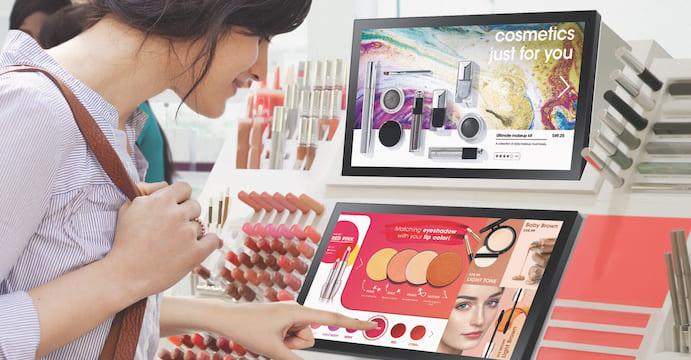
Technologies Changing Retail Shopping
Technology | How It Helps |
Digital payment systems | Make checkout faster and more convenient |
Self-checkout counters | Give customers another checkout option |
Inventory software | Helps manage product availability |
AI-powered recommendations | Supports more relevant product discovery |
Mobile shopping apps | Connect digital and physical shopping |
Digital displays | Share product and promotional information |
Technology does not replace the human side of shopping. Instead, it can make certain tasks easier so customers and employees can focus on more useful interactions.
10. What Makes a Good Department Store Shopping Experience?
Not every department store offers the same experience. Some are known for their product selection, while others stand out because of their customer service, store layout, or pricing.
A good shopping experience usually comes from several small things working together.
Here are some features customers often appreciate:
Organised sections: Products should be easy to locate.
Clear pricing: Customers should understand product prices and offers.
Helpful staff: Assistance should be available when needed.
Clean surroundings: A comfortable shopping environment matters.
Good product selection: Different needs and budgets should be considered.
Convenient checkout: Long and confusing payment processes can spoil the experience.
Accessible facilities: Stores should consider customers with different needs.
Sometimes, it is not one big feature that makes a store memorable. It is the overall experience, from entering the store to completing the purchase.
11. Online Shopping vs Department Stores: What Works Better?
The discussion between online shopping and physical retail often makes it seem like customers must choose one over the other.
In reality, both serve different purposes.
Online shopping is great when customers already know what they want. Physical stores are useful when they want to examine products, try different options, or receive personal assistance.
Let's compare the two.
Shopping Factor | Online Shopping | Department Stores |
Convenience | Shop from almost anywhere | Requires a store visit |
Product inspection | Depends on photos and descriptions | See and touch products |
Product comparison | Easy to compare online listings | Compare products in person |
Personal assistance | Chat or customer support | Face-to-face help |
Product availability | Depends on delivery coverage | Depends on local stock |
Shopping experience | Digital and independent | Physical and interactive |
Neither option is perfect for every situation.
For many shoppers, combining both methods offers the most flexibility.
12. What Does the Future Look Like for Department Stores?
Retail is constantly evolving. Customer expectations change, new technologies appear, and shopping habits continue to shift.
Department stores that want to remain relevant need to understand these changes rather than rely entirely on traditional retail practices.
Some developments likely to shape the future include:
More personalised shopping: Retailers may use customer preferences to make product discovery more relevant.
Better digital integration: Physical stores and online platforms will continue becoming more connected.
Sustainability-focused choices: Customers are paying greater attention to product quality, materials, packaging, and responsible shopping.
Improved store experiences: Retail spaces may offer more interactive displays and convenient services.
Smarter inventory management: Better technology can help retailers understand product demand and manage stock.
The future of department stores is not simply about having larger buildings or more products. It is about creating shopping experiences that people genuinely find useful.
13. Simple Tips for Getting More Out of Department Store Shopping
A department store may offer hundreds of products, but that does not mean every shopping trip needs to become expensive or time-consuming.
A little planning can help you make better choices.
Smart Shopping Checklist
Make a shopping list before visiting.
Set a budget and stick to it.
Compare different brands and product options.
Check product quality before purchasing.
Look at seasonal offers and discounts.
Read return and exchange conditions.
Avoid buying things simply because they are on sale.
Keep your actual needs in mind.
The best shopping trip is not necessarily the one where you buy the most. It is the one where you find what you need without unnecessary spending.
14. Why Department Stores Still Have a Place in Modern Shopping

Despite the growth of e-commerce, department stores continue to offer something that digital shopping cannot completely recreate.
They give people a physical space to explore products, compare options, ask questions, and enjoy the experience of shopping.
For some customers, it is about convenience. For others, it is about personal service or the simple pleasure of browsing through different collections.
Their ability to bring multiple shopping categories together also makes them useful for everyday purchases, seasonal needs, and special occasions.
Department stores may look different from how they did years ago, but their purpose remains familiar: helping people find the products they need in one convenient place.
Shopping is not only about purchasing products. It is also about discovering new things, comparing choices, finding something that feels right, and sometimes enjoying a little time away from everyday routines.
Online shopping has made buying easier, but department stores still offer an experience that many people value. The ability to see products in person, explore different brands, receive assistance, and shop across multiple categories continues to make physical retail relevant.
As the retail industry changes, department stores will need to keep improving their services and embracing technology. Those that understand what customers actually want can continue to build meaningful shopping experiences.
At the end of the day, good retail is not about whether someone shops online or offline. It is about making shopping convenient, enjoyable, and worthwhile.
FAQ’s
Department stores offer different products under one roof, making shopping easier. Customers can also check product quality and compare options in person.
You can find clothing, footwear, beauty products, home décor, kitchen essentials, toys, accessories and seasonal collections.
Both have their advantages. Online shopping saves time, while department stores let customers see, touch and try products before buying.
Many retailers are introducing digital payments, online catalogues, mobile apps and click-and-collect services to improve convenience.
Customers should plan their purchases, set a budget, compare brands and check product quality, prices and return policies before buying.
Sources and review notes
References used to check facts, freshness, and reader-safe recommendations in this guide.
This article is based on general retail industry information, department store shopping practices, consumer buying habits, and the changing relationship between online and in-store shopping.
- 1fibre2fashion.com (opens in a new tab)
fibre2fashion.com
Discussion
0 comments
No comments yet
Discussion will appear here once it loads.