Shopping has changed significantly over the years. What once involved visiting several different shops to purchase clothing, electronics, groceries, beauty products, and household essentials can now be done through a combination of physical stores and online shopping platforms. Modern customers want convenience, product variety, competitive prices, and a shopping experience that makes everyday purchasing easier.
Department stores continue to play an important role in this changing retail environment. Unlike specialised shops that focus on one particular product category, department stores bring together multiple shopping sections under one roof. Customers can explore fashion collections, footwear, beauty products, home furnishings, electronics, sports equipment, toys, groceries, and many other essentials in a single location.
The development of e-commerce has made this retail model even more flexible. Customers can visit physical stores to explore products in person or browse online catalogues whenever it suits them. Many retailers also offer additional services such as home delivery, store collection, personalised assistance, loyalty programmes, and flexible payment options.
One example of this modern retail model is El Corte Inglés, a well-known Spanish department store group. Its online platform offers a broad selection of products across fashion, home, electronics, beauty, sports, food, entertainment, and other lifestyle categories.
This article explores the retail and department store industry in 2026, including its major product categories, shopping experiences, digital transformation, customer services, emerging trends, and practical tips for making smarter purchasing decisions.
What Is Retail and Department Store Shopping?
Retail refers to the process of selling products and services directly to individual customers for personal or household use. It includes different types of businesses, such as supermarkets, fashion retailers, electronics stores, speciality shops, online marketplaces, and department stores.
A department store is a retail establishment that offers a wide range of products through separate departments. Each section focuses on a particular shopping category, allowing customers to find different types of products within the same shopping environment.
For example, a traditional department store may include:
Women's, men's, and children's clothing
Footwear, handbags, and fashion accessories
Beauty, skincare, and fragrances
Furniture and home decoration
Kitchenware and household essentials
Smartphones, computers, and electronics
Home appliances
Sportswear and fitness equipment
Books, toys, and entertainment products
Food, gourmet products, and groceries
Travel accessories and luggage
This variety makes department stores useful for customers who prefer shopping for several needs in one place.
Modern department stores also operate through digital channels. Their websites and mobile applications allow customers to browse collections, compare products, check availability, and place orders without visiting a physical location.
Understanding the Modern Department Store Business Model
The department store model combines different product categories, brands, and customer services into one retail business.
Its main purpose is to create a convenient shopping destination where customers can explore products for different occasions and everyday requirements.
1. Multiple Product Departments
Product variety is one of the most important characteristics of department stores.
Instead of focusing only on fashion or electronics, these retailers offer products across several categories. This allows customers to complete different shopping activities during one visit.
For example, someone preparing for a holiday might purchase clothing, footwear, luggage, skincare products, and travel accessories from different departments of the same retailer.
2. National and International Brands
Department stores often bring together products from established international brands, local designers, and their own private labels.
This gives customers the opportunity to compare different styles, prices, materials, and product features.
Some retailers also develop exclusive collections or private-label brands to offer products that are not available through other sellers.
3. Physical Stores and Online Shopping
The modern department store business model is no longer limited to traditional shopping centres or high-street locations.
Retailers increasingly combine physical stores with websites and mobile applications. Customers can discover products online, visit stores to inspect them, or choose available delivery and collection services.
This combination is commonly known as omnichannel retailing.
4. Customer Service and Additional Benefits
Customer experience is another important part of department store retail.
Services may include personal shopping assistance, product demonstrations, delivery, installation, returns, loyalty programmes, and customer support.
These services help retailers build stronger relationships with shoppers and make purchasing decisions more convenient.
Major Shopping Categories at El Corte Inglés
Major Shopping Categories at El Corte Inglés
Discover a wide variety of shopping categories, from fashion and beauty to home essentials, technology, sports and gourmet food. Explore each card to learn more about the collections.
 Fashion Collection
Fashion and Clothing
Explore clothing, footwear, handbags and accessories for women, men and children, with styles for everyday wear and special occasions.
DISCOVER THE CATEGORY
Fashion is an important part of the department store shopping experience. Customers can explore clothing for women, men and children, along with footwear, handbags, accessories and seasonal collections.
The selection includes different styles, from everyday casual clothing to formalwear, designer fashion and occasion-based outfits.
 Beauty Essentials
Beauty and Personal Care
Find skincare, makeup, haircare, fragrances and personal grooming products from a range of beauty brands.
DISCOVER THE CATEGORY
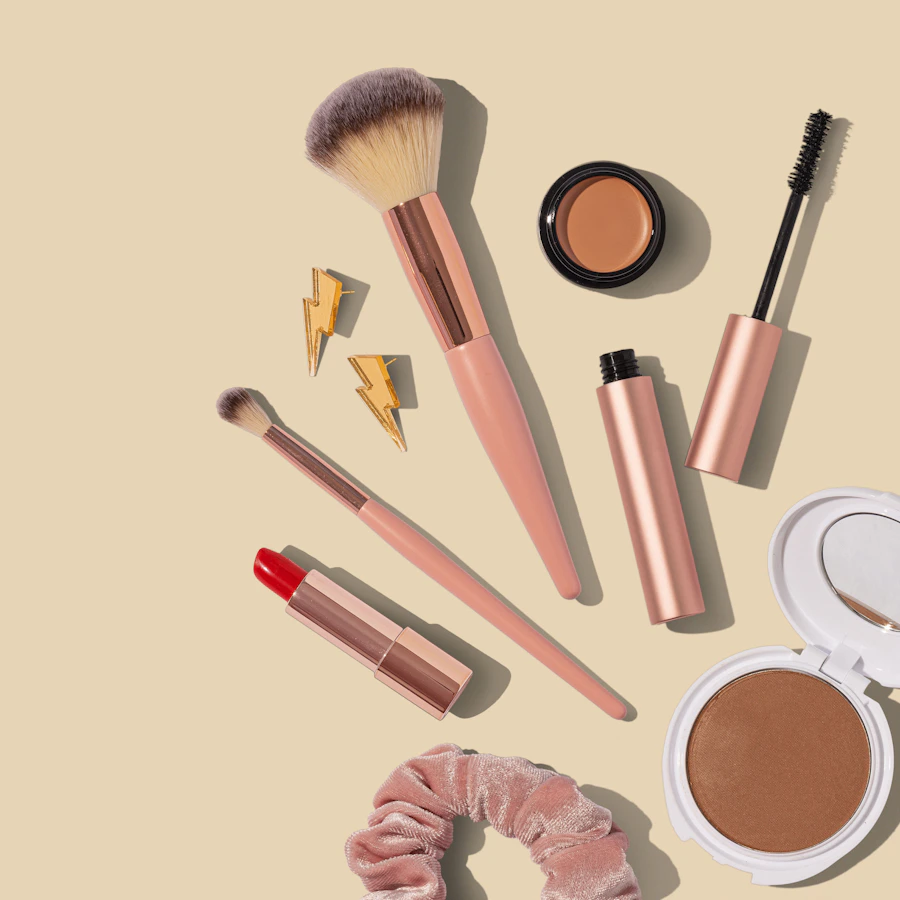
The beauty department brings together products for skincare, makeup, haircare, fragrances and personal grooming.
Customers can explore products from different beauty brands and compare options according to their preferences, skin needs and budgets.
 Home Living
Home and Furniture
Discover furniture, lighting, bedding, kitchen essentials and decorative accessories for comfortable living spaces.
DISCOVER THE CATEGORY
The home department focuses on products that make living spaces more comfortable and functional.
Its categories can include furniture, lighting, bedding, tableware, kitchen essentials, decorative accessories and household storage solutions.
Customers can find products for different rooms and interior styles.
 Smart Technology
Electronics and Home Appliances
Browse smartphones, laptops, televisions, cameras, headphones and essential household appliances.
DISCOVER THE CATEGORY
Electronics and household appliances are another major retail category. Products may include smartphones, laptops, televisions, cameras, headphones, kitchen appliances, washing machines, refrigerators and other technology products.
Customers should compare specifications, energy efficiency, warranties and installation requirements before purchasing larger appliances.
 Active Lifestyle
Sports and Fitness
Explore sportswear, footwear, equipment and accessories for running, training and outdoor activities.
DISCOVER THE CATEGORY
Sports departments provide clothing, footwear, equipment and accessories for different physical activities.
Shoppers can explore products for running, training, outdoor activities, fitness and other sports.
The right product depends on the activity, comfort requirements, experience level and intended use.
 Gourmet Selection
Food and Gourmet Products
Discover groceries, specialty foods, regional selections and gourmet products for food lovers.
DISCOVER THE CATEGORY
Food retail adds another dimension to the department store experience. Customers can explore groceries, specialty foods, gourmet products, regional selections and other food-related offerings.
El Corte Inglés also features its Club del Gourmet concept, which focuses on selected food products and gourmet experiences.
 Books and Entertainment
Books, Toys and Entertainment
Find books, stationery, toys, gaming products and entertainment options for children and families.
DISCOVER THE CATEGORY
Department stores also serve customers looking for educational and entertainment products.
These sections may include books, stationery, toys, gaming products, music, films and products for children and families.
This broad selection makes the retailer relevant for everyday shopping as well as seasonal and special-occasion purchases.
Major Shopping Categories at El Corte Inglés
Explore seven shopping categories, from fashion and beauty to home essentials, electronics, food and entertainment.
Fashion and Clothing
Fashion is an important part of the department store shopping experience. Customers can explore clothing for women, men and children, along with footwear, handbags, accessories and seasonal collections.
The selection includes different styles, from everyday casual clothing to formalwear, designer fashion and occasion-based outfits.
Beauty and Personal Care
The beauty department brings together products for skincare, makeup, haircare, fragrances and personal grooming.
Customers can explore products from different beauty brands and compare options according to their preferences, skin needs and budgets.
Home and Furniture
The home department focuses on products that make living spaces more comfortable and functional.
Its categories can include furniture, lighting, bedding, tableware, kitchen essentials, decorative accessories and household storage solutions.
Customers can find products for different rooms and interior styles.
Electronics and Home Appliances
Electronics and household appliances are another major retail category. Products may include smartphones, laptops, televisions, cameras, headphones, kitchen appliances, washing machines, refrigerators and other technology products.
Customers should compare specifications, energy efficiency, warranties and installation requirements before purchasing larger appliances.
Sports and Fitness
Sports departments provide clothing, footwear, equipment and accessories for different physical activities.
Shoppers can explore products for running, training, outdoor activities, fitness and other sports.
The right product depends on the activity, comfort requirements, experience level and intended use.
Food and Gourmet Products
Food retail adds another dimension to the department store experience. Customers can explore groceries, specialty foods, gourmet products, regional selections and other food-related offerings.
El Corte Inglés also features its Club del Gourmet concept, which focuses on selected food products and gourmet experiences.
Books, Toys, and Entertainment
Department stores also serve customers looking for educational and entertainment products.
These sections may include books, stationery, toys, gaming products, music, films and products for children and families.
This broad selection makes the retailer relevant for everyday shopping as well as seasonal and special-occasion purchases.
← Swipe or scroll horizontally, or use the Previous and Next buttons →
Major Shopping Categories at El Corte Inglés
Discover a wide variety of shopping categories, from fashion and beauty to electronics, home essentials, food and entertainment. Select any card to explore more.
01
Fashion and Clothing
Explore everyday styles, formalwear, footwear and fashion accessories.
Fashion is an important part of the department store shopping experience. Customers can explore clothing for women, men and children, along with footwear, handbags, accessories and seasonal collections.
The selection includes different styles, from everyday casual clothing to formalwear, designer fashion and occasion-based outfits.
02
Beauty and Personal Care
Find skincare, makeup, haircare, fragrances and grooming products.
The beauty department brings together products for skincare, makeup, haircare, fragrances and personal grooming.
Customers can explore products from different beauty brands and compare options according to their preferences, skin needs and budgets.
03
Home and Furniture
Explore furniture, lighting, bedding, kitchenware and home décor.
The home department focuses on products that make living spaces more comfortable and functional.
Its categories can include furniture, lighting, bedding, tableware, kitchen essentials, decorative accessories and household storage solutions.
Customers can find products for different rooms and interior styles.
04
Electronics and Home Appliances
Discover technology products and useful appliances for modern homes.
Electronics and household appliances are another major retail category. Products may include smartphones, laptops, televisions, cameras, headphones, kitchen appliances, washing machines, refrigerators and other technology products.
Customers should compare specifications, energy efficiency, warranties and installation requirements before purchasing larger appliances.
05
Sports and Fitness
Find sportswear, footwear, fitness equipment and activity accessories.
Sports departments provide clothing, footwear, equipment and accessories for different physical activities.
Shoppers can explore products for running, training, outdoor activities, fitness and other sports.
The right product depends on the activity, comfort requirements, experience level and intended use.
06
Food and Gourmet Products
Explore groceries, specialty foods and gourmet selections.
Food retail adds another dimension to the department store experience. Customers can explore groceries, specialty foods, gourmet products, regional selections and other food-related offerings.
El Corte Inglés also features its Club del Gourmet concept, which focuses on selected food products and gourmet experiences.
07
Books, Toys, and Entertainment
Discover books, stationery, toys, gaming and family entertainment.
Department stores also serve customers looking for educational and entertainment products.
These sections may include books, stationery, toys, gaming products, music, films and products for children and families.
This broad selection makes the retailer relevant for everyday shopping as well as seasonal and special-occasion purchases.
1. Fashion and Clothing
Fashion is an important part of the department store shopping experience. Customers can explore clothing for women, men, and children, along with footwear, handbags, accessories, and seasonal collections.
The selection includes different styles, from everyday casual clothing to formalwear, designer fashion, and occasion-based outfits.
2. Beauty and Personal Care
The beauty department brings together products for skincare, makeup, haircare, fragrances, and personal grooming.
Customers can explore products from different beauty brands and compare options according to their preferences, skin needs, and budgets.
3. Home and Furniture
The home department focuses on products that make living spaces more comfortable and functional.
Its categories can include furniture, lighting, bedding, tableware, kitchen essentials, decorative accessories, and household storage solutions.
Customers can find products for different rooms and interior styles.
4. Electronics and Home Appliances
Electronics and household appliances are another major retail category.
Products may include smartphones, laptops, televisions, cameras, headphones, kitchen appliances, washing machines, refrigerators, and other technology products.
Customers should compare specifications, energy efficiency, warranties, and installation requirements before purchasing larger appliances.
5. Sports and Fitness
Sports departments provide clothing, footwear, equipment, and accessories for different physical activities.
Shoppers can explore products for running, training, outdoor activities, fitness, and other sports.
The right product depends on the activity, comfort requirements, experience level, and intended use.
6. Food and Gourmet Products
Food retail adds another dimension to the department store experience.
Customers can explore groceries, specialty foods, gourmet products, regional selections, and other food-related offerings.
El Corte Inglés also features its Club del Gourmet concept, which focuses on selected food products and gourmet experiences.
7. Books, Toys, and Entertainment
Department stores also serve customers looking for educational and entertainment products.
These sections may include books, stationery, toys, gaming products, music, films, and products for children and families.
This broad selection makes the retailer relevant for everyday shopping as well as seasonal and special-occasion purchases.
Benefits of Shopping at Department Stores
Department stores offer several advantages that make them useful for different types of customers.
Convenience of Shopping in One Place
One of the biggest benefits is the ability to purchase products from different categories without visiting multiple specialised shops.
Customers can explore fashion, beauty, electronics, home products, and other essentials through one retailer.
This can save time, particularly when preparing for holidays, family occasions, or seasonal shopping.
Wide Product Selection
Department stores generally offer products from different brands and price ranges.
Customers can compare styles, materials, specifications, and features before making purchasing decisions.
This variety can be useful for shoppers who are still exploring their preferences.
Access to Different Brands
Many department stores feature national and international brands alongside private-label products.
This allows customers to discover familiar labels and explore alternatives within the same shopping environment.
Seasonal Promotions and Special Offers
Retailers frequently organise promotional campaigns around seasonal changes, holidays, special events, and major shopping periods.
Customers may find discounts across fashion, electronics, home products, beauty, and other categories.
However, it is important to compare the final price and review the conditions attached to each promotion.
Physical and Online Shopping Options
Customers can choose the shopping method that suits their needs.
Some prefer visiting physical stores to inspect products, try clothing, or speak with sales assistants. Others enjoy the convenience of browsing online and arranging home delivery.
Having both options creates a more flexible shopping experience.
Customer Assistance
Many department stores provide support through in-store employees and online customer service channels.
Customers may receive assistance with product information, availability, delivery, payment, and returns.
The level of service depends on the retailer and the product category.
Important Factors to Consider Before Buying from a Department Store
A large product selection can make shopping convenient, but it is still important to evaluate products carefully.
1. Product Quality
Check the materials, construction, specifications, and product descriptions before purchasing.
For clothing, consider fabric composition and stitching. For electronics, compare technical features and manufacturer information.
For furniture and home products, review dimensions, materials, and assembly requirements.
2. Price Comparison
Do not assume that a product is automatically the best value because it appears in a promotional section.
Compare prices across retailers and consider the overall product quality, warranty, delivery charges, and additional services.
3. Product Authenticity
When buying branded products, purchase through trusted retailers and check the product information carefully.
Review brand details, seller information where applicable, packaging, and official product descriptions.
4. Delivery and Availability
Check whether the product is available for delivery to your location.
Large appliances, furniture, and bulky products may have different delivery arrangements compared with smaller items.
Always review the estimated delivery period before placing an order.
5. Return and Exchange Policies
Return conditions can vary by product category.
Some products may have special restrictions because of hygiene, personalisation, software activation, or other reasons.
Before purchasing, review the return period, product condition requirements, refund process, and any applicable charges.
6. Warranty and After-Sales Support
For electronics and home appliances, warranty information is particularly important.
Check the warranty period, service arrangements, repair options, and whether installation is included.
Keep the invoice and purchase confirmation for future reference.
Retail and Department Store Trends in 2026
The retail industry continues to evolve as customers become more digitally connected and expect shopping experiences that are convenient, personalised, and transparent.
Several trends are influencing the department store sector.
1. Omnichannel Shopping Experiences
Customers increasingly move between online and offline shopping channels.
They may discover a product on a website, inspect it in a physical store, and complete the purchase through a mobile application.
Retailers are therefore working to create more consistent experiences across their different sales channels.
2. Personalised Shopping
Personalisation is becoming an important part of digital retail.
Online platforms may use customer preferences, browsing activity, and purchase history to recommend relevant products.
These recommendations can make product discovery easier, although customers should still compare options independently.
3. Artificial Intelligence in Retail
Artificial intelligence is influencing product recommendations, customer support, inventory management, and digital search experiences.
AI-powered tools can help retailers understand customer demand and organise product information more efficiently.
Virtual assistants and automated support systems may also provide quicker answers to common shopping questions.
4. Mobile-First Shopping
Smartphones have become an important part of the shopping journey.
Customers use mobile devices to compare prices, check availability, discover promotions, and manage orders.
Retailers are responding by improving website navigation, mobile applications, checkout experiences, and order-tracking services.
5. Sustainable and Responsible Retail
Environmental awareness is influencing how some customers evaluate products and retailers.
Shoppers may pay more attention to durable materials, responsible manufacturing, energy-efficient appliances, packaging, and product repair options.
Retailers are also exploring ways to improve resource efficiency and reduce waste across their operations.
6. Growth of Private-Label Brands
Department stores increasingly use their own brands to provide additional choices across clothing, accessories, home products, and other categories.
Private labels can offer distinctive designs and different price points while helping retailers build their own brand identity.
7. Experience-Based Shopping
Physical department stores are developing beyond traditional product displays.
Some offer personal shopping, food experiences, beauty workshops, product demonstrations, and other activities.
These experiences can give customers additional reasons to visit physical locations instead of relying entirely on online shopping.
The Difference Between Department Stores and Specialised Retailers
Department stores and specialised retailers serve different shopping needs.
Department stores offer products across several categories, while specialised retailers focus on a particular type of product or customer requirement.
For example, a department store may sell clothing, electronics, furniture, beauty products, and groceries. A specialised electronics retailer, on the other hand, concentrates mainly on technology products and related services.
Feature | Department Stores | Specialised Retailers |
|---|---|---|
Product selection | Multiple product categories | Focused product range |
Shopping experience | Several departments under one retailer | Dedicated category expertise |
Brand selection | Often includes many brands | Usually focused on specific brands or categories |
Customer needs | General and household shopping | Specific product requirements |
Convenience | Useful for multiple purchases | Useful for detailed category-based shopping |
Both retail formats have advantages. The best choice depends on the customer's shopping requirements, preferred brands, product knowledge, and budget.
Final Thoughts
Retail and department stores continue to be an important part of everyday shopping because they bring together a wide range of products and services in one convenient environment.
From fashion and beauty to electronics, home furnishings, sports equipment, groceries, and entertainment, department stores help customers manage different shopping needs through a single retailer.
Online platforms have expanded these possibilities by allowing shoppers to explore collections, compare products, and arrange deliveries from home. El Corte Inglés is an example of a department store group that combines physical retail locations with online shopping and a broad range of product categories.
However, a good shopping experience is not simply about finding a large selection of products. Product quality, transparent pricing, reliable delivery, clear return policies, and helpful customer service are equally important.
By comparing options, planning purchases, and understanding product details, customers can make more informed decisions and get greater value from their shopping experience.
As retail continues to develop in 2026, the combination of digital convenience and personal in-store service will remain central to the future of department store shopping.
FAQ's
El Corte Inglés is a Spanish retail group known for its department stores and wide range of products, including fashion, beauty, electronics, home goods, sports, and food.
Customers can shop for clothing, footwear, accessories, cosmetics, furniture, electronics, home appliances, sports equipment, groceries, books, and toys.
Yes, customers can browse and purchase products through its official online shopping platform, subject to location and product availability.
A department store is a retail business that offers multiple product categories through different departments under one store or retail brand.
Customers should review product details, prices, payment options, delivery services, warranty information, and return policies before placing an order.
Sources and review notes
References used to check facts, freshness, and reader-safe recommendations in this guide.
This article is based on information from El Corte Inglés’ official website and corporate information pages, including its business lines, business model, product categories, and retail operations.
- 1
- 2
Discussion
0 comments
No comments yet
Discussion will appear here once it loads.