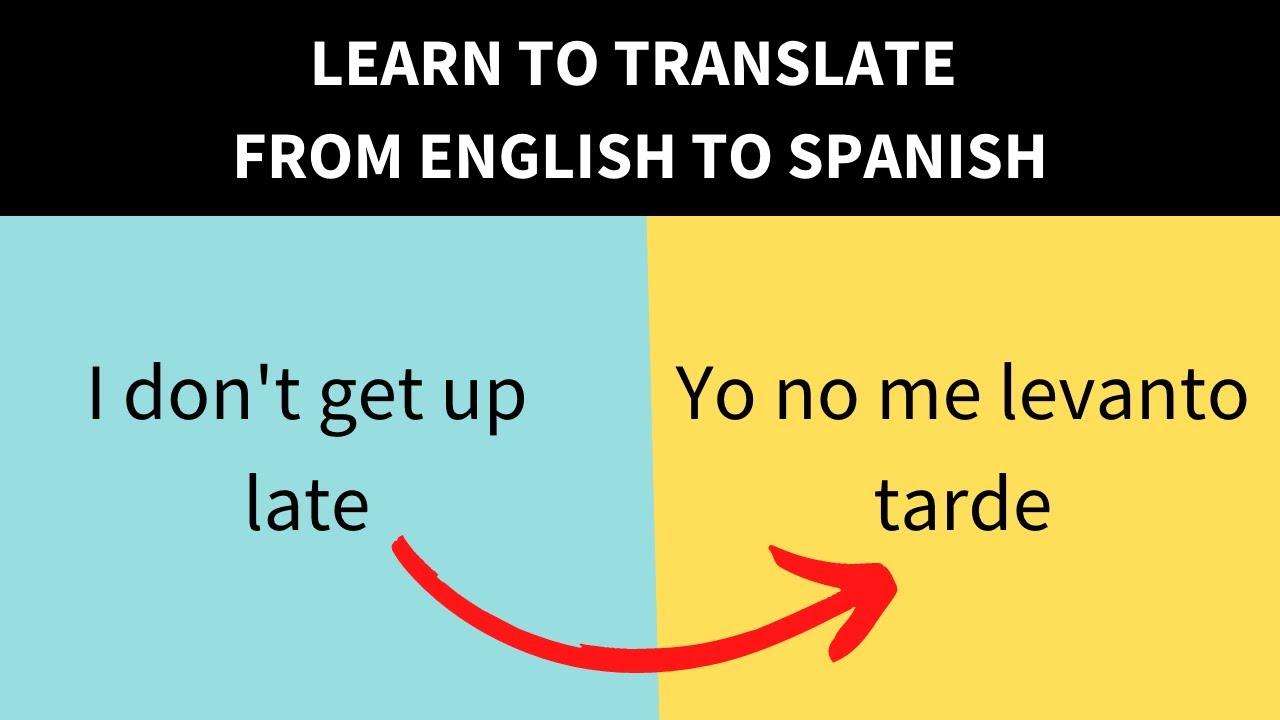
Learning how to translate English sentences into Spanish can be easier than you think. Whether you want to communicate with Spanish speakers, travel to another country, understand online content, or improve your language skills, knowing basic translation techniques can make a big difference.english to spanish translator
Spanish is spoken in many countries, so learning a few common expressions can be useful in everyday life. You do not need to memorise hundreds of words at once. Start with simple sentences and gradually learn how to form longer expressions.
The best way to improve is to understand the meaning of a sentence before translating it. With regular practice, basic grammar knowledge, and the right translation tools, you can make your Spanish sentences sound more natural and clear.
1. Start With Common English and Spanish Words
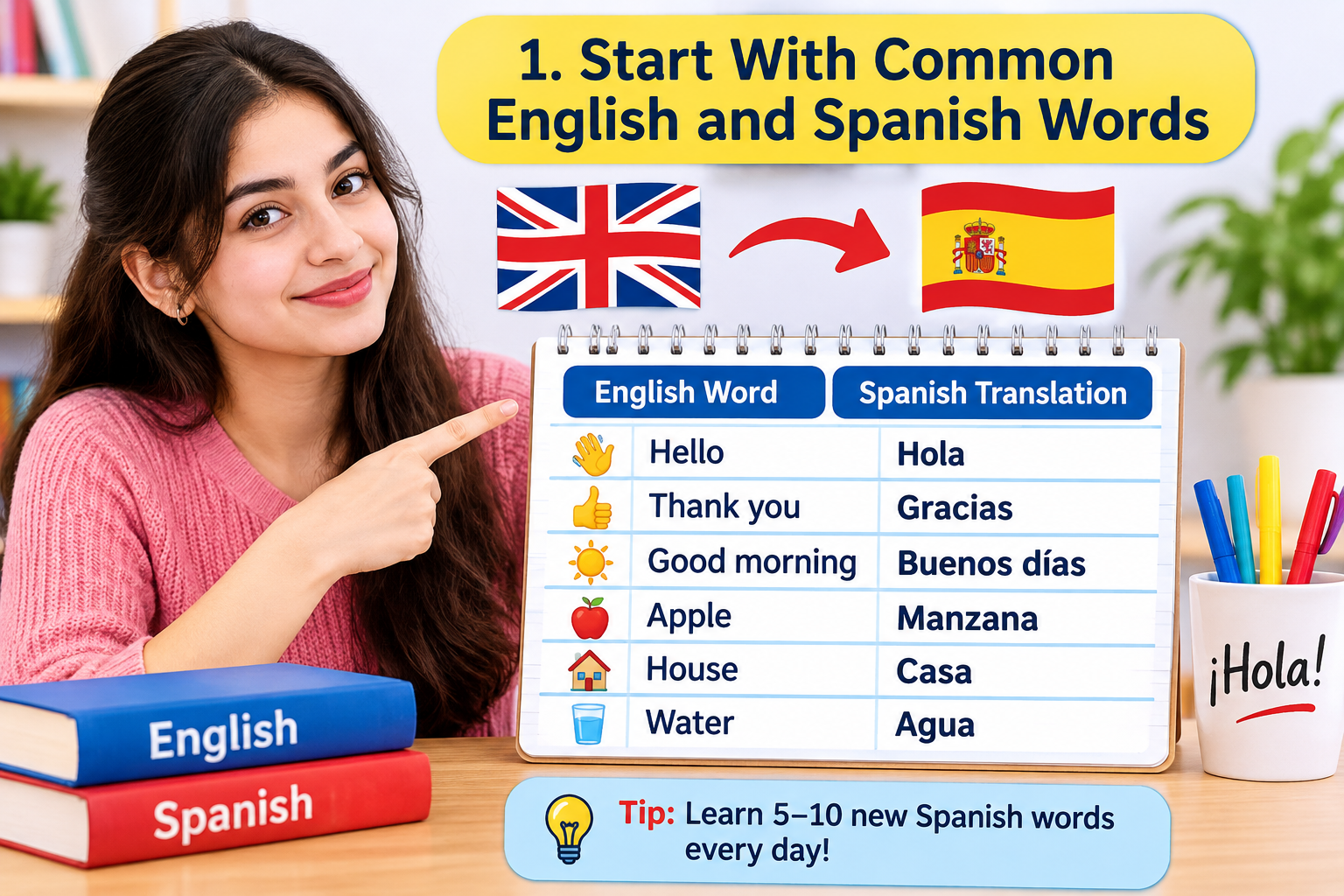
The first step is to learn words that you regularly use in everyday conversations. Common vocabulary makes translation easier because you can recognise familiar words and understand simple sentences without always using a translator.
Start with greetings, numbers, food, family members, and everyday activities. For example, "Hello" means "Hola", "Thank you" means "Gracias", and "Good morning" means "Buenos días".
Try learning five to ten new Spanish words every day. Write them in a notebook and use each word in a simple sentence. This small habit can help you remember vocabulary for longer.
2. Understand Basic Spanish Sentence Structure
English and Spanish have some similarities in sentence structure, but they do not always follow exactly the same rules. Understanding these differences helps you translate sentences correctly.
For example, the English sentence "I speak Spanish" becomes "Yo hablo español". Spanish speakers can also say "Hablo español" because the verb already indicates the subject.
Keep these basic points in mind:
Learn how subjects and verbs work together.
Understand where objects appear in a sentence.
Notice when Spanish sentences do not need subject pronouns.
Practise forming short sentences before moving to longer ones.
3. Use an English to Spanish Translator
An online English to Spanish translator can be helpful when you need a quick translation. These tools allow you to enter words, sentences, or paragraphs and receive Spanish translations within seconds.
They are especially useful for beginners who are still learning vocabulary and grammar. Some translation tools also provide pronunciation support, which makes it easier to understand how words should sound.
However, do not depend entirely on automatic translations. Always read the result and check whether it communicates the original meaning. This will help you learn rather than simply copy translations.
4. Learn Common Spanish Verbs and Tenses
 1. Ser & Estar
① Ser – identity
② Estar – location
③ Soy – I am
④ Eres – You are
⑤ Estoy – I am
⑥ Está – He/She is
💡 Tap Trick
Ser = identity; Estar = state or location.
 2. Present Tense
① Hablo – I speak
② Como – I eat
③ Vivo – I live
④ Study daily
⑤ Learn endings
⑥ Make sentences
💡 Tap Trick
Practise one present-tense verb daily.
 3. Past Tense
① Hablé – I spoke
② Comí – I ate
③ Viví – I lived
④ Use ayer
⑤ Recall events
⑥ Write examples
💡 Tap Trick
Ayer means yesterday. Use it for past events.
 4. Future Tense
① Hablaré – I will speak
② Comeré – I will eat
③ Viviré – I will live
④ Use mañana
⑤ Plan ahead
⑥ Practise aloud
💡 Tap Trick
Mañana means tomorrow.
 5. Verb Groups
① -AR: Hablar
② -ER: Comer
③ -IR: Vivir
④ Learn endings
⑤ Group verbs
⑥ Practise patterns
💡 Tap Trick
Remember verbs in three groups: AR, ER and IR.
6. Sentence Practice
① Yo hablo español
② Ella come
③ Vivo aquí
④ Read aloud
⑤ Write daily
⑥ Review verbs
💡 Tap Trick
Make three Spanish sentences every day.
Verbs explain actions, feelings, and activities. In Spanish, verb forms change depending on the subject and the time of an action. Understanding these changes helps you translate sentences more accurately.
For example, the verb "comer" means "to eat". Its form changes when you talk about something happening now, something that happened earlier, or something that will happen later.
Here are a few simple examples:
I eat – Yo como.
I ate – Yo comí.
I will eat – Yo comeré.
I am eating – Estoy comiendo.
Start with common verbs such as hablar (speak), tener (have), hacer (do), and ir (go). Practising them in everyday sentences will gradually improve your grammar.
5. Focus on the Meaning Instead of Translating Every Word

One common mistake beginners make is translating English sentences word by word. This can sometimes produce confusing Spanish sentences because both languages use different expressions.
For example, "I am hungry" is naturally translated as "Tengo hambre" in Spanish. A direct translation of every English word would not communicate the same meaning.
Before translating, understand what the speaker wants to say. Think about the situation and choose Spanish words that express the same idea. This approach is useful for everyday conversations, emails, and longer paragraphs.
6. Practise With Everyday Spanish Conversations
Practising common conversations is a simple way to improve your translation skills. Instead of only memorising vocabulary, try using Spanish sentences in situations such as shopping, travelling, ordering food, and meeting new people.
For example, you can practise asking for directions, introducing yourself, or talking about your daily routine. These situations help you understand how Spanish is used in real life.
English Sentence | Spanish Translation |
|---|---|
How are you? | ¿Cómo estás? |
Where are you going? | ¿Adónde vas? |
I need some help. | Necesito ayuda. |
What is your name? | ¿Cómo te llamas? |
See you tomorrow. | Hasta mañana. |
Try reading these sentences aloud and repeating them until you feel comfortable using them.
7. Understand Spanish Gender and Articles
1. Masculine Nouns
💡 Tap Trick
Many masculine nouns end in -o and use el.
2. Feminine Nouns
💡 Tap Trick
Many feminine nouns end in -a and use la.
3. Definite Articles
💡 Tap Trick
El and la are singular; los and las are plural.
4. Indefinite Articles
💡 Tap Trick
Un and una mean a/an; unos and unas mean some.
Spanish nouns are generally classified as masculine or feminine. This is an important grammar rule because the articles used with nouns change according to their gender.
For example, "el libro" means "the book", while "la casa" means "the house". The words "el" and "la" are used with different grammatical genders.
Remember these useful tips:
Use "el" with masculine singular nouns.
Use "la" with feminine singular nouns.
Learn new nouns together with their articles.
Check adjective agreement when describing people or objects.
Understanding these rules will help you create more accurate Spanish sentences.
8. Improve Your Spanish Pronunciation
Knowing the correct translation is important, but pronunciation also matters when you want to communicate with other people. Learning how Spanish words sound can make conversations easier and improve your confidence.
Listen to native Spanish speakers through language-learning videos, audio lessons, and pronunciation tools. Repeat short expressions and pay attention to how words sound when spoken together.
For example, "Buenos días" means "Good morning". Practise saying it aloud several times and compare your pronunciation with a reliable audio example. A few minutes of daily speaking practice can make a noticeable difference.
9. Choose Words According to the Context

Some English words have different meanings depending on the situation. This is why context is important when translating complete sentences.
For example, the word "right" can refer to a direction, a correct answer, or a legal entitlement. Each meaning may require a different Spanish expression.
Before choosing a translation, understand the purpose of the sentence. A friendly conversation may need informal language, while a business email should use more suitable and professional expressions.
10. Check Your Translations for Common Mistakes
After translating a sentence, take a moment to review it. Check whether the vocabulary, verb tense, articles, and sentence structure are correct.
Beginners often make mistakes because they follow English grammar too closely. Comparing your translation with natural Spanish examples can help you recognise these differences.
English Sentence | Correct Spanish | Common Mistake |
|---|---|---|
I am hungry. | Tengo hambre. | Soy hambre. |
I am 20 years old. | Tengo 20 años. | Soy 20 años. |
I like music. | Me gusta la música. | Yo gusto música. |
I am cold. | Tengo frío. | Soy frío. |
Keep a record of mistakes you make regularly. Reviewing them can help you avoid repeating the same errors.
11. Make Daily Translation Practice a Habit
Regular practice is one of the best ways to become comfortable with English-to-Spanish translation. You do not need to spend hours studying. Even 15 to 20 minutes a day can help you improve gradually.
Try translating a few sentences from your daily conversations, reading simple Spanish articles, or writing short paragraphs in both languages. Compare your translations with reliable examples to understand where you can improve.
You can also follow these simple habits:
Learn a few new Spanish words daily.
Translate short English messages.
Listen to Spanish conversations.
Read simple Spanish stories.
Review previously learned vocabulary.
The more you practise, the easier it becomes to recognise sentence patterns and choose the right expressions.
Conclusion
Translating English sentences into Spanish becomes easier when you understand basic vocabulary, grammar, and everyday expressions. Start with simple sentences, practise common conversations, and use online translation tools whenever you need extra help. Remember to focus on the meaning of each sentence rather than translating individual words. With consistent practice and patience, you can improve your translation skills and communicate more naturally in Spanish.
FAQ's
Start with simple vocabulary, learn basic grammar, and use a reliable online translator.
Google Translate and DeepL are useful tools for translating everyday English sentences into Spanish.
No, beginners can learn Spanish gradually by practising common words, sentences, and basic grammar.
Yes, online translation tools can translate complete paragraphs, but always review the results for accuracy.
Practise daily, learn new vocabulary, read Spanish sentences, and listen to native speakers.
Sources and notes
Links the author listed for this post.
Spanish language learning resources and translation references.


Discussion
0 comments