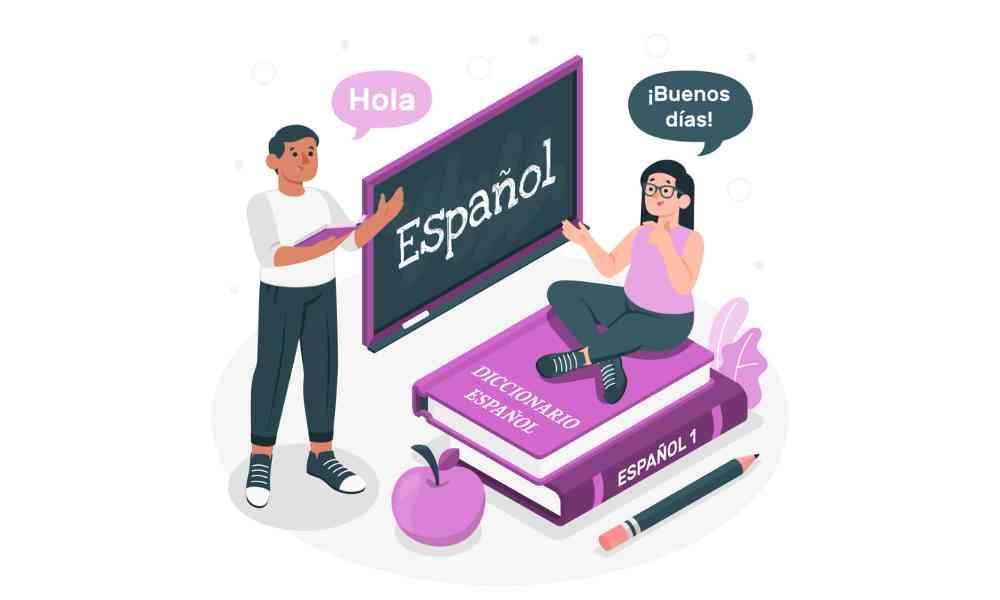
Language plays an important role in communication, education, business, travel, and everyday life. English and Spanish are two widely used languages, and people often need to translate between them for different purposes. Whether you are a student learning Spanish, a traveller planning a trip to a Spanish-speaking country, or a professional communicating with international clients, an English to Spanish translation tool can make the process much easier.
Manually translating every word or sentence can take time, especially when you are unfamiliar with Spanish grammar, vocabulary, and sentence structure. An online translation tool offers a convenient way to convert English text into Spanish within seconds. You simply enter your text, select the required language, and receive the translated result.
In this guide, we will explore how an English to Spanish translation tool works, its features, benefits, common uses, and practical tips for getting better translations.
What Is an English to Spanish Translation Tool?
An English to Spanish translation tool is an online language converter that changes written English text into Spanish. It can help translate individual words, common phrases, complete sentences, and longer paragraphs.
These tools use language-processing technology, translation databases, and sometimes artificial intelligence to understand the original text and generate a translated version.
For example:
English | Spanish |
|---|---|
Hello | Hola |
Good Morning | Buenos días |
How are you? | ¿Cómo estás? |
Thank You | Gracias |
Good Night | Buenas noches |
See You Soon | Hasta pronto |
Welcome | Bienvenido |
I Love You | Te quiero |
An online translator is particularly useful when you need a quick translation without manually searching for every word in a dictionary.
How Does an English to Spanish Translator Work?
Most online translation tools follow a simple process. They analyse the text entered by the user, identify the meaning of words and sentences, and generate an equivalent translation in the selected language.
Modern AI-powered translators can also consider grammar, sentence structure, and context to produce more natural results.
Here is how the translation process generally works:
Enter English Text: Type or paste the English word, sentence, or paragraph into the translation box.
Select Spanish: Choose Spanish as the target language.
Start Translation: Click the translate button to process your text.
Review the Result: The tool displays the Spanish translation.
Copy Your Translation: Copy the translated text and use it wherever required.
Some translators also offer additional features such as voice input, pronunciation support, automatic language detection, and translation history.
Key Features of an English to Spanish Translation Tool
A useful translation tool should make language conversion simple, quick, and convenient. Different platforms provide different features, but the following options are commonly available.
1. Instant Text Translation
One of the most useful features is instant translation. Users can enter English text and receive a Spanish version within seconds.
This feature saves time when translating everyday conversations, messages, emails, and short documents.
2. Free Online Access
Many online translation tools offer basic translation services without requiring payment or software installation.
Users can open the website through a browser, enter their text, and translate it whenever needed. However, some advanced features may require a subscription.
3. Sentence and Paragraph Translation
A good translator should support more than individual words. It should also handle complete sentences and paragraphs.
This makes it useful for translating emails, website content, educational notes, and general written communication.
4. Easy Copy and Paste Option
Copying translated text is another helpful feature. Instead of typing the result again, users can copy it directly and paste it into documents, messages, websites, or other applications.
5. Pronunciation Support
Some translators provide audio pronunciation for Spanish words and sentences. This helps users understand how a particular phrase sounds when spoken.
It can be especially helpful for beginners who want to improve their speaking and listening skills.
6. Mobile-Friendly Experience

Many translation websites work on smartphones, tablets, and desktop computers. This allows users to translate text while travelling, studying, shopping, or working.
Benefits of Using an Online English to Spanish Translator
An online translator offers several advantages for people who regularly communicate in different languages.
Benefit | How It Helps |
|---|---|
Saves Time | Converts text within seconds. |
Easy to Use | Requires only basic typing or copying. |
Convenient Access | Works through supported web browsers. |
Supports Learning | Helps users discover new Spanish words. |
Improves Communication | Makes everyday conversations easier. |
Reduces Manual Work | Avoids searching for every word separately. |
Another advantage is accessibility. People do not need advanced language knowledge to understand basic translations. Even beginners can use these tools to learn common expressions and communicate more confidently.
Common Uses of English to Spanish Translation
English to Spanish translation is useful in many situations. People from different backgrounds use translation tools for personal, academic, and professional purposes.
1. Education and Language Learning
Students learning Spanish can use translation tools to understand unfamiliar vocabulary, translate study materials, and practise simple sentences.
For example, a student can translate everyday English expressions into Spanish and gradually improve their vocabulary.
However, students should also understand grammar rules rather than depending entirely on automatic translations.
2. Travel and Tourism
Travelling to Spanish-speaking destinations becomes easier when you understand basic local expressions.
A translation tool can help you translate hotel bookings, restaurant menus, directions, transport information, and everyday questions.
Some useful travel phrases include:
English Phrase | Spanish Translation |
|---|---|
Where is the hotel? | ¿Dónde está el hotel? |
How much does it cost? | ¿Cuánto cuesta? |
I need help. | Necesito ayuda. |
Where is the airport? | ¿Dónde está el aeropuerto? |
Can you help me? | ¿Puedes ayudarme? |
3. Business Communication
Businesses often communicate with international customers, suppliers, and partners. English to Spanish translation can help create basic messages, product descriptions, and customer support responses.
However, important contracts, legal documents, and official business communications should be reviewed by a qualified translator to avoid misunderstandings.
4. Website and Content Translation
Website owners, bloggers, and digital marketers may use translation tools to create Spanish versions of their content.
Translating product descriptions, blog posts, and general website information can help businesses connect with Spanish-speaking audiences.
For SEO purposes, translated content should also be reviewed for natural wording, local search terms, and cultural relevance.
5. Everyday Conversations
Translation tools are useful for simple daily communication. You can translate messages, greetings, questions, and short conversations when speaking with someone who understands Spanish.
They can make communication easier even when both people do not share the same first language.
English to Spanish Translation: Common Words and Phrases
Learning frequently used expressions can make Spanish communication easier. Here are some basic translations that beginners can practise.
English Word or Phrase | Spanish Translation |
|---|---|
Yes | Sí |
No | No |
Please | Por favor |
Sorry | Lo siento |
Excuse Me | Disculpe |
Good Afternoon | Buenas tardes |
Good Evening | Buenas noches |
See You Later | Hasta luego |
What is your name? | ¿Cómo te llamas? |
I don't understand | No entiendo |
Help Me | Ayúdame |
Have a Nice Day | Que tengas un buen día |
These expressions are useful for everyday situations and can help beginners become more familiar with Spanish vocabulary.
Tips for Getting Accurate English to Spanish Translations
Although online translation tools are convenient, the quality of the result depends on the original text and the tool being used.
Follow these practical tips to get better translations:
Use Clear Sentences: Write complete sentences instead of confusing or incomplete phrases.
Check the Context: Some English words have multiple meanings. Choose the meaning that fits your sentence.
Avoid Excessive Slang: Informal expressions may not translate correctly in every situation.
Review Grammar: Check verb forms, gender agreements, and sentence structure.
Understand Regional Differences: Spanish vocabulary and expressions can vary between countries.
Check Important Translations: Ask a fluent Spanish speaker or professional translator to review important documents.
Use Pronunciation Features: Listen to audio support to understand how Spanish words are spoken.
These simple practices can help you get more meaningful and natural translations.
Popular Tools for English to Spanish Translation

Several online platforms offer English to Spanish translation services. Each platform has different features and capabilities.
Translation Tool | Main Features |
|---|---|
Google Translate | Text, voice, camera, and conversation translation features. |
DeepL Translator | AI-powered text translation with attention to natural phrasing. |
Microsoft Translator | Text, speech, and conversation translation options. |
Reverso | Translation with contextual examples and language-learning support. |
Choose a tool based on your requirements. For everyday phrases, a basic translator may be sufficient, while professional or specialised content may need additional human review.
English to Spanish Translation vs Manual Translation
Both automatic and manual translation methods have their own advantages. Understanding the difference can help you select the right option.
Feature | Online Translation | Manual Translation |
|---|---|---|
Speed | Usually very fast | Takes more time |
Cost | Often free for basic use | May require payment |
Convenience | Available online | Depends on translator availability |
Context Understanding | Depends on the tool | Can be more context-aware |
Accuracy | Varies by content and tool | Depends on translator expertise |
Best For | Everyday text and basic communication | Complex and specialised content |
For everyday communication, online translators are convenient. For legal, medical, technical, or other high-stakes documents, professional translation is a safer choice.
Limitations of Online Translation Tools

Despite their advantages, online translation tools are not perfect. They may sometimes produce incorrect translations when sentences contain idioms, humour, cultural references, or complex grammar.
For example, a phrase that sounds natural in English may have a different meaning when translated word for word into Spanish.
Some tools may also struggle with regional expressions, informal conversations, and industry-specific terminology.
Privacy is another important consideration. Avoid entering passwords, financial details, confidential business information, or sensitive personal documents into translation platforms unless you have reviewed their privacy and data-handling policies.
Understanding these limitations helps users make better decisions and avoid relying completely on automated results.
Conclusion
An English to Spanish translation tool is a convenient solution for anyone who wants to convert English words, sentences, and paragraphs into Spanish. Whether you are learning a new language, travelling abroad, managing international business communication, or translating website content, these tools can save time and make everyday communication easier.
Modern translation platforms offer useful features such as instant text conversion, pronunciation support, voice translation, and mobile access. However, automatic translations should always be reviewed when accuracy is especially important.
It is an online tool that converts English words, sentences, and paragraphs into Spanish.
Yes, many online translation tools offer free basic translation services.
Yes, most translators support words, sentences, and paragraphs.
They are useful for everyday communication, but important translations should be reviewed.
Yes, most online translation tools work on smartphones, tablets, and computers.
Sources and notes
Links the author listed for this post.
Information is based on general language translation practices, Spanish language-learning resources, and publicly available information from translation platforms such as Google Translate, DeepL, Microsoft Translator, and Reverso.


Discussion
0 comments