
Language plays an important role in connecting people from different countries. English is widely used for international communication, while Spanish is one of the most spoken languages worldwide. Whether you are travelling, studying, working, or communicating with Spanish-speaking friends, understanding Spanish can make everyday interactions much easier.
However, learning a new language takes time. You may understand basic words but struggle to create complete sentences or understand unfamiliar expressions. This is where an English to Spanish translator becomes useful. It helps convert English words, sentences, and paragraphs into Spanish within seconds.
In this guide, we will explore how English to Spanish translators work, their useful features, benefits, limitations, and how to choose the right translation tool for your needs.
What Is an English to Spanish Translator?
An English to Spanish translator is an online tool or application that converts English text into Spanish. It helps users understand words, phrases, sentences, and longer paragraphs without needing to know the language perfectly.
For example, if you want to translate "Good morning, how are you?" into Spanish, the translator can provide "Buenos días, ¿cómo estás?"
These tools are useful for students, travellers, professionals, content creators, and anyone who regularly communicates with Spanish-speaking people.
Some translation tools also offer additional features, such as voice translation, pronunciation support, camera translation, and automatic language detection.
How Does an English to Spanish Translator Work?
Most modern translation tools use artificial intelligence and machine learning to understand the meaning of a sentence and convert it into another language.
Instead of simply replacing individual English words with Spanish words, advanced translation systems analyse sentence structure, grammar, and context to produce more natural results.
For example, the English phrase "I am feeling good today" can be translated into "Hoy me siento bien."
The translation process usually involves entering your English text, selecting Spanish as the target language, and allowing the tool to generate the translated version.
Some platforms also let you listen to the translated sentence, which is particularly helpful when learning pronunciation.
Best English to Spanish Translator Tools
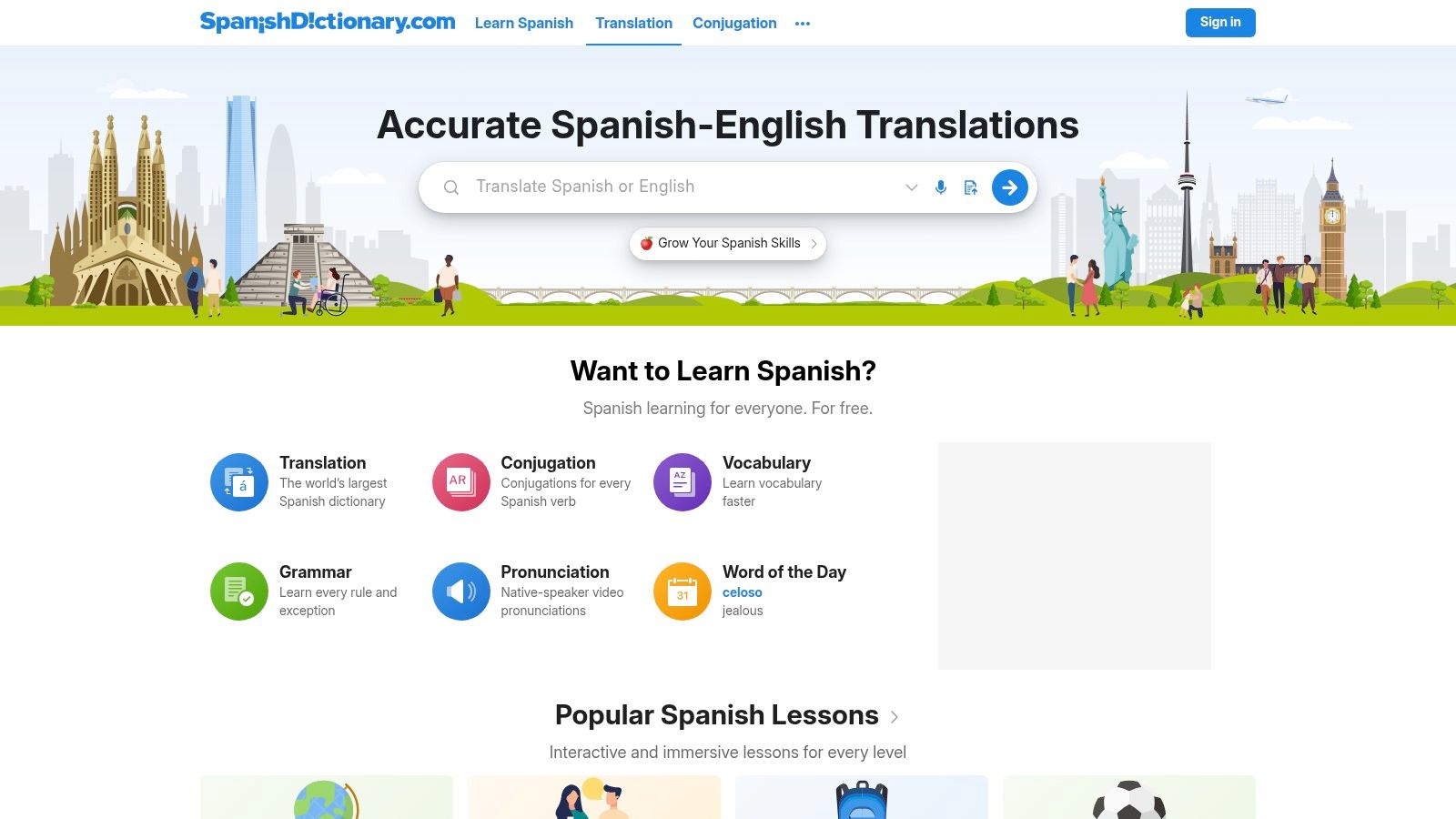
Several online translation tools can help you translate English into Spanish. Each offers different features depending on whether you need simple translations, language learning support, or professional communication.
Google Translate
Google Translate is one of the most popular translation tools. It allows users to translate words, sentences, and complete paragraphs between English and Spanish.
It also supports voice input, image translation, handwriting, and conversation translation. These features make it useful when travelling or communicating with Spanish-speaking people.
DeepL Translator
DeepL is another useful translation platform known for producing natural-sounding translations. It considers sentence context and language structure to help users understand longer sentences.
It can be particularly helpful when translating emails, documents, and professional content.
Microsoft Translator
Microsoft Translator provides text, voice, and conversation translation features. It can be useful for students, professionals, and people who need to communicate across different languages.
Reverso
Reverso offers translations along with examples of how words and phrases are used in real sentences. This makes it helpful for people who want to understand Spanish vocabulary and improve their language skills.
Important Features to Look for in a Translator
Choosing a translation tool becomes easier when you understand which features matter most.
Instant Translation: A good translator should convert English text into Spanish quickly. This is helpful when you need to understand a message or sentence without spending too much time.
Voice Translation: Voice translation allows you to speak in English and receive a Spanish translation. It is especially useful during conversations and while travelling.
Pronunciation Support: Correct pronunciation matters when speaking another language. Audio support helps you listen to Spanish words and understand how they should sound.
Text and Document Translation: Some tools support longer text and document translation. This can be useful for translating emails, assignments, articles, and other written material.
Camera Translation: Camera translation can recognise text in images, signs, menus, and printed documents and convert it into your preferred language.
Offline Translation: Some applications allow users to download language packs for offline use. This is helpful when travelling to places with limited internet access.
Benefits of Using an English to Spanish Translator
One of the biggest advantages of an online translator is convenience. You do not need to open a dictionary or search for every individual word. You can simply enter a complete sentence and receive a translation within seconds.
Another important benefit is that translators support language learning. When you compare English sentences with their Spanish translations, you can gradually understand common vocabulary, sentence patterns, and grammar.
For travellers, these tools can make everyday situations easier. Whether you are ordering food, asking for directions, booking accommodation, or reading a local sign, translation tools can help you understand important information.
They are also useful in professional environments. Businesses that communicate with Spanish-speaking customers can use translation tools to understand basic messages, prepare initial drafts, and improve communication.
For students, translators can help with vocabulary practice, reading comprehension, and understanding unfamiliar Spanish expressions.
My Experience Using English to Spanish Translation Tools
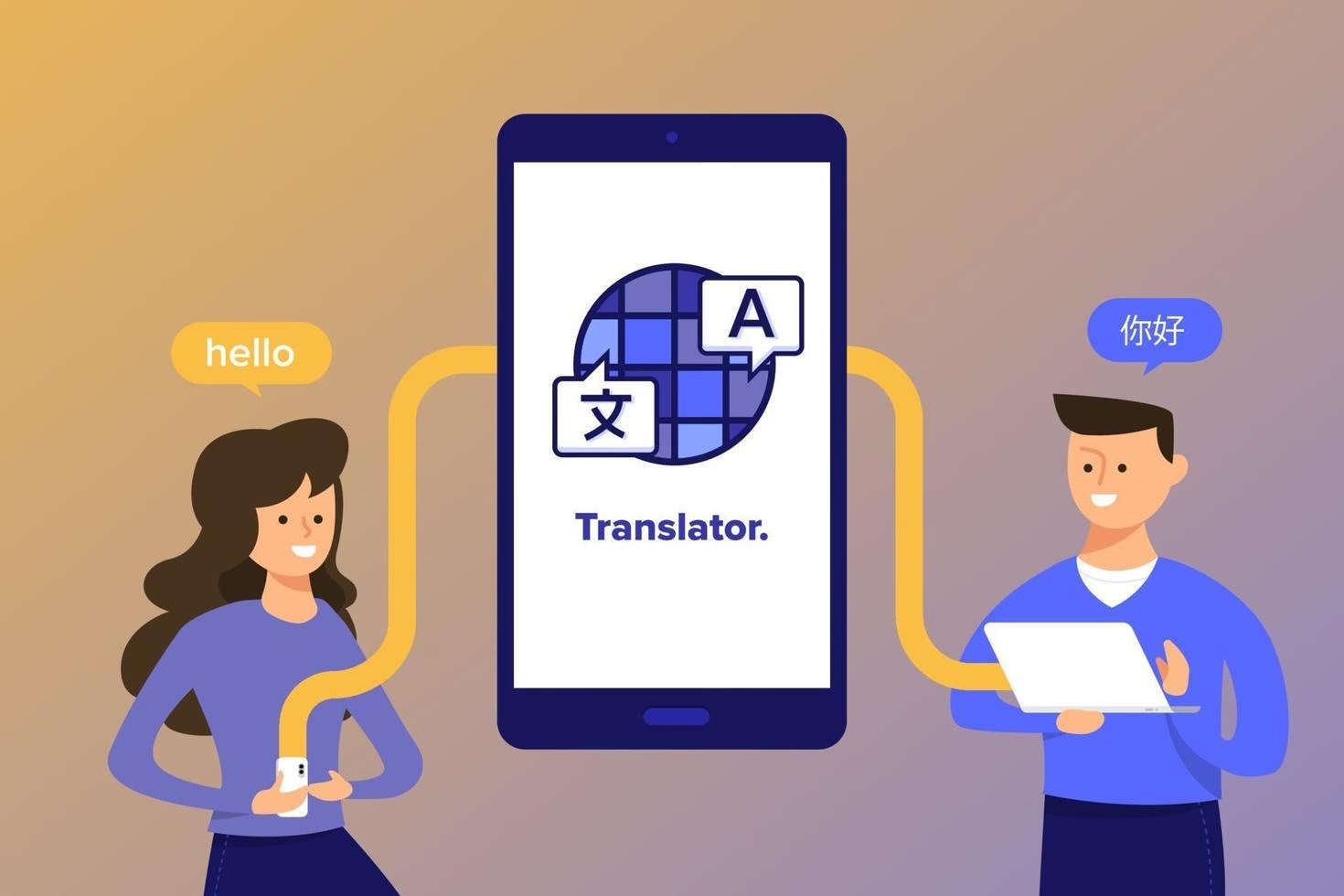
When working with two different languages, even a simple sentence can sometimes become confusing. One thing that makes online translation tools useful is how quickly they help you understand unfamiliar words and expressions.
For example, imagine receiving a Spanish message from someone when you are more comfortable with English. Instead of searching for every word separately, you can paste the complete message into a translator and understand its general meaning.
I would also recommend comparing translations from different tools when accuracy is important. Sometimes, one platform may provide a more natural sentence than another.
Another useful approach is to translate short sentences first. This makes it easier to notice mistakes and understand how Spanish sentence structure differs from English.
For someone learning Spanish, I find that using pronunciation features alongside text translation is a practical way to become more familiar with the language.
However, I would not depend entirely on automatic translations for important documents or professional communication. Reviewing the translated text before using it is always a sensible step.
Common English to Spanish Words and Phrases
Learning a few everyday Spanish expressions can make communication easier. Here are some useful examples:
English | Spanish |
|---|---|
Hello | Hola |
Good morning | Buenos días |
Good evening | Buenas tardes |
Good night | Buenas noches |
Thank you | Gracias |
Please | Por favor |
How are you? | ¿Cómo estás? |
What is your name? | ¿Cómo te llamas? |
I am fine | Estoy bien |
See you later | Hasta luego |
Goodbye | Adiós |
I love you | Te quiero / Te amo |
These expressions are useful for beginners and can help you become more comfortable with everyday Spanish communication.
English to Spanish Translation for Different Purposes
For Students
Students can use translators to understand Spanish vocabulary, check sentence meanings, and practise reading. However, they should also learn grammar and sentence formation instead of copying every translated answer.
For Travellers
Travellers can use translation applications to understand restaurant menus, hotel information, transport details, and directions. Voice translation can also make conversations easier when visiting Spanish-speaking destinations.
For Business Communication
Businesses may use English-to-Spanish translation tools to understand customer messages, prepare basic communication, and translate marketing drafts. Important business documents should be reviewed by a qualified translator.
For Content Creators
Bloggers and content creators can use translation tools to prepare initial Spanish versions of their content. However, reviewing the final text is important to maintain its original meaning, tone, and readability.
Tips for Getting Accurate English to Spanish Translations
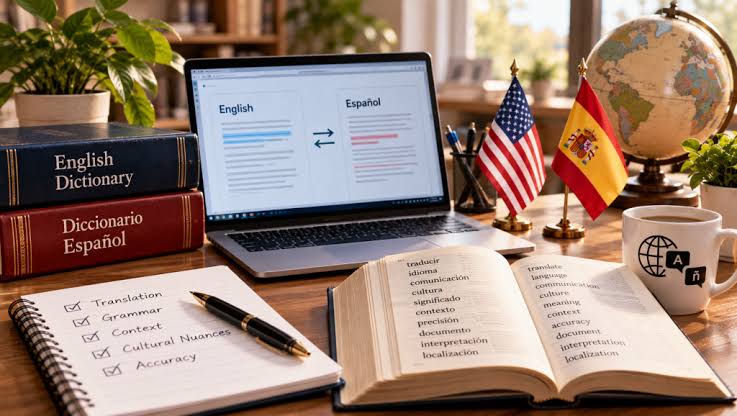
Getting a useful translation depends not only on the tool but also on how you enter your text.
Start with clear and simple English sentences. Complicated expressions, slang, and long sentences can sometimes create confusing translations.
Always check the context because some English words have multiple meanings. For example, the word "light" can refer to brightness or something that is not heavy. The correct Spanish translation depends on how the word is being used.
Pay attention to formal and informal language. Spanish uses different expressions depending on the relationship between speakers and the situation.
For important translations, compare the output with another reliable translation tool or ask a fluent Spanish speaker to review it.
Most importantly, do not forget to check spelling, punctuation, and accents before sharing the translated text.
Limitations of Online Translation Tools
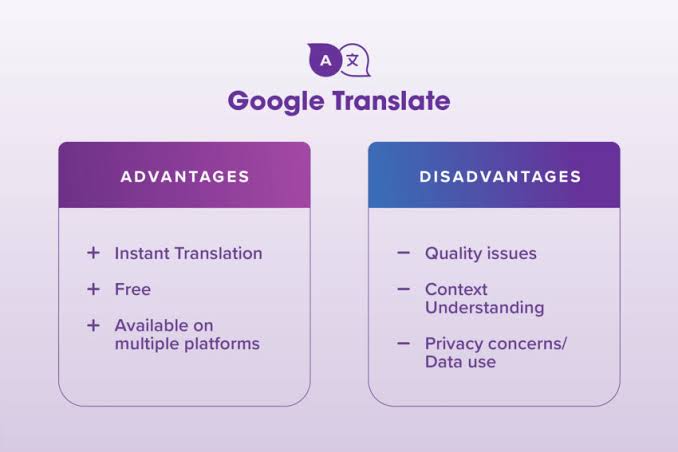
Although translation technology has improved considerably, it is not perfect.
Some tools may misunderstand idioms, cultural expressions, humour, or sentences with multiple meanings. A direct translation can sometimes sound unnatural to a native Spanish speaker.
Another limitation is that automatic tools may not always understand the difference between formal and informal communication.
For example, a message written for a business client may require a more polite tone than a casual conversation with a friend.
Privacy is another consideration. Avoid entering passwords, confidential business information, personal documents, or sensitive details into translation platforms unless you understand their data-handling policies.
For legal, medical, or official documents, professional translation and review are recommended.
Final Thoughts
An English to Spanish translator is a practical tool for anyone who wants to communicate across language barriers. From understanding everyday messages to translating educational and professional content, these tools can save time and make communication easier.
Google Translate, DeepL, Microsoft Translator, and Reverso offer different features that suit different needs. The best choice depends on whether you want quick translations, pronunciation support, document translation, or help with language learning.
Use translation tools as a helpful starting point, but continue practising Spanish vocabulary, grammar, and pronunciation. Combining technology with regular learning can help you become more confident in understanding and using Spanish.
Frequently Asked Questions
You can use free online translation tools such as Google Translate, Microsoft Translator, and Reverso. Enter your English text, select Spanish, and view the translated result.
Google Translate is useful for everyday translations, while DeepL is worth considering for more natural-sounding text. The best option depends on your requirements.
Yes. Several translation applications support voice input. You can speak an English sentence and receive its Spanish translation.
Google Translate can provide useful translations for everyday communication. However, it may not always understand cultural expressions, complex grammar, or specialised terminology correctly.
Yes. Some translation applications offer downloadable language packs that allow offline translation. Availability depends on the application and supported languages.
Sources and notes
Links the author listed for this post.
Information is based on general language translation practices and commonly used online translation tools. The article also considers practical user experiences and translation needs.
More on AltFTool
- altftool.com (opens in a new tab)
altftool.com


Discussion
0 comments