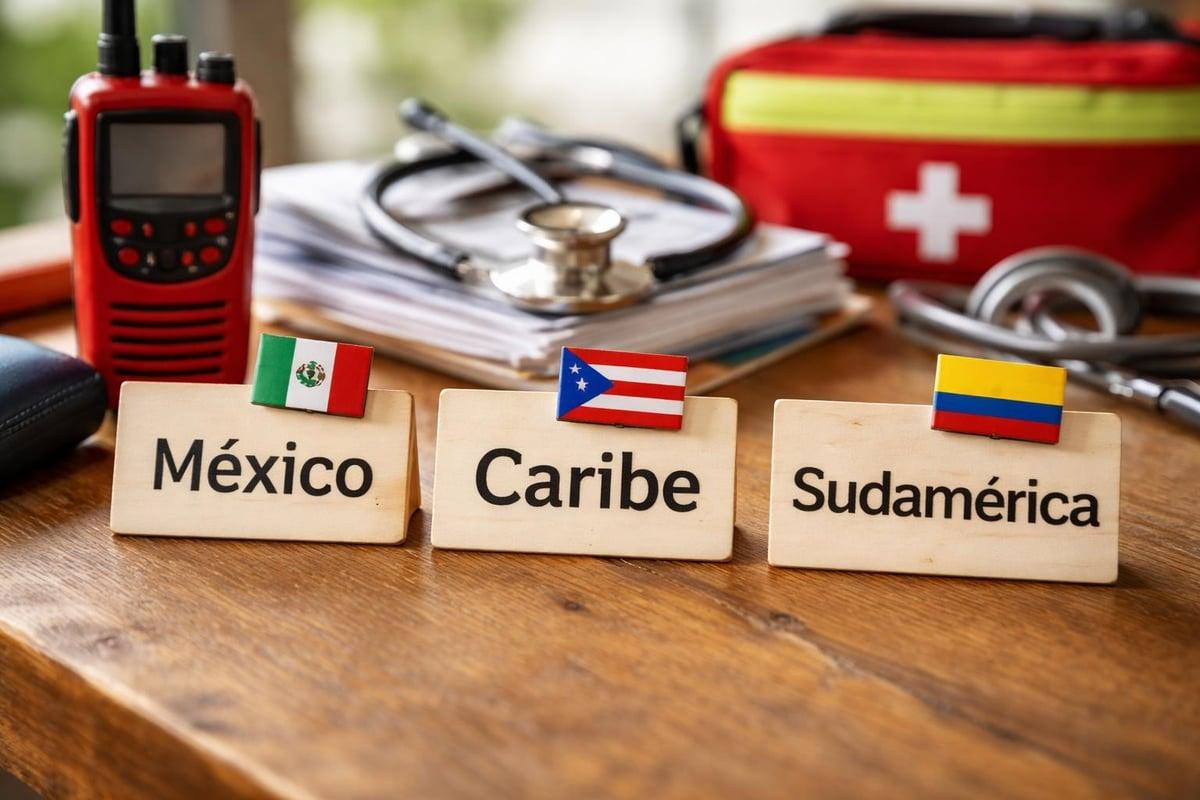
Language connects people, cultures, businesses, and communities. In today's digital world, communicating across different languages has become easier than ever. Whether you are travelling to Spain, exploring Latin American culture, studying a new language, or managing international business communication, an English-to-Spanish translator can make your experience smoother and more convenient.
Spanish is one of the world's most widely spoken languages, making it an important language for education, travel, entertainment, and professional communication. However, translating English into Spanish involves more than replacing individual words. Grammar, sentence structure, regional expressions, and cultural meaning all play an important role in creating accurate translations.
An English to Spanish translator helps users convert words, sentences, paragraphs, and documents from English into Spanish. Modern translation tools can provide quick results, suggest alternative expressions, and help users understand the meaning of unfamiliar phrases.
In this guide, we will explore how English-to-Spanish translation works, its benefits, common uses, important features, and practical tips for achieving better translation results.
What Is an English to Spanish Translator?
An English-to-Spanish translator is a language translation tool that converts English text into Spanish. It can help users understand written information, communicate with Spanish-speaking audiences, and create content in another language.
Translation tools use different technologies, including dictionaries, linguistic databases, machine learning, and artificial intelligence. These technologies analyse the source text and generate a translated version that aims to preserve its original meaning.
For example:
English Text | Spanish Translation |
|---|---|
Hello | Hola |
Good morning | Buenos días |
How are you? | ¿Cómo estás? |
Thank you | Gracias |
I need help | Necesito ayuda |
Where is the hotel? | ¿Dónde está el hotel? |
See you soon | Hasta pronto |
These simple translations demonstrate how a translator can help users understand and communicate basic expressions.
However, longer sentences require a deeper understanding of context, grammar, and tone.
Why Is English-to-Spanish Translation Important?
Spanish is spoken across Spain, Mexico, much of Central and South America, and several other regions. Learning to communicate in Spanish can create valuable opportunities for individuals and businesses.
1. Connect With Spanish-Speaking People
Translation tools make it easier to communicate with people who speak Spanish as their first language.
You can use them to:
Understand messages from Spanish-speaking friends.
Translate social media comments.
Write simple conversations.
Communicate with international customers.
Understand travel instructions.
Even basic translation can help create meaningful connections between people from different backgrounds.
2. Support International Business
Businesses increasingly communicate with customers across international markets.
An English-to-Spanish translator can help companies prepare:
Product descriptions
Customer support messages
Marketing content
Website information
Email communication
Social media captions
Translating content into Spanish can make information more accessible to Spanish-speaking audiences.
For important legal, financial, or contractual documents, however, professional translation and review may be necessary.
3. Make Travel More Convenient
Travelling to a Spanish-speaking country becomes easier when you understand common expressions.
A translator can help you understand restaurant menus, hotel instructions, transportation information, and local signs.
For example, translating "Where can I buy a ticket?" into "¿Dónde puedo comprar un billete?" can help you communicate more confidently in Spain.
In many Latin American countries, "boleto" or "pasaje" may be used instead of "billete," depending on the context.
How Does an English to Spanish Translator Work?
Modern translation tools use advanced language-processing techniques to understand and translate text.
Step 1: Enter the English Text
The user enters a word, phrase, sentence, or paragraph into the translation tool.
For example:
"I am planning a trip to Spain."
Step 2: Analyse the Meaning
The translator examines the sentence structure, vocabulary, and surrounding context.
Instead of translating every word separately, advanced systems attempt to understand how the words work together.
Step 3: Generate the Spanish Translation
The tool produces a Spanish version of the original sentence.
Example:
"Estoy planeando un viaje a España."
Step 4: Review the Translation
Users can check whether the translated sentence sounds natural and communicates the intended meaning.
For professional content, reviewing the translation is especially important because automated tools may not always understand specialised terminology or cultural expressions.
Key Features of a Good English-to-Spanish Translator
Choosing the right translation tool can improve your language experience. A reliable translator should offer useful features that support both beginners and experienced users.
Feature | Why It Matters |
|---|---|
Instant Translation | Saves time when translating everyday text |
Sentence Translation | Helps users understand complete expressions |
Contextual Accuracy | Preserves the intended meaning |
Alternative Translations | Offers different ways to express an idea |
Pronunciation Support | Helps users learn how words sound |
Grammar Assistance | Improves sentence structure |
Document Translation | Supports longer written content |
Mobile Accessibility | Makes translation convenient while travelling |
Language Detection | Identifies the language of entered text |
Important Pointer
A good translator should focus on meaning rather than direct word replacement. Natural Spanish expressions often differ from their English equivalents.
English to Spanish Translation for Everyday Use
Translation tools are useful in several everyday situations.
Personal Communication
You can translate messages, greetings, invitations, and conversations.
For example:
English: "I hope you have a wonderful day."
Spanish: "Espero que tengas un día maravilloso."
This makes it easier to communicate warmth and friendliness in another language.
Education and Language Learning
Students can use translation tools to understand unfamiliar vocabulary, compare sentence structures, and practise writing.
A translator can also help learners identify common phrases and build confidence while studying Spanish.
However, relying entirely on translation may limit language development. It is better to use translation as a learning aid alongside grammar practice and reading.
Travel and Tourism
Travellers often need quick translations while exploring unfamiliar places.
Common travel phrases include:
English | Spanish |
|---|---|
I would like a room | Me gustaría una habitación |
How much does it cost? | ¿Cuánto cuesta? |
Can you help me? | ¿Puede ayudarme? |
I am looking for the station | Estoy buscando la estación |
Where is the nearest restaurant? | ¿Dónde está el restaurante más cercano? |
Learning these expressions before travelling can make communication easier and more comfortable.
English to Spanish Translator for Businesses
Businesses can benefit from translation tools when communicating with customers in different countries.
Website and E-Commerce Content
An online store may translate product descriptions, shipping information, and customer instructions into Spanish.
This helps Spanish-speaking visitors understand products and services more easily.
Marketing and Advertising
Marketing messages often contain cultural references, humour, and emotional language. A translator can provide an initial version, but the final content should be reviewed to ensure it feels natural to the target audience.
Customer Support
Customer support teams can use translation tools to understand incoming messages and prepare responses.
This can improve communication speed, especially when businesses receive enquiries in multiple languages.
Business tip: For brand campaigns, slogans, and important customer-facing content, consider having a native Spanish speaker review the translation before publishing.
Common English-to-Spanish Translation Mistakes
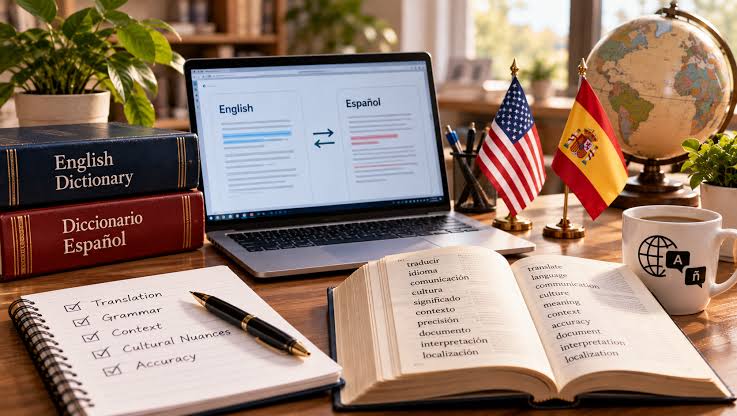
Although translation tools are helpful, some common errors can affect the final result.
1. Translating Words Without Context
The same English word may have different Spanish translations depending on the sentence.
For example, "bank" can refer to a financial institution or the side of a river. The correct Spanish word depends on its meaning.
2. Ignoring Regional Differences
Spanish varies across countries and regions.
Some vocabulary and expressions used in Spain may differ from those commonly used in Mexico, Argentina, Colombia, or other Spanish-speaking countries.
For example:
English | Spain | Common Latin American Usage |
|---|---|---|
Computer | Ordenador | Computadora |
Car | Coche | Carro / Auto |
Mobile phone | Móvil | Celular |
These differences do not necessarily make one translation incorrect. They reflect regional language preferences.
3. Overlooking Formal and Informal Language
Spanish uses different forms of address.
"Tu" is generally informal, while "usted" is commonly used in formal or respectful situations.
A translation tool may need additional context to select the appropriate tone.
4. Forgetting Accents and Punctuation
Spanish includes accent marks and punctuation conventions that are important for correct writing.
For example:
Sí means "yes."
Si means "if."
¿Cómo estás? is the correct Spanish question format.
Paying attention to these details can improve readability and accuracy.
Tips for Getting Better Translation Results
Follow these practical tips to make your translations more effective.
Use complete sentences: Full sentences provide more context than isolated words.
Keep the original text clear: Avoid confusing abbreviations and unnecessary slang.
Choose the correct regional Spanish: Consider whether your audience is in Spain or Latin America.
Check the tone: Make sure the translation is formal, informal, friendly, or professional as required.
Review important translations: Always check critical information before sharing or publishing it.
Learn from the results: Compare English and Spanish sentence structures to improve your language skills.
Avoid translating idioms literally: Expressions often have different meanings across languages.
These simple practices can help you create clearer and more natural Spanish translations.
English to Spanish Translator vs. Learning Spanish
Translation tools and language learning serve different purposes, but they work well together.
Translation Tool | Learning Spanish |
|---|---|
Provides quick translations | Builds long-term language knowledge |
Helps understand unfamiliar text | Improves speaking and writing skills |
Useful for immediate communication | Develops independent communication |
Saves time during travel or work | Helps understand cultural context |
Supports everyday tasks | Builds confidence in conversations |
The most effective approach is to use a translator for immediate assistance while continuing to practise Spanish vocabulary, grammar, listening, and speaking.
The Future of English-to-Spanish Translation
Artificial intelligence is making translation tools more sophisticated.
Modern systems are increasingly capable of understanding longer sentences, recognising context, and suggesting more natural expressions.
Future translation technology may provide improved voice translation, real-time conversation support, better document processing, and more personalised language assistance.
These developments can make communication across languages more accessible for travellers, students, professionals, and businesses.
Still, human understanding remains valuable. Cultural awareness, emotional tone, and specialised terminology often require careful review.
FAQs
An English-to-Spanish translator converts English words, sentences, and documents into Spanish for easy communication.
Yes, translation tools can translate complete sentences and paragraphs while considering grammar and context.
Translation tools are useful for everyday communication, but complex or professional content may require human review.
Spanish vocabulary, pronunciation, and expressions can vary between Spain and Latin American countries.
Yes, it can help you understand vocabulary, sentence structure, and common expressions while practising Spanish.
Sources and notes
Links the author listed for this post.
This article is an informational guide based on general knowledge of English-to-Spanish translation, language learning, and common translation practices. Examples are provided for educational purposes.


Discussion
0 comments