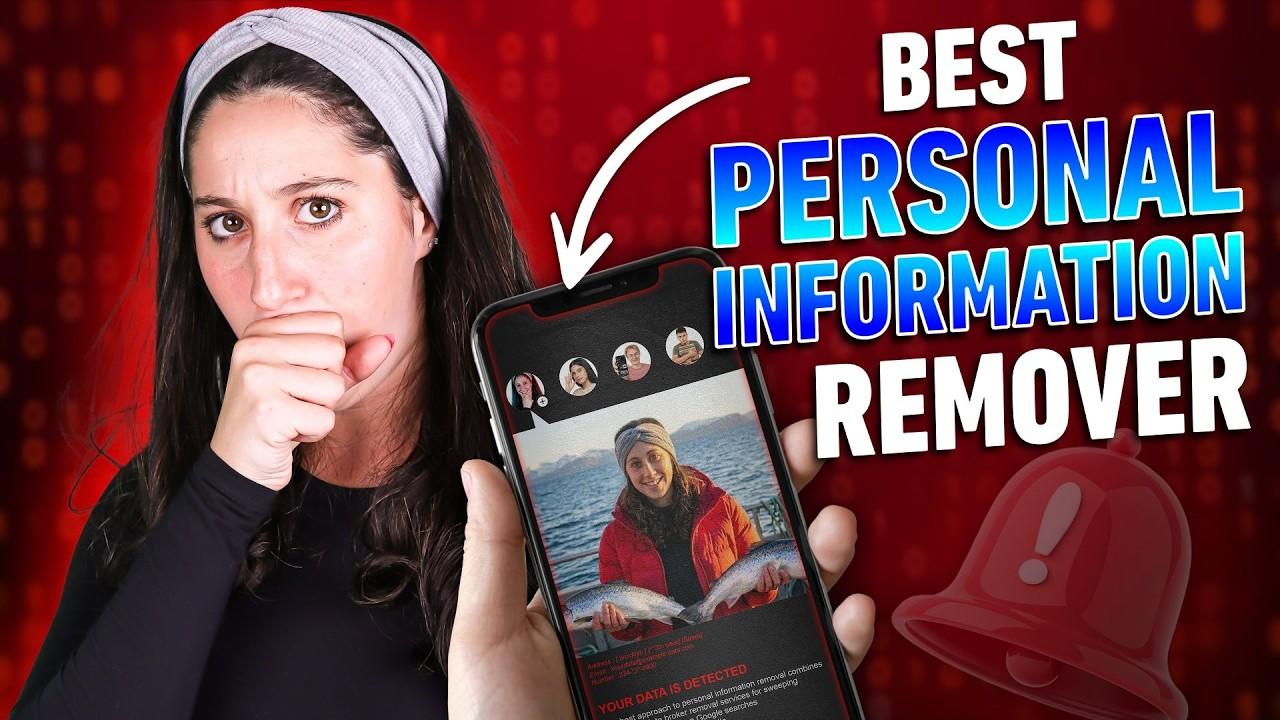
Have you ever searched your name on Google and wondered how much information strangers could discover about you? Your name, phone number, email address, home location, shopping preferences, and even details about your relatives may be available across different websites without you realising it.
Every time you create an online account, download an application, subscribe to a newsletter, or shop online, you may share personal information. While some of this information is necessary to use digital services, other details can be collected, stored, analysed, and sometimes shared with third parties.
This growing digital footprint has made online privacy and personal data protection more important than ever. Many people focus on strong passwords and antivirus software but overlook how much personal information is already circulating across the internet.
This is where services such as Incogni are becoming relevant. They focus on helping individuals request the removal of personal information from data brokers and other websites.
Understanding what information is exposed, who collects it, and how to reduce unnecessary exposure can help you take better control of your digital identity.
1. What Personal Information Is Available Online?
Your digital footprint includes the information you intentionally share online and the data collected through your everyday internet activities.
Some information is publicly visible, while other details may be stored in private databases that are not directly searchable.
For example, creating a social media profile may expose your name, profile picture, workplace, interests, or location preferences. Shopping websites may collect purchasing patterns, while applications may request access to contact details or device information.
Common Types of Personal Information
Personal information | Where it may appear |
Full name | Social media and people-search websites |
Email address | Online accounts and marketing databases |
Phone number | Public directories and data broker databases |
Home address | Public records and people-search platforms |
Date of birth | Online profiles and account records |
Shopping preferences | Retail websites and marketing databases |
Employment history | Professional networking platforms |
Location information | Applications and location-based services |
Browsing activity | Websites and advertising technologies |
Not every website collects all these details. The information available depends on the services you use, privacy settings, public records, and applicable data protection rules.
According to Incogni's help centre, data brokers may collect information ranging from contact details and addresses to employment history and shopping habits.
Incogni Help Center+1
2. How Does Your Personal Data Get Collected?

Social Media & Your Privacy
Discover how social media platforms collect personal information.
Explore More +
Social media accounts can reveal personal details through public posts, photographs, comments and location tags. Even birthday celebrations and workplace announcements may expose information.
Privacy Tip: Review your account visibility and avoid sharing your real-time location.

Shopping Websites & Data
Understand how online shopping platforms collect your information.
Explore More +
Shopping websites may collect purchase history, delivery details, browsing behaviour and product preferences for personalised recommendations and marketing.
Privacy Tip: Avoid saving unnecessary payment details and review your account privacy settings.

Mobile Apps & Permissions
Learn how applications may access your device information.
Explore More +
Some apps request access to contacts, location, photographs and microphones. Not every permission is necessary for their main function.
Privacy Tip: Regularly review app permissions and disable unnecessary access.

Online Forms & Subscriptions
Know what happens when you submit personal details online.
Explore More +
Newsletters, competitions, free trials and online services often collect names, email addresses and other personal information.
Privacy Tip: Read privacy policies and share only the information required.
3. Who Are Data Brokers and Why Do They Collect Your Information?
Data brokers are companies that collect, organise, analyse, and sometimes sell personal information to other businesses or organisations.
They may gather information from public records, commercial sources, online activity, surveys, and other databases.
Some specialise in people-search services, while others focus on marketing, financial insights, risk assessment, or identity verification.
Why Is Personal Data Valuable?
Personal information can help businesses understand consumer behaviour, identify potential customers, create targeted advertising campaigns, and assess certain types of risk.
For example, a marketing company may use demographic information to understand which products could interest a particular audience.
However, when personal details are collected or shared without adequate transparency or protection, privacy concerns can arise.
Important points about data brokers:
They may collect information from multiple sources.
Some maintain searchable public profiles.
Others operate private databases that are not publicly accessible.
Personal details may be shared with business clients.
Information can sometimes reappear after removal.
Incogni explains that private data brokers may hold information without offering publicly searchable profiles, making it difficult for individuals to determine exactly which companies have their details.
Incogni Help Center+1
4. What Are the Risks of Having Too Much Personal Information Online?
Having some information online is normal in today's connected world. However, excessive exposure can create privacy and security challenges.
The concern is not simply that someone knows your name or email address. The bigger issue is how different pieces of information can be combined to create a detailed picture of your identity.
Identity Theft and Fraud
Cybercriminals may use exposed personal information to make fraudulent activities more convincing. For example, knowing someone's name, phone number, or previous address may help criminals create believable scam messages.
Phishing Attacks
Phishing messages often attempt to trick people into revealing passwords, banking information, or other sensitive details.
When scammers already know something about their target, their messages may appear more trustworthy.
Unwanted Calls and Messages
Personal phone numbers and email addresses appearing in marketing databases can contribute to unwanted promotional messages, spam, and unsolicited contact.
Personal Safety Concerns
Publicly accessible residential addresses and family information may create additional safety and privacy concerns, particularly for people who prefer to keep their personal lives private.
Profiling and Targeted Advertising
Information about shopping habits, interests, and online activities can be used to build consumer profiles. These profiles may influence advertising and other business decisions.
Privacy risk | Possible consequence |
Identity exposure | Increased risk of impersonation |
Public contact details | Spam and unwanted communication |
Address exposure | Personal safety concerns |
Phishing attempts | Potential account compromise |
Excessive tracking | Reduced online privacy |
Data profiling | Unwanted targeted marketing |
The important thing to remember is that exposure does not automatically mean you will become a victim of fraud. However, reducing unnecessary exposure can make it harder for strangers to build a detailed profile of you.
5. Why Is Digital Privacy Becoming a Bigger Concern?
The internet has made communication, shopping, entertainment, and professional activities easier. At the same time, people are sharing more information across a growing number of digital platforms.
A single individual may use several shopping applications, social media platforms, banking services, travel websites, and subscription services.
Each service may collect different types of information.
The Growing Digital Footprint
Your digital footprint can continue growing even when you are not actively posting online. Old accounts, forgotten subscriptions, and previously shared information may remain accessible.
Increased Awareness of Data Collection
People are becoming more interested in understanding what happens to their information after they submit it online.
They want greater control over:
Who can access their personal information.
How their data is collected and stored.
Whether their information is shared with third parties.
How they can request data deletion.
What happens when they close an online account.
Greater Focus on Personal Security
Online privacy is closely connected to personal security. Reducing unnecessary exposure can help limit the information available to people who may attempt scams, impersonation, or unwanted contact.
6. How Can You Check What Information Is Available About You?
You do not need advanced technical knowledge to begin reviewing your digital footprint. A few simple checks can help you understand where your information may be visible
Search Your Name Online
Start by searching your full name on popular search engines.
You can also search combinations of your name with your city, workplace, or professional details to identify publicly accessible profiles.
Check Your Email Address
Search for your email address to see whether it appears on public websites or old online profiles.
Avoid sharing sensitive information with unfamiliar websites while investigating your exposure.
Review Social Media Profiles
Check whether your photographs, contact details, workplace, birthday, and personal posts are visible to people outside your network.
Update privacy settings where necessary.
Check Old Accounts
Think about shopping websites, applications, forums, and subscription services you no longer use.
Close unnecessary accounts where possible and review the personal information stored in active accounts.
Look for People-Search Websites
People-search platforms may display information such as names, addresses, phone numbers, and possible relatives.
Review their privacy policies and available opt-out procedures if you discover your details.
7. How Incogni Helps With Personal Data Removal
As online privacy concerns increase, dedicated personal data removal services are gaining attention. Incogni is one such service designed to help individuals reduce the amount of personal information held by data brokers.
Instead of requiring users to contact numerous companies individually, the platform automates data removal requests on their behalf.
How Does Incogni Work?
The process generally involves four main steps.
Step 1: Sign Up
Users create an account and provide the basic information needed to identify their records.
Step 2: Authorise Removal Requests
Users provide the necessary authorisation for Incogni to contact data brokers on their behalf.
Step 3: Submit Data Removal Requests
Incogni sends requests to covered data brokers asking them to delete personal information or stop processing it, as applicable.
Step 4: Track Progress
Users can monitor the progress of requests through their account dashboard.
According to its official website, Incogni's standard removal service covers more than 420 data brokers, with additional custom removal options available through eligible plans.
Incogni Help Center+1
Key Features of Incogni
Feature | What it offers |
Automated removal requests | Contacts covered data brokers on your behalf |
Recurring requests | Helps address information that reappears |
Removal tracking | Lets users monitor request progress |
Custom removals | Supports requests for additional websites on eligible plans |
Exposure monitoring | Helps identify potential data exposure |
Why Is Automated Data Removal Useful?
Manually contacting multiple data brokers can take considerable time. Each company may have a different opt-out process, verification requirement, and response timeline.
An automated service can make this process more convenient by managing requests and follow-ups.
Incogni also explains that removal requests may take different amounts of time depending on the data broker.
8. Simple Ways to Protect Your Personal Information Online
You do not necessarily need a paid privacy service to begin improving your online security. Several useful practices can help reduce unnecessary information sharing.
Use Strong and Unique Passwords
Avoid using the same password across multiple websites. A password manager can help create and organise stronger passwords.
Enable Two-Factor Authentication
Two-factor authentication adds another verification step when accessing an account. It can provide additional protection even if a password becomes compromised.
Review Application Permissions
Check which applications have access to your contacts, location, camera, microphone, and photographs.
Remove permissions that are not necessary for the application's functionality.
Avoid Oversharing on Social Media
Think carefully before posting personal details, travel plans, residential information, or photographs that reveal sensitive details.
Use Separate Email Addresses
Consider using different email addresses for shopping, subscriptions, and important personal accounts. This can help organise communication and reduce unnecessary exposure of your primary email address.
Be Careful With Public Wi-Fi
Avoid accessing sensitive accounts over unsecured public networks. When necessary, use trusted network protections and verify that websites use secure connections.
Review Privacy Settings Regularly
Privacy settings can change as platforms introduce new features. Reviewing them periodically helps you understand what information is visible and who can access it.
9. Can You Completely Remove Your Personal Information From the Internet?
One common misconception about online privacy is that all personal information can be permanently erased.
In reality, completely removing yourself from the internet is extremely difficult.
Some information may remain in government records, public documents, news reports, archived pages, or websites that do not offer straightforward removal options.
Even when a data broker removes a record, the same information may be collected again from another source.
This is why ongoing privacy management is important.
What Can You Do?
Action | Privacy benefit |
Delete unused accounts | Reduces unnecessary stored information |
Request data removal | Helps remove eligible records |
Update social media settings | Limits public visibility |
Remove outdated search results | Reduces discoverability |
Use strong passwords | Protects account access |
Monitor personal information | Helps identify new exposure |
Incogni also acknowledges that its service cannot guarantee complete removal of every personal record from the internet.
Incogni Help Center+1
10. The Future of Online Privacy and Personal Data Protection
Digital privacy is becoming an important part of everyday technology use. As online services become more connected, individuals will need to pay greater attention to how their information is collected, stored, and shared.
Several developments are shaping the future of online privacy.
1. Greater Data Transparency: Consumers are increasingly interested in understanding how businesses use their information.
2. Automated Privacy Tools: Services that manage data removal requests and monitor exposure may become more attractive to people who want convenient privacy management.
3. Stronger Account Security: Password managers, authentication tools, and security alerts are becoming important parts of personal digital protection.
4. More Control Over Personal Information: Data protection laws in different regions are giving individuals certain rights to access, correct, or request deletion of their information, subject to applicable conditions.
5. Privacy-Conscious Digital Habits: People are becoming more selective about the applications they install, websites they trust, and information they share.
For consumers, the most effective approach will combine responsible online behaviour, strong account security, and regular reviews of their digital footprint
FAQ'S
Your name, email address, phone number, residential address, employment details, shopping preferences, and other personal information may appear across websites and databases.
Data brokers are companies that collect, organise, analyse, and sometimes sell personal information to businesses and other organisations.
Search your name and email address online, review social media privacy settings, check old accounts, and look for your details on people-search websites.
Incogni sends personal data removal requests to covered data brokers on behalf of users and helps track the progress of those requests.
Complete removal is extremely difficult because some information may remain in public records, archived websites, and databases. However, you can reduce unnecessary exposure through privacy settings and removal requests.
Sources and notes
Links the author listed for this post.
Incogni – Official Website Incogni – Personal Information Removal Incogni – What Are Data Brokers? Incogni – How to Remove Personal Data
More on AltFTool
- AltFTool (opens in a new tab)
altftool.com


Discussion
0 comments