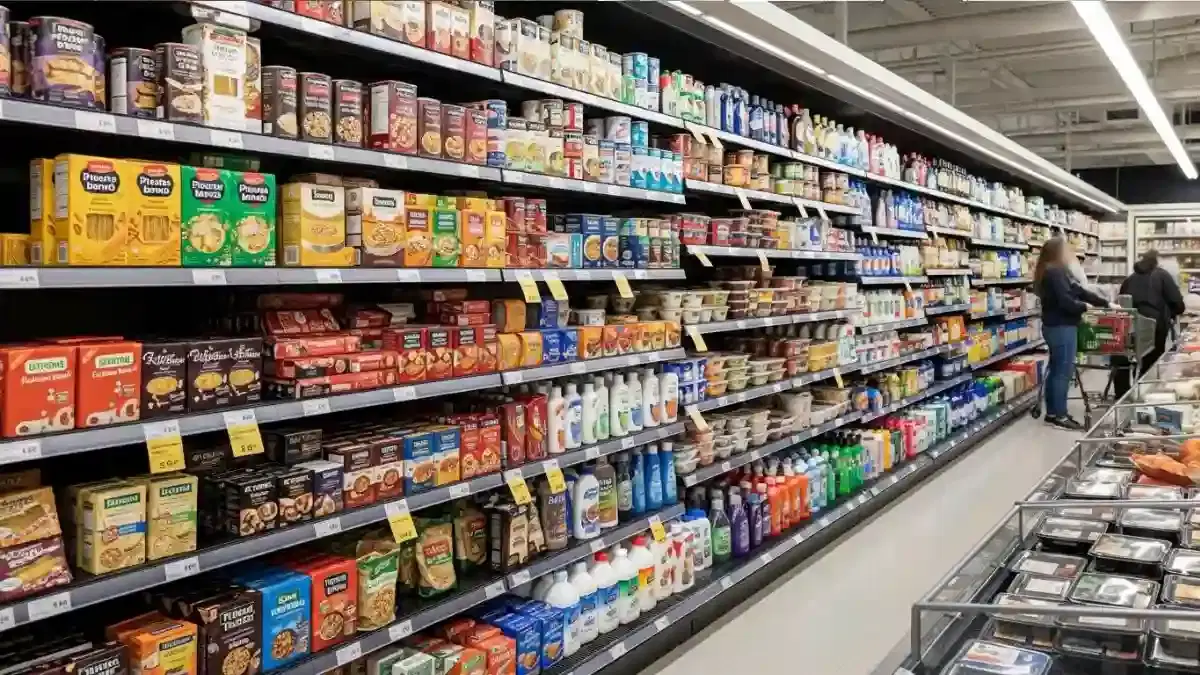
For a long time, many shoppers believed that paying more was the safest way to get better quality. A familiar brand name, attractive packaging, and a higher price often created the impression that a product must be better than its cheaper alternatives. This thinking influenced everyday shopping decisions, particularly when people purchased groceries, household essentials, personal care products, and packaged foods.
However, supermarket private labels are gradually changing that perception.
Today, many supermarkets sell their own products alongside well-known national and international brands. These products, commonly called private labels or store brands, often come with lower price tags but offer quality, taste, and performance that can compete with more expensive alternatives.
From breakfast cereals and pasta to cleaning products, snacks, dairy items, and skincare essentials, private-label products have become a regular part of supermarket shopping.
Their growing popularity raises an interesting question: if a supermarket's own product costs less but delivers a similar experience, does a higher price really mean better quality?
The answer is more complicated than simply choosing the cheapest product. Private labels challenge traditional ideas about quality by showing that manufacturing, packaging, distribution, branding, and marketing costs all influence the final price.
Let's explore how supermarket private labels are changing consumer expectations, why they can offer good value, and what shoppers should consider before choosing between store brands and established names.
1. What Are Supermarket Private Labels?
Private labels are products sold under a retailer's own brand name rather than the name of an independent manufacturer or nationally recognised consumer brand.
For example, a supermarket may offer its own range of rice, biscuits, cooking oil, laundry detergent, coffee, or packaged snacks. These products are usually available through the retailer's stores or online shopping platform.
In many cases, the supermarket works with third-party manufacturers to produce these goods according to its specifications. The retailer then sells them under its own brand.
This business model allows supermarkets to develop products that meet their customers' needs while maintaining greater control over pricing, packaging, product selection, and positioning.
Private Labels vs National Brands
The main difference is not necessarily the product itself but who owns the brand and manages its retail positioning.
Private-label products | National brands |
|---|---|
Owned or controlled by a retailer | Owned by independent companies |
Usually sold through the retailer's channels | Often available across multiple retailers |
Frequently positioned at competitive prices | May carry higher brand-related costs |
Packaging reflects the retailer's identity | Packaging reflects the manufacturer's brand |
Product ranges are controlled by the retailer | Product ranges are controlled by the brand owner |
Private labels are not automatically low-quality alternatives. Some are designed as affordable everyday options, while others compete directly with premium products.
This is an important distinction because the private-label market has developed beyond basic, inexpensive supermarket goods.
2. Why Do Shoppers Traditionally Associate Higher Prices With Better Quality?
Price has always influenced how consumers judge products.
When shoppers see two similar products on a shelf, they may assume that the more expensive one contains better ingredients, uses superior manufacturing processes, or offers a more reliable experience.
Sometimes that assumption is correct. A premium product may use specialised ingredients, advanced technology, better materials, or a more expensive production process.
However, price is not a perfect measure of quality.
Several factors can increase the price of a product without necessarily improving its everyday performance.
Brand Recognition
Well-established brands spend years building customer trust. Their names become familiar through advertising, packaging, sponsorships, and repeated purchases.
Consumers may feel more comfortable purchasing a brand they already recognise, even when a supermarket offers a similar product at a lower price.
That familiarity has commercial value, but it does not automatically mean the product is objectively better.
Marketing and Advertising Costs
Large brands often invest heavily in television campaigns, social media advertising, influencer partnerships, sponsorships, and promotional activities.
These expenses can influence product pricing.
Private labels generally rely more on the supermarket's existing customer base, store displays, catalogues, and retail applications to reach shoppers. This can reduce the need for separate large-scale brand-building campaigns.
Packaging and Brand Positioning
Premium packaging can make a product appear more sophisticated. Special labels, elaborate designs, attractive containers, and distinctive branding can influence how consumers perceive its value.
However, attractive packaging does not always mean better ingredients or improved performance.
A simpler package may contain a product that performs just as well for everyday use.
3. How Private Labels Offer Competitive Prices Without Automatically Sacrificing Quality
One of the biggest reasons private labels attract attention is their ability to compete on price.
But how can supermarkets offer lower-priced products while maintaining acceptable quality?
The answer often involves their business model, purchasing arrangements, production planning, and distribution networks.
Reduced Branding and Marketing Expenses
Unlike independent consumer brands, supermarket private labels already have access to an established retail environment.
They do not always need to spend as much on building separate brand awareness because customers are already visiting the supermarket.
This can allow retailers to allocate more attention to product sourcing, pricing, and availability.
Large-Scale Purchasing
Supermarkets often purchase products in substantial quantities. Their purchasing power may help them negotiate favourable manufacturing and supply agreements.
When retailers order larger volumes, manufacturers may benefit from more predictable production schedules and economies of scale.
These efficiencies can contribute to competitive retail prices.
Existing Distribution Networks
Supermarkets already operate warehouses, delivery systems, distribution centres, and retail stores.
Private-label products can often move through these existing networks instead of requiring a completely separate distribution operation.
This can reduce certain logistical expenses and help retailers manage product availability.
Focused Product Development
A supermarket may decide to introduce a private-label product because customers regularly purchase a particular category.
Instead of building a completely new product range around a broad brand identity, the retailer can focus on specific customer needs.
For example, it might offer:
Affordable everyday breakfast cereals.
Basic household cleaning products.
Everyday cooking ingredients.
Budget-friendly snacks.
Premium ready-to-eat meals.
Organic or speciality food options.
This targeted approach can help supermarkets build product ranges that suit their customers and different spending preferences.
4. Can Private-Label Products Really Match Established Brands in Quality?
This is where the comparison becomes particularly interesting.
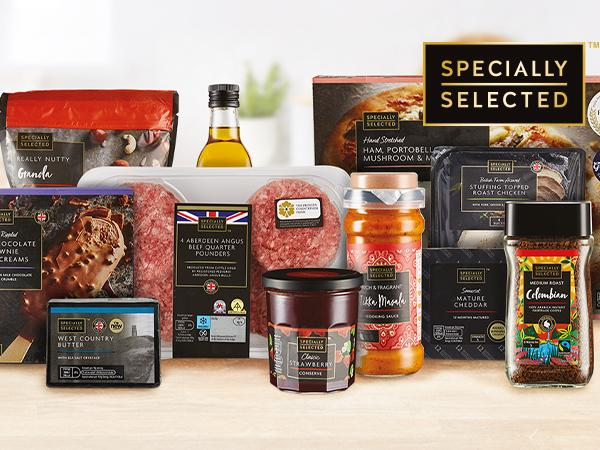
Private labels can offer quality comparable to national brands in some product categories, but the results vary depending on the item, manufacturer, ingredients, and quality standards.
A supermarket's own pasta may perform similarly to a more expensive alternative, while its cleaning product may produce different results.
The important point is that quality needs to be evaluated product by product rather than judged by the brand name alone.
Food Products
Food is one of the most visible categories for private labels.
Supermarkets frequently sell their own versions of everyday products such as pasta, flour, rice, biscuits, canned vegetables, sauces, breakfast cereals, and snacks.
Some products may use ingredients and production methods similar to those found in established brands. Others may have different recipes, textures, flavours, or nutritional profiles.
For shoppers, comparing ingredient lists, nutritional information, portion sizes, and taste can be more useful than relying only on packaging.
Household Cleaning Products
Cleaning products are another category where shoppers often compare price with performance.
A private-label laundry detergent, dishwashing liquid, or surface cleaner may offer satisfactory everyday results at a lower price.
However, performance can depend on concentration, formulation, the type of surface, water conditions, and how much product is required per use.
A cheaper bottle is not necessarily more economical if you need to use significantly more product each time.
Personal Care Products
Supermarket-owned brands have also expanded into personal care.
Products such as shampoo, soap, body wash, moisturisers, toothpaste, and basic skincare items are increasingly available under retailer-owned brands.
Some offer simple formulations and affordable everyday alternatives. Others may include specialised ingredients or premium positioning.
However, personal care products require closer attention to ingredient suitability, skin sensitivity, product claims, and individual needs.
A lower price should never be the only reason to choose a product that may not suit your skin or hair.
5. Why Supermarkets Are Investing More in Their Own Brands
Private labels are not simply a way to provide cheaper products. They are also an important part of supermarket business strategy.
Retailers increasingly use their own brands to differentiate their stores, strengthen customer relationships, and improve control over product offerings.
Greater Control Over Product Selection
When supermarkets develop their own brands, they can decide which products to introduce, how to position them, and what price ranges to target.
This gives them greater flexibility when responding to customer preferences.
For example, a retailer may introduce healthier snack options, plant-based alternatives, organic groceries, or household products designed for environmentally conscious shoppers.
Better Retailer Differentiation
Many supermarkets sell similar national brands. Customers can often find the same products in several competing stores.
Private labels provide something different.
A supermarket's own products may only be available through its retail network, giving shoppers an additional reason to visit that particular store.
Improved Customer Loyalty
When customers repeatedly purchase private-label products and have positive experiences, they may begin to associate those products with the supermarket itself.
This can strengthen customer loyalty.
A shopper who likes a supermarket's own coffee, breakfast cereal, or household cleaning range may prefer returning to that retailer instead of purchasing everything from a competitor.
Opportunities Across Different Price Segments
Private labels allow supermarkets to serve different types of customers.
Rather than offering only one affordable alternative, retailers can develop multiple product ranges:
Value range: Basic products designed to keep everyday shopping affordable.
Standard range: Products that balance price and quality.
Premium range: More specialised products with distinctive ingredients, recipes, or packaging.
This gives customers more choice without requiring every product to compete at the same price point.
6. The Rise of Premium Private Labels
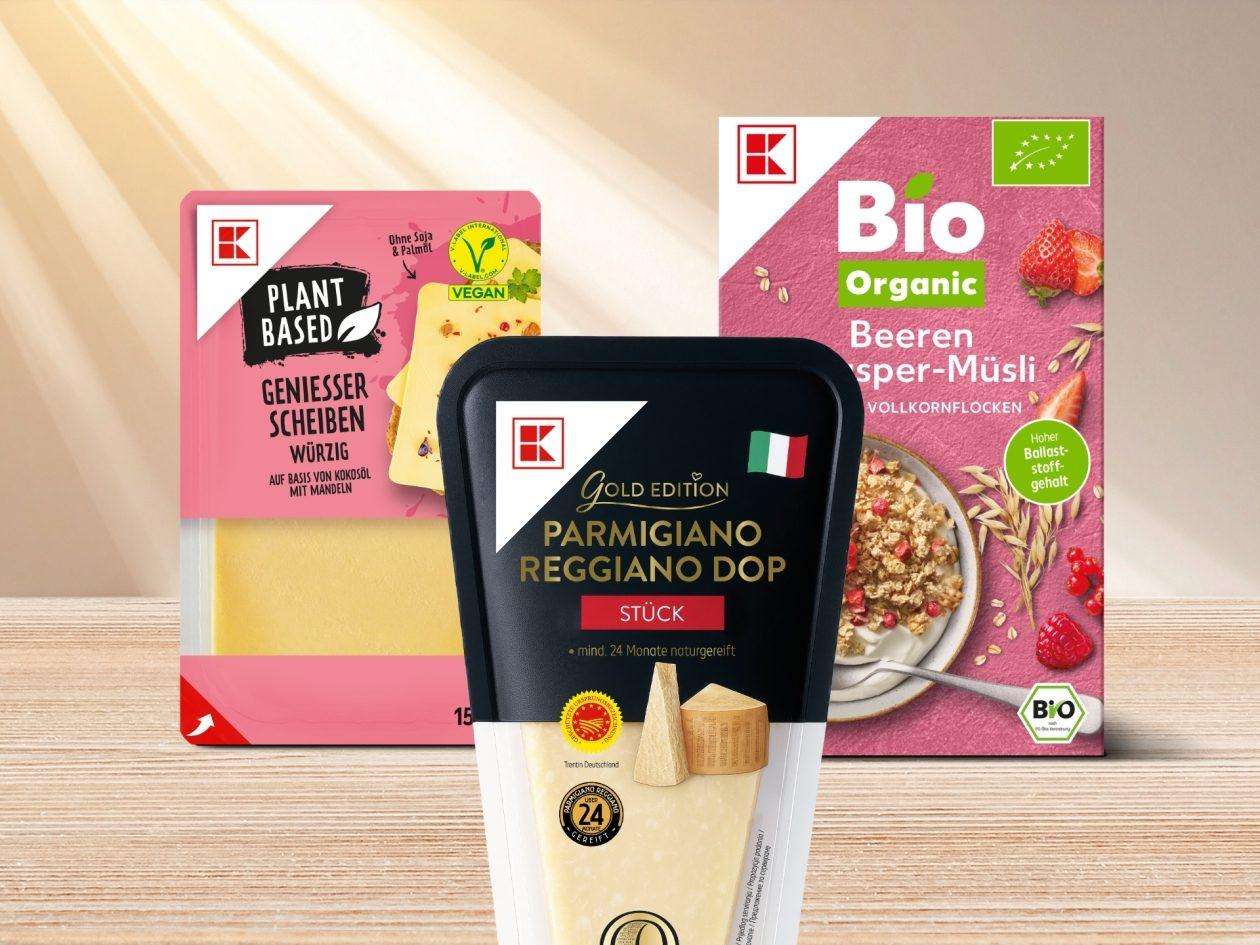
One of the most interesting changes in supermarket retail is the growth of premium store brands.
In the past, private labels were often associated with plain packaging and inexpensive everyday essentials. Today, some supermarkets are developing products that compete in premium categories.
These ranges may include organic foods, speciality cheeses, gourmet sauces, premium chocolate, artisan-style bakery products, speciality coffee, and plant-based alternatives.
The purpose is not simply to offer a cheaper version of an established brand. Instead, retailers are trying to provide products that feel distinctive while remaining competitively priced.
Why Are Premium Store Brands Becoming Popular?
Consumers have become more interested in product ingredients, food quality, sustainability, convenience, and value.
They may be willing to pay more for a product that offers something meaningful, but they do not necessarily want to pay extra just because a familiar brand name appears on the package.
Premium private labels give supermarkets an opportunity to meet these expectations.
However, premium positioning should still be supported by real product characteristics. Attractive packaging and words such as artisan, natural, or gourmet do not automatically prove that a product is superior.
7. How Private Labels Are Changing Consumer Shopping Behaviour
The growing availability of private-label products is changing how people make purchasing decisions.
Instead of automatically choosing familiar brands, more shoppers are willing to compare alternatives.
This is particularly important when households are trying to manage grocery budgets without giving up products they enjoy.
Shoppers Are Becoming More Price-Conscious
Rising living expenses, food prices, and household costs have encouraged many consumers to pay closer attention to everyday spending.
Private labels provide another option for people who want to control grocery expenses.
A shopper may choose a supermarket's own pasta, rice, cleaning products, or canned goods while continuing to purchase a preferred national brand in categories where taste or performance matters more personally.
This creates a more flexible shopping approach.
Brand Loyalty Is Becoming More Selective
Brand loyalty has not disappeared, but consumers may be less willing to pay extra without understanding what makes a product different.
For example, someone may remain loyal to a particular coffee brand because they enjoy its flavour but happily switch to a supermarket's own flour or dishwashing liquid.
This shows that purchasing decisions are often based on individual product experiences rather than loyalty to one brand across every category.
Product Comparisons Are Becoming More Important
Shoppers can now research product ingredients, compare prices online, read reviews, and check nutritional labels before making a decision.
As a result, retailers must provide products that offer genuine value rather than depending entirely on customer familiarity.
8. The Role of Packaging and Product Presentation
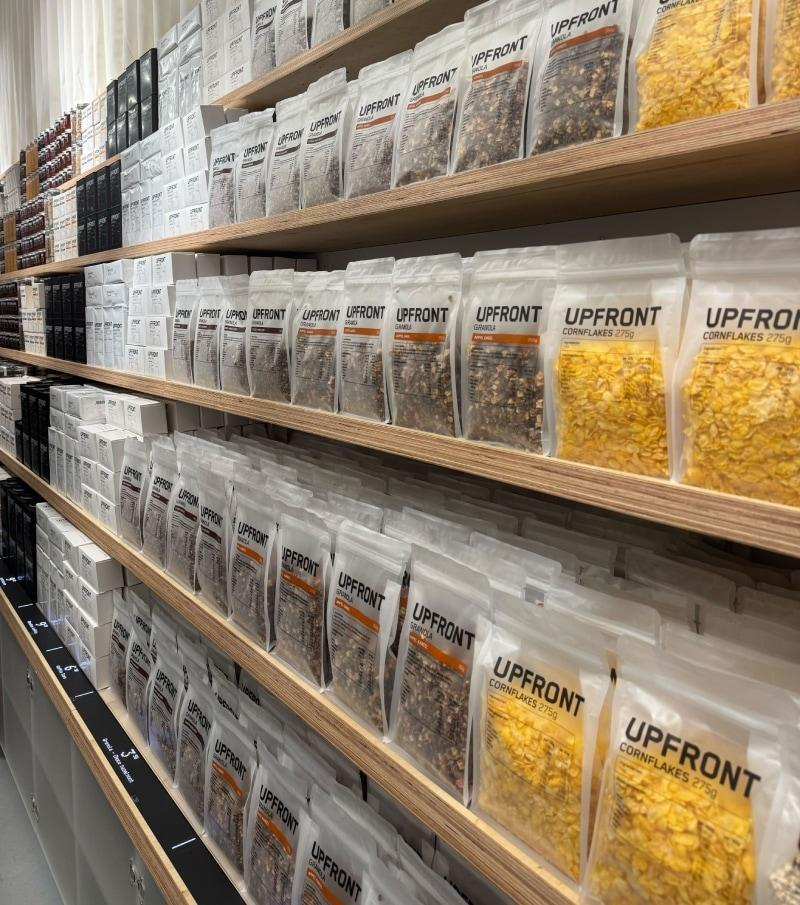
Packaging plays an important role in how consumers judge supermarket products.
For many years, national brands benefited from recognisable colours, familiar logos, and distinctive packaging. These elements helped products stand out on crowded supermarket shelves.
Private labels have become more sophisticated in this area.
Some retailers now use carefully designed packaging that looks modern, clear, and appealing. Premium private-label ranges may use simple typography, natural colours, transparent ingredient information, or specialised packaging materials.
However, packaging should communicate useful information rather than create misleading expectations.
Shoppers should look beyond the appearance of a product and consider:
Ingredient quality and composition.
Nutritional information.
Net quantity and serving size.
Manufacturing and expiry dates.
Storage instructions.
Product certifications where relevant.
Packaging recyclability and disposal information.
Good packaging can improve the shopping experience, but it should not be confused with product performance.
9. Are Private Labels Always Better Value for Money?
Although private labels can offer excellent value, they are not automatically the best option in every situation.
A lower shelf price may look attractive, but shoppers should consider what they receive in return.
Compare the Unit Price
One of the simplest ways to compare products is to look at their price per kilogram, litre, gram, or individual unit.
For example, a smaller package may cost less overall but be more expensive per kilogram than a larger branded alternative.
Unit pricing helps shoppers understand the actual cost rather than relying only on the displayed package price.
Check the Ingredients
For food and personal care products, ingredients can reveal important differences.
Two products may look similar but contain different ingredients, concentrations, additives, or nutritional values.
Read the label instead of assuming that two products are identical.
Consider How Well the Product Performs
A cheaper cleaning product might require more liquid per use. An inexpensive food item may have a flavour or texture that does not suit your preferences.
In these situations, the initial price difference may not represent the full value.
Think About Your Actual Needs
Not every purchase requires the most expensive option.
If you need a basic household product for everyday use, a reliable private-label alternative may be perfectly suitable.
On the other hand, products involving specific dietary requirements, allergies, specialist performance, or personal preferences may deserve closer evaluation.
10. What Are the Challenges of Private-Label Products?
Despite their growing popularity, private labels face several challenges.
Their success depends on more than offering lower prices. Supermarkets must maintain customer confidence and deliver consistent product experiences.
Maintaining Consistent Quality
Many retailers work with external manufacturers to produce private-label products.
This makes supplier selection, product specifications, quality checks, and ongoing monitoring especially important.
If a product changes noticeably between purchases, customers may lose confidence in the brand.
Building Consumer Trust
National brands often have a long history and established customer recognition.
Private labels may need more time to convince shoppers that their products are dependable.
Positive experiences, transparent labelling, product information, and consistent availability can help build that trust.
Managing Product Recalls
If a product has a safety or quality issue, the supermarket may need to coordinate with its manufacturing partner, suppliers, and relevant authorities.
Clear traceability and effective recall procedures are important for protecting customers.
Standing Out in a Competitive Market
Many supermarkets offer similar private-label products.
Retailers therefore need to create meaningful differences through product quality, pricing, packaging, speciality ranges, and customer experience.
Simply copying an established brand at a lower price may not be enough to build long-term customer loyalty.
11. How Shoppers Can Make Smarter Choices Between Private Labels and National Brands
The best shopping decision is not always choosing the cheapest product or the most expensive one.
It is about finding the product that meets your needs at a reasonable price.
Here are a few practical ways to make better comparisons.
1. Compare Similar Products
Make sure you are comparing products from the same category and with similar quantities.
Comparing a basic cooking oil with a specialised premium oil may not provide a fair assessment.
2. Read the Product Label
Check ingredients, nutritional values, product specifications, warnings, and relevant certifications.
This is particularly important for food, skincare, cleaning products, and items used by children.
3. Try Smaller Quantities First
If you are unsure about a private-label product, consider purchasing a smaller pack before switching completely.
This allows you to assess its taste, quality, or performance without spending too much.
4. Calculate the Real Cost
Compare unit prices rather than package prices.
For products used regularly, also consider how much you need per serving or use.
5. Check Customer Reviews Carefully
Reviews can help you understand other shoppers' experiences, although individual preferences vary.
Look for repeated comments about product consistency, taste, packaging, and performance rather than relying on a single opinion.
6. Do Not Ignore Product Safety
For products with safety, allergy, or specialised-use considerations, review the manufacturer's information and applicable certifications.
A lower price should never come at the expense of product safety.
12. The Future of Supermarket Private Labels
Private labels are likely to remain an important part of supermarket competition as retailers continue to explore new ways of serving customers.
Their future will depend on how well they balance affordability, product development, quality, convenience, and consumer trust.
Several developments may influence the next stage of this market.
More Focus on Health and Nutrition
Supermarkets may expand private-label options that respond to demand for healthier snacks, high-protein foods, plant-based products, and specialised dietary choices.
Clear nutritional information and transparent ingredient labelling will become increasingly important.
Greater Attention to Sustainability
Retailers may explore recyclable packaging, reduced plastic use, responsible sourcing, and more efficient supply chains.
However, environmental claims need to be supported by credible information rather than marketing language alone.
Personalised Product Ranges
Retailers can use customer feedback and purchasing patterns to understand which products shoppers prefer.
This may help them introduce more relevant private-label products and improve existing ranges.
More Competition in Premium Categories
As private-label quality and product development improve, supermarkets may expand their presence in speciality and premium categories.
This could give consumers more alternatives when comparing established brands with retailer-owned products.
Better Online Product Comparisons
Online grocery shopping makes it easier to compare product prices, quantities, ingredients, and reviews.
As supermarket websites and applications improve, shoppers may find it easier to evaluate private labels before adding products to their baskets.
Final Thoughts
Supermarket private labels are challenging a long-standing belief in retail: that better quality must always come with a higher price.
Their growing popularity shows that product value is influenced by much more than brand recognition. Manufacturing arrangements, marketing expenses, packaging, purchasing power, and distribution systems can all affect what shoppers pay.
That does not mean every private-label product is better than a national brand, or that expensive products are never worth the extra money. Some established brands offer distinctive ingredients, specialised formulations, or performance that customers genuinely prefer.
The bigger change is that shoppers now have more opportunities to compare products instead of relying on price and brand reputation alone.
For supermarkets, private labels create opportunities to build customer loyalty, differentiate their stores, and compete across different price categories. For consumers, they offer more choices and the possibility of getting good quality without always paying a premium.
Ultimately, the smartest purchase is not necessarily the cheapest or the most expensive. It is the one that delivers the quality, performance, and value you actually need.
FAQ's
Private-label products are goods sold under a supermarket's own brand name, often manufactured by third-party suppliers.
Yes, some private-label products offer comparable quality, taste, and performance, although quality varies by product and manufacturer.
They may cost less because retailers benefit from established distribution networks, bulk purchasing, and lower separate marketing expenses.
No, shoppers should compare unit prices, ingredients, quality, quantity, and performance before deciding which product offers better value.
Supermarkets invest in private labels to offer competitive prices, increase customer loyalty, differentiate their stores, and improve product selection.
Sources and notes
Links the author listed for this post.
This article is based on general retail and consumer behaviour principles, including private-label business models, product pricing, brand positioning, and value-based shopping.


Discussion
0 comments