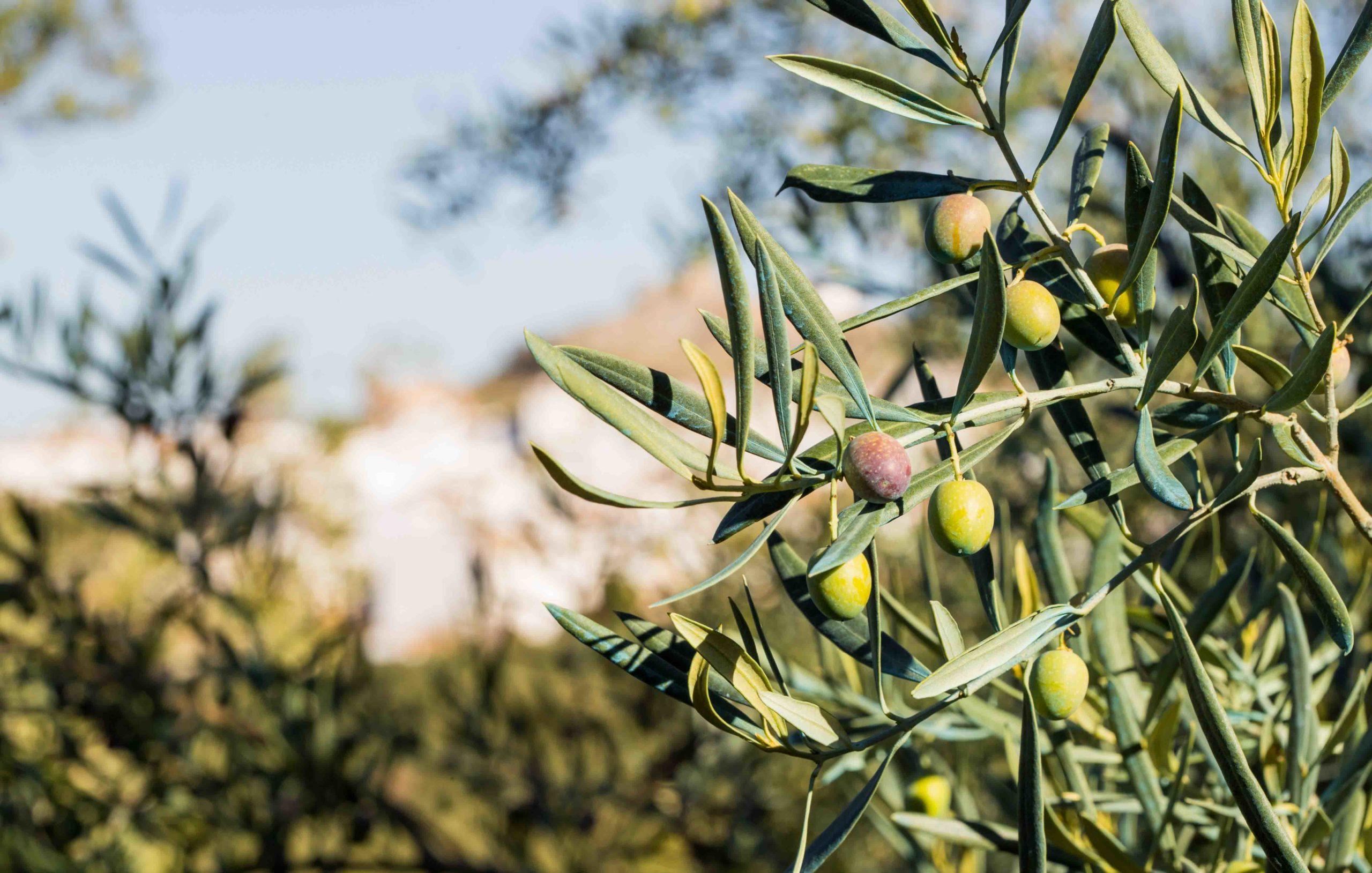
Olive trees are more than just a source of olives and olive oil. They are an important part of nature, especially in Mediterranean regions where they have been growing for thousands of years. Their strong roots, long lifespan, and ability to survive in dry conditions make them valuable for the environment.
Walk through an old olive grove, and you will notice that it is not just a collection of trees. Birds move between branches, insects find shelter in the leaves, and small animals use the surrounding land for food and protection. Even the soil benefits from the presence of these trees.
Today, when environmental protection and sustainable farming are becoming increasingly important, olive trees deserve more attention. They can support wildlife, help protect soil, contribute to carbon storage, and play a role in maintaining healthy agricultural landscapes.
Let's explore why olive trees matter so much for biodiversity and environmental sustainability.
1. Olive Trees Provide a Natural Home for Wildlife
One of the biggest environmental benefits of olive trees is their ability to support different forms of wildlife.
An olive grove can become a small ecosystem where birds, insects, reptiles, and other animals find suitable places to live. Older trees are particularly valuable because their thick trunks, branches, and natural openings create shelter for different species.
Here are some ways olive trees support wildlife:
Birds: Their branches offer nesting places, resting spots, and protection from predators.
Bees and pollinators: Flowers can provide food for bees and other insects.
Small mammals: Areas around olive groves can offer shelter and feeding opportunities.
Beneficial insects: Different insects use the trees and surrounding vegetation as habitats.
Reptiles: Stone walls, fallen leaves, and nearby vegetation can provide hiding places.
The value of an olive grove often increases when it contains native plants, natural ground cover, and older trees.
2. They Help Maintain Biodiversity
Biodiversity means the variety of living organisms found in a particular environment. It includes plants, animals, insects, fungi, and microorganisms.
Olive-growing landscapes can support biodiversity by providing food, shelter, and suitable living conditions for different species.
However, not every olive plantation supports biodiversity equally. A traditional olive grove with different plant species and natural vegetation generally offers more habitats than a large monoculture plantation with little ground cover.
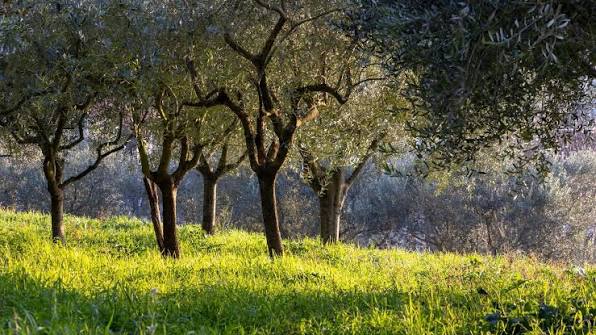
How olive groves contribute to biodiversity:
They provide food sources for birds and insects.
They create habitats for different wildlife species.
They support beneficial organisms living in the soil.
They help maintain natural vegetation when managed responsibly.
They can connect different natural habitats across agricultural landscapes.
The important point is that growing olive trees is not automatically enough. How farmers manage the land also makes a major difference.
3. Olive Trees Help Protect Soil From Erosion
Soil erosion is a serious environmental problem. Heavy rainfall, strong winds, deforestation, and poor agricultural practices can gradually remove the fertile top layer of soil.
Olive trees can help reduce this problem, particularly when grown on slopes and hilly landscapes.
Their root systems help hold soil particles together, while fallen leaves and organic matter contribute to soil structure.
Some important soil-related benefits include:
Environmental Benefit | How Olive Trees Help |
Soil protection | Roots help hold soil in place |
Reduced erosion | Tree cover can reduce the direct impact of rainfall |
Organic matter | Fallen leaves add organic material to the soil |
Soil structure | Roots and organic matter support soil quality |
Water management | Vegetation can improve water infiltration |
Farmers can improve these benefits by allowing suitable grasses and other plants to grow between olive trees instead of keeping the ground completely bare.
4. They Support Carbon Storage and Climate Benefits
Trees naturally absorb carbon dioxide from the atmosphere through photosynthesis. They use this carbon to grow leaves, branches, roots, and trunks.
Olive trees are long-living plants, and some traditional trees survive for centuries. Their long life allows them to store carbon in their woody structures over extended periods.
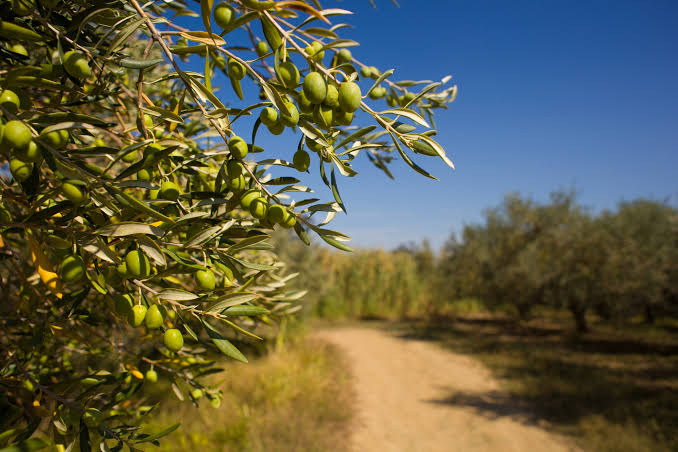
Their environmental contribution includes:
Absorbing carbon dioxide as they grow.
Storing carbon in trunks, branches, and roots.
Adding organic material to the soil through fallen leaves.
Supporting vegetation that can contribute to carbon storage.
Providing long-term tree cover in agricultural landscapes.
However, the overall climate impact of olive farming also depends on irrigation, fertilizer use, machinery, transportation, and land management. Sustainable farming practices are essential to making olive production more environmentally responsible.
5. Olive Trees Can Grow in Dry and Challenging Conditions
One reason olive trees are so valuable is their ability to survive in environments where many other crops may struggle.
They are well adapted to Mediterranean climates, which often experience hot summers, limited rainfall, and mild winters. Their leaves and root systems help them manage water more efficiently than many water-demanding crops.
This makes olive cultivation an interesting option for certain dry agricultural regions.
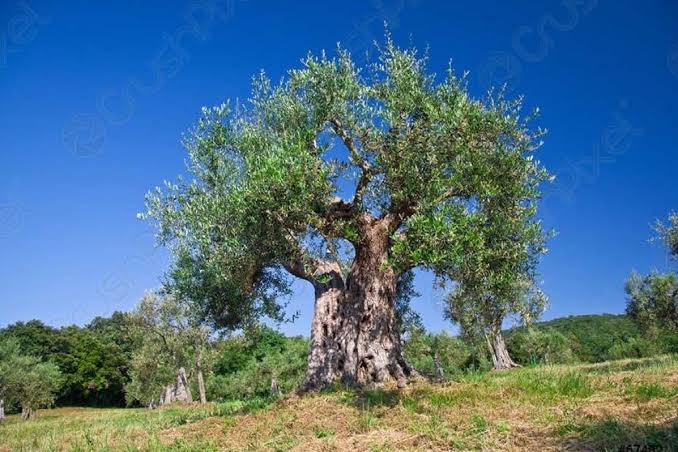
Why olive trees are suitable for dry environments:
They can tolerate periods of limited rainfall once established.
Their leaves have adaptations that help reduce water loss.
Their root systems can explore soil for available moisture.
They can grow in relatively poor and rocky soils.
They are well suited to warm climates with seasonal rainfall.
However, drought-resistant does not mean drought-proof. Young olive trees and commercial plantations may still need irrigation, especially during dry periods.
6. Olive Groves Support Healthy Soil Ecosystems
Healthy soil is full of life. It contains bacteria, fungi, earthworms, and other tiny organisms that help break down organic material and recycle nutrients.
Olive groves can support these underground ecosystems when farmers use responsible land-management methods.
For example, leaving fallen leaves on the ground and maintaining natural vegetation can help improve soil conditions.
Soil Organism or Element | Its Environmental Role |
Earthworms | Help improve soil structure |
Beneficial bacteria | Support nutrient cycling |
Soil fungi | Help plants access nutrients |
Fallen leaves | Add organic matter |
Ground vegetation | Protects soil and supports microorganisms |
A healthy soil ecosystem also helps trees grow stronger and makes agricultural land more resilient over time.
7. They Provide Food and Resources for Pollinators
Pollinators play an important role in maintaining natural ecosystems. Bees, butterflies, and other insects help pollinate many flowering plants, supporting plant reproduction and food production.
Olive trees produce small flowers that can provide pollen to insects. Although olive trees are mainly wind-pollinated, their flowering period can still contribute to the food resources available to some insects.
A healthy olive-growing landscape can become even more valuable for pollinators when farmers maintain flowering plants around the trees.
Ways to make olive groves more pollinator-friendly:
Allow native wildflowers to grow in suitable areas.
Avoid unnecessary pesticide applications.
Maintain natural vegetation around field boundaries.
Protect nearby hedgerows and flowering plants.
Reduce the use of harmful chemicals wherever possible.
These small changes can help create a more welcoming environment for pollinators and other beneficial insects.
8. Olive Trees Play an Important Role in Sustainable Agriculture
Sustainable agriculture means producing food while protecting natural resources for future generations.
Olive farming can contribute to this approach when it is planned and managed carefully. Since olive trees are perennial crops, they do not need to be replanted every year like many annual crops.
This can help maintain long-term vegetation cover and reduce repeated soil disturbance.
Some sustainable olive-farming practices include:
Natural ground cover: Growing suitable plants between tree rows to protect soil.
Responsible irrigation: Using water efficiently, especially in drought-prone regions.
Organic soil management: Returning suitable organic material to the soil.
Integrated pest management: Controlling pests while reducing unnecessary pesticide use.
Tree conservation: Protecting mature olive trees and maintaining traditional groves.
Biodiversity protection: Preserving natural habitats around agricultural land.
These methods can help farmers balance agricultural production with environmental protection.
9. Traditional Olive Groves Are Valuable Natural Landscapes
Traditional olive groves are an important part of the cultural and natural heritage of many Mediterranean communities.
Some contain trees that have survived for generations. These landscapes are not only valuable for olive production but also for their ecological and cultural importance.
Traditional groves often include features such as:
Old olive trees with large trunks and extensive branches.
Stone terraces built to manage sloping land.
Native grasses and flowering plants.
Natural spaces that provide wildlife habitats.
Agricultural practices passed down through generations.
When these landscapes are managed responsibly, they can help preserve local biodiversity while maintaining traditional farming knowledge.
10. How Poor Olive Farming Practices Can Harm the Environment
Although olive trees offer several environmental benefits, olive farming is not automatically sustainable.
Certain agricultural practices can damage ecosystems and reduce the positive impact of olive cultivation.
Here are some challenges worth understanding:
Farming Challenge | Possible Environmental Impact |
Excessive pesticide use | Can harm beneficial insects |
Over-irrigation | Can put pressure on local water resources |
Bare soil management | Can increase soil erosion |
Intensive monoculture | Can reduce habitat diversity |
Excessive fertilizer use | Can contribute to water pollution |
Poor waste management | Can affect surrounding soil and water |
Olive mill wastewater and solid residues also require proper management because untreated waste can create environmental problems.
The goal should not simply be to grow more olive trees. It should be to grow and maintain them in ways that protect the surrounding environment.
11. Practical Ways to Make Olive Cultivation More Environmentally Friendly
Farmers, agricultural businesses, and landowners can take several practical steps to improve the environmental value of olive groves.
Here are some useful approaches:
Plant native vegetation between olive trees.
Protect old and mature olive trees.
Use drip irrigation where appropriate.
Avoid unnecessary chemical treatments.
Maintain natural habitats around agricultural land.
Prevent soil from remaining bare for long periods.
Use compost and suitable organic materials.
Monitor water consumption and soil health.
Protect nearby natural areas from agricultural expansion.
Even small improvements in farming practices can make a difference when applied across large agricultural landscapes.
12. Why Protecting Olive Trees Matters for Future Generations
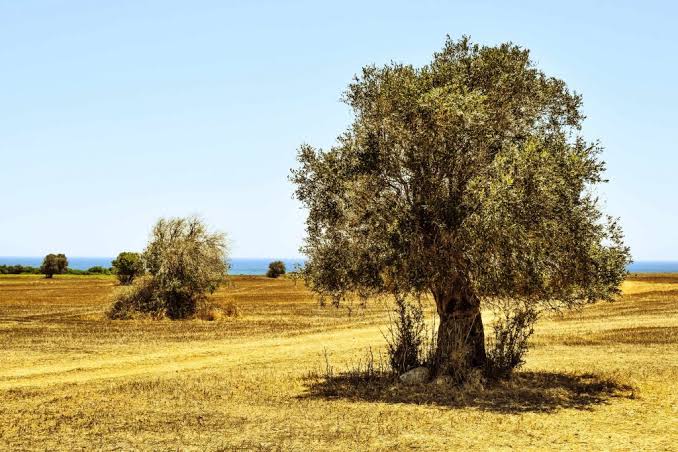
Olive trees are long-term environmental assets. A tree planted today may continue growing and supporting its surroundings for decades or even centuries.
Protecting olive trees is therefore not just about preserving an agricultural crop. It is also about maintaining natural habitats, supporting traditional landscapes, and protecting resources that future generations will depend on.
As climate conditions change and biodiversity faces increasing pressure, sustainable olive cultivation can become one part of broader environmental conservation efforts.
However, protecting existing mature trees, maintaining diverse habitats, and improving farming practices are just as important as planting new trees.
13. Olive Trees and Their Contribution to Environmental Sustainability
Olive trees bring together several environmental benefits that make them important for sustainable landscapes.
Their value goes beyond the fruit they produce. They can support wildlife, improve soil conditions, contribute to carbon storage, and help maintain agricultural landscapes in regions with limited rainfall.
Here is a quick look at their overall environmental contribution:
Area | Contribution of Olive Trees |
Biodiversity | Provides habitats for birds, insects, and other wildlife |
Soil health | Helps reduce erosion and adds organic matter |
Climate | Stores carbon in woody parts and roots |
Water conservation | Can grow in relatively dry climates |
Agriculture | Supports long-term perennial farming |
Wildlife | Offers food and shelter opportunities |
Ecosystems | Helps maintain diverse agricultural landscapes |
The benefits are strongest when olive trees are grown alongside responsible water management, natural vegetation, and biodiversity-friendly farming practices.
Olive trees are a valuable part of nature because they support more than agricultural production. They provide habitats for wildlife, contribute to healthier soil, offer resources for insects, and help maintain green landscapes in dry regions.
Their long lifespan also makes them important for preserving traditional agricultural environments and supporting long-term carbon storage.
However, their environmental value depends greatly on how they are cultivated and protected. Sustainable irrigation, responsible pesticide use, natural ground cover, and the conservation of mature trees can make olive farming more beneficial for the environment.
As the world continues to focus on biodiversity and climate protection, olive trees remind us that even traditional crops can play an important role in building a healthier and more sustainable future.
Frequently Asked Questions
Olive trees provide food and shelter for birds, insects, and other wildlife. Traditional olive groves can also support different plant and animal species.
Yes, they can help reduce soil erosion, store carbon, support wildlife habitats, and contribute to sustainable agricultural landscapes.
Yes, olive trees are adapted to Mediterranean climates and can tolerate limited rainfall. However, they still need sufficient water to grow properly.
Their root systems help hold soil together, while fallen leaves and ground vegetation provide additional protection against erosion.
Yes, when managed responsibly, olive trees can support long-term farming, soil conservation, and biodiversity while making efficient use of suitable agricultural land.
Sources and notes
Links the author listed for this post.
Content is based on environmental research and general information about olive trees, biodiversity, soil conservation, and sustainable agricultural practices.
- 1lifegate.com (opens in a new tab)
lifegate.com


Discussion
0 comments