
The internet has made life easier in many ways. Women can use digital platforms to study, work, build businesses, share opinions, connect with people and express themselves freely. Social media has also created opportunities for women to raise their voices and participate in important conversations.
But there is another side to this digital growth that cannot be ignored. Online spaces are increasingly being used to threaten, harass, intimidate and target women. From abusive messages and cyberstalking to leaked private photographs and deepfake videos, digital violence has become a serious concern across the world.
What makes this issue particularly worrying is that online abuse does not always stay online. It can affect a woman's personal relationships, professional life, mental health, reputation and even physical safety.
Many women hesitate to speak publicly, share photographs or express their opinions because they fear becoming targets of online harassment. Others face repeated abuse simply for participating in discussions or having a visible presence on social media.
Digital violence against women is not just an internet problem. It is a broader issue involving gender equality, personal safety, privacy and human rights.
Let's understand what digital violence means, why it is increasing, its different forms and what individuals, technology companies and governments can do to address it.
What Is Digital Violence Against Women?
Digital violence against women refers to the use of technology, digital platforms and online communication tools to threaten, control, exploit, harass or harm women and girls.
It can happen through social media platforms, messaging applications, emails, websites, online gaming communities and other digital spaces.
Unlike traditional forms of harassment, digital abuse can happen at any time and from almost anywhere. A harmful photograph, threatening message or personal information can be shared with thousands of people within minutes.
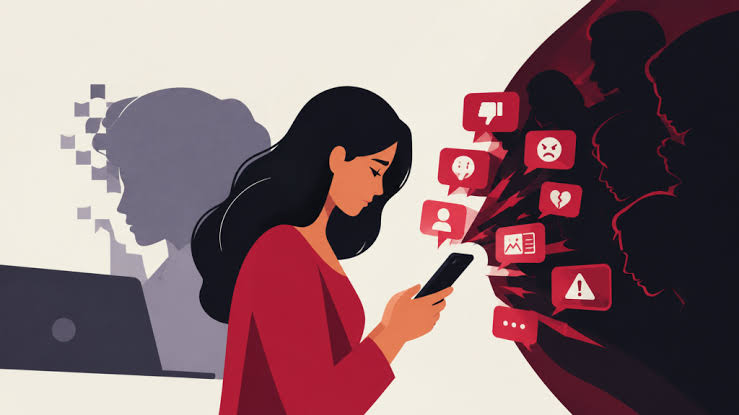
Some common examples include:
Sending threatening or sexually inappropriate messages.
Sharing private photographs without consent.
Creating fake profiles to damage someone's reputation.
Repeatedly monitoring someone's online activities.
Using personal information to intimidate or blackmail women.
Creating fake videos or images using artificial intelligence.
Coordinating online attacks against women who express their opinions.
Digital violence can affect women from different backgrounds, professions and age groups. However, the nature and severity of abuse may differ depending on their social circumstances, public visibility and access to support.
Why Is Digital Violence Against Women Becoming a Global Concern?
The growing use of smartphones, social media and artificial intelligence has changed how people communicate. While these technologies offer many benefits, they can also create opportunities for harassment and exploitation.
There are several reasons why digital violence is receiving increasing global attention.
1. Increased Social Media Usage
Social media platforms have become part of everyday life. Women use them to share opinions, promote businesses, build careers and stay connected with friends and family.
However, greater online visibility can also expose users to unwanted attention and abuse.
Women who speak about social issues, politics, gender equality or other sensitive topics may become targets of coordinated harassment.
2. Anonymity and Fake Accounts
Creating an online account is often easy, and some individuals misuse this opportunity to hide their identities.
Fake profiles can be used to:
Send abusive messages.
Spread false information.
Impersonate women.
Share misleading photographs.
Threaten or blackmail individuals.
Anonymous accounts can make it difficult to identify offenders and hold them accountable.
3. Misuse of Artificial Intelligence
Artificial intelligence has introduced new challenges to online safety.
AI tools can create realistic-looking images, videos and audio recordings. When these technologies are misused, they can be used to create non-consensual intimate images, impersonate women or spread misleading content.
Deepfake technology is particularly concerning because manipulated content may appear genuine to people who see it.
This can cause serious damage to someone's reputation, privacy and emotional well-being.
4. Weak Awareness About Digital Safety
Many people use digital platforms without fully understanding privacy settings, account security and reporting options.
Some women may not know how to preserve evidence of online abuse or where to report serious threats.
Better digital education can help people recognise warning signs and respond more confidently.
5. Limited Accountability on Digital Platforms
Reporting online harassment does not always lead to quick action. Harmful content may remain visible, fake accounts may continue operating, and victims may struggle to receive meaningful support.
Technology companies need stronger systems to identify abuse, respond to complaints and protect users from repeated harassment.
Major Forms of Digital Violence Against Women
Digital violence is not limited to one type of behaviour. It can take different forms depending on the technology used and the intention behind the abuse.
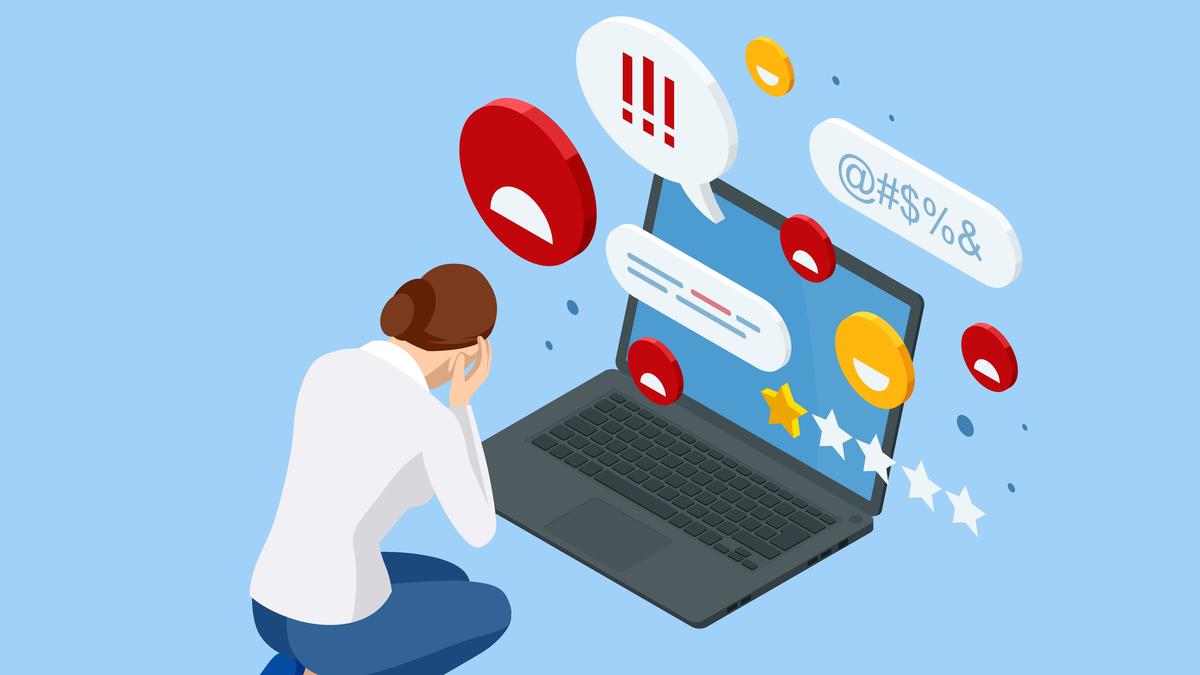
Here are some of the most common forms.
1. Cyberbullying and Online Harassment
Cyberbullying involves using digital platforms to repeatedly insult, threaten, humiliate or target someone.
Women may experience abusive comments, unwanted messages, public shaming and personal attacks.
Sometimes, several accounts participate in targeting one individual, making the experience even more stressful.
Common examples include:
Posting insulting comments under photographs.
Sending repeated threatening messages.
Spreading rumours through social media.
Making offensive remarks about appearance.
Targeting women for expressing personal opinions.
2. Cyberstalking and Digital Monitoring
Cyberstalking happens when someone repeatedly uses digital tools to monitor, follow, contact or intimidate another person without consent.
This behaviour may involve monitoring social media activities, sending unwanted messages or attempting to access private accounts.
In some situations, technology such as location-sharing applications or tracking software may also be misused.
Cyberstalking can make women feel unsafe even when they are at home or away from the person targeting them.
3. Non-Consensual Sharing of Private Images
Sharing someone's intimate photographs or videos without their permission is a serious form of digital abuse.
In some cases, offenders threaten to publish private content to control, shame or blackmail women.
This behaviour can have long-lasting consequences, particularly when the material is copied and circulated across multiple platforms.
Consent is essential. Having access to someone's private photographs does not give anyone permission to share them.
4. Deepfake Abuse and AI-Generated Images
Artificial intelligence has made image and video manipulation easier than ever.
Unfortunately, some individuals use these tools to create fake intimate images or videos featuring women without their consent.
Such material can spread quickly and cause emotional distress, humiliation and reputational harm.
Deepfake abuse also creates another problem: victims may find it difficult to convince others that the content is fake.
5. Online Blackmail and Sextortion
Sextortion involves threatening to share intimate images, videos or other sensitive information unless a person follows certain demands.
The offender may ask for money, additional photographs or other forms of cooperation.
Women and girls can become victims of these threats through social media, messaging applications or online relationships.
It is important to understand that victims are not responsible for someone else's decision to threaten or exploit them.
6. Identity Theft and Impersonation
Identity theft occurs when someone uses another person's personal information without permission.
In digital spaces, offenders may create fake accounts using a woman's name, photographs or other identifying details.
These accounts may be used to contact others, spread false information or damage someone's reputation.
Impersonation can also create confusion among friends, family members and professional contacts.
How Digital Violence Affects Women's Lives
The impact of digital abuse can extend far beyond a mobile screen. Even when the harassment happens online, the emotional and practical consequences can affect almost every part of a woman's life.

1. Mental and Emotional Health
Repeated online harassment can create fear, anxiety, stress and emotional exhaustion.
Some women may experience:
Difficulty sleeping.
Loss of confidence.
Fear of using social media.
Feelings of isolation.
Emotional distress and anxiety.
Difficulty concentrating on everyday activities.
Serious or persistent abuse can also contribute to longer-term mental health difficulties.
2. Damage to Personal and Professional Reputation
False allegations, manipulated photographs and impersonation can affect a woman's personal and professional relationships.
For example, a woman running an online business may lose customers because someone spreads false information about her.
Similarly, professionals may face harassment that affects their workplace relationships and career opportunities.
3. Reduced Freedom of Expression
One of the most concerning consequences is self-censorship.
Some women stop sharing opinions, avoid posting photographs or withdraw from public discussions because they fear online attacks.
This limits their ability to participate equally in digital spaces.
4. Financial and Career Losses
Digital abuse can also create financial difficulties.
Women who depend on online platforms for work may lose business opportunities, customers or professional connections.
In cases involving blackmail, victims may also face financial exploitation.
Digital Violence Against Women in India
India has experienced rapid digital growth, with smartphones, social media and online services becoming increasingly common.
This growth has created new opportunities for education, employment and communication. However, it has also highlighted concerns about online harassment, cyberstalking, impersonation and the misuse of private information.
Women and girls may face digital abuse through social networking platforms, messaging applications and other online communities.
Some important challenges in India include:
Limited awareness of cybercrime reporting procedures.
Fear of social judgement and victim-blaming.
Misuse of personal photographs and information.
Online harassment of women with public profiles.
Deepfake images and impersonation.
Difficulty accessing timely support in some locations.
India has legal provisions that can apply to different forms of online abuse. Depending on the circumstances, relevant laws may include provisions under the Information Technology Act, 2000, and the Bharatiya Nyaya Sanhita, 2023.
Cybercrime reporting services and specialised police units also play an important role in addressing complaints.
Improving digital literacy, strengthening enforcement and making reporting more accessible are important steps towards safer online spaces.
The Role of Technology Companies in Preventing Online Abuse
Digital platforms have an important responsibility to create safer online environments.
Since millions of people communicate through social media and messaging services, technology companies need to take online abuse seriously.
Here are some areas where stronger action is needed:
Area of Action | What Platforms Can Do |
Content moderation | Identify and remove harmful content promptly |
Reporting systems | Make reporting simple and accessible |
Account security | Improve protection against impersonation |
AI safety | Detect and restrict abusive AI-generated content |
User privacy | Provide stronger privacy and security controls |
Victim support | Offer clear guidance and complaint updates |
Repeat offenders | Take appropriate action against accounts repeatedly involved in abuse |
Technology companies should also make sure that reporting systems are easy to understand and that victims do not have to repeatedly explain traumatic experiences.
How Women Can Protect Themselves From Digital Violence

Preventing digital violence requires action from platforms, governments and society. However, individuals can also take practical steps to improve their online safety.
Here are some useful precautions.
1. Review Social Media Privacy Settings
Check who can view your photographs, personal information, posts and contact details.
Consider limiting access to your profile to people you trust.
2. Use Strong Passwords
Create unique passwords for important accounts. Avoid using easily guessed information such as birthdays or common names.
A password manager can help manage different passwords securely.
3. Enable Two-Factor Authentication
Two-factor authentication adds an additional security step when logging into an account.
Even if someone learns your password, this extra protection can make unauthorised access more difficult.
4. Avoid Sharing Sensitive Information Publicly
Be careful about posting your home address, travel plans, phone number and other personal details.
Small pieces of information shared online can sometimes be combined and misused.
5. Block and Report Abusive Accounts
If someone repeatedly sends threatening or abusive messages, use the platform's blocking and reporting features.
Avoid engaging with people who are deliberately trying to provoke or intimidate you.
6. Save Evidence of Online Abuse
If you experience digital harassment, preserve relevant evidence whenever it is safe to do so.
Useful records may include:
Screenshots of threatening messages.
Profile names and account details.
Dates and times of incidents.
Relevant post or message information.
Copies of threatening emails.
Do not delete important evidence before considering whether it may be needed for a complaint.
7. Seek Help When Needed
Speak with someone you trust if online abuse becomes overwhelming or threatening.
For serious incidents, contact appropriate cybercrime authorities, law enforcement or legal support services.
Remember: Digital safety is important, but the responsibility for abuse always belongs to the person committing it, not the woman experiencing it.
What Should Society Do to Stop Digital Violence Against Women?
Online abuse cannot be solved through individual precautions alone. It requires a wider response involving families, schools, governments, workplaces and technology companies.
Some important steps include:
Digital education: Teach children and adults about online consent, privacy and responsible digital behaviour.
Gender sensitivity: Challenge attitudes that normalise harassment or blame victims.
Stronger legal protection: Ensure laws address emerging forms of technology-enabled abuse.
Better reporting systems: Make it easier for victims to report incidents safely.
Support services: Improve access to counselling, legal assistance and cybercrime support.
Responsible technology: Encourage companies to design platforms with user safety in mind.
Public awareness: Promote conversations about online abuse without shame or discrimination.
Creating a safer digital environment is a shared responsibility.
International Efforts to Address Digital Violence Against Women
Digital violence against women is recognised as part of the wider challenge of gender-based violence.
International organisations, governments and women's rights groups are increasingly focusing on technology-facilitated abuse and the need for stronger protection.
One important global initiative is the United Nations' annual 16 Days of Activism Against Gender-Based Violence campaign.
The campaign runs from November 25, the International Day for the Elimination of Violence Against Women, to December 10, Human Rights Day.
It encourages communities to address different forms of gender-based violence, including emerging forms of abuse taking place through digital technology.
International efforts focus on:
Promoting women's rights and digital equality.
Raising awareness about online harassment.
Addressing technology-facilitated gender-based violence.
Encouraging accountability from digital platforms.
Improving legal and institutional protection.
Supporting survivors and affected communities.
These efforts highlight the importance of making digital spaces safe and accessible for everyone.
Digital Violence in the Age of Artificial Intelligence
Artificial intelligence is changing how people create, share and consume digital content. While AI offers valuable opportunities, its misuse can introduce new risks for women's safety.
Some major concerns include:
AI-Generated Fake Images
People may use AI tools to create misleading or sexually explicit images of women without their consent.
Voice Cloning and Impersonation
AI-generated voices can imitate someone and potentially be used in fraudulent calls or misleading recordings.
Automated Harassment
Automated accounts and tools can be used to send repeated abusive messages or target individuals across digital platforms.
Manipulated Videos
Deepfake videos can make it appear that someone said or did something that never happened.
Addressing these risks requires better detection systems, responsible AI development, clear reporting mechanisms and stronger protection against non-consensual content.
Important Facts About Digital Violence Against Women
The following table summarises some important aspects of this issue.
Key Area | What Everyone Should Understand |
Digital harassment | Online abuse can include threats, insults and intimidation |
Cyberstalking | Repeated unwanted monitoring and contact can be harmful |
Deepfake abuse | AI can be misused to create non-consensual fake content |
Privacy violations | Sharing personal information without permission can put people at risk |
Emotional impact | Online abuse can affect mental health and confidence |
Legal protection | Different forms of digital abuse may be punishable under applicable laws |
Prevention | Education, reporting and stronger platform safety can reduce risks |

Digital violence against women is becoming an increasingly important global concern as technology continues to shape everyday life. Online harassment, cyberstalking, identity theft, deepfake abuse and non-consensual sharing of private images can seriously affect women's safety, confidence and freedom.
The solution is not to discourage women from using the internet or participating in digital communities. Women deserve the same freedom to learn, work, communicate and express themselves online as everyone else.
Governments must strengthen protection, technology companies must improve safety measures, and society must stop treating online harassment as something women simply have to tolerate.
A safer digital world begins when privacy, consent and respect become basic expectations rather than optional choices.
The internet should be a place where women can express themselves freely, not a space where they have to live in fear.
FAQ's
Digital violence refers to online abuse, harassment, cyberstalking, threats, and the misuse of private images or personal information to target women.
Common forms include cyberbullying, fake profiles, deepfake images, online threats, identity theft, sextortion, and cyberstalking.
It can cause emotional stress, anxiety, fear, reputational damage, financial loss, and may discourage women from expressing themselves online.
Use strong passwords, enable two-factor authentication, review privacy settings, avoid suspicious links, and block or report abusive accounts.
Women can report cybercrime through the National Cyber Crime Reporting Portal or contact the cybercrime helpline at 1930 for assistance.
Sources and notes
Links the author listed for this post.
This article is based on general research and information about digital violence against women, online harassment, cybersecurity awareness, gender equality and technology-facilitated abuse.
- 1idea.int (opens in a new tab)
idea.int


Discussion
0 comments