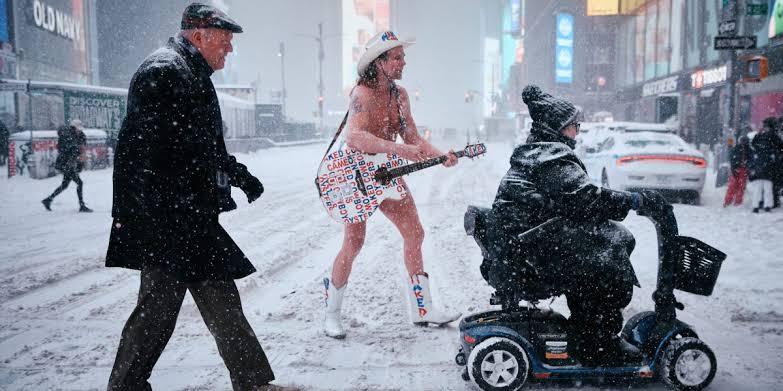
Climate change is no longer a distant environmental concern. It is becoming a visible part of everyday life, influencing temperatures, rainfall, agriculture, water availability and the safety of communities. Across different parts of the world, people are experiencing unusual weather conditions that are affecting homes, businesses, transportation systems and natural ecosystems.
The year 2026 has provided several important examples of these challenges. From extreme heat across Europe and dangerous flooding in Asia to wildfires in Indonesia and destructive weather events in other regions, the global climate situation continues to demand attention.
According to the World Meteorological Organization (WMO), 2026 is expected to be among the four warmest years ever recorded. Global average surface temperature from January to September was approximately 1.47°C above the pre-industrial average. These figures highlight the importance of understanding extreme weather and preparing for its growing consequences.
For people interested in improving their everyday digital productivity, you can also explore free online tools on AltFTool to discover useful utilities for everyday digital tasks and productivity.
Understanding the Connection Between Climate Change and Extreme Weather
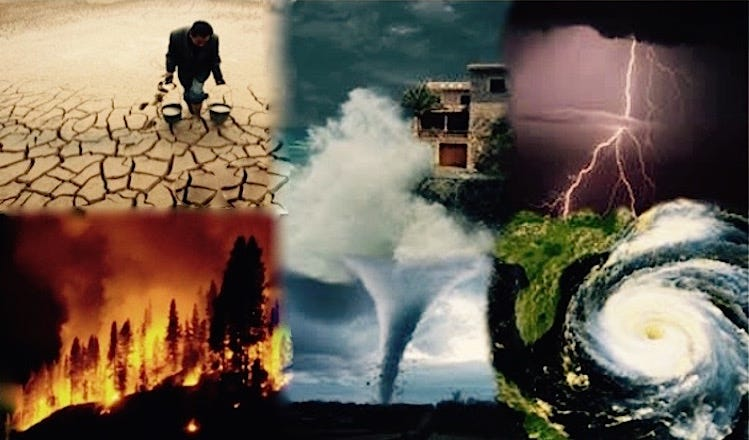
Climate change refers to long-term changes in Earth's temperature and weather patterns, largely driven by human activities such as burning fossil fuels, deforestation and industrial emissions.
These activities increase greenhouse gas concentrations in the atmosphere, trapping additional heat and changing the way energy moves through the climate system.
As the atmosphere and oceans become warmer, several weather-related changes can occur:
More intense heatwaves: Higher average temperatures increase the likelihood of extremely hot conditions.
Heavier rainfall: A warmer atmosphere can hold more moisture, increasing the potential for intense rainfall.
Greater drought pressure: Changing rainfall patterns and higher evaporation can worsen water shortages.
Wildfire conditions: Hotter and drier environments can make vegetation more vulnerable to fires.
Rising sea levels: Melting ice and expanding warmer seawater increase coastal flood risks.
However, not every individual storm, flood or heatwave is caused by climate change alone. Natural climate patterns, geography and local conditions also influence weather events. Scientific attribution studies help determine how much climate change has affected the likelihood or intensity of particular disasters.
Major Extreme Weather Events Around the World in 2026
Extreme weather has affected several continents during 2026. Although every region faces different environmental challenges, recent events demonstrate how interconnected the global climate system has become.
1. Extreme Heatwaves Across Europe
European countries experienced intense summer heat, drought conditions and widespread wildfire threats during 2026. Higher temperatures placed additional pressure on public health, agriculture, electricity systems and water resources.
Heatwaves are particularly dangerous for older adults, outdoor workers, children and people without access to reliable cooling facilities.
Prolonged heat can also dry vegetation, increasing the risk of wildfires. When temperatures remain unusually high for several days, the impact can extend beyond discomfort and become a serious public safety concern.
The situation highlights why cities need heat-action plans, accessible cooling centres, green spaces and stronger public warning systems.
2. Flooding and Heavy Rainfall in Asia
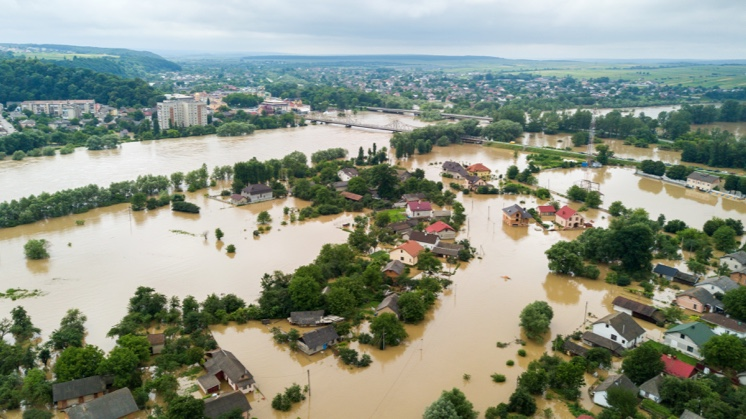
Parts of Asia experienced damaging rainfall, flooding and landslides in 2026. In India, intense July rainfall caused rapid-onset flooding in Assam, affecting agricultural land and livestock.
Central Vietnam also experienced exceptionally heavy rainfall in November, with more than 700 mm recorded at some locations during the reported event.
Flooding can destroy houses, damage roads, interrupt transportation and contaminate drinking water supplies. For farming communities, even a short period of intense rainfall can result in substantial agricultural losses.
These events underline the importance of improved drainage systems, flood forecasting, river monitoring and emergency evacuation planning.
3. Wildfires and Drought in Indonesia
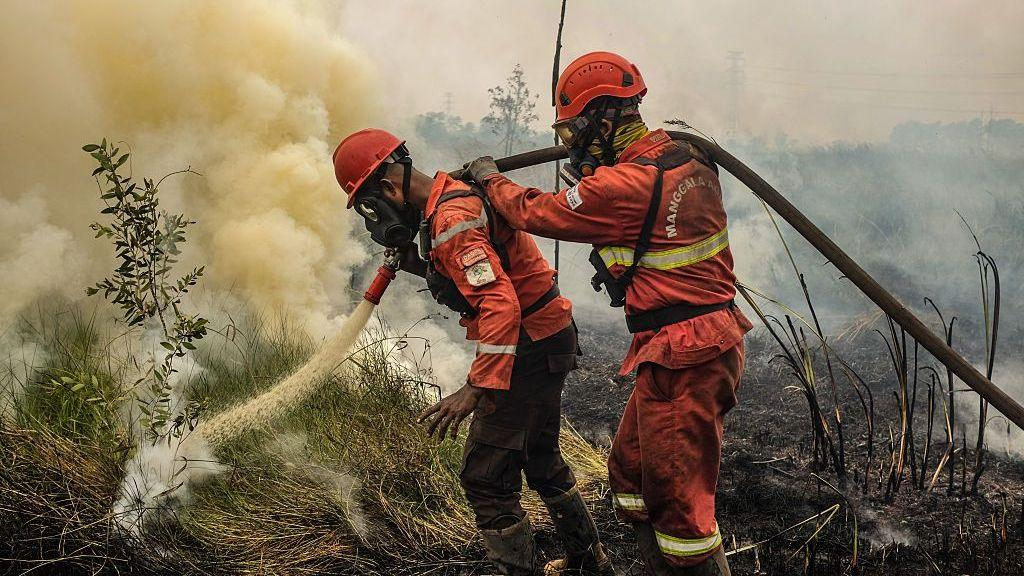
Indonesia faced serious fire-weather conditions between August and October 2026. Hot and dry conditions, a strong El Niño event and vulnerable peatland and forest ecosystems contributed to widespread fire activity.
Wildfires are particularly damaging in peatland regions because underground organic material can continue burning for extended periods.
Their consequences include:
Dangerous air pollution and respiratory risks.
Destruction of forests and wildlife habitats.
Increased carbon emissions.
Damage to nearby farms and communities.
Reduced visibility and transportation disruption.
Research published by World Weather Attribution in November 2026 examined how climate change is increasing the severity of El Niño-driven fire weather across Indonesia's rapidly degrading peatlands and forests.
4. Himalayan Floods and Landslides
One of the most serious environmental disasters reported in 2026 occurred along the Nepal–China Himalayan border on 26 August.
A major rock-and-ice avalanche developed into a destructive debris flood, causing widespread damage to settlements and infrastructure. Rapid warming in high-altitude environments increases concerns about unstable glaciers, melting ice and mountain hazards.
These disasters can trigger cascading consequences. A sudden ice or rock collapse may create powerful water flows, carrying mud, stones and debris into downstream communities.
The event demonstrates why mountain regions require stronger glacier monitoring, hazard mapping, early-warning systems and coordinated disaster preparedness.
5. Severe Storms and Flash Floods in the Americas
Several parts of North and South America experienced destructive storms and flooding during 2026. Heavy rainfall, powerful winds and tornado activity created difficulties for communities, particularly in areas with limited drainage infrastructure.
Southern Brazil experienced severe storms and tornadoes in November, while parts of the United States also reported significant flooding.
Flash floods are especially dangerous because water levels can rise rapidly, leaving residents with very little time to evacuate. Urban areas are particularly vulnerable when roads, drainage systems and rivers cannot manage intense rainfall.
These incidents show why disaster preparedness must include updated infrastructure, emergency communication systems and reliable weather forecasting.
Extreme Weather Events in 2026: A Global Overview
The following table highlights some important weather-related developments reported during 2026.
Region | Extreme Weather Event | Major Environmental Impact | Key Concern |
|---|---|---|---|
Europe | Heatwaves and drought | Dry vegetation and wildfire risks | Public health and water shortages |
India | Heavy rainfall and floods | Agricultural land and livestock affected | Monsoon preparedness |
Vietnam | Extreme rainfall | Flooding and landslide threats | Community safety |
Indonesia | Wildfires and drought | Forest damage and air pollution | Biodiversity and emissions |
Nepal Himalayas | Avalanche and debris floods | Infrastructure and settlement destruction | Mountain hazards |
Brazil | Severe storms and tornadoes | Property and infrastructure damage | Disaster preparedness |
United States | Flash floods and storms | Road closures and community disruption | Flood protection |
Why Are Extreme Weather Events Becoming More Concerning?
Extreme weather is influenced by several environmental and geographical factors. However, global warming is changing the conditions in which these events develop.
1. Rising Global Temperatures
As greenhouse gas emissions increase, the planet retains more heat. This affects land, oceans and atmospheric conditions.
The WMO's November 2026 climate update reported that the past 12 years, from 2015 to 2026, are expected to be the warmest 12-year period on record.
Higher temperatures can increase heat stress, affect crop production and change the intensity of certain weather events.
2. Changing Ocean Temperatures
Oceans absorb most of the excess heat trapped by greenhouse gases. Warmer ocean water can influence atmospheric moisture, rainfall patterns and tropical cyclone development.
Ocean warming also affects marine ecosystems, coral reefs and fisheries.
According to WMO, global ocean heat content remained at record levels in 2026, creating additional pressure on marine environments.
3. El Niño and Changing Weather Patterns
El Niño is a natural climate phenomenon involving unusually warm sea surface temperatures in the central and eastern tropical Pacific Ocean.
It can influence rainfall and temperature patterns across different regions.
In September 2026, WMO warned that El Niño was expected to strengthen significantly, increasing the risks of extreme heat, drought and heavy rainfall into 2027.
El Niño is a natural phenomenon, not a result of climate change. However, its impacts can become more concerning when it develops against an already warmer global climate.
4. Deforestation and Environmental Damage
Forests regulate local temperatures, support rainfall cycles, absorb carbon dioxide and provide habitats for wildlife.
When forests are cleared, the environment becomes more vulnerable to soil erosion, biodiversity loss and certain climate-related risks.
Protecting natural ecosystems is therefore an important part of reducing environmental vulnerability.
How Extreme Weather Affects Everyday Life
Extreme weather does not only damage the natural environment. Its consequences reach households, workplaces, businesses and entire economies.
Area | Effect of Extreme Weather | Long-Term Consequence | Possible Solution |
|---|---|---|---|
Agriculture | Crop damage and livestock losses | Food insecurity | Climate-resilient farming |
Healthcare | Heat stress and disease risks | Increased healthcare pressure | Public health preparedness |
Infrastructure | Roads, bridges and buildings damaged | Expensive reconstruction | Climate-resilient construction |
Economy | Business interruptions | Financial losses | Disaster recovery planning |
Education | Schools closed during disasters | Learning disruption | Emergency education plans |
Environment | Habitat destruction | Biodiversity decline | Ecosystem restoration |
Impact on Agriculture and Food Security
Farmers depend on predictable weather conditions for planting, irrigation and harvesting. However, prolonged droughts, floods and extreme heat can disrupt agricultural production.
Crop failures can reduce food availability and increase prices. Livestock may also suffer from heat stress, water shortages and damaged grazing areas.
Climate-smart agriculture, efficient irrigation and improved weather information can help farmers prepare for changing conditions.
Impact on Human Health
Extreme heat can cause dehydration, heat exhaustion and heatstroke. Floods may contaminate drinking water and increase the risk of waterborne diseases.
Wildfire smoke can also worsen air quality and create respiratory problems.
Public health departments need effective warning systems, accessible medical facilities and community awareness programmes to reduce these risks.
Impact on Businesses and Infrastructure
Businesses can experience supply-chain disruptions, electricity shortages and transportation delays during extreme weather events.
Small businesses are particularly vulnerable because they may have limited financial resources to recover from unexpected damage.
Investing in resilient buildings, backup power and emergency business-continuity plans can reduce these challenges.
What Can Governments Do to Reduce Climate Risks?
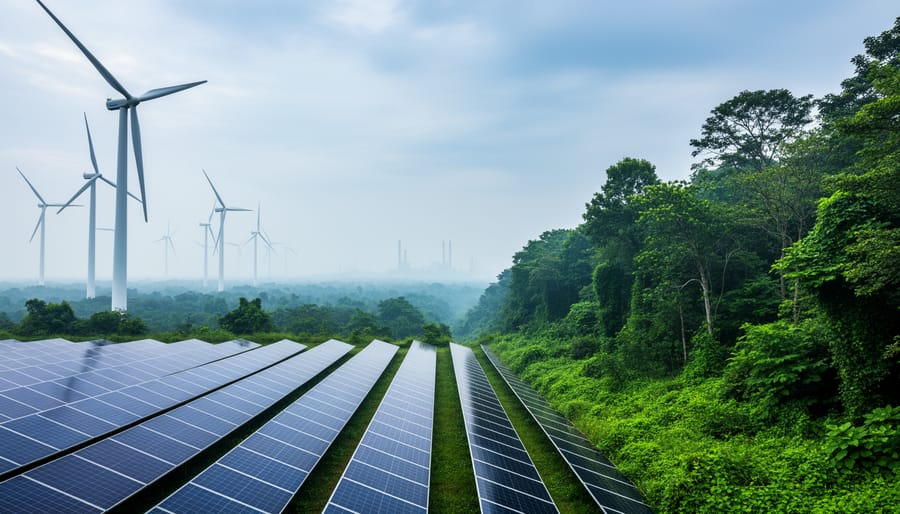
Governments play an important role in preparing communities for extreme weather and reducing long-term environmental damage.
Some important measures include:
1. Strengthen Early-Warning Systems
Governments should provide accurate weather forecasts, emergency alerts and evacuation information so people can respond before disasters become dangerous.
2. Invest in Climate-Resilient Infrastructure
Roads, bridges, drainage systems, hospitals and public buildings should be designed to withstand changing weather conditions.
3. Increase Renewable Energy Adoption
Expanding solar, wind and other low-carbon energy sources can reduce dependence on fossil fuels and help lower greenhouse gas emissions.
4. Protect Forests and Natural Ecosystems
Forest conservation, wetland restoration and sustainable land management can improve environmental resilience.
5. Improve International Cooperation
Climate risks cross national borders. Governments, researchers and environmental organizations should share scientific information, technology and disaster-management resources.
How Individuals Can Help Build a Climate-Resilient Future
Although large-scale climate action requires government and industry participation, individual choices also contribute to environmental protection.
Here are some practical steps people can follow:
Reduce unnecessary electricity consumption.
Use public transportation, cycling or walking when practical.
Avoid wasting water and food.
Plant and protect native trees.
Reduce single-use plastic consumption.
Support sustainable products and businesses.
Follow official weather alerts during emergencies.
Participate in local environmental awareness programmes.
Small actions cannot solve climate change independently, but collective participation can support broader environmental improvements.
For people interested in improving their everyday digital productivity, you can also explore free online tools on AltFTool to discover useful utilities for everyday digital tasks and productivity.
What Does the Future of Extreme Weather Look Like?
Climate scientists expect climate-related risks to remain a major global concern. The exact effects will vary depending on geography, emissions levels, natural climate patterns and how effectively countries prepare.
The developing El Niño conditions in late 2026 are particularly important. WMO has warned that the phenomenon could contribute to increased temperature and changing rainfall patterns into early 2027.
This means communities may face additional pressure from heatwaves, droughts, floods and other weather-related hazards.
However, the future is not determined by climate risks alone. Strong environmental policies, cleaner energy, scientific research and better disaster preparedness can reduce vulnerability.
Countries that invest in climate adaptation today will be better positioned to protect their populations and economies in the coming years.
Important Lessons the World Can Learn From 2026

The extreme weather events of 2026 highlight several important lessons:
Climate preparedness is essential: Communities need effective plans before disasters occur.
Early warnings save lives: Reliable forecasting and emergency communication can reduce casualties.
Environmental protection matters: Forests, wetlands and oceans play important roles in maintaining ecological balance.
Climate change affects everyone: Its consequences extend beyond environmental damage to food, healthcare, education and economic stability.
Global cooperation is necessary: Countries must work together to reduce emissions and improve climate resilience.
The most important lesson is that climate action should not be delayed until another disaster occurs. Prevention, adaptation and environmental responsibility must become long-term priorities.
Frequently Asked Questions (FAQs)
Extreme weather refers to unusually severe weather conditions, including heatwaves, floods, droughts, hurricanes, storms and heavy snowfall that can cause significant damage.
Climate change increases global temperatures and changes atmospheric and oceanic conditions. This can influence the frequency or intensity of certain extreme weather events.
Europe, Asia, Africa and the Americas experienced different climate-related challenges, including heatwaves, floods, wildfires, droughts and severe storms.
El Niño changes ocean temperatures in the tropical Pacific, influencing global rainfall and temperature patterns. It can increase the risk of heat, drought and heavy rainfall in different regions.
Sources and notes
Links the author listed for this post.
This article is based on climate updates, scientific reports and environmental research published by the World Meteorological Organization (WMO), World Weather Attribution (WWA) and other credible climate-monitoring organizations.
More on AltFTool
- AltFTool (opens in a new tab)
altftool.com


Discussion
0 comments