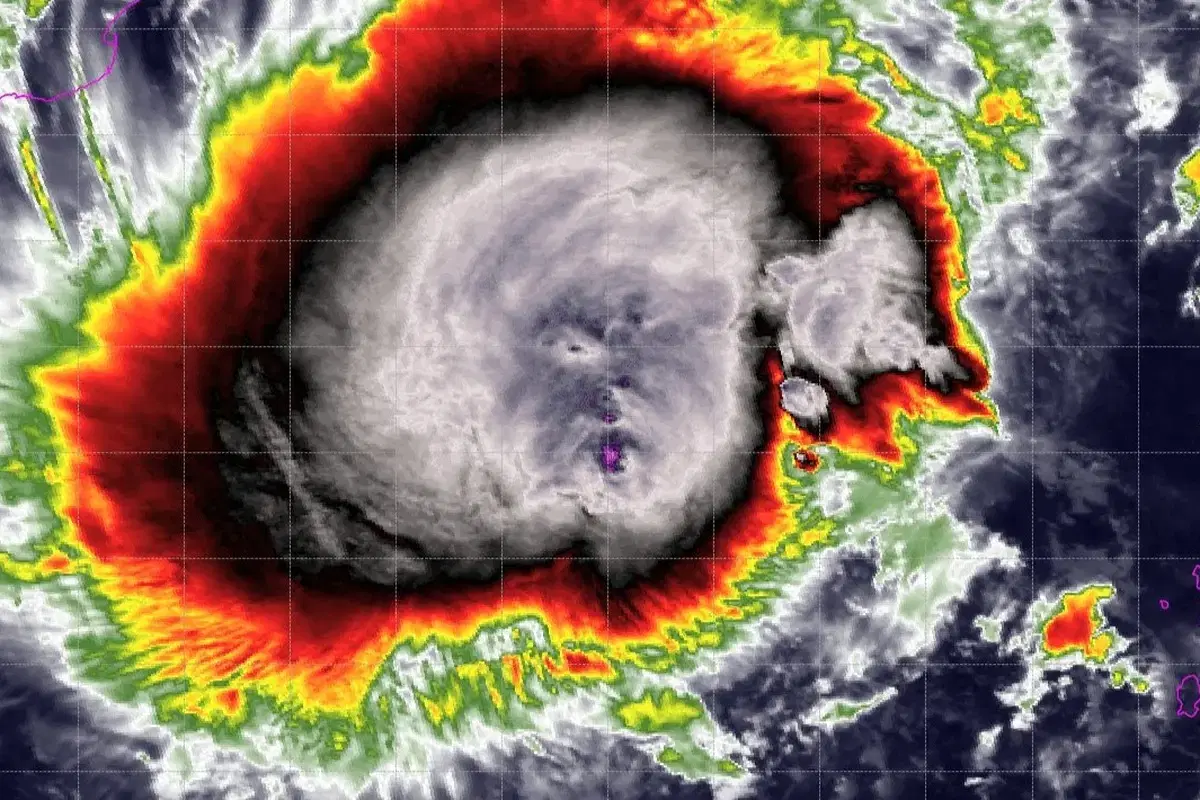
Weather conditions over the Bay of Bengal have become a major concern as Cyclone Akvan continues to strengthen. The developing cyclone has prompted heightened preparedness across Odisha and neighbouring coastal regions, with authorities taking precautionary measures to protect residents from possible flooding, landslides and strong winds.
The Odisha government is particularly focusing on vulnerable southern districts, where heavy rainfall could create challenging conditions for people living in low-lying areas and hilly settlements.
According to the India Meteorological Department (IMD), Cyclone Akvan is moving slowly north-northwestwards. The system is expected to approach the Andhra Pradesh coast, bringing significant weather changes to parts of eastern and southern India.
With disaster management teams on alert, the coming days will be important for coastal communities.
What Is the Latest Update on Cyclone Akvan?
Cyclone Akvan has intensified into a severe cyclonic storm over the central parts of the south and adjoining west-central Bay of Bengal.
According to the IMD advisory issued on November 18, the storm was located approximately:
580 km east of Chennai.
610 km southeast of Machilipatnam.
610 km south-southeast of Visakhapatnam.
730 km south of Gopalpur in Odisha.
The cyclone has been moving relatively slowly, giving weather authorities time to monitor its direction and intensity.
The latest IMD advisory indicates that the system is likely to cross the Andhra Pradesh and Yanam coasts between Nellore and Visakhapatnam around November 20.
The forecast landfall intensity in the November 18 RSMC advisory is 100–110 kmph, with gusts reaching 120 kmph. Earlier forecasts had indicated stronger winds, highlighting why residents should continue monitoring updated bulletins.
Why Is Odisha on High Alert?
Odisha on High Alert as Cyclone Akvan Approaches
Although Cyclone Akvan is expected to make landfall along the Andhra Pradesh coast, Odisha is also preparing for its possible impact.
The state's southern districts could experience heavy rainfall, strong winds and localised flooding. Hilly settlements may also face landslide risks because of continuous rainfall.
The Odisha government has instructed district administrations to strengthen emergency arrangements and identify vulnerable locations.
According to Akashvani News, the Special Relief Commissioner has directed collectors of six vulnerable districts to coordinate preparedness activities.
Six Vulnerable Districts in Odisha
Officials have been asked to identify landslide-prone villages, vulnerable roads and settlements that may require evacuation.
The main priority is to protect residents before severe weather conditions develop. People in vulnerable areas should follow official warnings and evacuation instructions.
Odisha Cyclone Preparedness: Major Safety Measures
The state government has stepped up its disaster response arrangements to minimise potential damage.
According to the reported preparations, 74 rescue teams, including personnel from the Odisha Disaster Rapid Action Force (ODRAF) and the National Disaster Response Force (NDRF), have been deployed.
Authorities have also identified more than two lakh people who may need evacuation if conditions become dangerous.
Here are some important preparedness measures:
Preparedness measure | Details |
Rescue operations | 74 ODRAF and NDRF teams deployed |
Potential evacuation | More than two lakh people identified |
Vulnerable districts | Six southern districts receiving special attention |
Landslide monitoring | Identification of vulnerable villages and roads |
Emergency shelters | Arrangements for residents requiring relocation |
District coordination | Collectors instructed to strengthen preparedness |
These measures are designed to help local administrations respond quickly if the cyclone causes flooding, landslides or other emergencies.
Cyclone Akvan Weather Forecast: Important Dates
The cyclone's movement and expected impact are important for residents of Odisha, Andhra Pradesh and neighbouring coastal areas.
The following table summarises the major forecast developments.
Date | Expected weather development |
November 18 | Severe cyclonic storm over the Bay of Bengal; rainfall expected in parts of Odisha and neighbouring states |
November 19 | Cyclone expected to intensify further; heavy rainfall and strong winds possible |
November 20 | Expected landfall along the Andhra Pradesh and Yanam coast |
November 21 | Rainfall and weather impacts may continue in affected regions |
The exact timing, intensity and rainfall distribution may change with updated IMD forecasts.
Which Areas Could Experience Heavy Rainfall?
Cyclone Akvan: State-Wise Weather Impact
Areas likely to experience heavy rainfall, strong winds and rough sea conditions.
1. Odisha
Southern Odisha is receiving particular attention from disaster management authorities.
Districts monitored: Ganjam, Gajapati, Rayagada, Koraput, Malkangiri and Kandhamal.
Puri, Ganjam and Gajapati have also been highlighted in rainfall warnings for November 19.
Heavy rainfall, flooding and landslides. Residents in low-lying and hilly areas should remain alert.
2. Andhra Pradesh
Andhra Pradesh is expected to face the most direct impact as the cyclone is forecast to cross its coastline.
Districts to watch: Kakinada, Konaseema, East Godavari, West Godavari, Krishna, NTR and Guntur.
Heavy to very heavy rainfall and strong winds could disrupt normal activities.
Coastal weather disruption, strong winds and heavy rainfall. Follow evacuation instructions.
3. Tamil Nadu & Puducherry
Northern Tamil Nadu, Puducherry and Karaikal may also experience heavy rainfall.
Rough sea conditions are another concern, particularly for fishermen and people involved in coastal activities.
Residents should remain alert to local weather warnings and avoid visiting beaches during dangerous sea conditions.
Heavy rainfall and rough seas. Fishermen should follow official marine warnings.
Residents across affected coastal regions should monitor official IMD updates, avoid unnecessary travel during severe weather and follow instructions issued by local authorities.
How Could Cyclone Akvan Affect Daily Life?
Cyclones can affect more than just weather conditions. Strong winds and heavy rainfall can disrupt transportation, electricity, communication and everyday activities.
Here are some possible impacts of Cyclone Akvan:
Transportation Disruptions
Heavy rain and waterlogging may affect roads, highways and local transport services. Strong winds can also make travel dangerous, particularly in exposed coastal areas.
Passengers should check official travel updates before beginning their journeys.
Electricity and Communication
Strong winds and falling trees may damage power lines and communication infrastructure.
Residents should keep mobile phones charged and maintain alternative lighting arrangements.
Flooding and Landslides
Continuous rainfall can increase water levels in rivers and drainage systems. Hilly areas may experience landslides or road blockages.
People living in vulnerable locations should follow evacuation instructions immediately.
Fishing and Coastal Activities
Rough sea conditions can make fishing extremely dangerous.
The IMD has advised fishermen to avoid venturing into affected parts of the Bay of Bengal during the warning period.
Important Safety Tips for Residents
Cyclone preparedness starts before the storm reaches the coastline. Taking simple precautions can help families remain safer during extreme weather.
Here are some important safety measures:
Follow official alerts: Check IMD forecasts and district administration announcements regularly.
Prepare an emergency kit: Keep drinking water, dry food, medicines, flashlights and essential documents ready.
Charge electronic devices: Keep mobile phones and power banks fully charged.
Avoid coastal areas: Stay away from beaches, fishing harbours and rough sea conditions.
Protect important documents: Store identity documents and valuable papers in waterproof bags.
Stay away from electric wires: Never touch fallen power lines or damaged electrical equipment.
Follow evacuation instructions: Move to designated cyclone shelters whenever authorities advise relocation.
Avoid flooded roads: Do not attempt to walk or drive through fast-moving floodwater.
Important: Do not depend on unverified social media messages for cyclone information. Follow official government announcements and weather bulletins.
What Should Fishermen and Coastal Residents Know?
Fishermen are among the groups most exposed to cyclone-related risks.
Rough seas, powerful winds and sudden changes in weather can make returning to shore difficult. Authorities have therefore urged fishermen to stay away from affected sea areas during the warning period.
Coastal residents should also take precautions by securing loose outdoor objects, checking their homes and keeping emergency supplies ready.
People living in temporary houses or flood-prone settlements should remain prepared for possible relocation.
Why Is the Bay of Bengal Vulnerable to Cyclones?
The Bay of Bengal is known for tropical cyclone activity, particularly during the pre-monsoon and post-monsoon seasons.
Warm sea surface temperatures, favourable atmospheric conditions and moisture availability can support the development and intensification of tropical storms.
When a low-pressure system develops over warm ocean waters, it can gradually strengthen into a depression, cyclonic storm or more intense weather system.
Cyclone Akvan is another reminder of the importance of early warnings, effective disaster management and community preparedness in coastal regions.
What Happens Next?
Cyclone Akvan: What Happens Next?
Latest Weather Monitoring
The next few days will be important as Cyclone Akvan continues moving towards the Andhra Pradesh coast.
The IMD will monitor the storm's intensity, movement, rainfall distribution and expected landfall conditions.
Odisha Emergency Preparedness
Odisha's disaster management authorities are strengthening evacuation arrangements and preparing rescue teams for possible emergencies.
Residents should avoid unnecessary travel during severe weather and cooperate with local officials.
⚠️ Important Weather Advisory
The situation may change as fresh weather observations become available. Checking the latest IMD bulletins and following official government announcements is essential.
Conclusion: Stay Alert and Stay Safe
Cyclone Akvan has become a significant weather concern for Odisha, Andhra Pradesh and neighbouring coastal regions. Although the expected landfall is along the Andhra Pradesh coast, southern Odisha could experience heavy rainfall, strong winds and localised flooding.
The Odisha government's deployment of rescue teams, identification of vulnerable populations and preparations for possible evacuations are important steps towards reducing cyclone-related risks.
For residents, staying informed and following official safety instructions should remain the top priorities.
Preparedness Can Save Lives!
Stay alert, stay informed and follow official cyclone warnings.
FAQ'S
As of November 18, 2026, Cyclone Akvan has intensified into a severe cyclonic storm over the Bay of Bengal.
The IMD forecasts landfall around November 20 along the Andhra Pradesh and Yanam coast between Nellore and Visakhapatnam.
Yes. Southern Odisha is likely to experience heavy rainfall and strong winds, although the expected landfall is in Andhra Pradesh.
Ganjam, Gajapati, Rayagada, Kandhamal, Malkangiri and Koraput are among the six vulnerable districts receiving special attention.
According to the reported government preparedness measures, 74 rescue teams, including ODRAF and NDRF personnel, have been deployed.
Sources and notes
Links the author listed for this post.
- Primary source: Akashvani News – Odisha Steps Up Cyclone Preparedness as Cyclone Akvan Approaches Bay of Bengal. - Official weather information: India Meteorological Department – Tropical Cyclone Advisory, November 18, 2026. - Additional update: The Times of India – Akvan Nears, Government Steps Up Evacuation and Deploys Rescue Teams. Editorial note: Weather forecasts and cyclone intensity estimates are subject to change. Verify the latest official IMD advisory before publishing or updating this report.
More on AltFTool
- altftool.com (opens in a new tab)
altftool.com
Discussion
0 comments
No comments yet
Discussion will appear here once it loads.