
Imagine receiving a phone call from someone you love. Their voice sounds familiar, their words seem genuine, and they are asking for urgent help. They claim to have been involved in an accident, stranded somewhere, or facing an emergency that requires immediate financial assistance.
You would probably want to help without wasting a second.
But what if the voice on the other end of the call is not actually your loved one?
Artificial intelligence has made it possible to create convincing voice replicas using recordings of a person's speech. Scammers can use this technology to impersonate relatives, friends, business executives, or other trusted individuals and manipulate victims into sending money or sharing sensitive information.
The danger is not simply that AI can imitate voices. It is that criminals can combine this technology with emotional pressure, personal information, and familiar communication methods to make fraudulent requests appear legitimate.
Digital safety also involves using online resources carefully and understanding how technology affects everyday activities. You can explore free online tools on AltFTool to discover useful utilities for productivity, writing, content creation, and other digital tasks.
What Is an AI Voice-Cloning Scam?
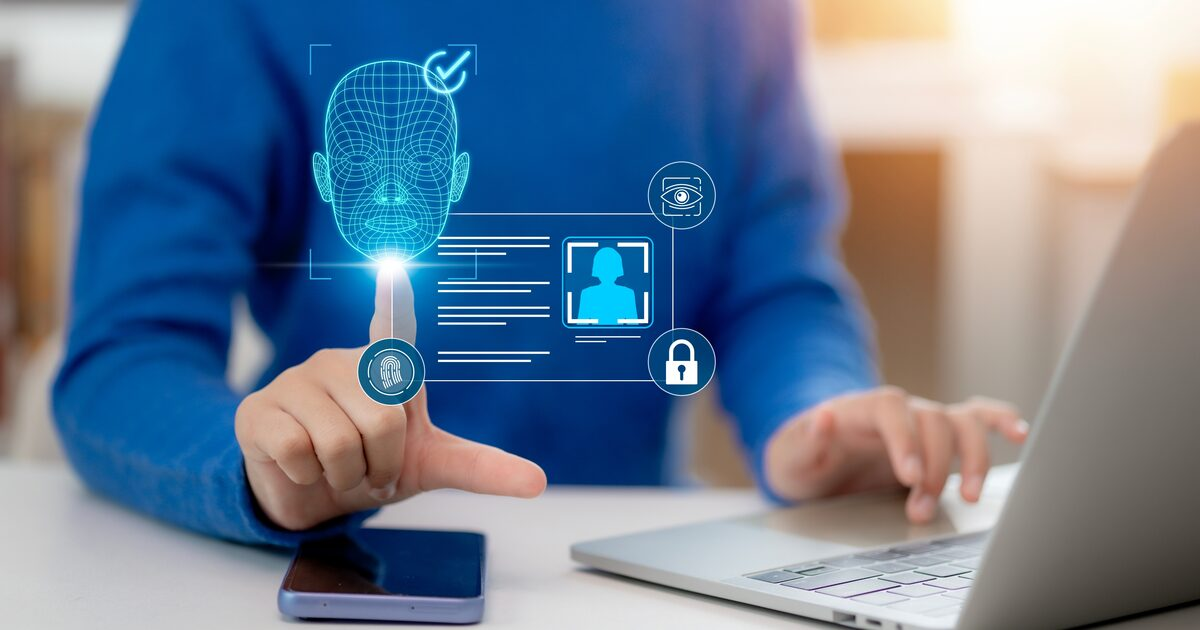
An AI voice-cloning scam is a type of fraud in which criminals use artificial intelligence to imitate someone's voice and deceive another person.
Voice-cloning systems can analyse speech recordings and generate new audio that resembles the original speaker. Depending on the technology and quality of the source recording, the result may reproduce characteristics such as tone, accent, rhythm, and speaking style.
The Federal Trade Commission (FTC) has warned that scammers may use short audio clips found online to create a convincing imitation of a family member's voice.
Consumer Advice
This means a person does not necessarily need to share extensive recordings publicly for their voice to become a target.
The technology itself has legitimate applications, including accessibility, entertainment, voice assistants, and content production. The problem arises when it is used without consent to impersonate someone and commit fraud.
How AI Voice-Cloning Scams Work
Voice-cloning scams often follow a carefully planned process. The criminal may use information collected from social media, public videos, leaked data, or previous interactions to make the impersonation more believable.
Step 1: Collecting a Voice Sample
Scammers may search for publicly available recordings of their target. These could include social media videos, interviews, public speeches, voice messages, or other online audio.
The recording provides material that voice-generation software can use to imitate the person's speech.
Step 2: Creating a Synthetic Voice
The criminal uses an AI voice-cloning tool to generate audio resembling the target.
The generated voice may be used to make a phone call, create a voice message, or support a larger impersonation scheme.
Step 3: Building a Convincing Story
The scammer creates a situation designed to trigger an emotional response.
Common examples include:
A family member claiming to have been in an accident
A relative saying they have been arrested
A friend requesting urgent travel money
A manager asking for an emergency payment
A supposed official demanding immediate action
Step 4: Creating Urgency
The caller may insist that the victim must act immediately and cannot contact anyone else.
This pressure is intentional. It reduces the time available to verify the story and encourages decisions based on fear rather than careful thinking.
Step 5: Requesting Money or Sensitive Information
The scammer may ask for a bank transfer, cryptocurrency, gift cards, account credentials, or a one-time password.
Once the victim complies, recovering the money or preventing further misuse can become difficult.
Common Types of AI Voice-Cloning Scams
Scam Type | How It Works | Warning Sign | Possible Risk |
|---|---|---|---|
Family emergency scam | A cloned relative claims to need urgent help | Sudden emergency and secrecy | Financial loss |
CEO fraud | Fake executive requests an urgent payment | Bypassing normal approval | Business fraud |
Bank impersonation | Fake representative asks for account details | Requests for OTP or PIN | Account compromise |
Friend impersonation | A familiar voice asks for money | Unexpected financial request | Personal fraud |
Public figure scam | Fake celebrity or official promotes an offer | Unverified investment or giveaway | Financial or data theft |
These scams exploit trust rather than technical knowledge. A person may understand cybersecurity risks and still be vulnerable when a convincing voice creates an emotional emergency.
Why AI Voice-Cloning Scams Are Becoming More Dangerous

Familiar Voices Create Instant Trust
People naturally recognise and trust the voices of family members and friends. A convincing voice imitation can make a fraudulent call feel more authentic than a message from an unfamiliar number.
However, a familiar voice is no longer sufficient proof of identity.
Social Media Provides Useful Information
Public profiles can reveal relationships, travel plans, workplaces, family members, and personal interests.
Scammers may use these details to create realistic stories. For example, if someone recently posted about travelling, a criminal could pretend to be that person and claim to have lost their wallet during the trip.
AI Makes Impersonation Easier to Scale
Traditional impersonation often required a criminal to imitate someone's voice manually. AI tools can automate parts of the process and generate speech that sounds more natural.
This does not mean every cloned voice is perfect. Audio quality, pronunciation, and context may still reveal inconsistencies. However, people should not rely on detecting these flaws as their primary defence.
Emotional Pressure Weakens Decision-Making
Scammers often use fear, urgency, and secrecy to prevent victims from thinking clearly.
A caller might say, "Please don't tell anyone," or "I need the money right now." These statements are designed to isolate the victim from the people who could help verify the situation.
The safest response is to pause and confirm the request independently.
How to Identify a Possible AI Voice-Cloning Scam
It can be difficult to distinguish a cloned voice from a real person, especially during a stressful phone call. Instead of trying to identify AI-generated audio by listening alone, focus on the caller's behaviour and the request being made.
Important Warning Signs
Warning Sign | What the Caller May Say | Why It Is Suspicious | What You Should Do |
|---|---|---|---|
Unexpected emergency | "I have been in an accident." | Creates immediate fear | Contact the person independently |
Urgent payment | "Send money right now." | Prevents careful verification | Pause and verify |
Secrecy | "Don't tell anyone." | Isolates the victim | Contact another trusted person |
Unusual payment method | "Buy gift cards or send crypto." | Makes recovery difficult | Refuse and verify |
Request for OTP | "Tell me the code you received." | May enable account access | Never share the code |
Resistance to callback | "Don't disconnect the call." | Prevents identity checking | Hang up and call a known number |
A caller's number, profile picture, or familiar voice can also be manipulated or misleading. The safest approach is to verify identity through a separate, trusted communication channel.
7 Practical Ways to Protect Yourself from AI Voice-Cloning Scams
1. Always Call Back Using a Saved Number
If someone calls claiming to be a family member in trouble, end the call and contact them using the number already saved in your phone.
Do not use a number provided by the suspicious caller.
If the person does not answer, contact another family member or trusted friend who can help confirm the situation.
2. Create a Family Safe Word
Choose a private word or phrase that only trusted family members know.
For example, a family could agree on a simple phrase such as "blue mango" to verify emergency calls.
The phrase should never be shared publicly or included in social media posts.
A safe word is not a complete security solution, but it can provide an additional verification step when someone claims to be a relative.
3. Never Send Money Based on a Voice Alone
Even if the caller sounds exactly like someone you know, do not immediately transfer money.
Verify the request through a separate call, message, or trusted person.
For business payments, follow the company's established approval process rather than accepting new payment instructions over a call.
4. Protect Your Personal Audio and Information
Be thoughtful about what you share publicly.
You do not need to stop posting videos or using voice messages, but avoid publishing unnecessary personal information that could help someone construct a convincing impersonation.
Review your social media privacy settings and limit access to personal details where possible.
5. Use Multi-Factor Authentication Carefully
Multi-factor authentication adds protection to online accounts, but scammers may still attempt to trick users into sharing verification codes.
Never share an OTP, password, recovery code, or authentication approval with someone who contacts you unexpectedly.
A legitimate support representative should not need you to reveal your password or one-time code.
6. Establish Payment Verification Rules
Families and businesses can create simple rules for financial requests.
For example:
Confirm large payments through a second communication channel.
Verify new bank account details independently.
Require approval from another authorised person.
Do not bypass normal procedures because a caller sounds familiar.
These steps can reduce the risk of fraud even when the caller's voice is convincing.
7. Stay Updated on AI Fraud Techniques
Cybersecurity threats continue to evolve as AI tools become more capable.
Follow reliable cybersecurity sources and learn about new impersonation techniques. Awareness helps people recognise suspicious behaviour before they make a costly decision.
What Should You Do If You Receive a Suspicious AI Voice Call?
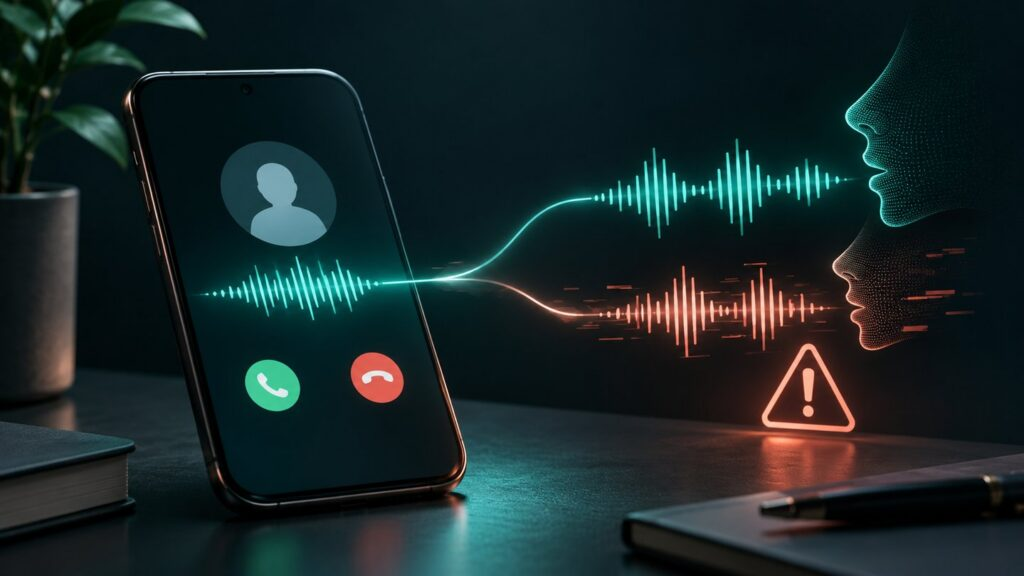
If you suspect that a caller is using a cloned voice, take the following steps:
Stay calm and avoid making immediate decisions.
Do not share personal information, passwords, OTPs, or financial details.
End the call and contact the person through a known number.
Check the story with another trusted person.
Save relevant call details, messages, and payment information if safe to do so.
Block and report the suspicious number or account.
If money has already been transferred, contact your bank or payment provider immediately. Ask them to stop, freeze, or trace the transaction where possible.
How to Report AI Voice-Cloning Scams in India
If you become a victim of an AI voice-cloning scam in India, report it as soon as possible.
The Government of India's National Cyber Crime Reporting Portal allows citizens to report cybercrime, including financial fraud and misuse of digital content.
Reporting Option | Contact | When to Use It | Important Action |
|---|---|---|---|
Cyber fraud helpline | 1930 | Financial cyber fraud | Report quickly |
Online cybercrime portal | Cybercrime complaints | Submit relevant details | |
Bank or payment provider | Official customer support | Money transferred | Request immediate assistance |
Local police | Nearest police station | Fraud or criminal impersonation | Provide evidence |
The Ministry of Home Affairs and Indian cybercrime authorities provide the 1930 helpline and the National Cyber Crime Reporting Portal for reporting cybercrime.
Keep transaction IDs, screenshots, phone numbers, and relevant messages available when reporting the incident.
The Future of AI Voice Cloning: Innovation or Cybersecurity Risk?
AI voice technology is not inherently harmful. It can help people with speech disabilities, support language translation, improve accessibility, and create more natural digital experiences.
The challenge is ensuring that these benefits are not used to deceive people.
As AI-generated audio becomes more realistic, cybersecurity may increasingly depend on identity verification rather than simply recognising a person's voice.
Technology companies, financial institutions, businesses, and individuals all have a role to play in reducing misuse.
For users, the most important lesson is simple: trust should be verified, especially when money or sensitive information is involved.
Explore Useful Digital Tools on AltFTool

Digital safety also involves using online resources carefully and understanding how technology affects everyday activities. You can explore free online tools on AltFTool to discover useful utilities for productivity, writing, content creation, and other digital tasks.
FAQs
It is a fraud in which criminals use AI-generated audio to imitate someone's voice and trick people into sending money or sharing sensitive information.
Some voice-cloning systems can create convincing imitations from relatively short audio samples, depending on the technology and recording quality.
Listen for unusual audio or speech patterns, but do not rely on sound alone. Verify the caller through a known phone number or another trusted channel.
Yes. Public videos or recordings may provide voice samples that scammers can misuse.
Sources and notes
Links the author listed for this post.
This article is based on cybersecurity awareness guidance and official information from the following sources
More on AltFTool
- AltFTool (opens in a new tab)
altftool.com


Discussion
0 comments