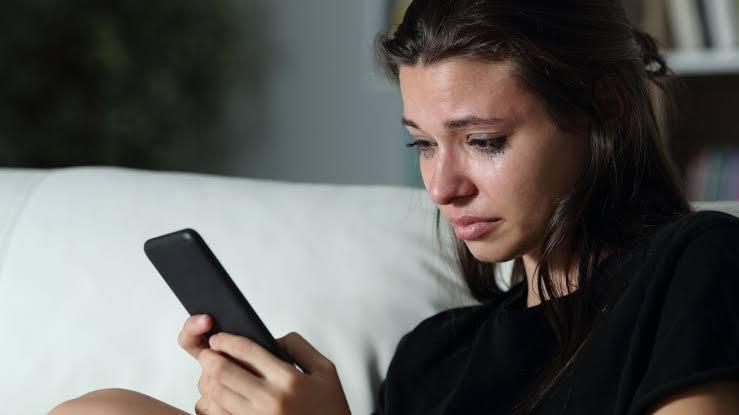
Imagine a woman walking home after work. She may face unwanted comments, intimidation or harassment on the street. Later, when she reaches home and opens her phone, the same fear may follow her through threatening messages, unwanted images, online stalking or abusive comments.
This is the reality of gender-based violence today. It does not always end when someone leaves a public place. With the growing use of digital technology, harassment can continue across social media, messaging platforms and online communities.
The 16 Days of Activism Against Gender-Based Violence 2026 reminds the world that every woman and girl deserves to live without fear, whether she is walking through a neighbourhood, attending school, working in an office or participating in the digital world.
You can also explore free online tools on AltFTool to discover useful utilities for everyday digital tasks and productivity.
What Are the 16 Days of Activism?
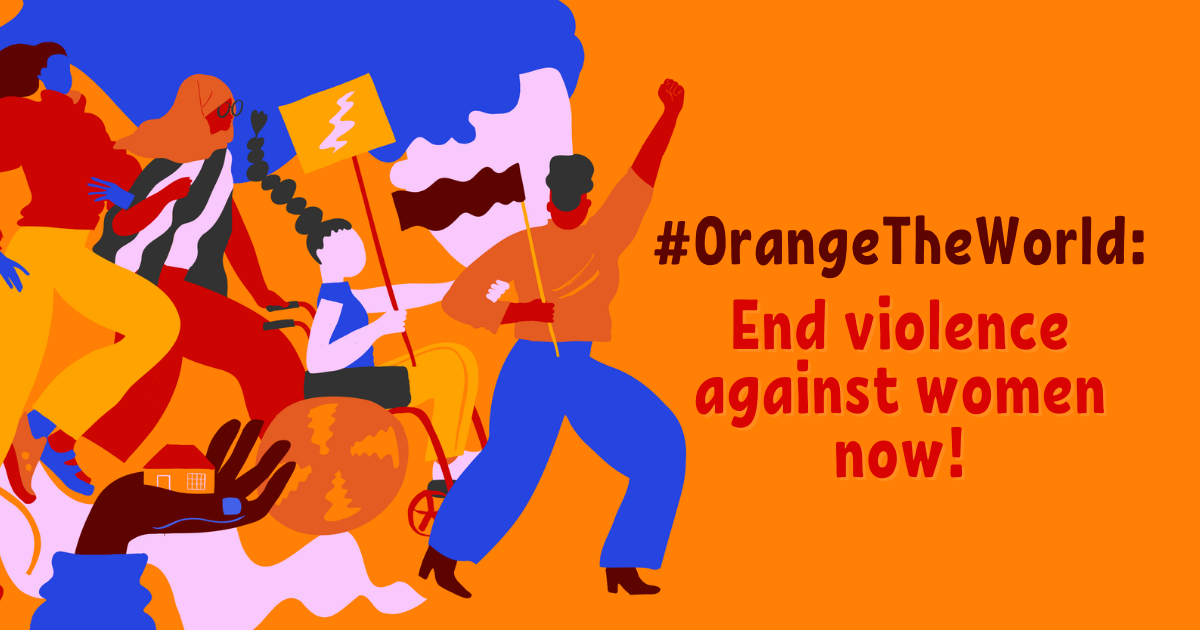
The 16 Days of Activism is a global campaign that brings together individuals, communities, governments, organisations and human rights advocates to raise awareness and encourage action against gender-based violence.
It begins on 25 November and ends on 10 December every year. The campaign highlights the connection between violence against women and the broader protection of human rights.
The campaign encourages people to move beyond simply discussing violence and work toward preventing it. This includes supporting survivors, challenging harmful attitudes, strengthening laws and creating safer environments.
The colour orange is associated with the campaign because it represents hope and a brighter future free from violence against women and girls.
Why Gender-Based Violence Remains a Serious Concern
Gender-based violence refers to harmful acts directed at a person because of their gender or acts that disproportionately affect people of a particular gender. Women and girls experience many forms of violence, including physical, sexual, emotional and psychological abuse.
According to the World Health Organization, approximately one in three women worldwide has experienced physical and/or sexual violence during her lifetime, most often from an intimate partner.
This figure demonstrates that violence against women is not an isolated issue. It affects families, communities, workplaces and societies across the world.
Type of violence | What it may involve | Where it can happen | Why it matters |
|---|---|---|---|
Physical violence | Hitting, pushing or assault | Home, street or workplace | Causes injury and fear |
Sexual violence | Unwanted sexual contact or coercion | Public or private spaces | Violates consent and dignity |
Emotional abuse | Threats, humiliation or manipulation | Relationships or family settings | Can affect confidence and wellbeing |
Digital abuse | Cyberstalking, threats or image misuse | Social media and messaging apps | Extends harassment into online life |
Recognising these different forms of violence is essential because abuse is not always visible. A person may be experiencing serious harm even when there are no physical injuries.
From Street Harassment to Digital Abuse
Street harassment is one of the most familiar forms of gender-based harassment. It may include unwanted comments, staring, following, sexual remarks or intimidating behaviour in public spaces.
However, digital technology has created additional ways for harassment to occur.
A person may receive repeated unwanted messages, have private photographs shared without consent or face threats through anonymous accounts. Someone may also misuse personal information to track, intimidate or embarrass another person.
Digital abuse can affect a person's sense of safety even when they are physically at home.
Common Forms of Digital Abuse
Digital abuse | Example | Possible impact | Helpful response |
|---|---|---|---|
Cyberstalking | Repeated unwanted messages or tracking | Fear and anxiety | Block and document |
Online harassment | Abusive comments or threats | Emotional distress | Report the account |
Doxing | Publishing private information | Privacy and safety risks | Secure personal accounts |
Image-based abuse | Sharing intimate images without consent | Shame, distress and loss of control | Preserve evidence and seek support |
Digital abuse is not less serious simply because it happens through a screen. Threats, humiliation and privacy violations can have real consequences for a person's daily life.
The United Nations has documented online gender-based abuse such as misinformation, cyberharassment, hate speech, impersonation, stalking and image-based abuse.
How Online Abuse Affects Women's Safety

The digital world offers women opportunities to learn, work, connect and express themselves. Yet online abuse can make these spaces feel unsafe.
Women who experience harassment may begin limiting their online participation. They may avoid posting opinions, sharing professional achievements or engaging in public discussions because they fear abuse.
This can create a wider problem: when women are pushed out of digital spaces, their opportunities for education, employment, networking and public participation may also be affected.
Online abuse can also spill into offline life. A threatening message may be followed by unwanted visits, stalking or attempts to contact family members and colleagues.
Digital safety is therefore an important part of women's safety. It should not be treated as a separate issue from physical security or human rights.
Why the 16 Days of Activism Matter More Than Ever in 2026
The 2026 campaign places renewed emphasis on justice, survivor protection and ending impunity. These priorities matter because awareness alone cannot stop violence.
A meaningful response requires institutions to take complaints seriously, investigate abuse fairly and ensure that survivors can access support without being blamed or discouraged.
The campaign also highlights the importance of accountability. Perpetrators should not be able to use social pressure, technology or institutional gaps to escape responsibility.
The 16 Days of Activism offers an opportunity to connect public awareness with practical steps that can make communities safer.
Important Ways to Support the Campaign
The campaign is not only for governments or human rights organisations. Every individual can contribute to creating a safer environment.
Action | What you can do | Who can participate | Expected benefit |
|---|---|---|---|
Raise awareness | Share reliable information | Students, creators and communities | Better understanding |
Challenge harassment | Speak up safely against harmful behaviour | Friends, colleagues and bystanders | Stronger accountability |
Promote digital safety | Encourage privacy and reporting practices | Online users and platforms | Safer digital spaces |
Support survivors | Listen without judgment and share resources | Families, workplaces and communities | Access to help and dignity |
Small actions can contribute to a wider cultural change when they are consistent and supported by institutions.
How Individuals Can Help Prevent Street Harassment
Public spaces should be accessible to everyone without fear of intimidation or abuse.
Individuals can help by challenging the normalisation of harassment. Unwanted comments, following someone or making sexual remarks should not be dismissed as harmless behaviour.
Bystanders can support someone experiencing harassment by checking whether they need help, seeking assistance from nearby authorities or staff, and avoiding actions that could increase danger.
It is important to prioritise safety. No one should feel pressured to confront a harasser directly if doing so could put them at risk.
Communities can also work toward better lighting, safer transport, accessible reporting systems and public awareness initiatives.
How to Make Digital Spaces Safer for Women

Online safety requires both personal precautions and responsible platform behaviour. Women should not be expected to carry the entire responsibility for preventing abuse, but practical digital habits can help reduce certain risks.
Useful Digital Safety Practices
Use strong, unique passwords and enable two-factor authentication.
Review privacy settings on social media accounts.
Avoid sharing sensitive personal details publicly.
Be cautious when accepting unknown friend or message requests.
Save evidence of threatening or abusive messages.
Block and report accounts that engage in harassment.
Seek help from trusted people or appropriate authorities when threats become serious.
For people who create online content, privacy settings and account security are especially important. Public visibility should not mean accepting abuse as part of the job.
You can also explore free online tools on AltFTool to discover useful utilities for everyday digital tasks and productivity.
The Role of Schools, Workplaces and Communities
Preventing gender-based violence requires collective responsibility. Schools, colleges, workplaces and community organisations can help create environments where harassment is recognised and addressed.
Educational institutions can conduct awareness sessions about consent, respect, cyberbullying and safe online behaviour. Students should know where to report harassment and how to support classmates who experience it.
Workplaces can establish clear policies against harassment, provide confidential complaint mechanisms and ensure that employees are treated fairly when they report abuse.
Community organisations can organise discussions, campaigns and support initiatives that challenge harmful gender stereotypes.
Institution | Important responsibility | Practical initiative | Long-term goal |
|---|---|---|---|
Schools and colleges | Educate students | Safety workshops | Respectful learning spaces |
Workplaces | Prevent harassment | Clear reporting policies | Safe professional environments |
Digital platforms | Address abusive content | Accessible reporting systems | Safer online participation |
Local communities | Promote public safety | Awareness and support programmes | Inclusive public spaces |
Supporting Survivors Without Blaming Them
One of the most important parts of preventing gender-based violence is changing how society responds to survivors.
People who experience violence may hesitate to speak because they fear judgment, disbelief or retaliation. Questions about their clothing, behaviour, location or online activity can make them feel responsible for the abuse.
The responsibility for violence belongs to the person who commits it.
A supportive response should include:
Listening without judgment.
Respecting the survivor's choices and privacy.
Avoiding pressure to share personal details publicly.
Helping them find appropriate support services.
Taking threats and reports seriously.
Survivors should be able to seek help without being blamed or treated as though they caused the violence.
Moving Beyond Awareness Towards Action

The 16 Days of Activism is a reminder that a campaign lasting 16 days should inspire action throughout the year.
Ending gender-based violence requires stronger prevention, accessible support services, effective justice systems and a culture that respects equality.
It also requires recognising that safety is not simply the absence of physical harm. It includes freedom from intimidation, discrimination, harassment and fear.
From a street corner to a social media platform, every space should allow women and girls to participate with dignity.
The 16 Days of Activism 2026 calls on everyone to help build that future through awareness, accountability and meaningful support. A safer world begins when violence is no longer ignored, survivors are believed and every person takes responsibility for creating change.
Frequently Asked Questions
The campaign runs from 25 November to 10 December 2026, beginning on the International Day for the Elimination of Violence Against Women and ending on Human Rights Day.
Its purpose is to raise awareness, encourage prevention, support survivors and promote action to end gender-based violence.
Digital gender-based violence includes online harassment, cyberstalking, threats, impersonation, doxing and sharing intimate images without consent.
Online abuse can cause emotional harm, threaten privacy and sometimes lead to offline stalking or intimidation. It can also prevent women from participating freely in digital spaces.
Sources and notes
Links the author listed for this post.
This article is based on information from UN Women, the World Health Organization (WHO), and the United Nations regarding gender-based violence, women's safety, online abuse, and the 16 Days of Activism campaign.
More on AltFTool
- AltFTool (opens in a new tab)
altftool.com


Discussion
0 comments