
Reading habits have changed a lot over the years. These days, you can download e-books, listen to audiobooks and order almost any title online without leaving your couch. A few clicks are enough to find a bestselling novel or a book your favourite reading community can't stop talking about. With so many digital options around, it's natural to wonder whether physical bookstores still have a place in modern life. Many people haven't stepped into one for months, and some have forgotten how it feels. Yet the question keeps coming back, and it deserves an honest answer.
Surprisingly, they do matter. Walking into a bookstore gives you something online platforms can't fully recreate. You can wander through the shelves, pick up a book, read a few pages and stumble on a title you weren't even looking for. Sometimes a book grabs you because of its cover, an interesting title or a recommendation from a stranger standing nearby. Those little moments are hard to find on a screen.
Physical bookstores keep reading culture alive by giving people a space to connect with books in a more personal way. Even in a world run by algorithms, these stores offer experiences that readers of every age still value.
1. The Joy of Discovering Books Without Algorithms

Online platforms usually recommend books based on what you've searched, bought and browsed before. The suggestions can be helpful, but they often keep you inside the same familiar categories. A physical bookstore feels different. You might walk in looking for a travel guide and walk out with a historical novel or a collection of short stories. That kind of unexpected discovery is one of the strongest reasons bookstores remain relevant.
Finding Something Beyond Your Usual Choices
Bookstore shelves bring all kinds of subjects together. Fiction, biographies, cookbooks, science, business and children's books can all sit under one roof. While browsing, you notice topics you'd rarely explore online. Someone who usually reads crime fiction might spot a book on Indian history simply because the cover looks interesting. Small discoveries like these can slowly widen your reading interests.
2. Physical Books Create a Personal Reading Experience
There's something deeply satisfying about holding a real book. Turning the pages, feeling the paper and tucking a bookmark between chapters make for a reading experience many people still love. Digital reading is convenient, especially when you travel, but it doesn't feel quite the same.
Why Readers Still Prefer Printed Books
Some readers like writing notes in the margins, highlighting favourite passages or placing bookmarks at their best moments. Others enjoy arranging books on a shelf and returning to old favourites whenever they feel like it. Printed books also give many people a break from screens. After hours on a laptop or phone, picking up a paper book feels refreshing. That personal connection is why printed books keep attracting readers even as e-books grow.
3. Bookstores Help Build Reading Culture
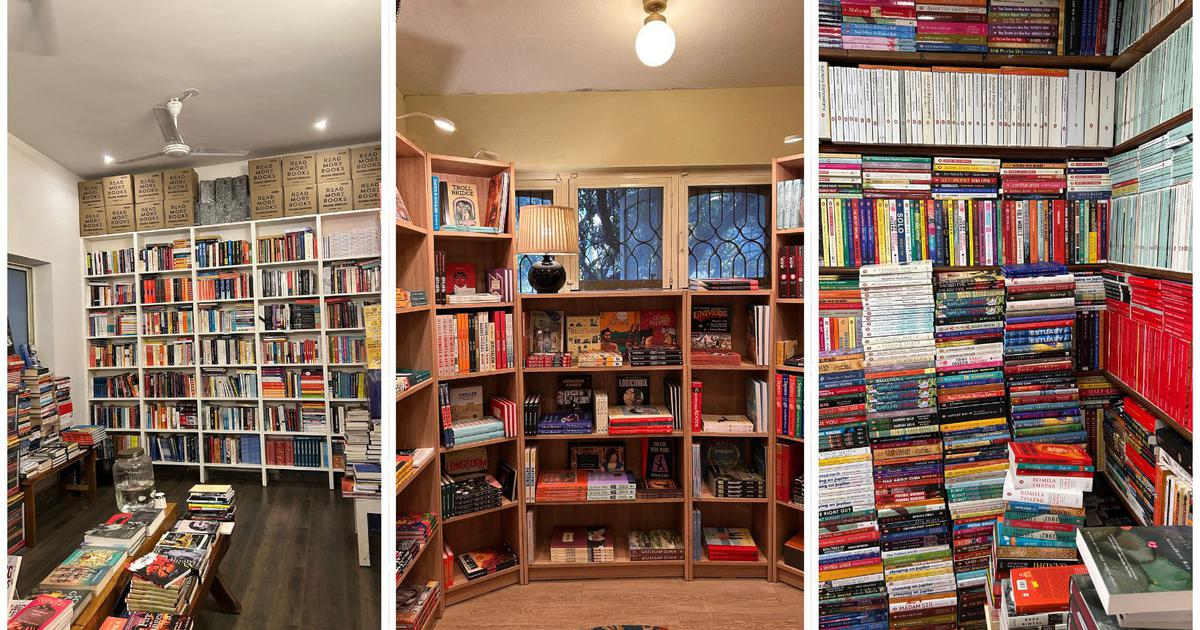
A bookstore is more than a place where books are bought and sold. It can become a meeting point for people who love reading, learning and talking about ideas. In many communities, independent bookstores host reading sessions, author meetings, book launches and small literary events that encourage people to spend more time with books.
Encouraging Young Readers
Children often fall in love with reading when they're free to explore books on their own. A trip to the children's section can turn into a real adventure. Colourful picture books, illustrated stories, activity books and simple novels give young readers plenty to choose from. Parents can help kids pick titles based on their interests instead of choosing everything for them. Schools and families can also use bookstore visits to introduce children to different subjects and storytelling styles.
4. Personal Recommendations Still Matter
Online reviews and automated suggestions have made choosing books easier, but they can't always understand what you're in the mood for at a particular moment. A bookstore employee who handles books every day can suggest something after a simple chat. A customer might ask for an easy English novel, a good book for a teenager or a thoughtful gift for someone who loves biographies. A knowledgeable bookseller can offer suitable options and explain why a title is worth reading.
Human Suggestions Feel More Personal
Not every reader knows the exact title they want. Sometimes people only have a rough idea of the subject or mood. A short conversation can narrow down the choices quickly. That human touch adds real value and makes book shopping feel less mechanical.
5. Supporting Independent Bookstores and Local Communities
Independent bookstores play a big part in keeping local reading spaces alive. Unlike large online marketplaces, smaller stores often build their collections around the interests of their neighbourhoods. Some focus on regional literature, children's books, academic titles or works by local authors. Others create welcoming corners where readers can browse without feeling rushed.
Giving Local Authors More Visibility
Smaller bookstores may introduce readers to writers who aren't widely promoted by big publishers. Regional stories, independent publications and lesser-known works can find an audience there. Supporting a local bookstore also helps small businesses and creates jobs for people in the book trade. For many neighbourhoods, a familiar bookstore becomes a cultural space, not just another shop.
6. Physical Bookstores Make Gift Shopping Special
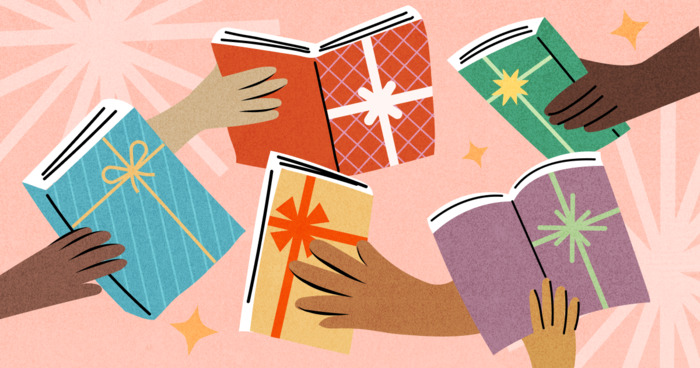
Books remain meaningful gifts because they can reflect someone's personality, interests and experiences. A carefully chosen novel, cookbook or biography often feels more personal than an ordinary present. Physical bookstores make the selection easier for people who aren't sure what to buy.
Choosing the Right Book for Someone
You can check the cover, read the back description and flip through a few pages before deciding. Gift sections also help you find books for birthdays, festivals, anniversaries and other occasions. A gardening lover might enjoy a practical gardening guide, while someone who likes cooking may love a beautifully illustrated recipe collection. Many bookstores also sell notebooks, bookmarks, greeting cards and other reading accessories that make a gift feel complete.
7. A Break From the Algorithm-Driven Digital World
Digital platforms are built to keep you engaged with recommendations, notifications and personalised content. These features save time, but they can also make browsing feel repetitive. A bookstore offers a quieter alternative. You can walk through different sections, explore unfamiliar subjects and decide what interests you without constant digital nudges.
More Freedom to Explore
In a physical bookstore, you don't have to follow a recommended reading list. You can spend time in the travel section, drift towards literature and then end up browsing photography books. That freedom makes browsing fun, and it encourages readers to build independent interests instead of relying only on online suggestions. For anyone trying to cut down on screen time, a bookstore visit can become a pleasant part of the weekly routine.
8. The Importance of Bookstores in the Digital Reading Age
Digital reading has real advantages. E-books are portable, audiobooks fit into busy schedules and online stores offer a huge range of titles. These formats make reading flexible for people who can't always visit a shop. But digital convenience doesn't make physical bookstores unnecessary.
Both formats serve different purposes. Someone may use an e-reader while travelling but still prefer printed novels at home. A student might download study material online and then visit a bookstore to find reference books.
Physical and Digital Reading Can Coexist
The future of reading doesn't have to be a contest between print and digital. Readers can enjoy both, depending on their needs, budget and lifestyle. Bookstores can adapt too by offering online ordering, social media updates, book recommendations and special reading events. Mixing traditional book shopping with modern services can help them reach more customers.
9. What Readers Should Look for When Visiting a Bookstore
📚 Your Smart Bookstore Visit Guide
Discover interesting titles, explore different genres and make every bookstore visit a memorable reading experience.
📖
Explore Book Sections
Find new genres and interesting titles.
Discover More ↓
Explore fiction, biographies, travel, science and poetry. Browsing unfamiliar categories can introduce you to books you might never have searched for online.
🔍
Check Book Quality
Look inside before making a purchase.
Discover More ↓
Check the cover, paper quality, printing and contents page. Reading a few paragraphs helps you understand the writing style before buying.
💬
Ask for Suggestions
Get personal recommendations from staff.
Discover More ↓
Share your favourite genres and interests with bookstore staff. Their recommendations can help you discover interesting authors and titles.
❤️
Support Local Shops
Help independent bookstores grow.
Discover More ↓
Buying from independent bookstores supports local businesses, encourages community activities and helps maintain welcoming reading spaces.
Make Every Bookstore Visit Special
Take your time, explore new stories and enjoy the simple pleasure of finding a book that feels right for you.
A good bookstore visit doesn't always need a shopping list. Sometimes just exploring different sections is enough to find something interesting. Still, a few simple habits can make the trip more rewarding.
Explore Different Sections
Don't limit yourself to your usual category. Try biographies, travel writing, science, poetry or regional literature. You may find a subject that excites you more than you expected.
Check the Book Before Buying
Look at the contents page, read a few paragraphs and check the print quality. This helps you judge whether the writing style and subject match what you want.
Ask for Recommendations
If you're torn between several books, ask the bookseller for suggestions. Telling them what you like to read can help you find the right title.
Support Local Bookshops
Whenever you can, buy from independent bookstores in your area. Even picking up one book now and then helps keep local reading spaces going.
10. Why the Future of Physical Bookstores Still Looks Meaningful
Online shopping and digital reading will keep shaping the book industry. Still, physical bookstores have qualities that are hard to replace with a screen. Their strength lies in personal discovery, human interaction and the simple pleasure of spending time among books. They give readers a space to slow down, explore ideas and connect with people who share similar interests.
Modern bookstores may need to improve their collections, update their services and create more engaging experiences. But their basic purpose remains valuable, which is helping people discover books and build a lasting love for reading.
Conclusion
Physical bookstores still matter because reading isn't only about finding information or buying a title. It's also about curiosity, personal taste and the joy of discovering something meaningful.
Algorithms can recommend books based on your reading history, but a bookstore lets you explore without a fixed pattern. From unexpected discoveries and personal recommendations to local literary events, these spaces continue to support reading culture.
As digital reading becomes a regular part of life, physical bookstores can stay an important part of the book world. Their future may look different, but the experience of walking through a bookstore, picking up an interesting book and deciding to take it home is something many readers aren't ready to give up.
They offer personal recommendations, book discovery and a hands-on reading experience.
They provide a personal shopping experience, while online stores offer convenience.
Readers can explore books, browse different genres and get expert suggestions.
Yes, they encourage reading through book events, discussions and community activities.
Supporting local bookstores helps small businesses and strengthens reading communities.
Sources and notes
Links the author listed for this post.
This article is based on the importance of physical bookstores in preserving reading culture, supporting local communities, and offering readers a personal book-shopping experience in today's digital world.


Discussion
0 comments