Education is no longer limited to classrooms, textbooks and fixed study schedules. With the growth of the internet and digital technology, people can now learn new skills from almost anywhere. Whether someone wants to improve their career prospects, explore a personal interest, prepare for a professional certification or learn something completely new, online education has made learning more flexible and accessible.
Over the last few years, e-learning has become an important part of modern education. Students use digital platforms to support their studies, working professionals take online courses to develop new skills, and businesses provide virtual training to help employees adapt to changing workplace requirements.
In 2026, this shift is becoming even more significant. Artificial intelligence, interactive learning experiences, mobile applications and personalised course recommendations are changing how people discover and consume educational content. One recognised example of this industry is Udemy. It is an online learning marketplace where individuals can explore courses across subjects such as technology, business, design, personal development, marketing and professional skills.
The platform connects learners with instructors who create educational content for different experience levels. This guide explores the online education and e-learning industry, its major features, benefits, challenges, popular learning categories and the factors to consider when choosing an online learning platform
What Is Online Education & E-learning?
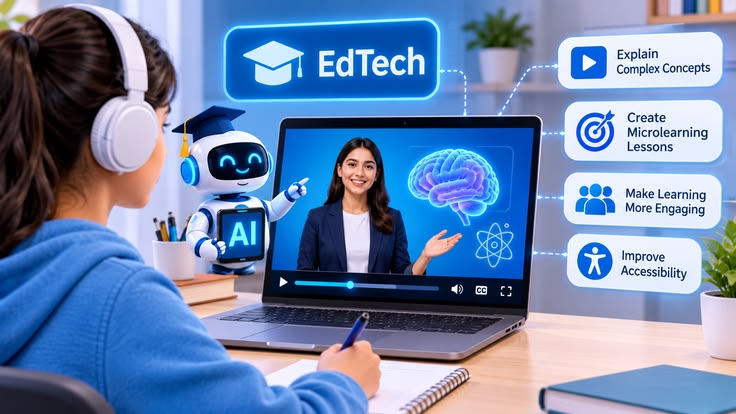
Online education refers to a learning process in which students access educational materials, lessons, training programmes and other learning resources through the internet.
E-learning, or electronic learning, uses digital technology to deliver educational content. It can include recorded video lectures, live online classes, digital textbooks, quizzes, assignments, interactive exercises and virtual discussions.
Unlike traditional classroom learning, online education does not always require students and instructors to be in the same physical location. Learners can often access lessons from their homes, workplaces, libraries or while travelling.
Online education is used for different purposes, including:
Academic learning and school support.
College and university programmes.
Professional development and career training.
Technical and computer-based skills.
Language learning.
Business and management education.
Personal development and creative hobbies.
Professional certification preparation.
Some online courses follow a structured timetable, while others allow students to learn at their own pace.
The main purpose is to make education more convenient and give people additional opportunities to develop knowledge and practical skills.
How Online Education Is Changing in 2026
Digital education continues to evolve as technology and learner expectations change. People increasingly want learning experiences that are flexible, relevant and connected to their personal or professional goals.
Several developments are influencing the e-learning industry in 2026.
1. Artificial Intelligence in Education
Artificial intelligence is becoming an important part of digital learning. AI-powered tools can help explain complicated topics, generate practice questions, provide learning suggestions and support personalised study experiences.
For example, a learner studying programming may use an AI assistant to understand an error in a piece of code. Someone learning a new language may use AI-powered exercises to practise vocabulary and sentence construction.
However, AI should support learning rather than replace independent thinking, reliable educational resources or instructor guidance.
2. Personalised Learning Experiences
Not every student learns at the same speed or in the same way.
Some people prefer watching demonstrations, while others learn more effectively through reading, practical exercises or discussions.
Online platforms are increasingly exploring personalised recommendations, learning paths and progress-based suggestions to help users discover relevant content.
3. Short Courses and Microlearning
Many learners prefer dividing large subjects into smaller lessons that are easier to manage.
Microlearning uses short educational activities focused on specific topics or skills. A learner might complete a short lesson on Excel formulas, digital marketing, communication or basic coding during a break.
This approach can make learning more manageable, although complex subjects still require deeper study and regular practice.
4. Career-Focused Education
The workplace continues to change as businesses adopt new technologies and working methods.
Consequently, people are exploring courses in areas such as artificial intelligence, data analysis, cybersecurity, cloud computing, project management and digital marketing.
Career-focused e-learning gives learners opportunities to build relevant knowledge without necessarily enrolling in a long academic programme.
5. Mobile and Flexible Learning
Smartphones and tablets have made educational content easier to access.
Learners can watch lessons, review notes, complete quizzes and continue selected courses through mobile applications.
This flexibility is particularly helpful for people balancing work, family responsibilities and personal development.
Major Types of Online Learning Platforms
Online education is not limited to one type of website or application. Different platforms are designed to serve different learning requirements.
1. Online Course Marketplaces
Course marketplaces bring together educational content created by multiple instructors.
Learners can browse subjects, compare course descriptions, check ratings and choose programmes that match their interests.
Udemy is an example of this model. Its marketplace includes courses across professional and personal development subjects, with instructors creating and publishing their own educational content.
2. Academic Learning Platforms
Academic learning platforms support school, college and university education.
They may provide digital lessons, assignments, reading materials, examinations and communication tools.
Some institutions use learning management systems to organise course content and monitor student progress.
3. Professional Certification Platforms
These platforms help learners prepare for industry-recognised examinations and professional qualifications.
Common subjects include:
Information technology.
Cloud computing.
Cybersecurity.
Project management.
Business analysis.
Accounting and finance.
Data science.
Some programmes offer practice tests, structured study paths and preparation materials. Completing an online preparation course does not automatically provide an official certification; learners may still need to pass the relevant examination.
4. Language Learning Applications
Language learning platforms help users improve vocabulary, grammar, pronunciation, listening and speaking skills.
They may include interactive exercises, audio lessons, conversation practice and progress tracking.
These applications are useful for students, travellers and professionals who want to communicate more confidently in another language.
5. Corporate E-learning Platforms
Businesses use online learning systems to train employees, develop professional skills and introduce new workplace processes.
Corporate learning may cover leadership, communication, technical training, compliance, customer service and cybersecurity.
Udemy Business is one example of a workplace learning solution. It offers organisations curated learning content, administrative features and professional development resources.
Popular Online Learning Categories in 2026
One of the biggest advantages of online education is the variety of subjects available. Learners can choose courses according to their interests, current abilities and future goals.
1. Technology and Programming
Technology courses are popular among students and professionals interested in digital careers.
Common subjects include:
Python programming.
JavaScript and web development.
Artificial intelligence.
Machine learning.
Cybersecurity.
Cloud computing.
Software development.
Data science.
These courses can introduce technical concepts and provide practical exercises. However, learners should also work on independent projects to develop real-world experience.
2. Business and Management
Business courses help learners understand how organisations operate and how professional teams manage projects, people and resources.
Popular subjects include:
Business strategy.
Entrepreneurship.
Project management.
Leadership.
Human resource management.
Operations management.
Business communication.
Financial planning.
These subjects can be useful for students, business owners, managers and people preparing for leadership responsibilities.
3. Digital Marketing
Digital marketing has become an important area of professional development as businesses expand their online presence.
Courses may cover:
Search engine optimisation (SEO).
Social media marketing.
Email marketing.
Content marketing.
Paid advertising.
Marketing analytics.
Affiliate marketing.
Brand development.
Learners can use these skills to support business projects, freelance work or personal brands.
4. Data Science and Analytics
Data-related skills help individuals understand information, identify patterns and make informed decisions.
Common learning topics include Excel, SQL, Python, statistics, data visualisation and business intelligence tools.
These subjects are relevant to industries such as finance, healthcare, retail, technology and marketing.
5. Design and Creativity
Creative courses allow people to explore visual communication and develop practical design skills.
Popular areas include:
Graphic design.
UI and UX design.
Illustration.
Photography.
Video editing.
3D modelling.
Animation.
Digital art.
Many courses introduce software tools and creative techniques that learners can practise through personal projects.
6. Personal Development and Communication
Professional success often depends on more than technical knowledge.
Personal development courses may focus on:
Public speaking.
Time management.
Problem-solving.
Critical thinking.
Productivity.
Communication.
Emotional intelligence.
Workplace confidence.
These skills can help individuals improve how they work, collaborate and manage everyday responsibilities.
Key Features of a Good Online Learning Platform

Choosing an online education platform involves more than looking at the number of available courses. The quality of the learning experience also matters.
Here are some features worth considering.
1. Wide Course Selection
A useful platform should offer courses across relevant subjects and experience levels.
Learners should be able to find beginner-friendly lessons as well as more advanced programmes.
2. Experienced Instructors
The instructor plays an important role in explaining concepts and guiding students.
Before enrolling, review the instructor's background, teaching experience, course introduction and learner feedback.
3. Video Lessons and Learning Materials
Video lectures make it easier to understand demonstrations and practical processes.
Additional resources such as downloadable files, reading materials, exercises and reference guides can make the learning experience more useful.
4. Quizzes and Practice Activities
Learning becomes more effective when students actively apply what they have studied.
Quizzes, coding exercises, assignments and practice tests can help learners check their understanding.
5. Progress Tracking
Progress tracking allows learners to see which lessons they have completed and what remains.
It can also help them stay organised and maintain a consistent study routine.
6. Mobile Accessibility
Mobile access makes it easier to continue learning outside a traditional study environment.
However, certain activities, such as detailed coding exercises or complex design work, may be more comfortable on a desktop or laptop.
7. Reviews and Ratings
Learner feedback can provide useful information about course quality, teaching style and content organisation.
Reviews should be considered alongside course descriptions and instructor credentials rather than treated as a guarantee of quality.
Benefits of Online Education and E-learning
Online education offers several advantages for people with different learning goals and schedules.
Flexible Learning Schedules
One of the biggest benefits is flexibility.
Learners can often decide when to watch lessons and complete activities. This is useful for working professionals, university students and people managing family responsibilities.
Access to a Wide Range of Subjects
Traditional education programmes may offer a limited selection of subjects depending on the institution.
Online platforms allow users to explore a broader range of topics, including technical skills, creative hobbies, business knowledge and personal development.
Learning from Different Instructors
Course marketplaces allow students to explore lessons created by instructors with different backgrounds and teaching approaches.
This gives learners the opportunity to compare explanations and find a teaching style that suits them.
Opportunities for Career Development
Online courses can help individuals prepare for new responsibilities, explore different career paths and improve existing skills.
For example, someone working in administration might study Excel and data analysis, while a marketing professional may explore SEO or digital advertising.
A course alone cannot guarantee employment or promotion, but the knowledge gained can support professional development.
Learn at Your Own Pace
Self-paced learning allows students to pause, replay and revisit lessons when needed.
This can be helpful when studying complicated topics that require additional explanation or practice.
Convenient Learning Resources
Many online courses combine video lessons with quizzes, downloadable materials, assignments and other resources.
Having these materials in one place can make studying easier to organise.
Challenges and Limitations of E-learning
Although online education provides many opportunities, it also has challenges that learners should understand.
1. Limited Face-to-Face Interaction
Online learning may provide fewer opportunities for direct classroom discussions and personal interaction.
Some students find it easier to understand difficult concepts when they can ask questions in person.
2. Requires Self-Discipline
Flexible schedules can be helpful, but they also require responsibility.
Without fixed class timings, learners may postpone lessons or struggle to complete courses.
Creating a realistic study routine can help maintain consistency.
3. Variable Course Quality
Not every online course offers the same level of teaching quality.
Some courses may contain outdated information, limited practical examples or incomplete explanations.
Review the syllabus, instructor information, publication date and learner feedback before enrolling.
4. Internet and Device Requirements
Online learning depends on suitable devices and internet access.
Slow connections, limited data plans or outdated devices can affect the learning experience.
5. Limited Practical Experience
Certain subjects require hands-on training, laboratory work or supervised practice.
An online course can explain the fundamentals, but learners may need additional practical experience to develop professional competence.
6. Course Completion Does Not Guarantee Employment
Completing an online course does not automatically qualify someone for a job.
Employers may also consider formal education, practical experience, portfolios, professional credentials and interview performance.
Learners should treat online courses as one part of a broader professional development plan.
Udemy: An Example of an Online Education and E-learning Platform
Udemy is an online learning marketplace that connects instructors with people looking to develop professional and personal skills.
The platform provides courses in areas such as technology, business, marketing, design, personal development, photography, productivity and more.
Rather than following a single academic curriculum, learners can select individual courses based on their interests and requirements.
What Makes Udemy Relevant to Online Learning?
1. Broad Course Marketplace
Udemy offers a wide selection of courses across different subjects and experience levels. This allows learners to explore several areas without being restricted to one educational category.
2. Instructor-Created Content
Courses are developed by individual instructors and educational providers. Learners can review instructor profiles, course outlines and ratings before making a selection.
3. Flexible Learning
Many courses are designed for self-paced learning. Students can study according to their own schedules and revisit available lessons when needed.
4. Multiple Learning Resources
Depending on the course, learning materials may include video lectures, articles, quizzes, assignments, practice tests and supplementary resources.
5. Personal Development and Professional Skills
Udemy covers both career-related and personal learning subjects. Users can explore programming, leadership, communication, business, creative skills and other topics.
6. Individual Courses and Subscription Options
Udemy offers individual course purchases as well as subscription options in eligible markets.
Its Personal Plan provides access to a curated selection of courses while the subscription is active. It does not automatically include every course on the marketplace.
Understanding Udemy's Learning Options
Udemy offers different ways for individuals and organisations to access educational content.
Individual Course Purchases
Learners can purchase individual courses when they want to study a specific topic.
According to Udemy's stated policy, eligible individual course purchases generally provide lifetime access to the purchased course, subject to applicable account and platform conditions.
This option may suit people who want to focus on one skill without subscribing to a broader collection.
Udemy Personal Plan
Personal Plan is a subscription option that provides access to a curated collection of courses.
It is designed for people who want to explore multiple professional and personal development subjects through a subscription.
The available course collection and subscription terms can vary by location and may change over time.
Udemy Business
Udemy Business is designed for organisations that want to support employee training and professional development.
Its offerings include curated learning content, learning administration and other workplace development features. Enterprise options can also provide additional learning experiences and tools.
Before selecting a plan, learners and organisations should compare current pricing, available courses, access conditions and cancellation policies.
How to Choose the Right Online Course
With so many courses available, selecting the right one can feel confusing.
A few simple checks can help you make a more informed decision.
1. Define Your Learning Goal
Start by deciding what you want to achieve.
Do you want to learn a new skill, improve your professional knowledge, prepare for an examination or explore a personal interest?
A clear goal makes it easier to identify relevant courses.
2. Check the Course Syllabus
Read the complete course outline before enrolling.
Check whether the lessons cover the topics you want to learn and whether the course progresses from basic concepts to more advanced material.
3. Review Instructor Credentials
Look at the instructor's experience, qualifications and teaching background.
A good instructor should be able to explain concepts clearly and provide relevant examples.
4. Read Student Reviews
Reviews can help you understand the strengths and weaknesses of a course.
Look for feedback about teaching quality, practical exercises, course organisation and whether the material matches the description.
5. Check the Course Update Date
Technology and professional practices change quickly.
For subjects such as artificial intelligence, programming, cybersecurity and digital marketing, updated course material can be particularly important.
6. Consider Your Available Time
Choose a course that fits your schedule.
A lengthy course may provide detailed information, but a shorter and focused programme may be more practical when you have limited time.
7. Compare Pricing and Access
Check whether the course is available through an individual purchase or subscription.
Understand what happens to course access if a subscription ends and review the refund policy before paying.
Tips for Becoming a Successful Online Learner
Enrolling in a course is only the beginning. What matters most is how consistently you study and apply the information.
Here are some practical ways to improve your online learning experience.
Set Realistic Goals: Decide what you want to complete each week instead of trying to finish everything at once.
Create a Study Schedule: Set aside a regular time for learning, even if it is only 20 to 30 minutes a day.
Take Notes: Write down important ideas, examples and questions while watching lessons.
Practise What You Learn: Apply new knowledge through projects, exercises or real-world tasks.
Avoid Multitasking: Focus on one lesson at a time and reduce unnecessary distractions.
Review Previous Lessons: Revisit difficult topics to improve your understanding and remember important information.
Build a Portfolio: For practical subjects such as programming, graphic design, photography and digital marketing, save examples of your work to demonstrate your abilities.
Track Your Progress: Monitor completed lessons and identify topics that need additional attention.
Consistency is usually more valuable than trying to complete a large amount of content in a single day.
Online Education vs. Traditional Classroom Learning
Online and classroom-based education both offer valuable learning opportunities. The right choice depends on the subject, learning style and personal circumstances.
Factor | Online Education | Traditional Classroom Learning |
|---|---|---|
Location | Can be accessed remotely | Usually requires physical attendance |
Schedule | Often flexible | Usually follows fixed timings |
Interaction | Digital discussions and online communication | Direct face-to-face interaction |
Learning materials | Videos, digital resources and online exercises | Textbooks, classroom resources and lectures |
Practical training | Depends on the course and subject | Can provide supervised practical activities |
Learning pace | Often self-paced | Usually follows a shared class schedule |
Accessibility | Requires suitable devices and internet access | Depends on location and institutional access |
Neither approach is automatically better for every student.
Some learners benefit from the independence of online education, while others prefer the structure and personal interaction of a classroom.
A blended approach that combines digital resources with in-person instruction can also be useful.
The Future of Online Education and E-learning
The e-learning industry is likely to continue evolving as new technologies and teaching methods become more widely adopted.
Several developments are worth watching.
AI-Powered Personalised Learning
AI may help platforms identify learning gaps and recommend relevant lessons, practice activities and study resources.
Interactive and Immersive Education
Virtual reality and augmented reality can support more interactive learning experiences, especially in areas such as healthcare, engineering, science and technical training.
Skills-Based Learning
Employers are increasingly interested in practical abilities alongside formal qualifications.
This may encourage more learning programmes that include projects, assessments, practical exercises and portfolio development.
Short and Specialised Courses
Microlearning and focused training programmes may continue growing as learners seek practical knowledge that can be applied quickly.
Greater Focus on Digital Skills
Artificial intelligence, data analysis, cybersecurity, automation and digital communication are likely to remain important areas of professional development.
Corporate Learning and Employee Development
Organisations may continue investing in digital training to help employees adapt to new technologies, changing responsibilities and workplace expectations.
The future of education will not depend on technology alone. Effective teaching, reliable content, learner motivation and opportunities for practical application will remain essential.
Online learning becomes more convenient when you have access to useful digital tools and resources. AltFTool brings together a range of online tools designed to support productivity, creativity, learning and everyday tasks. Whether you are a student exploring new skills, a professional improving your knowledge or a beginner discovering digital resources, the right tools can make your learning journey easier. Explore helpful solutions, save time and make the most of your online experience. Visit AltFTool to discover more useful tools and resources.
Final Thoughts
Online education and e-learning have changed how people access knowledge and develop new skills. They provide flexible learning opportunities for students, working professionals, business owners and anyone interested in personal growth.
Platforms such as Udemy demonstrate how digital marketplaces can bring together instructors, courses and learners across a wide range of subjects. From programming and data science to business, communication and creative skills, online learning gives people more ways to explore their interests and professional goals.
However, choosing the right platform is only one part of the process. Learners should also evaluate course quality, instructor experience, practical activities, pricing and the relevance of the content.
The most valuable learning experience is one that goes beyond watching lessons. Applying new knowledge, practising regularly and continuing to improve are what turn online education into meaningful personal and professional development.
FAQ's
Online education is a way of learning through digital platforms, websites, and virtual courses using the internet.
Online learning offers flexibility, convenience, affordable options, and access to courses from different instructors and institutions.
Udemy offers courses across various subjects, allowing learners to explore new skills, professional training, and personal interests.
Yes, online courses can help develop skills in technology, business, marketing, design, communication, and other career-focused fields.
Compare course quality, instructor experience, learner reviews, pricing, course content, and access conditions before enrolling.
Sources and review notes
References used to check facts, freshness, and reader-safe recommendations in this guide.
This article is based on information from Udemy’s official website, including its online course marketplace, learning features, subscription plans, and business learning solutions.
- 1
- 2
Discussion
0 comments
No comments yet
Discussion will appear here once it loads.