Have you ever looked out the window in the middle of what used to be a mild season and wondered what on earth is going on with the weather? You are definitely not imagining things. Over the last decade, the weather has started feeling less like a predictable background rhythm and more like an unpredictable rollercoaster. Summers are pushing past uncomfortable into genuinely dangerous territory, rainstorms are dumping a month’s worth of water in a single afternoon, and storms are tearing through communities that rarely had to worry about them before.
Weather has always been fickle. Anyone who has ever planned an outdoor wedding or a weekend picnic knows that forecasts are never a 100% guarantee. Yet, what we are seeing today goes way beyond normal ups and downs. Extreme weather events—record-shattering heatwaves, flash floods, megadroughts, and supercharged cyclones—are happening more often, hitting harder, and sticking around longer.
Because weather shapes everything from our morning commute to the price of groceries at the local market, understanding why it is changing isn't just for meteorologists. It affects all of us. So, let’s break down the real science behind these dramatic weather shifts in plain, everyday language—no heavy jargon, just clear answers on what is driving the chaos and what we can actually do about it.
What Counts as "Extreme Weather" Anyway?
Before we look at the causes, it helps to know what scientists mean when they talk about extreme weather events. Simply put, extreme weather is any weather condition that sits far outside the historical norm for a specific place and time of year.
A sudden drop to freezing temperatures in a tropical city is extreme; a snowy January in northern Canada is just Tuesday. Depending on the type of event, extreme weather can strike in a matter of hours—like a violent hailstorm or a flash flood—or creep up slowly over months and years, like a crippling drought.
Common examples include:
Severe heatwaves that refuse to break, even at night.
Torrential downpours that overwhelm city drains and burst riverbanks.
Tropical cyclones, hurricanes, and typhoons packed with massive amounts of rain and destructive winds.
Prolonged droughts that dry up reservoirs and crack farmland.
Unusual cold snaps triggered by shifting polar air currents.
It is worth noting that not every freak storm is 100% caused by climate change. Earth’s climate has always had natural cycles. However, scientists use a fascinating field called attribution science to measure how much human-driven climate change stacks the deck. Think of it like a baseball player using steroids: you can't say any single home run was only because of the steroids, but you can definitely see why the player is suddenly hitting way more home runs than ever before.
1. A Warming Planet Is Changing the Rules of the Atmosphere
The biggest driver behind our shifting weather is global warming. Over the past century and a half, human activities—mainly burning coal, oil, and natural gas for electricity, factories, and transport—have pumped massive amounts of greenhouse gases like carbon dioxide (CO2) and methane into the air. Clearing forests and certain farming practices add even more to the pile.
These gases act like an invisible blanket wrapped around the Earth. They let sunlight in to warm the surface, then trap a huge portion of that heat from escaping back into space. As the planet's average temperature creeps upward, both our atmosphere and our oceans are absorbing that extra energy.
And in weather, heat equals energy. Pumping extra heat into the atmosphere is like turning up the burner under a pot of water—everything starts moving faster and more violently. While a 1.2°C or 1.5°C rise in global average temperature might sound tiny when you think about daily weather, on a planetary scale, it completely shifts the baseline. Extreme heat becomes much easier to reach, and the old weather patterns our cities and farms were built around start breaking down.
2. Warmer Air Acts Like a Giant Sponge
One of the most important rules in meteorology is surprisingly simple: warmer air holds more water vapor. For every 1°C (1.8°F) that the atmosphere warms, it can hold about 7% more moisture.
Picture the atmosphere as a giant sponge soaking up water from oceans, lakes, and soil. Because the air is warmer today, that sponge is growing larger and thirstier. When weather systems eventually squeeze that sponge—pushing moist air up where it cools and condenses—all that extra water comes crashing down at once.
This explains a confusing paradox many people notice: how can a region suffer from dry spells and devastating floods in the exact same year?
During dry periods, the warmer, thirstier air pulls moisture out of the ground faster.
When it finally does rain, the storms dump massive volumes of water in short bursts.
Even if a city gets the exact same total rainfall over a year as it did fifty years ago, getting half of it in two violent weekends instead of gentle, spread-out showers is a recipe for disaster. Urban drainage systems, built for the gentler rain patterns of the past, simply cannot swallow that much water that fast.
3. Heatwaves Are Becoming Silent, Everyday Threats
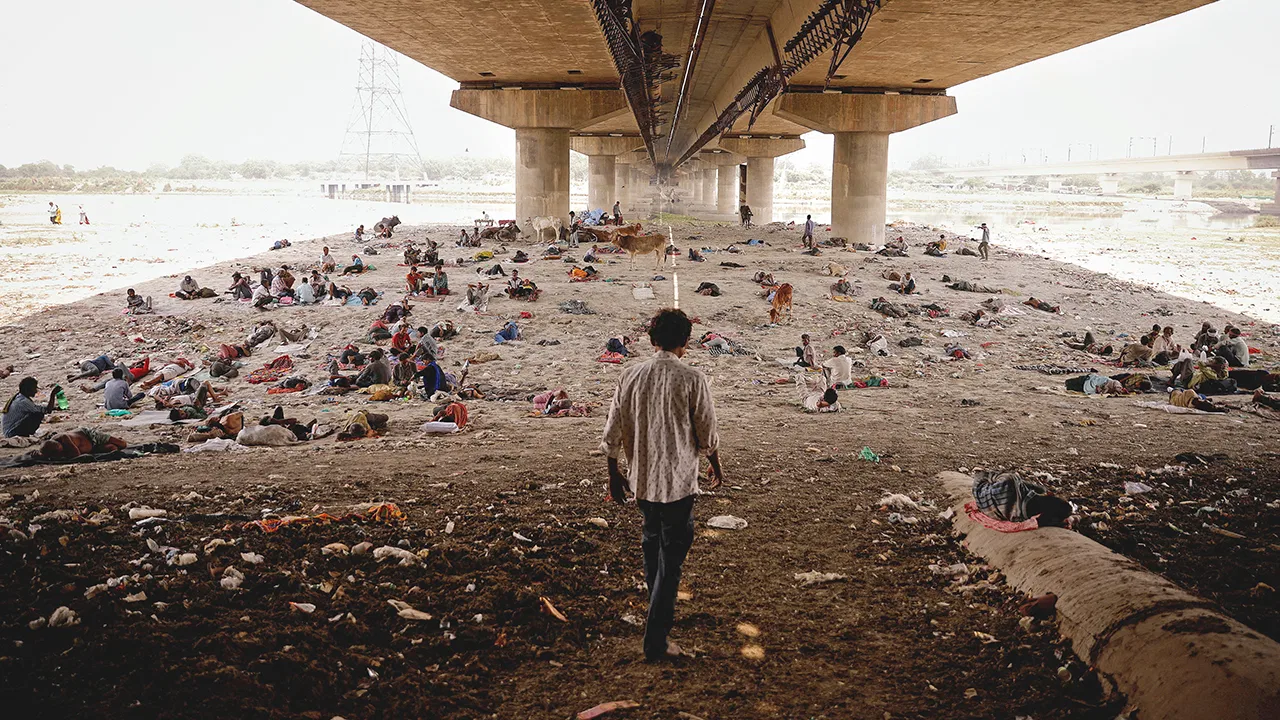
If you want to feel climate change firsthand, look no further than summer heatwaves. A heatwave occurs when temperatures stay abnormally high for several days in a row. Thanks to rising baseline temperatures, heatwaves are starting earlier in the spring, lasting deeper into autumn, and hitting higher peak numbers.
What makes modern heatwaves particularly dangerous is warmer nights. Historically, even after a scorching afternoon, temperatures would drop after sunset, giving human bodies, animals, and power grids a chance to cool down and recover. Today, elevated humidity and trapped heat keep nighttime temperatures uncomfortably high, putting continuous stress on the heart and kidneys.
If you live in a major city, you are also dealing with the Urban Heat Island effect. Asphalt roads, concrete sidewalks, dark rooftops, and glass buildings soak up sunlight all day and radiate it back out like a brick oven long after dark. A bustling downtown area can easily be 3°C to 5°C hotter than a leafy suburb just a few miles away.
Beyond making afternoon walks miserable, extreme heat is a major public health hazard:
Outdoor workers—farmers, construction crews, delivery riders—face high risks of heat exhaustion and heatstroke.
Older adults, young children, and people with heart or lung conditions are especially vulnerable.
Air conditioners running at full blast push electrical grids to the brink, sometimes causing blackouts right when cooling is needed most.
4. Supercharged Oceans Are Fueling Stronger Storms
Hurricanes, typhoons, and tropical cyclones are nature’s most violent engines, and their fuel is warm ocean water. Over 90% of the excess heat trapped by greenhouse gases actually ends up in our oceans, pushing sea-surface temperatures to record highs.
When a tropical storm passes over unusually warm water, it pulls in more heat and moisture, allowing it to undergo rapid intensification—a terrifying phenomenon where a relatively mild storm explodes into a Category 4 or 5 monster in less than 24 hours. That leaves coastal communities with far less time to board up windows and evacuate.
Interestingly, climate scientists don't necessarily expect the total number of tropical storms worldwide to skyrocket every year. Instead, the danger lies in how those storms behave:
Higher peak wind speeds in the strongest storms.
Significantly heavier rainfall, turning hurricanes into inland flooding disasters long after their winds die down.
Worse storm surges because global sea levels have already risen by roughly 20 centimeters (8 inches) over the past century, giving ocean waves a higher starting line to push water inland.
5. Droughts Are Quietly Draining Water and Food Supplies
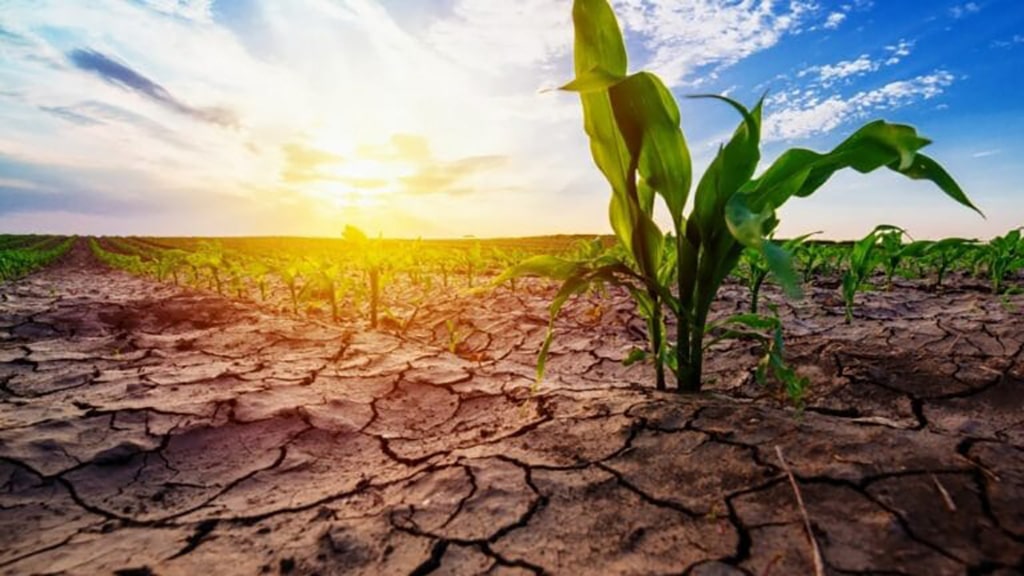
While floods and cyclones grab headlines with dramatic footage of washed-out bridges, drought is a slow-motion emergency that can cause just as much economic and human misery.
Drought isn't just a lack of rain; it is also driven by evaporation. Higher temperatures bake moisture straight out of topsoil, rivers, and reservoirs. Even in areas where rainfall hasn't dropped dramatically, hotter weather means water disappears faster before crops or cities can use it.
The ripple effects of a major drought hit everyday life hard:
Food inflation: When farmers lose harvests of wheat, rice, corn, or vegetables—or have to cull livestock because pasture grass won't grow—grocery prices climb worldwide.
Hydropower shortages: Many regions rely on river dams for clean electricity. When reservoir levels drop too low, power plants have to scale back, forcing utilities to burn more fossil fuels.
Wildfire tinderboxes: Prolonged heat and dryness turn forests and grasslands into bone-dry kindling. All it takes is a single lightning strike or stray spark on a windy day to ignite megafires that destroy thousands of homes and blanket entire regions in hazardous smoke.
6. Local Human Choices Often Turn Bad Weather into a Disaster
While global greenhouse gases set the stage, how severely extreme weather hurts a community often comes down to local decisions on the ground. In other words, climate change loads the dice, but poor planning decides how much damage we take.
Consider deforestation. Healthy forests act like natural shock absorbers. Tree roots hold soil together, leaves slow down falling rain, and forest floors soak up water like a sponge, slowly releasing it into groundwater reserves. When hillsides are stripped bare for timber, mining, or poorly planned agriculture, heavy rain washes straight down the slope, triggering deadly mudslides and flash floods.
Rapid, unplanned urban sprawl creates a similar problem. When cities pave over wetlands, floodplains, and parks with concrete and asphalt, rainwater has nowhere to soak in. Pair waterproof surfaces with storm drains clogged by plastic waste, and even a routine monsoon shower or summer thunderstorm can turn main roads into knee-deep rivers within thirty minutes.
7. Shifting Ocean Currents Ripple Across the Globe
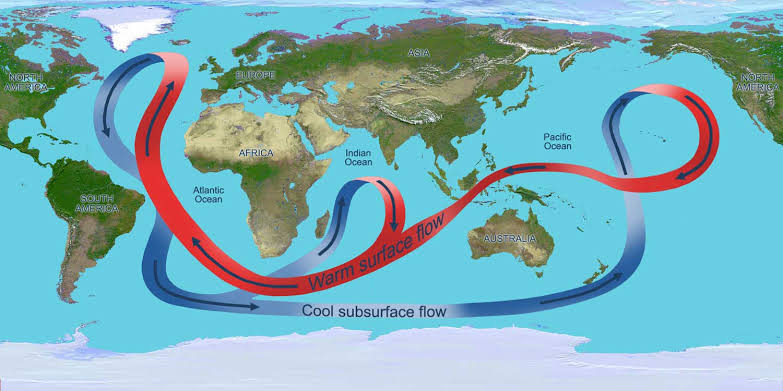
Our weather isn't just controlled by local skies; it is orchestrated by massive ocean currents moving heat around the planet. The most famous of these is the El Niño-Southern Oscillation (ENSO) in the tropical Pacific Ocean, which swings between two opposite phases—El Niño and La Niña—with a neutral phase in between.
During El Niño, unusually warm water pools in the central and eastern Pacific. This shifts global wind patterns, often bringing weaker monsoon rains and hotter, drier weather to parts of South Asia and Australia, while triggering heavy rains and flooding along the western coasts of the Americas.
During La Niña, cooler-than-average Pacific waters tend to flip those patterns, often bringing heavier monsoons to South Asia and drier conditions to the southern United States.
El Niño and La Niña are completely natural cycles that have existed for thousands of years. However, when they occur on top of an already warmer baseline climate, their extremes get amplified. An El Niño year today pushes global temperatures into uncharted territory, stacking natural warmth directly on top of human-caused warming.
How Extreme Weather Hits Close to Home
It is easy to look at climate graphs and feel detached, as if extreme weather only happens on the evening news. In reality, it is already reshaping daily life and household budgets:
Higher utility bills: Longer heatwaves mean running fans and air conditioners for more months of the year, while deep winter freezes spike heating costs.
Unpredictable food costs: A heatwave in one country or a flood in another disrupts global supply chains, making everyday staples like cooking oil, coffee, fruit, and grains more expensive.
Travel and work disruptions: Warped railway tracks, flooded highways, grounded flights, and school closures are becoming regular interruptions rather than rare flukes.
Growing inequality: Extreme weather does not hit everyone equally. Low-income families, outdoor workers, and communities with fragile housing or limited healthcare access bear the heaviest burden and take the longest to recover.
Can We Stop Extreme Weather?
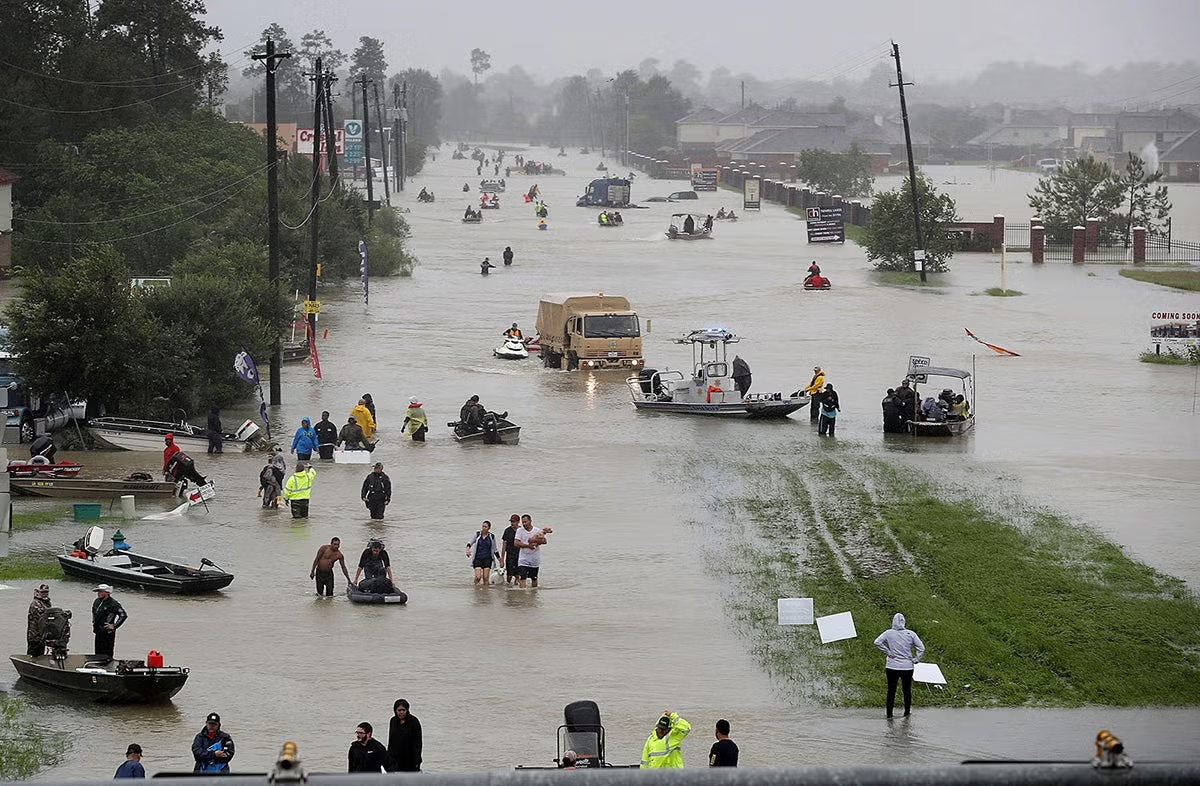
We cannot flip a switch and stop storms, heatwaves, or droughts from happening—Earth will always have dynamic weather. What we can do is stop making the extremes worse and build smarter communities that can withstand whatever nature throws at them.
Tackling this challenge takes action on two fronts: mitigation (cutting the root causes) and adaptation (preparing for the impacts).
What Governments and Industries Need to Do
Shift away from fossil fuels: Scaling up solar, wind, hydro, and nuclear power while phasing out coal and oil is the single most effective way to slow global warming.
Build climate-smart cities: Expanding urban tree canopies to cool neighborhoods, restoring wetlands to absorb floodwaters, upgrading storm drains, and enforcing stricter building codes for flood and storm zones.
Invest in early warning systems: Accurate weather radar, satellite tracking, and instant mobile alerts save thousands of lives by giving people time to move out of harm's way.
Practical Steps You Can Take Right Now
Even though individual lifestyle changes won't solve global emissions alone, collective habits and personal preparedness make a real difference:
Stay weather-aware: Pay attention to local heat advisories, air quality alerts, and flood warnings rather than brushing them off.
Prep a basic emergency kit: Keep essentials like flashlights, a battery-powered phone charger, basic first-aid supplies, clean drinking water, and non-perishable food handy during storm or monsoon seasons.
Respect extreme heat: Shift outdoor exercise or heavy chores to early mornings or evenings, drink water before you feel thirsty, and check in on elderly neighbors during heatwaves.
Cut everyday energy waste: Simple moves like sealing drafty windows, using LED bulbs, setting your AC a couple of degrees higher, or choosing public transit and carpooling lower both your bills and your carbon footprint.
Protect local green spaces: Supporting tree-planting drives, keeping storm drains near your home clear of trash, and conserving water during dry months help your immediate neighborhood stay resilient.
Looking Ahead: Smarter Choices for a Changing Climate
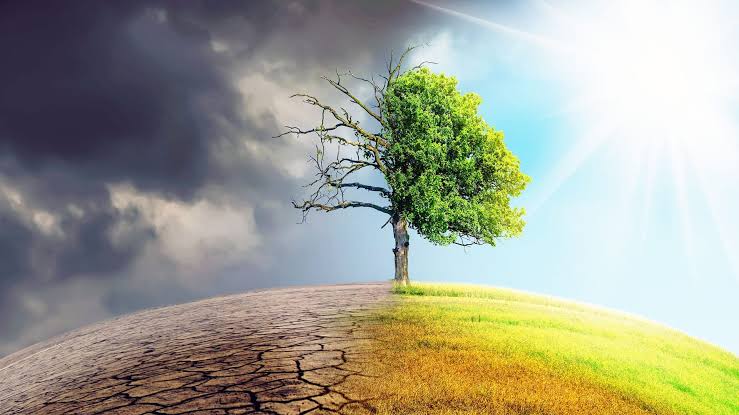
The future of our weather isn't set in stone. Climate scientists run thousands of computer simulations to map out where we are headed, and the message is remarkably consistent: every fraction of a degree matters.
If global emissions continue unchecked, extreme heatwaves, violent downpours, and severe droughts will become the exhausting new normal for billions of people. On the other hand, if countries, businesses, and communities aggressively cut emissions and invest in greener, better-planned infrastructure, we can prevent the worst-case scenarios and keep our planet livable and thriving.
Weather will always keep us on our toes—that is simply the nature of living on a dynamic, living planet. By understanding why the skies are changing and taking practical steps to adapt and cut pollution, we can protect our homes, support our communities, and ensure we aren't caught off guard by whatever season comes next.
No—weather has always had natural ups and downs, but global warming acts like loading the dice, making heatwaves, heavy downpours, and droughts much more frequent and intense than they used to be.
Warmer air acts like a giant, thirsty sponge that pulls more moisture out of the ground during dry spells and then dumps that extra water all at once when storms form.
Because concrete roads, asphalt, and tall buildings absorb heat all day and trap it at night—a phenomenon known as the urban heat island effect.
While the total number of storms each year hasn't skyrocketed, warmer ocean waters are fueling stronger wind speeds, heavier rainfall, and faster storm intensification.
Yes—cutting household energy waste, supporting local green spaces, and keeping basic emergency supplies ready all help reduce emissions and protect your community when severe weather hits.
Sources and notes
Links the author listed for this post.
Information is based on climate research, scientific reports, and weather observations from trusted environmental organisations. The article discusses the relationship between global warming and changing extreme weather patterns.
More on AltFTool
- AltFTool (opens in a new tab)
altftool.com


Discussion
0 comments
No comments yet
Discussion will appear here once it loads.