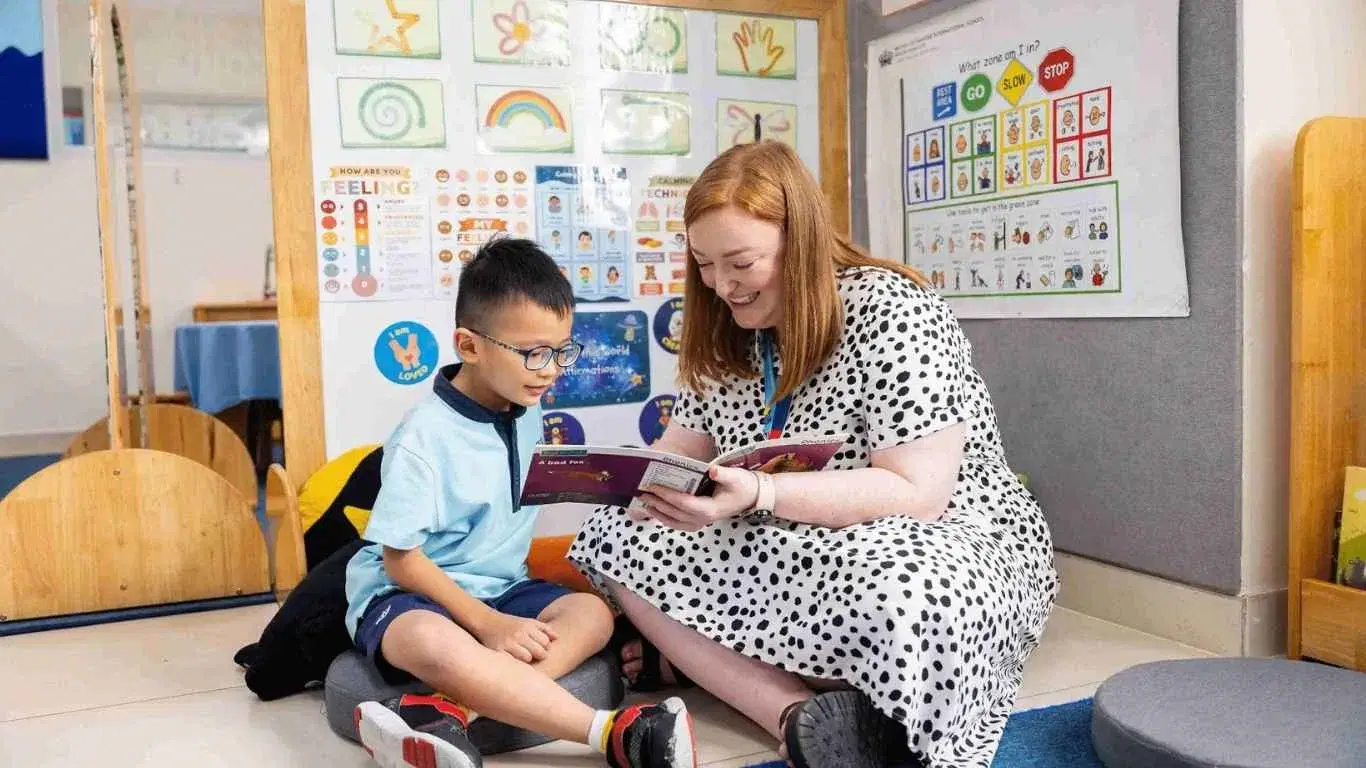
Playtime is one of the most important parts of childhood. For children, playing is not simply a way to pass the time or stay entertained. It is an opportunity to explore the world, develop new skills, express emotions, build relationships, and understand everyday experiences. Through different types of play, children naturally learn things that support their physical, emotional, social, and intellectual development.
Explore AltFTool for useful educational tools, learning resources, and free online utilities that make everyday learning activities easier and more engaging.
Parents and caregivers sometimes think learning mainly happens through books, worksheets, classroom activities, and structured lessons. However, children also learn when they build blocks, solve puzzles, play pretend games, draw pictures, participate in outdoor activities, or interact with other children. These experiences encourage curiosity and help children understand concepts in a way that feels enjoyable and natural.
Meaningful playtime does not require expensive toys, complicated activities, or a strict daily schedule. Simple household objects, creative games, outdoor exploration, storytelling, and family activities can provide valuable learning opportunities. The most important thing is to create an environment where children feel comfortable exploring, making mistakes, asking questions, and discovering new possibilities.
Understanding how playtime supports childhood development can help parents make everyday activities more purposeful without taking away the fun that makes play special.
Understanding the Connection Between Play and Learning
Play and learning are closely connected because children often understand new ideas through direct experiences. Instead of only listening to instructions, they can touch, observe, experiment, and discover how things work.
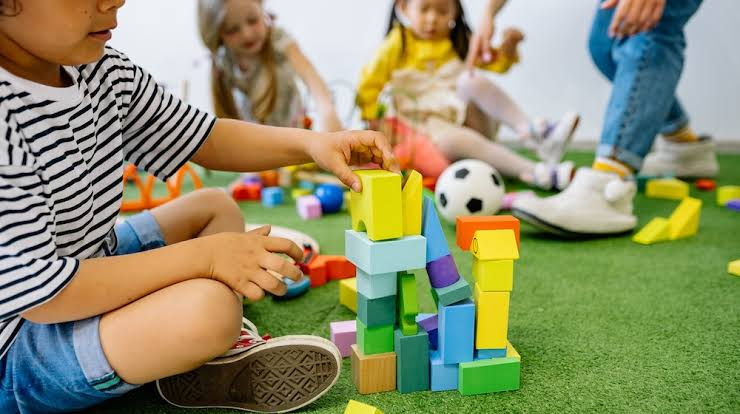
For example, when a child builds a tower using blocks, they are learning about balance, shapes, sizes, and basic problem-solving. When they play with toy animals, they may develop storytelling abilities, imagination, and an understanding of different living creatures.
These experiences allow children to connect new information with things they already know. They also encourage independent thinking because children make small decisions throughout the activity.
Play-based learning can support several important areas of development:
Cognitive development through thinking, remembering, and problem-solving.
Physical development through movement, coordination, and balance.
Language development through conversations, storytelling, and communication.
Social development through sharing, cooperation, and teamwork.
Emotional development through self-expression, confidence, and understanding feelings.
Creative development through imagination, experimentation, and artistic activities.
The value of play is not limited to one particular activity. Different experiences support different skills, which is why a balanced variety of play opportunities can make childhood learning more meaningful.
Encourage Learning Through Everyday Play Activities
Some of the most effective learning experiences can happen during ordinary daily activities. Parents do not always need to plan special educational sessions. Small opportunities throughout the day can help children develop useful skills.
Cooking together, sorting household objects, watering plants, arranging toys, and identifying colours around the home can become simple learning activities.
For instance, parents can ask children to count vegetables while preparing food or identify different shapes while arranging building blocks. These small tasks introduce basic concepts through familiar experiences.
The important thing is to make activities enjoyable rather than turning every moment into a lesson. Children should have enough freedom to explore and participate according to their interests and abilities.
Examples of Everyday Learning Through Play
Everyday Activity | Learning Opportunity | Skills Developed | Parent's Role |
|---|---|---|---|
Sorting toys | Identifying colours and sizes | Classification and observation | Encourage grouping |
Preparing simple food | Counting and measuring | Early mathematics | Provide safe guidance |
Watering plants | Understanding plant growth | Responsibility and curiosity | Explain basic changes |
Building with blocks | Exploring shapes and balance | Problem-solving | Ask simple questions |
Organising books | Recognising pictures and categories | Memory and organisation | Encourage participation |
These activities help children understand that learning is connected to everyday life. They also provide opportunities for parents to spend quality time with their children.
Develop Creativity Through Imaginative Play
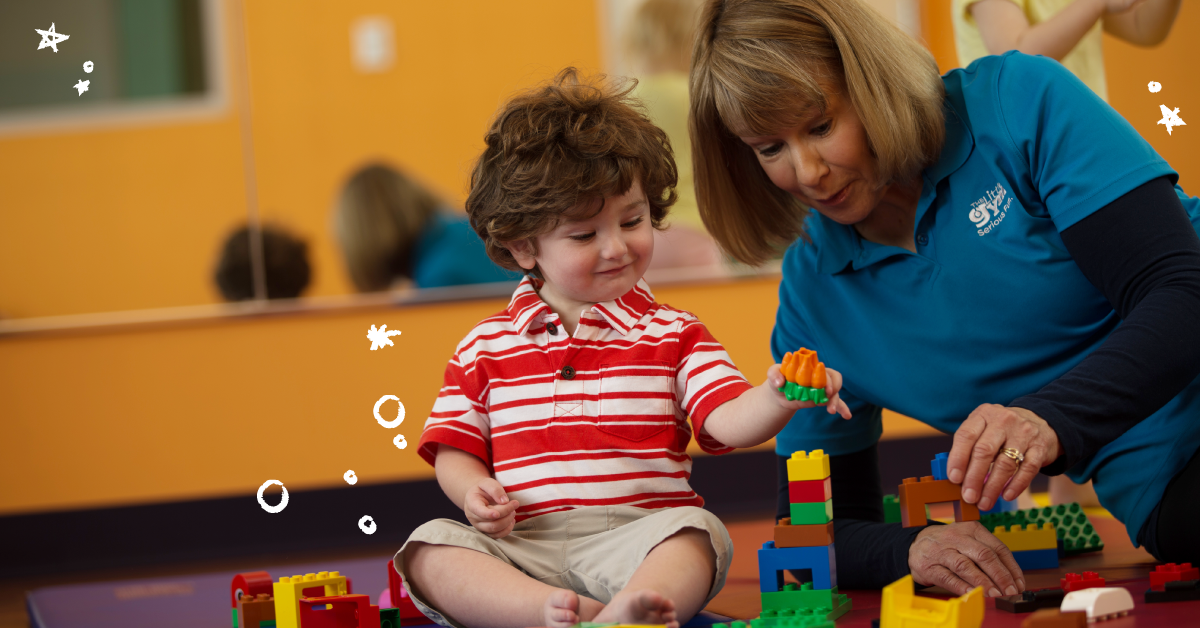
Imaginative play gives children the freedom to create their own stories, characters, situations, and imaginary worlds. It allows them to explore different ideas without worrying about whether there is one correct answer.
Children may pretend to be teachers, doctors, shopkeepers, chefs, astronauts, or superheroes. They might use cushions to create a pretend house or turn cardboard boxes into vehicles. Such activities encourage them to think creatively and develop their own explanations of the world.
Imaginative play also supports language development. When children create stories, explain their ideas, or speak as different characters, they practise using new words and forming sentences.
Another important benefit is emotional expression. Sometimes children use pretend situations to communicate feelings or experiences they may not yet know how to explain directly.
Parents can support imaginative play by providing simple materials such as:
Building blocks and construction toys.
Dolls, toy animals, and action figures.
Dress-up clothes and safe accessories.
Paper, crayons, and craft materials.
Empty cardboard boxes and reusable household objects.
Toy kitchens, pretend food, and play shops.
Instead of controlling the entire activity, parents can allow children to decide what they want to create. Asking questions such as "What happens next in your story?" or "How will you build that?" can encourage further imagination.
Make Outdoor Play a Regular Part of Childhood
Outdoor play gives children opportunities to explore their surroundings, experience nature, and develop physical abilities. Running, jumping, climbing, cycling, playing ball games, and exploring gardens can help strengthen muscles and improve coordination.
Outdoor environments also introduce children to experiences that may be difficult to recreate indoors. They can observe insects, notice different leaves, listen to birds, watch clouds, and discover how weather changes throughout the day.
These experiences naturally encourage scientific curiosity. A child who notices that some leaves are larger than others may begin asking questions about plants. Similarly, watching rainwater collect in a small puddle can introduce basic ideas about water and the environment.
Outdoor Activities and Their Developmental Benefits
Outdoor Activity | Learning Experience | Developmental Benefit | Suggested Approach |
|---|---|---|---|
Nature walks | Observing plants and insects | Curiosity and awareness | Identify natural objects |
Ball games | Understanding movement and direction | Coordination and teamwork | Play simple passing games |
Gardening | Learning about seeds and growth | Responsibility and patience | Water plants together |
Cycling | Practising balance and movement | Physical development | Use age-appropriate equipment |
Treasure hunts | Following clues and finding objects | Observation and thinking | Create simple challenges |
Outdoor activities should always match a child's age and abilities. Parents should provide suitable supervision, safe equipment, and protection from environmental risks such as excessive heat, traffic, and unsafe play areas.
Use Building Games to Strengthen Problem-Solving Skills

Building and construction activities can turn ordinary playtime into valuable opportunities for developing logical thinking.
When children use blocks, magnetic tiles, or age-appropriate construction sets, they experiment with different shapes, structures, and arrangements. They may discover that a wide base helps a tower remain stable or that certain pieces fit together more effectively than others.
These experiences encourage children to observe problems and find solutions independently.
For example, if a tower falls, a child may try changing the arrangement, using larger blocks at the bottom, or reducing the height. Each attempt helps them understand the relationship between actions and results.
Parents can make these activities more meaningful by introducing small challenges:
Build the tallest tower possible.
Create a bridge that can hold a toy car.
Make a house using different shapes.
Construct an imaginary playground.
Build something using only a limited number of blocks.
The purpose is not to create perfect structures. It is to encourage experimentation, patience, and independent thinking.
Introduce Puzzles and Games for Cognitive Development
Puzzles and simple thinking games can help children practise memory, concentration, pattern recognition, and problem-solving. They also teach children that some challenges require time and repeated attempts.
Different games offer different learning experiences. Matching games help children recognise similarities, while jigsaw puzzles encourage them to understand how smaller pieces form a complete picture.
Memory games can strengthen attention, and age-appropriate board games can introduce counting, turn-taking, and decision-making.
Parents should select games based on the child's developmental stage. A puzzle that is too difficult may create frustration, while an activity that is too simple may not provide enough challenge.
What changed
Types of Games and the Skills They Encourage
Game Type | Main Learning Focus | Skills Practised | Suitable Learning Goal |
|---|---|---|---|
Jigsaw puzzles | Visual recognition | Patience and observation | Completing a picture |
Memory cards | Remembering information | Concentration and recall | Matching identical cards |
Matching games | Identifying similarities | Classification and attention | Grouping related objects |
Simple board games | Following rules | Counting and turn-taking | Playing cooperatively |
Shape games | Recognising patterns | Spatial awareness | Identifying different shapes |
Parents can participate by playing alongside children, offering encouragement, and allowing them to make their own decisions.
Support Language Development Through Storytelling
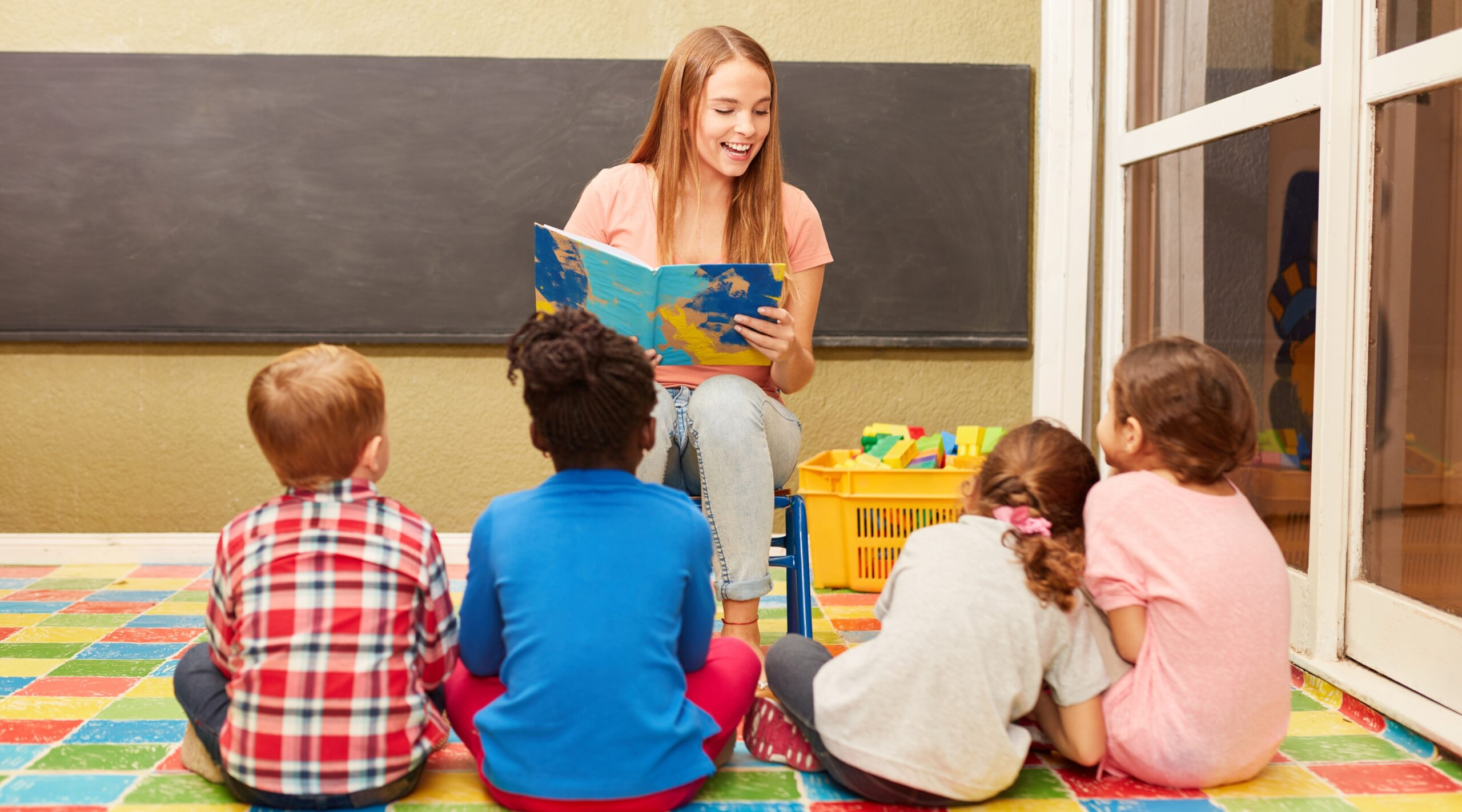
Storytelling is a simple and enjoyable way to improve communication skills. When children listen to stories, they become familiar with new vocabulary, sentence structures, characters, and different ways of expressing ideas.
Reading picture books together can encourage children to describe what they see, predict what might happen next, and explain how a character feels.
Parents can also create stories without using books. For example, they can begin with a simple sentence about a lost puppy and ask the child to decide what happens next. This turns storytelling into an interactive activity.
Children can develop communication skills through:
Listening to short stories.
Describing pictures and objects.
Making up imaginary characters.
Singing simple songs and rhymes.
Playing pretend conversations.
Explaining the rules of a favourite game.
It is helpful to give children enough time to speak without interrupting or correcting every mistake. Encouragement creates a comfortable environment where they feel confident expressing their thoughts.
Make Art and Craft Activities Part of Playtime
Art and craft activities give children opportunities to express themselves through colours, shapes, textures, and different materials. Drawing, painting, colouring, paper folding, and simple crafts can support creativity and fine motor development.
Fine motor skills involve the small movements of the hands and fingers. These movements are important for everyday activities such as holding a pencil, turning pages, using utensils, and fastening buttons.
Art activities also encourage decision-making. Children choose colours, select materials, create patterns, and decide how they want their finished work to look.
Parents can provide simple materials such as paper, washable colours, crayons, child-safe scissors, glue sticks, and reusable cardboard.
The goal should be creative exploration rather than producing perfect artwork. Children should feel free to experiment, combine colours, and create something unique.
Teach Social Skills Through Group Play
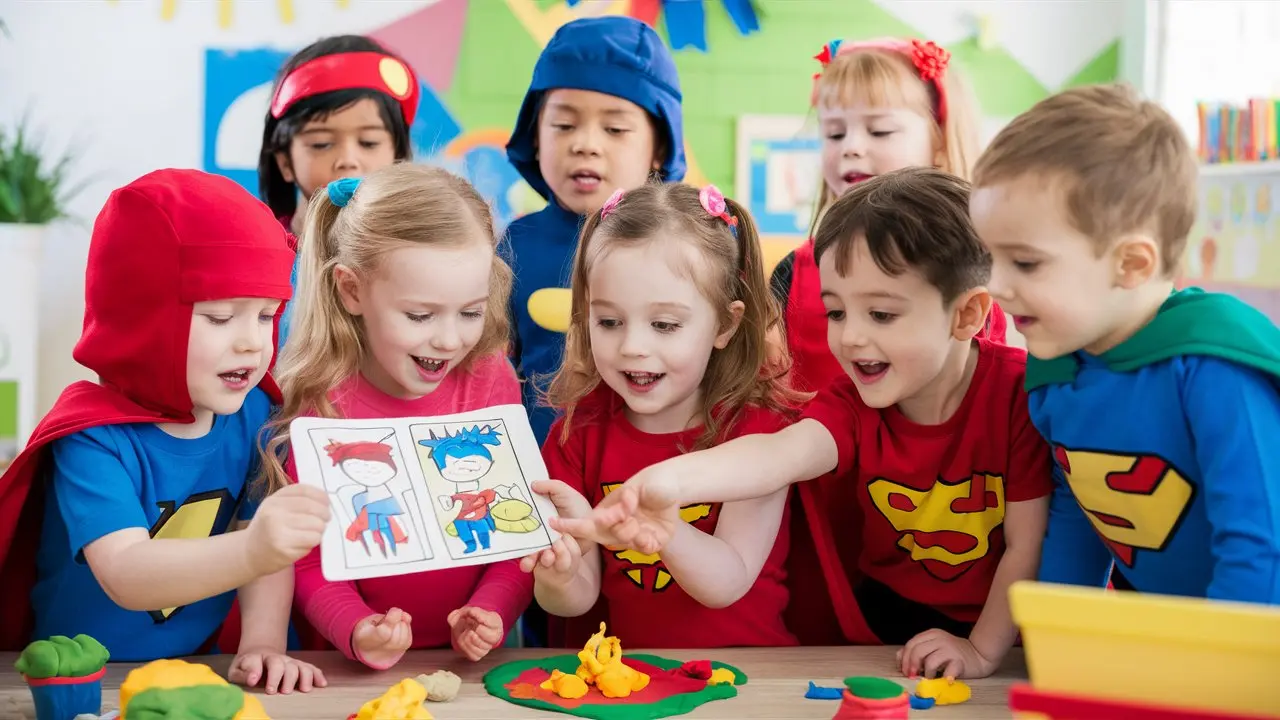
Playing with siblings, friends, and other children gives young learners opportunities to understand social interactions. Group activities help them practise sharing, communication, cooperation, and respecting different opinions.
For example, when children build something together, they need to discuss ideas, divide tasks, and decide how to complete the activity. When playing a board game, they learn to wait for their turn and follow shared rules.
Sometimes disagreements may happen. One child may want to use a particular toy, while another may prefer a different activity. These situations can become opportunities to practise communication and conflict resolution with appropriate adult guidance.
Parents can encourage positive social behaviour by introducing cooperative games, group storytelling, team challenges, and activities that require children to work together.
It is equally important to recognise that children may need time to become comfortable in group settings. Some children enjoy social play immediately, while others prefer observing before participating.
Combine Learning With Music, Rhythm, and Movement
Music and movement can make playtime more engaging while supporting different developmental skills. Singing, dancing, clapping, and playing simple rhythm games encourage children to listen carefully and coordinate their movements.
Songs that include counting, colours, animals, or everyday activities can introduce new vocabulary and basic concepts.
Movement-based games also help children understand instructions and respond to different sounds. For example, parents can play a game where children jump when they hear a particular word or clap according to a simple rhythm.
Musical activities may include:
Singing nursery rhymes together.
Dancing to age-appropriate music.
Clapping hands to different rhythms.
Creating simple instruments using safe household materials.
Playing freeze dance.
Making up songs about daily routines.
These activities combine entertainment with learning and allow children to express themselves through movement.
Balance Structured Activities With Free Play
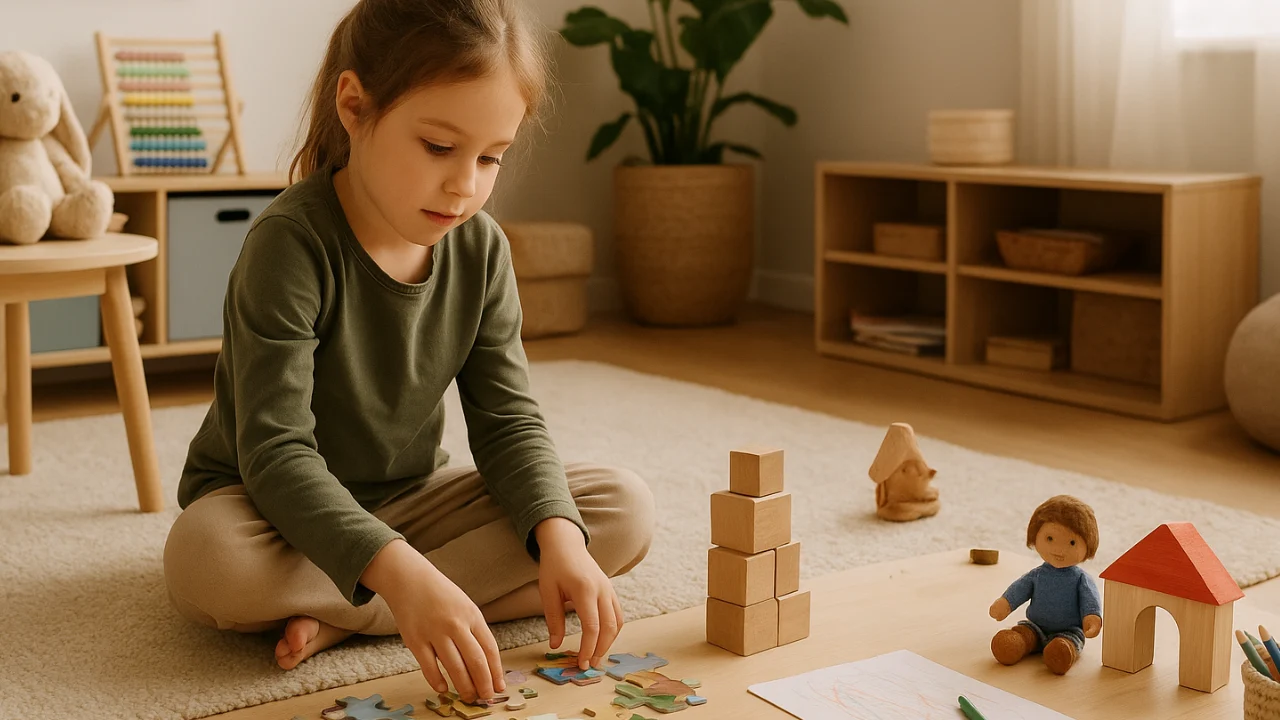
Both structured activities and free play have an important place in childhood development. Structured play involves activities with a clear purpose or simple rules, while free play allows children to decide what they want to do.
For example, completing a puzzle with a parent is a structured activity. Playing freely with blocks and creating an imaginary city is an example of free play.
A healthy balance helps children develop different abilities. Structured activities introduce specific challenges, while free play encourages independence, creativity, and decision-making.
Parents should avoid filling every part of the day with organised lessons or activities. Children also need time to relax, explore their interests, and enjoy play without constant instructions.
Structured Play vs Free Play
Comparison Point | Structured Play | Free Play |
|---|---|---|
Activity Direction | Usually guided by an adult or rules | Led by the child |
Main Purpose | Practising specific skills | Exploring personal interests |
Examples | Puzzles, guided crafts, board games | Pretend games, block building, imaginative play |
Key Benefits | Focus, following instructions, and learning concepts | Creativity, independence, and decision-making |
Neither type of play needs to replace the other. Offering both gives children a wider range of experiences.
Choose Age-Appropriate Toys and Learning Materials
Toys can support meaningful play when they match a child's interests, abilities, and developmental stage. However, expensive toys are not necessary for creating valuable learning experiences.
Simple materials can often provide more opportunities for creativity than toys that perform every action automatically.
For younger children, safe sensory toys, stacking cups, soft blocks, and colourful objects may encourage exploration. Older children may enjoy puzzles, construction sets, board games, art materials, and pretend-play accessories.
When choosing toys, parents should consider:
Age recommendations and safety information.
Whether the toy encourages active participation.
Opportunities for creativity and problem-solving.
Durability and ease of cleaning.
The child's interests and developmental abilities.
Whether small parts or other hazards are present.
Parents should also remember that children do not need a large collection of toys. Rotating available toys and introducing new ways to use familiar materials can keep playtime interesting.
Make Screen-Based Play More Meaningful
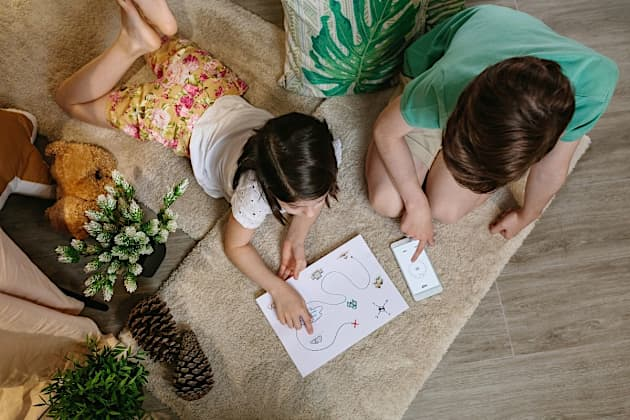
Digital devices are now part of many children's daily environments. Educational games, interactive stories, drawing applications, and age-appropriate videos may provide certain learning opportunities when selected carefully.
However, screen-based activities should not replace physical movement, outdoor exploration, face-to-face communication, sleep, or creative play.
Parents can make digital play more meaningful by choosing age-appropriate content and participating in the experience. For example, after watching an educational video about animals, they can encourage children to draw their favourite animal or discuss what they learned.
Some useful practices include:
Select content appropriate for the child's age.
Prefer activities that encourage creativity and participation.
Avoid unrestricted access to devices.
Follow age-appropriate screen-time guidance.
Keep devices away during meals and bedtime routines.
Balance digital experiences with offline activities.
Discuss what children watch or play.
The aim is to develop healthy digital habits while ensuring children have plenty of opportunities to learn through real-world experiences.
Create a Simple Playtime Routine at Home
A flexible playtime routine can help parents include different learning experiences throughout the week. It does not need to follow a strict timetable. Instead, it can provide a general structure that balances creative activities, physical movement, family interaction, and independent play.
For example, a child might spend some time drawing in the morning, play outdoors later in the day, and enjoy storytelling with a parent before bedtime.
A variety of activities can prevent playtime from becoming repetitive and give children opportunities to explore different interests.
Example of a Balanced Weekly Playtime Plan
Day | Suggested Activity | Learning Focus | Developmental Benefit |
|---|---|---|---|
Monday | Building block challenge | Shapes and balance | Problem-solving |
Tuesday | Storytelling and picture books | Vocabulary and imagination | Language development |
Wednesday | Outdoor nature exploration | Plants and observation | Curiosity |
Thursday | Drawing and paper crafts | Colours and patterns | Fine motor skills |
Friday | Board games and puzzles | Memory and rules | Cognitive development |
Saturday | Music and movement games | Rhythm and listening | Coordination |
Sunday | Pretend-play activities | Communication and creativity | Social and emotional development |
This schedule is only an example. Parents can adjust activities according to the child's age, energy level, interests, and family routine.
Encourage Independence Instead of Controlling Every Activity
Children develop confidence when they are given opportunities to make choices and complete simple tasks independently. During playtime, parents can support this by allowing children to select activities, choose materials, and decide how to approach small challenges.
For example, instead of showing a child exactly how to build a tower, a parent can ask what they would like to create and let them experiment.
When something does not work, children should be encouraged to try another approach. This helps them understand that mistakes are part of learning.
How to use this guide
Start with the outcome. Decide what you need from meaningful playtime for children's learning and growth.
Check the important details. Review the examples, warnings, and linked resources.
Take action. Apply the best option and save the result for later use.
FAQ's
Parents can introduce age-appropriate activities, ask open-ended questions, encourage creativity, and allow children to explore independently without turning every activity into a formal lesson.
Both are important. Outdoor play supports physical activity and nature exploration, while indoor play encourages creativity, imagination, problem-solving, and communication. A healthy balance offers varied learning opportunities.
Playtime needs vary according to a child's age, interests, and routine. Children benefit from regular opportunities for active, creative, social, and independent play throughout the day.
Building blocks, puzzles, storytelling, drawing, outdoor games, pretend play, music, gardening, and simple household activities can provide valuable learning experiences.
Playtime helps children develop cognitive, physical, social, emotional, and communication skills. It also encourages creativity, curiosity, confidence, and independent thinking.
Sources and notes
Links the author listed for this post.
This article is based on general early childhood education principles, child development research, and widely recognised play-based learning practices. It provides practical ideas for parents and caregivers to support children's learning, creativity, social interaction, and overall development through everyday play activities.
More on AltFTool
- AltFTool (opens in a new tab)
altftool.com

Discussion
0 comments