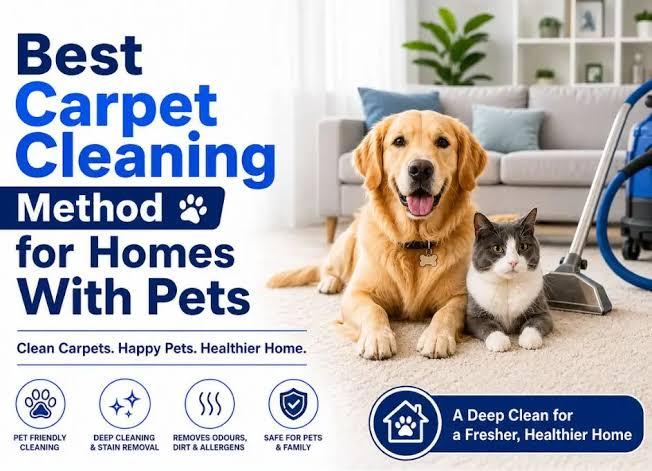
A friend of mine, Rhea, is the kind of pet parent who reads every label. She switched to "natural" floor cleaner the day she adopted her cat, Mochi. Then one afternoon she noticed Mochi sneezing and avoiding the living room. The cleaner turned out to be full of tea tree and citrus oils. It smelled lovely, it said "plant-based" on the bottle, and it was exactly the kind of product that can be a problem for cats.
That's the thing about pet-friendly cleaning. Most of us are trying hard, yet small gaps sneak in, and they usually hide behind words like "natural" or "gentle." Let's look at what your routine might be missing and how to fix it without turning your home into a science lab.
This article is only for general information, so please don't take it as veterinary advice. If your pet seems unwell after contact with a cleaning product, call your vet right away.
Gap One: Trusting the Word "Natural"

"Natural" and "plant-based" sound safe, but they aren't official safety guarantees. Many natural cleaners get their scent and cleaning power from essential oils, and several of those oils can be harmful to pets.
Cats are especially sensitive, because their bodies are poor at breaking down certain compounds found in oils like tea tree, peppermint, eucalyptus and citrus. Dogs tolerate some oils better, but not all, and pine, citrus and ylang-ylang are often listed as ones to avoid. Pets can be affected by breathing the fumes, licking surfaces or absorbing oils through the skin.
Read the full ingredient list, not just the front label
Be careful with diffusers, scented candles and sprays
Avoid applying any essential oil directly to your pet
When in doubt, choose fragrance-free products
A fragrance-free cleaner may not smell like a spa, but your pet's nose is far more sensitive than yours, and strong scents can be unpleasant for them even when they aren't toxic.
Gap Two: Forgetting That Paws Touch the Floor

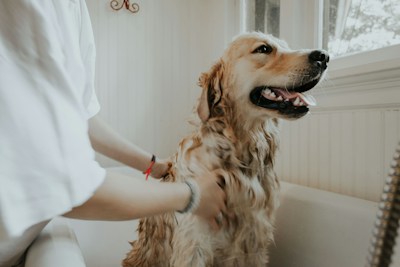


Pets walk on floors all day, then lick their paws. So whatever you use on the floor can end up in their mouths. This is why floor cleaners matter more than almost any other product in your home.
Ammonia, bleach and phenols are common in heavy-duty floor and all-purpose cleaners, and they can irritate the skin, nose and stomach. Even milder cleaners can leave a sticky film behind, which paws pick up. Choose a pH-neutral cleaner that rinses clean, and consider wiping the floor again with plain water to remove residue.
Let it dry before pets return
Keep pets in another room while you mop, and let the floor dry completely before they walk on it. This one small habit protects their paws and noses from wet product.
Think about the bare-paw areas
Don't forget kitchen floors, bathroom tiles and balconies. These are often cleaned with the strongest products, and they're places pets love to explore.
Product Type | Common Risky Ingredients | Safer Direction |
|---|---|---|
Floor cleaner | Ammonia, bleach, phenols | pH-neutral, fragrance-free formula |
Glass cleaner | Ammonia, glycol ethers | Diluted white vinegar or pet-safe glass spray |
Toilet and drain cleaner | Bleach, strong acids or bases | Keep pets out and the lid closed |
Air freshener | Essential oils, aerosols | Open windows or use baking soda |
Disinfectant spray | Phenols, quaternary compounds | Pet-safe disinfectant used as directed |
Gap Three: Mixing Products by Accident
Many cleaning accidents happen when two products meet. Bleach mixed with ammonia, which is found in many glass and floor cleaners, creates a toxic gas that is dangerous to people and pets alike. It can happen quickly, for example when you pour a product into a bucket that still has traces of another.
Keep it simple: use one product at a time, rinse buckets and sprayers well, and never combine cleaners unless the label tells you to. If you ever notice a sharp smell and watering eyes, leave the area, open windows and get everyone, including your pets, into fresh air.
Quick card: The One-Product Rule
Use only one cleaning product per task, and rinse your tools between uses. It's the easiest way to avoid accidental chemical mixes.
Gap Four: Ventilation and Timing
You can choose a gentle product and still cause trouble if the room is closed up. Fumes build up quickly, and small animals feel them more. Birds are particularly sensitive to fumes from aerosols and some non-stick cookware coatings, so a home with a bird needs extra care.
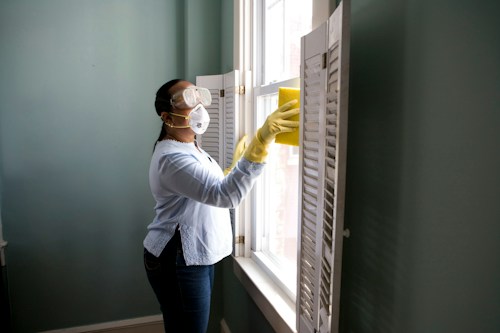
Open windows while you clean, turn on a fan and keep pets in a separate, well-aired room until the smell has gone. Clean in short bursts instead of doing every room at once with strong products. And try to avoid aerosol sprays, because the tiny droplets hang in the air and are easy to breathe in.
Open a window before you start
Move pets to another room during and after cleaning
Wait until surfaces are dry before letting them back in
Skip aerosol sprays where you can
Gap Five: The Items Pets Actually Use
Many people clean their floors thoroughly but forget the things pets touch most. Food bowls, water dishes, beds, toys and litter boxes collect bacteria and smells, and they're also where chemicals matter most because pets put their mouths on them.
Wash food and water bowls daily with warm water and mild dish soap, and rinse them well. Wash pet bedding every week or two in a fragrance-free detergent, and skip fabric softeners, which can leave residue that irritates skin. Toys can usually be washed with gentle soap, and many soft ones can go in the washing machine. For litter boxes, scoop daily and wash the box with mild soap, avoiding strong-smelling disinfectants, since cats may dislike the scent and avoid the box.
Pet Item | How Often to Clean | Gentle Method |
|---|---|---|
Food and water bowls | Every day | Warm water and mild dish soap, rinsed well |
Bedding and blankets | Every 1 to 2 weeks | Fragrance-free detergent, no fabric softener |
Toys | Every week or two | Mild soap, rinse and dry fully |
Litter box | Scoop daily, wash weekly | Mild soap, no strong disinfectants |
Crates and carriers | Every few weeks | Pet-safe cleaner, then air dry |
Gap Six: Using the Wrong Cleaner for Pet Accidents
Accidents happen, and the way you clean them matters. If any odour stays behind, pets are often drawn back to the same spot. Many people grab a strong-smelling household cleaner, but those can both fail to remove the smell and irritate your pet.
Enzyme-based cleaners are often recommended for urine, vomit and other organic stains, because they break down the source of the odour instead of covering it up. Blot the area first, apply the cleaner as directed and let it sit before wiping. Avoid ammonia-based products on urine spots, since the smell of ammonia can actually attract pets to mark the area again.
Gap Seven: Smells You Think Are Fresh

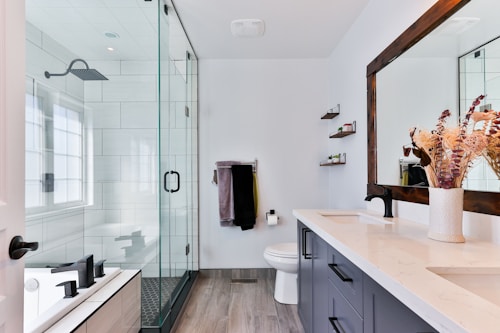

Air fresheners, plug-ins, scented candles and wax melts can all add chemicals and fragrance to the air your pet breathes all day. Even if the product isn't strictly toxic, a constant perfume can irritate sensitive noses and lungs, especially in small or closed rooms.
A healthier approach to odour is to remove the source. Wash bedding, vacuum regularly, clean up accidents quickly and open windows. A bowl of baking soda in a corner or sprinkled on a carpet before vacuuming can absorb smells without adding fragrance.
Gap Eight: Cats and Dogs Aren't the Same
A product that's tolerable for a dog may be risky for a cat. Cats are more sensitive to phenols, which are found in some pine-scented and "sol" type disinfectants, and to many essential oils. Some insecticide-type ingredients, like permethrin, are especially dangerous for cats too.
Dogs have their own risks. For example, some products and foods contain xylitol, a sweetener that's toxic to dogs. If you have more than one kind of pet, always choose the safest option for the most sensitive one in the home, and keep birds, rabbits and small animals away from fumes.
Gap Nine: Storage and Leftover Spills
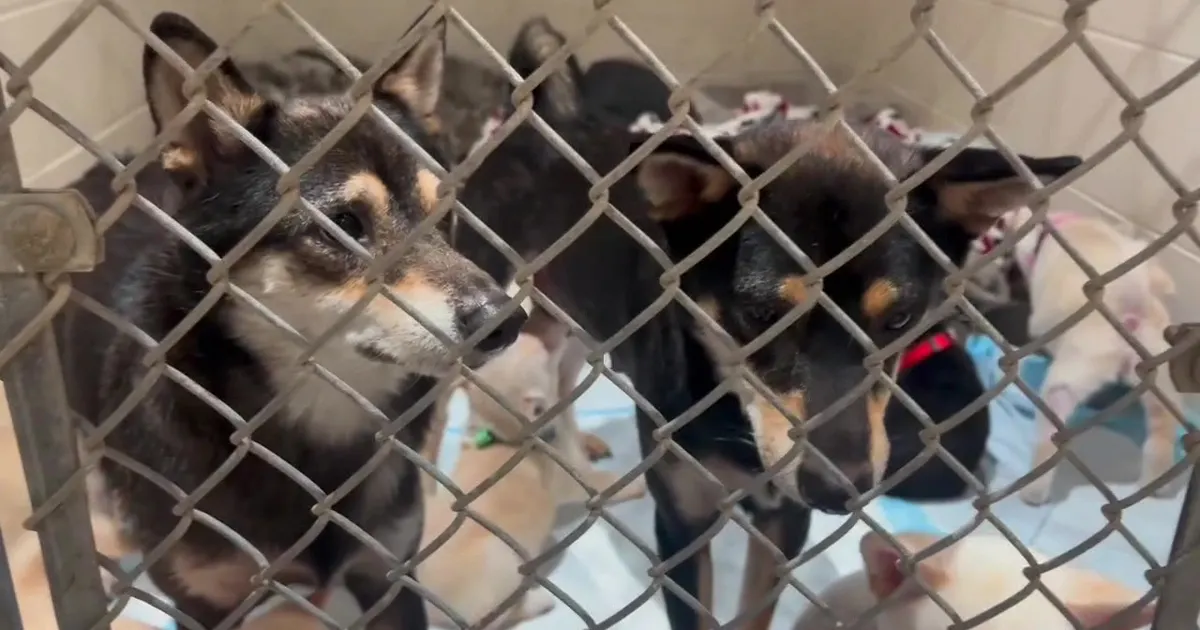
Even the safest routine can fail if a bottle is left within reach. Curious pets can chew on containers, lick spills or climb into cabinets. Store all cleaning products in closed, high or latched cupboards, and keep the lids tight. Wipe up spills immediately, and don't leave buckets of cleaning water on the floor.
It's also smart to keep the product label or packaging for a day or two after cleaning. If your pet shows signs of trouble, like drooling, vomiting, coughing, tremors or unusual tiredness, call your vet right away and tell them exactly what product was used.
Safer Alternatives That Actually Work
You don't need a huge shopping list to keep your home clean and pet-friendly. A few simple, inexpensive items handle most jobs.
White vinegar, diluted with water: useful for glass and some hard surfaces, but avoid it on natural stone
Baking soda: good for absorbing smells and light scrubbing
Mild, fragrance-free dish soap: handles bowls, toys and light cleaning
Enzyme cleaners: best for urine and organic stains
Plain hot water and a microfibre cloth: often cleans more than people expect
For disinfecting, look for products that clearly say they're safe for pets, and follow the label for contact time and rinsing. If you're unsure about a product, ask your vet, who can recommend options for your pet's species and health.
A Simple Weekly Routine
Here's an easy routine that avoids most of the gaps above.
Daily: wash bowls, scoop the litter box and wipe up any spills
Twice a week: vacuum or sweep to remove hair and dust
Weekly: mop floors with a gentle, rinse-clean product, with pets out of the room
Every 1 to 2 weeks: wash bedding and soft toys
Monthly: check cleaning cupboards, labels and storage
Final Thoughts
A pet-friendly home isn't about buying the most expensive "safe" products. It's about noticing the quiet gaps: the "natural" oils, the residue on floors, the fumes in a closed room and the products stored within reach. Fix those, and your routine becomes both cleaner and safer.
Rhea swapped her floor cleaner for a fragrance-free one, started airing the room and kept Mochi out until the floor dried. Within a few days, the sneezing stopped and Mochi went back to napping on her favourite rug. It wasn't a dramatic change, just a handful of small ones, and that's usually how a safer home gets built.
FAQ's
It helps maintain a hygienic home while reducing pets’ exposure to potentially harmful cleaning products.
Choose products labelled for pet-friendly use and follow all safety instructions.
Wash pet bedding regularly, ideally once a week or whenever it becomes dirty.
Use a pet-hair vacuum, lint roller, or microfiber cloth on furniture and floors.
Some cleaners can irritate pets or cause harm if swallowed. Store them securely and keep pets away from wet, freshly cleaned surfaces.
Sources and notes
Links the author listed for this post.
This article highlights common gaps in everyday pet-friendly cleaning routines and shares practical tips for maintaining a clean and comfortable home for pets and people.


Discussion
0 comments