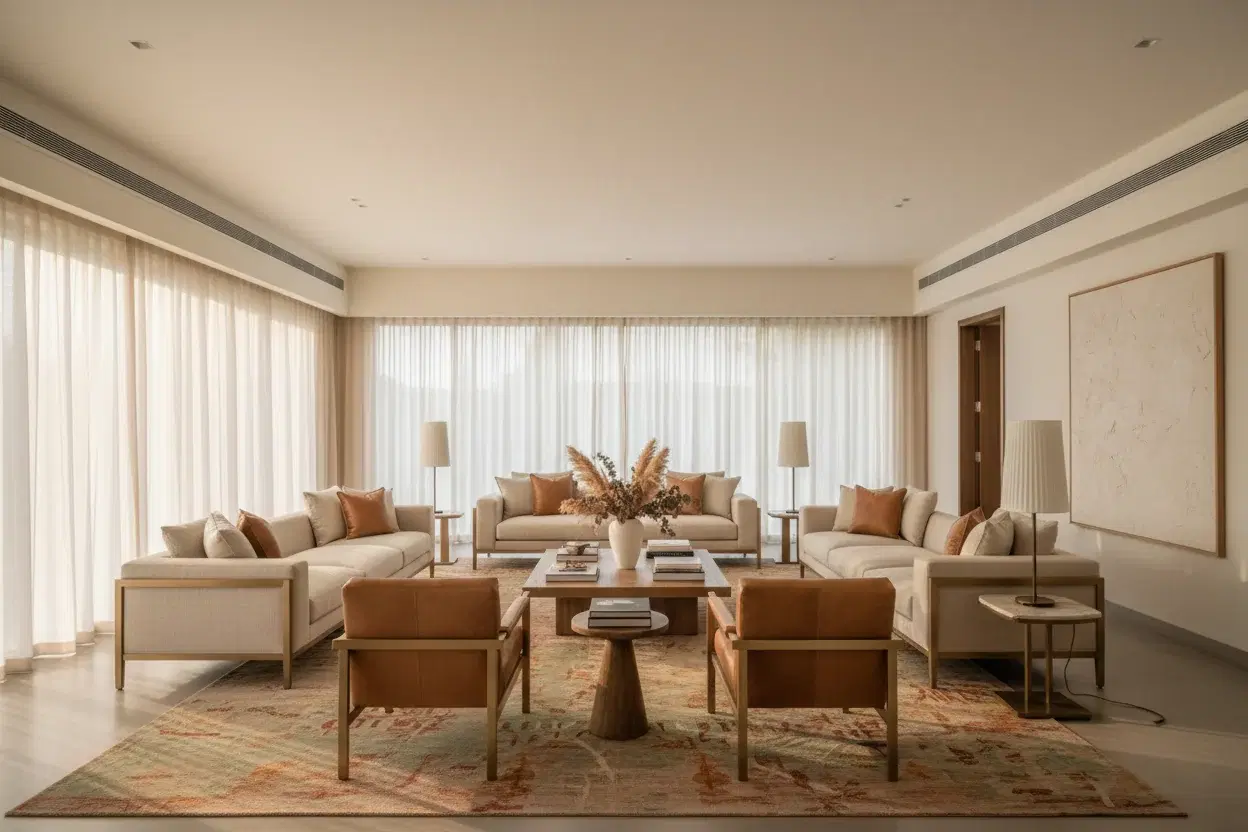
Think back ten or fifteen years ago. When people bought things like bedsheets, bath towels, frying pans, or laundry baskets, they rarely put much thought into them. You went to the store, grabbed whatever was affordable and did the job, and went home. Luxury, on the other hand, was reserved for big-ticket showstoppers: Italian leather sofas, crystal chandeliers, imported marble countertops, or sprawling living rooms meant to impress guests.
Fast forward to today, and that mindset has flipped completely.
We are living in an era where everyday household essentials have quietly stepped into the spotlight of luxury living. A crisp set of organic linen sheets, a heavy-bottomed stainless steel skillet, a whisper-quiet coffee grinder, or even a sleek, matching set of pantry jars can now spark the same kind of joy and pride that designer furniture used to.
Why is this happening? Because our relationship with our homes has changed. We no longer treat our houses merely as places to crash after work or cook a quick dinner. Our homes are our offices, our gyms, our restaurants, and our sanctuaries. When you spend more time inside your four walls, you start noticing the little things. You realize that true luxury isn’t about showing off wealth to visitors—it’s about how good your daily life feels when nobody else is watching.
Redefining What "Luxury" Actually Means at Home
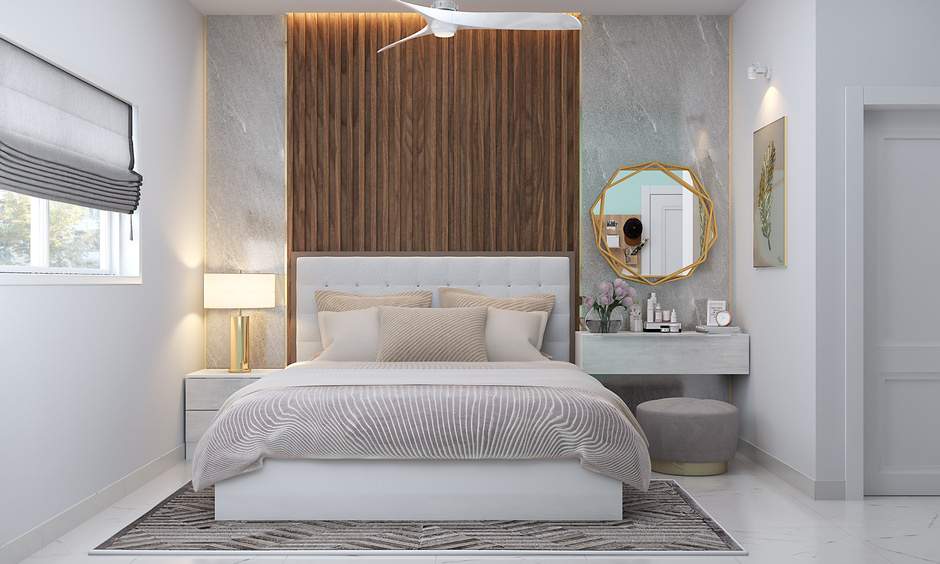
For decades, traditional luxury was all about status and aesthetics. If something looked expensive, rare, or grand, it was considered luxurious—even if it wasn't particularly comfortable or practical. Think of those formal sitting rooms in older homes where nobody was actually allowed to sit on the couch.
Modern luxury is the exact opposite. It is deeply personal, sensory, and rooted in everyday comfort. Today, people define luxury through experience and ease.
Consider the difference between drying off after a hot shower with a thin, scratchy towel versus wrapping yourself in a thick, plush, zero-twist cotton bath sheet. Neither item is a status symbol you can brag about at a dinner party, yet one turns a mundane daily routine into a mini spa moment. The same goes for coming home after an exhausting day and slipping into a bed with breathable, temperature-regulating sheets and a pillow that actually supports your neck.
Modern luxury is practical. It asks a simple question: Does this make my everyday life smoother, calmer, and more enjoyable? If the answer is yes, that humble household item earns its place as a luxury must-have.
Why Are People Investing More in Basic Home Goods?
This shift didn't happen overnight. Several cultural and lifestyle changes have pushed everyday essentials into the premium category:
We Spend More Time at Home: With remote and hybrid work becoming normal for millions of people, our living spaces work harder than ever. When your kitchen is also your midday breakroom and your bedroom is your main refuge from screen fatigue, upgrading your immediate surroundings stops feeling like an indulgence and starts feeling like self-care.
The Influence of Social Media: Platforms like Instagram, Pinterest, TikTok, and YouTube have completely changed how we look at ordinary spaces. Millions of people watch "restock my fridge," "Sunday reset," and "cozy bedroom makeover" videos every single day. Seeing how an organized spice drawer or warm bedside lighting can transform the mood of a room inspires people to upgrade their own daily tools.
Fatigue with "Disposable" Shopping: Many shoppers are tired of buying cheap products that break, fade, or warp within six months. Instead of buying three cheap non-stick pans over three years, people are realizing it makes much more financial and practical sense to buy one great stainless steel or cast-iron pan that lasts twenty years.
Wellness Starts at Home: Health and wellness used to be associated only with gym memberships and green smoothies. Now, people understand that sleep quality, indoor air quality, natural lighting, and stress-free routines are massive pillars of good health. Investing in your home is essentially investing in your physical and mental well-being.
The Bedroom: Where Everyday Luxury Begins
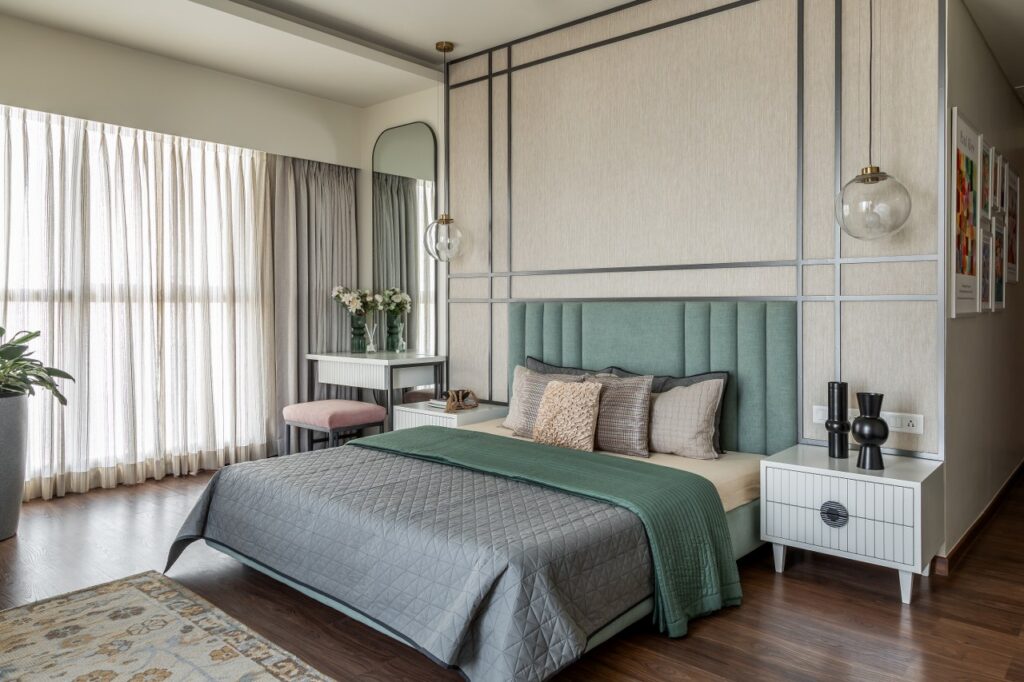
If you want to see how basic essentials have transformed into luxury items, look no further than the bedroom. For years, mattresses and bedding were afterthoughts. Today, the sleep industry is booming because people recognize that you spend roughly a third of your life in bed.
Bedding is no longer just about covering a mattress; it’s about temperature control, skin comfort, and creating a calm visual environment. Shoppers are actively researching thread counts, weave styles, and natural fibers. Materials like 100% long-staple cotton, washed French flax linen, bamboo viscose, and Tencel have become household terms. Brands like Saatva, Brooklinen, and Cozy Earth have built massive followings simply by taking basic sleep essentials and obsessing over softness, breathability, and durability.
A quick reality check on upgrading your bedroom: You don’t need to buy a designer bed frame or hire an interior decorator to make your bedroom feel like a five-star hotel. Honestly, stripping away worn-out, mismatched sheets, investing in two genuinely supportive pillows, and adding a breathable duvet with a crisp linen or cotton cover will change the entire energy of your room overnight. When your bed looks inviting and feels amazing, going to sleep stops being a chore and becomes the best part of your day.
Kitchen Essentials Are Getting a Serious Upgrade
The kitchen has always been the heart of the home, and lately, it has also become the ultimate playground for functional luxury. Cooking at home used to feel like a daily obligation for many people, largely because they were fighting against dull knives, uneven heating pans, and cluttered cabinets.
Today, home cooks are upgrading their daily tools—and enjoying cooking a whole lot more as a result. People are paying closer attention to:
Heirloom-Quality Cookware: Enameled cast iron Dutch ovens, tri-ply stainless steel skillets, and carbon steel woks are replacing flimsy, short-lived pans. They look gorgeous sitting on the stove and cook food evenly.
Countertop Appliances That Spark Joy: A great espresso machine, a high-speed blender, or a sleek electric gooseneck kettle turns ordinary morning habits into little rituals. Making coffee at home feels less like a budget compromise and more like a café experience when you enjoy using the machine.
Aesthetic Organization: Clear glass storage jars, bamboo drawer dividers, uniform spice bottles, and matching oil dispensers don’t just look pretty for photos—they make meal prep faster because you can actually see what you have.
You don’t need a $40,000 kitchen remodel to enjoy cooking. Swapping out a frustrating, dull chef’s knife for a sharp, well-balanced one, or replacing mismatched plastic containers with sturdy glass ones, instantly makes your kitchen feel calmer, cleaner, and far more upscale.
Smart Home Tech: Quiet Convenience Over Flashy Gadgets

Technology has also reshaped what luxury feels like at home, though the trend has matured quite a bit. A few years ago, "smart home" meant clunky apps and gimmicky gadgets. Today, the best smart home essentials work quietly in the background to remove tiny daily annoyances.
Smart Lighting: Systems like Philips Hue or smart dimmer switches let you shift your home from bright, energizing daylight during work hours to warm, golden candlelight tones in the evening. Good lighting completely changes how expensive and cozy a room feels.
Robot Vacuums and Mops: Brands like Roborock and Dyson have turned floor cleaning into a hands-off routine. Waking up to freshly vacuumed floors without lifting a finger is a genuine modern luxury—especially if you have pets or kids.
Smart Thermostats and Air Purifiers: Keeping your home at the exact right temperature while filtering out dust and allergens creates an effortless sense of comfort you feel the moment you walk through the front door.
The golden rule with smart home upgrades is utility over novelty. Don’t buy a smart toaster just because it connects to Wi-Fi. Invest in tech that genuinely buys back your time, lowers your energy bills, or improves your daily comfort.
Personal Decor: Designing for Feeling, Not Just Looks
Home decor has shifted away from rigid rules and showroom perfection. Instead of buying matching furniture sets out of a catalog, people are curating their spaces slowly with pieces that feel warm, personal, and lived-in.
Small, tactile details are doing the heavy lifting in modern interiors:
Layered Lighting: Relying solely on harsh overhead ceiling lights can make even an expensive room feel sterile. Adding a warm ceramic table lamp, a sleek floor lamp, or subtle LED strip lighting creates instant depth and coziness.
Natural Textures: Woven jute rugs, boucle throw pillows, wooden bowls, linen curtains, and indoor plants bring life and softness into a room.
Scent and Sound: Luxury isn't just visual. A subtle reed diffuser, a soy wax candle, or a compact wireless speaker playing soft background music engages your other senses and makes a space feel complete.
The beauty of modern decor is that it encourages individuality. A framed print from a favorite trip, a vintage mirror, or a thriving monstera plant by the window gives your home soul—something money alone can never buy.
Sustainability and the "Buy Less, Buy Better" Mindset
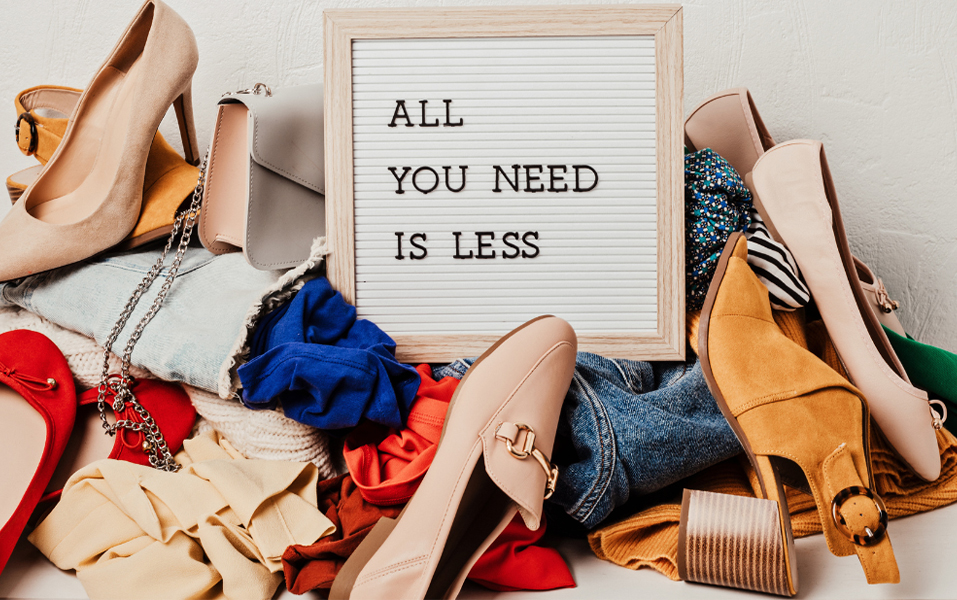
Another major force driving the rise of luxury home essentials is sustainability. Shoppers today are much more aware of where their products come from, what chemicals are used in manufacturing, and how much waste cheap household goods generate.
People are actively looking for nontoxic, responsibly sourced, and durable materials:
OEKO-TEX certified bedding free from harmful dyes
FSC-certified solid wood furniture instead of particleboard that chips in a year
Stainless steel, glass, and silicone kitchenware instead of single-use plastics
Energy-efficient appliances that reduce long-term electricity and water usage
However, it’s worth keeping a sharp eye out for "greenwashing." A high price tag and earthy packaging don’t automatically make a product eco-friendly or well-made. Smart shoppers look past marketing buzzwords and check actual material labels, warranty periods, and honest long-term reviews before hitting "buy."
How to Upgrade Your Home Essentials Without Overspending
Embracing everyday luxury doesn’t mean maxing out your credit card or replacing everything you own this weekend. In fact, the smartest way to build a comfortable, elevated home is to do it slowly and intentionally.
Here is a practical approach to upgrading without blowing your budget:
Follow the "Daily Touch" Rule: Spend your money on the things you physically touch or use every single day. Your mattress, pillows, bedsheets, bath towels, coffee mug, chef's knife, and desk chair deserve a bigger budget than a decorative vase that sits untouched on a high shelf.
Upgrade Room by Room: Trying to overhaul your whole house at once leads to decision fatigue and impulse buys. Start with the bedroom so you sleep better. Next month, tackle the kitchen tools you use most. Then move on to living room lighting and textiles.
Prioritize Function Before Aesthetics: A gorgeous kettle that leaks or a stylish sofa that hurts your back is a bad investment. Always check comfort, build quality, and ease of cleaning first—then pick the most attractive option within those limits.
Watch for Seasonal Sales on Quality Brands: Premium home brands frequently run 20% to 30% discounts during holiday weekends, end-of-season clearances, and annual sales events. Keep a wishlist of items you genuinely need and wait for the right price.
Maintain What You Own: Part of living with nicer things is taking care of them. Washing linen on gentle cycles, seasoning cast iron, descaling your coffee maker, and conditioning wooden cutting boards will keep your essentials looking and performing like new for years.
Where Home Living Is Headed Next
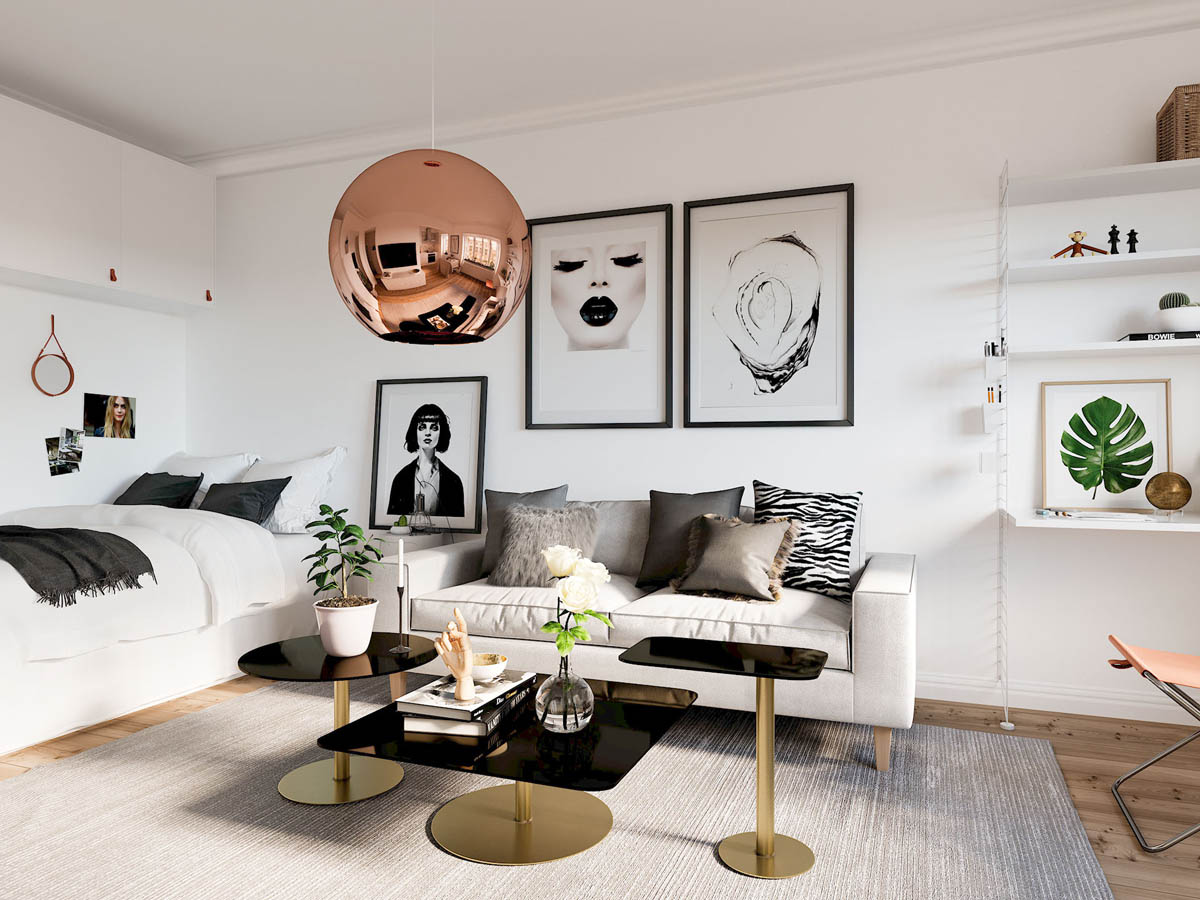
Looking ahead, the line between "everyday necessity" and "luxury item" will continue to blur. As technology becomes more seamless and consumers become even more selective about quality, the future of home essentials will revolve around personalization, wellness, and longevity.
We’re already seeing pillows custom-filled to match your sleeping posture, modular sofas that adapt when you move to a new apartment, water filtration systems built straight into sleek kitchen faucets, and modular appliances designed to be repaired rather than thrown away.
Ultimately, the rise of luxury home essentials comes down to a simple, grounded truth: your daily life happens in the small moments. It happens in the first sip of morning coffee, the ease of chopping vegetables for dinner, the warmth of a lamp on a rainy evening, and the relief of sinking into a comfortable bed at night. When you invest in making those ordinary moments feel a little bit richer, your entire lifestyle changes for the better.
Because people spend more time at home and value daily comfort, durability, and better experiences over flashy status symbols.
Start with items you touch and use daily, such as your mattress, bedsheets, pillows, bath towels, and primary cookware.
Focus on small, high-impact swaps like warm table lamps, fresh neutral bedding, organized glass storage jars, and indoor plants.
Not always—check material labels, warranties, and certifications like OEKO-TEX or FSC rather than relying solely on a high price tag.
Practical devices like smart dimmable lighting, programmable thermostats, and robot vacuums save daily effort without adding clutter.
Sources and notes
Links the author listed for this post.
Based on research into modern home lifestyle trends, consumer preferences, premium household products, and the growing demand for comfort and quality. The article also considers how changing lifestyles are influencing everyday shopping choices.
More on AltFTool
- AltFTool (opens in a new tab)
altftool.com

Discussion
0 comments