
For two years, I followed the skincare routine of a woman I admired online. She glowed, she posted her ten steps every morning and she swore by every bottle. I copied all of it. Within a month, my cheeks were tight and red, and my forehead was breaking out in places that had never given me trouble. I assumed I was doing something wrong. Actually, I was doing something right for someone else's skin.
I used to think a good beauty routine was a fixed list that worked for everyone, if you were disciplined enough to follow it. Every video promised that the right products would fix everything, so when mine didn't, I blamed myself. The truth is that skin changes with weather, age, stress, hormones and habits, and a routine that works for one person can be completely wrong for another.
So I stopped copying and started listening. This guide shows how to build a beauty routine that matches your skin's needs, by reading your skin's signals, adding products slowly and adjusting with the seasons. It's general information, not medical advice, and anything persistent or painful should be checked by a doctor.
Skin Isn't a Type, It's a Mood

Most of us were taught to pick one label: dry, oily, combination or sensitive. In reality, skin shifts. It can feel oily in monsoon, tight in winter, irritated after a new product and calm after a good week of sleep. Think of your skin as something you check in with regularly, not a fixed category you were born with.
Skin changes with seasons, hormones, stress and sleep
Different areas of your face can behave differently
A new product or a harsh habit can temporarily change how skin feels
Labels are useful starting points, not permanent answers
Your routine can change as your skin changes
Start With a Skin Check-In
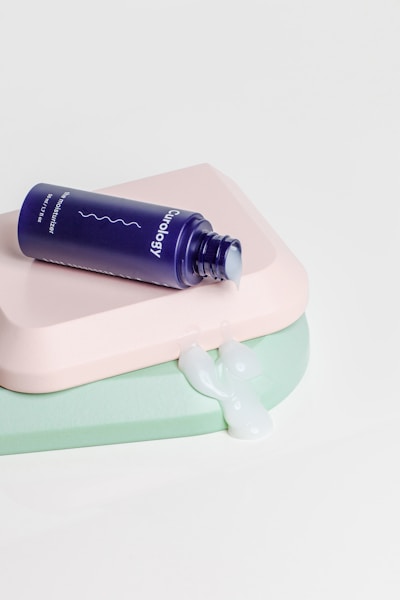
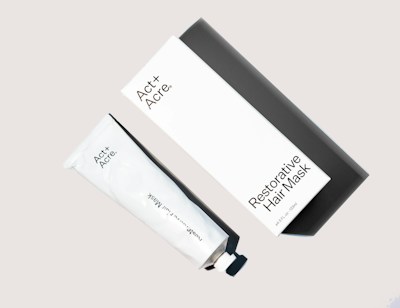

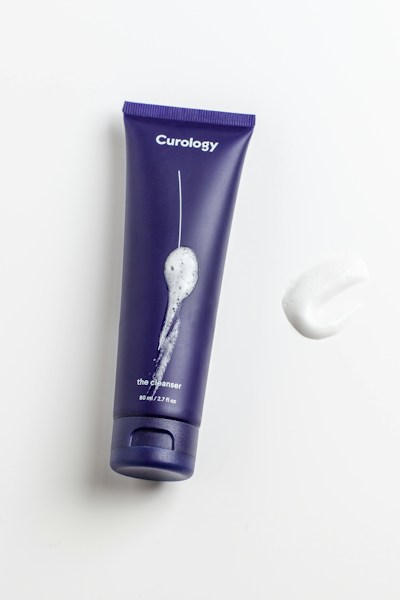
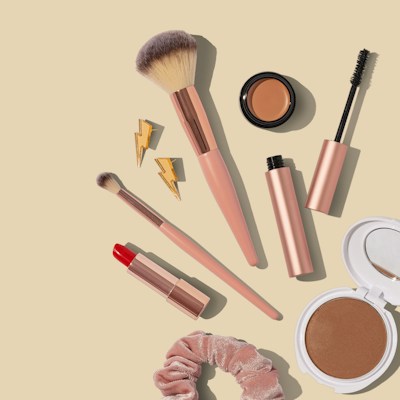
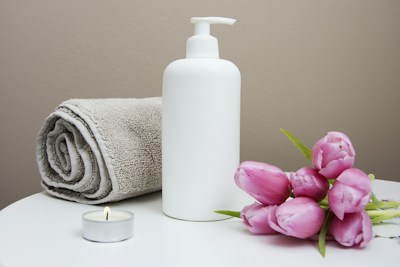
Before buying anything, spend a week simply observing. A little attention tells you more than any quiz.
Do the Bare-Face Test
Wash your face with a gentle cleanser, pat it dry and wait about an hour without applying anything. Then notice how it feels. Tight and flaky often suggests a need for more moisture, while shiny across the face can point towards excess oil. A shiny nose and forehead with comfortable cheeks suggests a mix. Redness or stinging can mean sensitivity or a damaged skin barrier.
Wash gently and wait an hour
Notice tightness, shine, redness and texture
Check different areas, like the cheeks, forehead and nose
Repeat on a couple of different days
Write down what you notice
Note Your Triggers
Look at what happens around flare-ups. Did your skin break out after a stressful week, a new product or a lot of sugar? Did it feel dry after a long, hot shower? Keep a simple note on your phone for two weeks, and patterns often appear.
Note new products, foods and stressful days
Record sleep and water intake roughly
Mark when skin feels better or worse
Look for repeating patterns
Share the notes with a dermatologist if problems continue
Read Your Skin's Signals
Your skin often tells you what it needs. Here's a simple guide to common signals and what to try first. It's a starting point, not a diagnosis.
Skin Signal | What It May Suggest | Routine Tweak to Try | Ingredient Direction | When to Get Professional Advice |
|---|---|---|---|---|
Tight or flaky after washing | Cleanser too strong or not enough moisture | Switch to a gentler cleanser and moisturise on damp skin | Ceramides, glycerin and hyaluronic acid | If cracking, bleeding or severe itching continues |
Shiny T-zone by midday | Extra oil in some areas | Use a lighter moisturiser and avoid over-washing | Lightweight gel textures and gentle exfoliation | If oiliness comes with painful or widespread breakouts |
Redness or stinging with products | A sensitive or irritated skin barrier | Pause actives, simplify to cleanser, moisturiser and sunscreen | Fragrance-free, soothing and barrier-supporting formulas | If redness persists, spreads or comes with swelling |
Frequent breakouts | Clogged pores, hormones, stress or products | Keep the routine simple, avoid picking and add one targeted ingredient slowly | Salicylic acid or similar, used gradually | If acne is painful, deep or leaving scars |
Dull or uneven tone | Sun exposure, dryness or buildup of dead skin | Daily sunscreen, gentle exfoliation once a week and good hydration | Vitamin C, niacinamide or gentle exfoliating acids | If new spots or patches change quickly in size or colour |
Build the Base Before You Add Anything Fancy
Every routine, whatever your skin, rests on the same foundation. If the basics are weak, extra products only add confusion.
Cleanse gently: once or twice a day, with lukewarm water
Moisturise: every skin type needs it, in a texture that suits yours
Protect: a broad-spectrum sunscreen in the morning, every day
Be consistent: a simple routine you actually follow beats a perfect one you skip
Be patient: skin takes weeks to show real change
Add Products One at a Time

The most common mistake is starting five new things at once. If your skin reacts, you won't know the cause. A slower approach protects your skin and your money.
The Two-Week Rule
Add one new product, use it for about two weeks and watch your skin before adding another. Patch test first, by applying a small amount on a hidden area, like behind the ear or on the inner forearm, for a day or two. If you see redness, itching or burning, stop.
Patch test every new product
Introduce only one new product at a time
Start with a small amount and use it every few days at first
Wait about two weeks before judging the result
Stop immediately if you feel burning, pain or swelling
Open the related AltFTool microtools and complete this workflow directly in your browser.
Be Careful With Strong Ingredients
Some ingredients are powerful and can irritate if overused. These include exfoliating acids, retinoids and some vitamin C formulas. They can be helpful, but they don't suit everyone, and using several at once can damage the skin barrier. If you're pregnant, breastfeeding or have a skin condition, ask a doctor or dermatologist before using strong actives.
Start slowly and use strong ingredients only a couple of times a week
Don't combine many strong ingredients in the same routine
Always use sunscreen during the day
Ask a professional if you're unsure
Back off if skin feels raw, stingy or tight
Let the Seasons Steer Your Routine
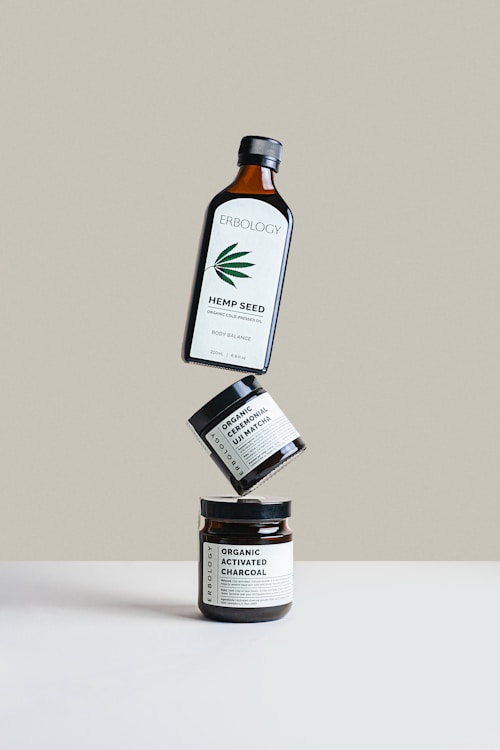
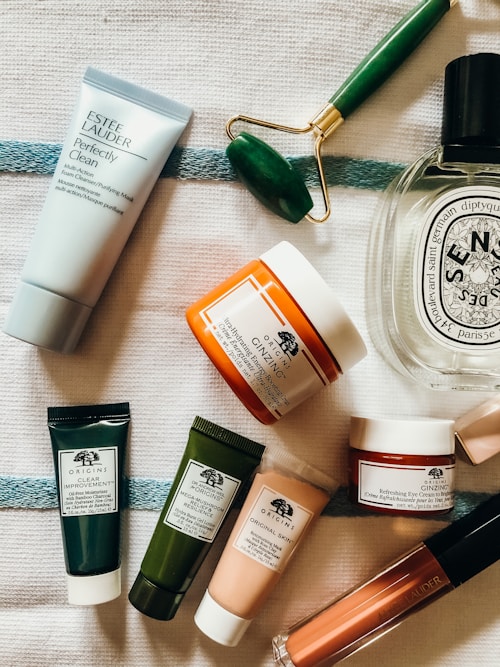
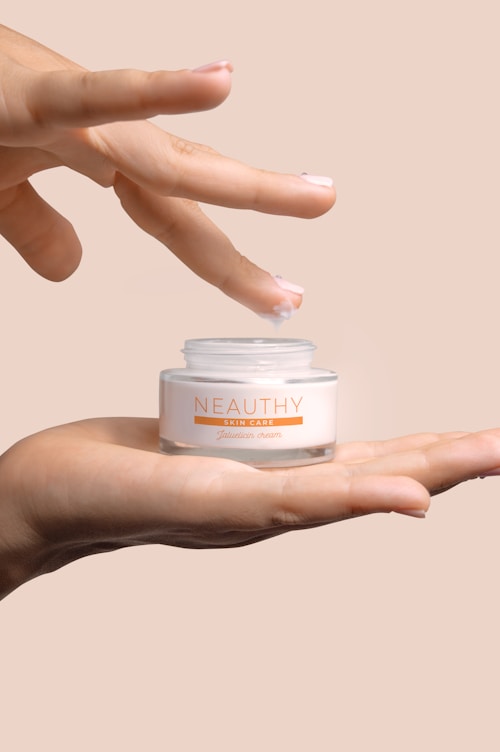
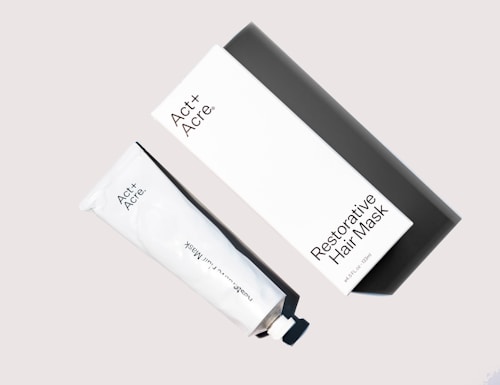
Your skin in January isn't your skin in July. A smart routine shifts with the weather, without a complete overhaul.
Winter or dry weather: richer moisturiser, gentler cleanser, fewer exfoliating steps
Hot or humid weather: lighter textures, regular sunscreen and gentle cleansing after sweating
Monsoon: keep the routine simple, since humidity and sweat can clog pores
Travel: carry minis of your usual products and avoid trying new ones mid-trip
After sun exposure: hydrate, protect and avoid harsh treatments
Look Beyond the Bottle
Products help, but habits do a lot of the work. If your daily life is working against your skin, no serum can fully fix it.
Sleep regularly, since skin repairs itself at night
Drink water through the day
Eat a balanced diet with fruits, vegetables and healthy fats
Wash pillowcases and towels regularly
Avoid touching and picking at your face
Move your body and manage stress in ways you enjoy
Remove makeup before sleeping
Keep Hair, Lips and Body in the Plan
Product Category | Everyday Purpose | When to Use | Lifestyle Benefit |
|---|---|---|---|
Shampoo | Cleans the scalp and hair | As needed | Keeps hair fresh |
Conditioner | Helps soften hair | After shampooing | Makes hair manageable |
Hair Oil | Adds moisture to hair | Before washing or as needed | Supports hair care |
Lip Balm | Helps protect dry lips | Throughout the day | Keeps lips comfortable |
Body Lotion | Moisturises the skin | After bathing | Supports skin hydration |
Hand Cream | Moisturises hands | Whenever needed | Keeps hands soft |
Body Wash | Cleanses the body | During daily bathing | Provides a refreshing feel |
A beauty routine isn't only about the face. Lips, hands and body skin need care too, especially in dry weather.
Use a lip balm every day
Moisturise your hands after washing them
Apply body lotion after bathing while skin is slightly damp
Wash your hair as often as your scalp needs
Protect hair from excess heat styling
Makeup, Gently
If you wear makeup, treat it as part of the routine, not a separate world. Choose formulas that suit your skin, and remove them properly at night. Clean brushes and sponges regularly, and don't share them.
Choose a base that fits your skin type and comfort
Remove makeup every night
Wash brushes and sponges regularly
Check expiry dates on older products
Avoid sleeping in heavy makeup
Shop Smart Without Overspending
A beauty routine doesn't need to be expensive. Often the most useful products are the basics.
Spend more on sunscreen and moisturiser you'll use daily
Buy small sizes to test new products
Compare ingredient lists, not just marketing claims
Be careful with "miracle" claims and very quick results
Buy from trusted sellers to avoid fake products
Don't buy a product just because it's trending
Little Touches That Make It a Habit

A few small habits make the routine easier to keep. They cost almost nothing.
Keep your products where you'll see them
Link your routine to something you already do, like brushing your teeth
Take a monthly photo in the same light to see slow progress
Use the routine as a calm few minutes for yourself
Be gentle with your skin and with yourself
Common Mistakes to Avoid
Copying someone else's routine without checking your own skin
Starting many new products at once
Over-exfoliating in search of a quick glow
Skipping sunscreen
Ignoring early signs of irritation
Expecting overnight results
When to See a Dermatologist
Some skin problems need more than a routine. If you have painful or persistent acne, a rash that doesn't settle, sudden changes in moles or patches, or a reaction that keeps recurring, see a dermatologist. A professional can identify the cause and recommend treatment that suits you. Don't try to solve a serious problem by adding more and more products.
The best beauty routine isn't the longest or the most expensive one. It's the one that listens to your skin, changes when it needs to and is simple enough that you'll still be doing it next month. Start with a week of noticing, and let your skin lead from there. This article is general information only and isn't medical advice.
FAQ's
Wash gently, wait an hour without products and note how your skin feels, then track patterns over a couple of weeks.
A gentle cleanser, a moisturiser and a sunscreen. Add anything else one product at a time.
About two weeks, after a patch test, before judging the result or adding something else.
Yes. Use richer textures in dry weather and lighter ones in heat or humidity, and keep sunscreen all year.
If you have painful or persistent acne, a rash that doesn't settle, a recurring reaction or changes in moles or patches.
Sources and notes
Links the author listed for this post.
American Academy of Dermatology (AAD), NHS skincare guidance, and trusted dermatology resources.


Discussion
0 comments