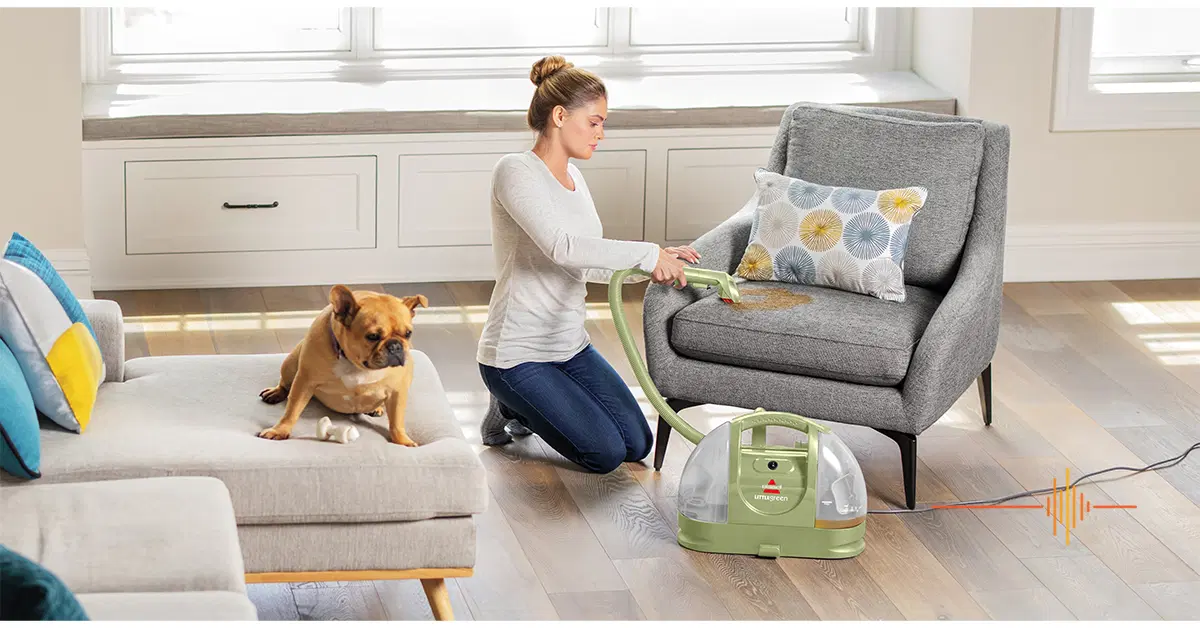
Last spring, I bought a floor cleaner after watching a ten-second video of someone gliding across a spotless kitchen. It looked effortless. When the box arrived, I discovered that it was meant for sealed hard floors and my living room had a large rug. I used it on the rug anyway, made a damp mess and spent the rest of the afternoon dabbing it with towels. The machine wasn’t bad. I had simply bought the wrong one for my home.
I used to think a cleaning appliance was a cleaning appliance. Vacuum, mop, steam, wash: it all sounded like variations of the same thing, so I picked whichever box looked most impressive. In reality, each type does a different job on a different surface, and the most expensive machine isn’t necessarily the right one. If you’ve ever stood in a shop or on a website, confused by names like wet-dry, steam, spot cleaner and carpet washer, you know exactly what I mean.
So I learned the differences before spending any more money. This guide is a complete buying guide to BISSELL cleaning appliances, covering what each type does, how to match it to your home and what to check before you buy. Product ranges vary by country and change often, so always confirm current models and details with an official seller.
What BISSELL Makes
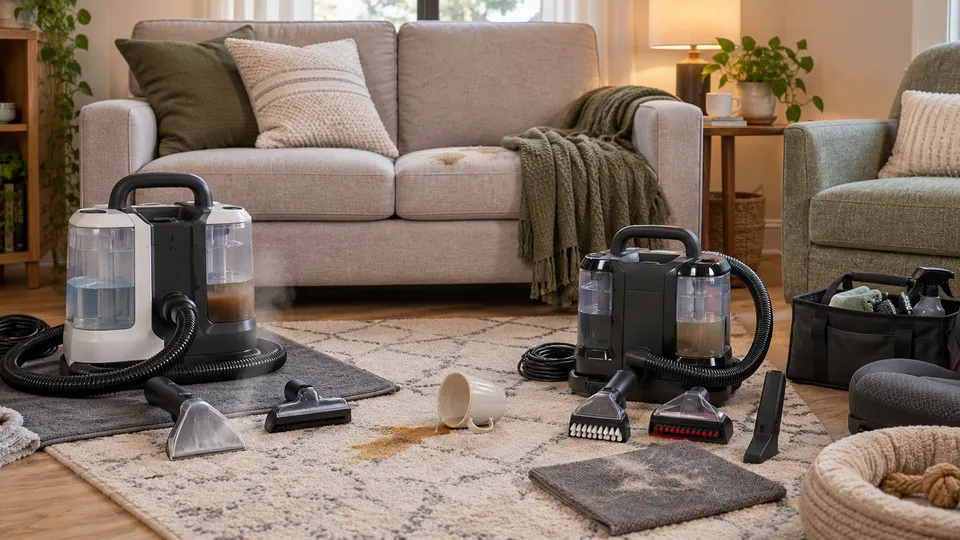
BISSELL is a floor-care brand that makes a wide range of appliances for different surfaces and mess types. Its ranges generally fall into a few groups: wet-dry vacuums that vacuum and mop together, steam mops for hard floors, portable spot cleaners for stains on carpets and upholstery, full-size carpet washers and vacuum cleaners. Within each group, there are several models at different price levels and with different features. Understanding the groups is the first step to choosing well.
Wet-dry vacuums combine vacuuming and mopping
Steam mops clean sealed hard floors with hot steam
Portable spot cleaners tackle stains on carpets, sofas and car seats
Full-size carpet washers clean larger carpeted areas deeply
Vacuum cleaners handle everyday dry dirt and pet hair
Start With Your Home, Not the Machine
Before comparing models, look around your home and think about what you actually clean. The right appliance depends on surfaces, mess and daily habits.
List Your Floors and Surfaces
Note which rooms have hard floors, such as tile, sealed wood or laminate, and which have carpets or rugs. Hard floors suit wet-dry machines and steam mops, while carpets may need a vacuum, a spot cleaner or a carpet washer. Also check upholstery, car seats and curtains, since portable cleaners are made for these.
Note the type of floor in each room
Check whether wood or laminate is sealed
Count carpets, rugs and sofas that need cleaning
Include car interiors and stairs
Read your flooring manufacturer’s care advice
Think About Your Household
Pets, children and allergies change what you need. Homes with pets benefit from strong suction and tools that handle hair, while households with children often face sticky spills and food mess. If someone in your home has allergies, look at the filter system, and check how easy it is to clean.
Pets: look for hair-friendly brush rolls and filters
Children: look for quick spill and stain cleaning options
Allergies: check filters and the ease of emptying
Small homes: consider compact or cordless options
Busy households: choose easy-to-clean machines
Compare the Main Appliance Types
Each type solves a different problem. Here is a simple comparison to help you see where each fits.
Appliance Type | Best For | Surfaces It Suits | Main Limitation | Good to Know |
Wet-dry vacuum (such as the CrossWave range) | Vacuuming and mopping in one pass | Sealed hard floors and, in some models, area rugs | Not every model suits every floor type | Check the exact model’s surface guidance |
Steam mop (such as the PowerFresh range) | Everyday hard-floor cleaning and sanitising | Sealed hard floors like tile and some sealed wood | Not suitable for unsealed or delicate floors | Never point steam at people, pets or electricals |
Spin mop (such as the SpinWave range) | Scrubbing sticky floor messes | Hard floors | Doesn’t deep clean carpets | Machine-washable pads reduce running costs |
Portable spot cleaner (such as Little Green or SpotClean) | Fresh and set-in stains on carpets, sofas and cars | Carpets, upholstery and car seats | Small tank, so it suits spot jobs more than whole rooms | Use only the recommended cleaning solution |
Carpet washer (such as the ProHeat range) | Deep cleaning of larger carpeted areas | Carpets and large rugs | Heavier, bulkier and needs drying time | Best for periodic deep cleans |
Understand Each Type in More Detail

A closer look at the main types helps you decide which ones really belong in your home.
Wet-Dry Vacuums and Mops
These machines vacuum small debris and wash the floor in a single pass, which saves time on everyday cleaning. They’re popular in homes with pets and kids, because they handle crumbs and sticky spills together. Check whether your chosen model is designed for hard floors only, or whether it also handles area rugs, and look at how easy the tanks and brush rolls are to empty and rinse.
Combine vacuuming and mopping in one pass
Useful for crumbs, pet hair and sticky spills
Check surface compatibility for the exact model
Look at tank size and ease of cleaning
Cordless versions offer freedom but have limited battery life
Steam Mops
Steam mops use hot steam, often without chemical cleaners, to clean and sanitise sealed hard floors. They are a good fit for tile and similar surfaces. They need to be used carefully, since steam is very hot. Don’t use them on unsealed wood, delicate finishes or anywhere your flooring manufacturer advises against steam. Pads are usually washable, which reduces waste.
Clean sealed hard floors using steam
Often need no cleaning formula, depending on the model
Not suitable for every floor type
Washable pads reduce ongoing costs
Follow all safety instructions with hot steam
Portable Spot Cleaners
Compact machines such as the Little Green or SpotClean ranges are made for stains on carpets, stairs, sofas, mattresses and car seats. They spray a cleaning solution, scrub and suck the dirty water back into a tank. They’re easy to store and quick to use, but their size limits them to smaller jobs. They’re a strong choice if you mainly worry about stains, pets and children.
Designed for stains on soft surfaces
Small, easy to store and quick to set up
Useful for stairs, sofas, mattresses and cars
Limited tank size for large areas
Always test on a hidden patch first
Carpet Washers and Vacuums
Full-size carpet washers deep clean large carpets and rugs, and are typically used a few times a year, or when a big mess happens. Everyday vacuums take care of dry dust and hair between deep cleans, and come in corded, cordless, upright and stick styles. For many homes, a good vacuum plus a spot cleaner covers most needs.
Carpet washers suit deep cleaning of large carpets
They are heavier and need drying time
Vacuums handle daily dust and pet hair
Cordless sticks suit quick clean-ups
Many homes only need a vacuum and a spot cleaner
Features Worth Checking Before You Buy
Marketing language can hide the details that matter. Use this checklist to look at the features that affect real-life use.
Surface compatibility for the exact model number
Tank size and how easy it is to fill and empty
Weight and how easy the machine is to move and store
Cord length or battery run time
Filter type and the cost and availability of replacements
Washable pads, brush rolls and accessories
Noise level, if you live in a flat or have light sleepers
Self-cleaning features that reduce maintenance
Warranty and local service support
Check the Exact Model, Not Just the Range
One of the most common buying mistakes is assuming that all models within a range are the same. Filters, brush rolls, tanks and accessories are often specific to a model or series. Before you buy a machine or any replacement parts, check the full model number in the product details and in the manual. This also helps if you plan to buy spare parts later, since using the wrong part can affect performance.
Note the full model number, not just the range name
Match filters, brushes and pads to the exact model
Read the manual and the care instructions
Check whether the machine is sold in your country
Confirm warranty terms with the seller
Use the Right Cleaning Solutions
Using the wrong solution can damage a machine, leave residue or harm the surface you’re cleaning. Use only the formulas recommended in your manual for your specific model, since floor formulas aren’t automatically suitable for carpets or upholstery. Steam appliances may not need any solution at all. Don’t mix products unless the manual says it’s safe, and keep all cleaning products away from children and pets.
Use only recommended formulas for your model
Don’t use floor cleaner on upholstery unless stated
Avoid mixing different cleaning products
Store solutions safely away from children and pets
Test any new solution on a hidden area
Look After Your Appliance
A little care keeps your machine working well and extends its life. Empty and rinse tanks after each use, clean brush rolls and remove tangled hair, and wash or replace filters as the manual advises. Let parts dry fully before storing, to avoid smells and mould. Store the machine upright in a dry spot, and check cords, plugs and batteries for wear.
Empty and rinse tanks after each use
Clean brush rolls and remove hair
Wash or replace filters as instructed
Dry all parts before storing
Keep the machine in a dry, safe place
Little Touches That Make Cleaning Easier
Small habits make any cleaning routine smoother. They cost almost nothing.
Vacuum before you mop or wash
Treat spills quickly, since fresh stains are easier to remove
Keep spare pads and a small towel nearby
Make a simple weekly cleaning schedule
Use a doormat to reduce the dirt that comes in
Set a timer, and clean for a short, focused burst
Stay Safe While Cleaning
Cleaning machines use electricity, water and sometimes steam, so a few precautions matter. Keep cords away from water and walkways, and don’t use a damaged cord or plug. Never point steam at people, pets or electrical equipment, and let the machine cool before refilling or storing. Keep children and pets away while the appliance is in use, and read the safety instructions before the first use.
Keep cords away from water and foot traffic
Don’t use damaged plugs or cords
Never direct steam at people, pets or electricals
Let the machine cool before refilling
Keep children and pets away during use
When to Skip an Appliance
You don’t need every type of machine. If you live in a small flat with mostly hard floors, one good wet-dry machine or a steam mop may be enough. If your home is mostly carpeted, a vacuum and a spot cleaner may do the job. Before buying, check whether you really have the space to store the machine and the time to maintain it. The best cleaning appliance isn’t the one with the most features. It’s the one that fits your floors, your household and your routine, and gets used often enough to make your home easier to live in.
FAQ's
Wet-dry vacuums, steam mops, spin mops, portable spot cleaners, carpet washers and vacuum cleaners.
Wet-dry vacuums, steam mops and spin mops suit sealed hard floors, but check your floor type and the model’s guidance.
It removes stains from carpets, stairs, sofas, mattresses and car seats.
No. Use only the formula recommended in your model’s manual.
Check the exact model number, since many parts are specific to a model or series.
Sources and notes
Links the author listed for this post.
Information is based on BISSELL's official website, product descriptions, specifications, and cleaning appliance categories.
- 1
Bissell
More on AltFTool
- altftool.com (opens in a new tab)
altftool.com


Discussion
0 comments
No comments yet
Discussion will appear here once it loads.