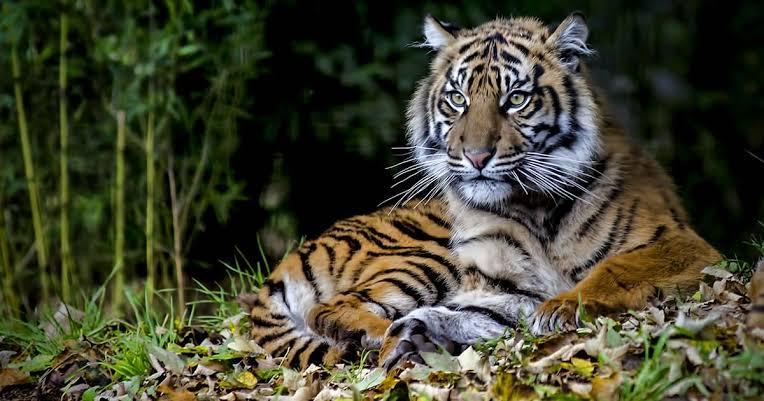
Wildlife is one of the most valuable parts of our planet. From the smallest marine creatures to the largest land mammals, every animal has a role to play in maintaining the balance of nature. However, many species are facing serious threats because of habitat destruction, illegal hunting, pollution, climate change and human activities.
Imagine a world where elephants no longer roam through forests, sea turtles disappear from our oceans, or wild orangutans can no longer find safe places to live. These possibilities may sound distant, but for several endangered animals, survival is already a daily struggle.
According to the International Union for Conservation of Nature (IUCN), the Red List identifies species facing different levels of extinction risk. The categories include Vulnerable, Endangered and Critically Endangered. Each category helps conservation organisations understand how urgently a species needs protection.
In this article, we explore 10 endangered animals that need greater protection around the world, why their populations are under pressure and what can be done to help them survive.
Why Are So Many Animals Becoming Endangered?
Animal populations rarely decline because of just one problem. In most cases, several threats happen together, making it difficult for wildlife to recover.
Some of the biggest reasons include:
Habitat destruction: Forests, wetlands, grasslands and oceans are being damaged or converted for agriculture, construction and industrial development.
Illegal wildlife trade: Animals are hunted and captured for their skins, horns, scales, meat and other body parts.
Climate change: Rising temperatures, changing rainfall patterns and extreme weather affect food supplies and natural habitats.
Pollution: Plastic waste, chemicals and polluted water can harm animals on land and in the sea.
Overfishing and hunting: Excessive fishing and hunting reduce wildlife populations faster than they can reproduce.
Human-wildlife conflict: As human settlements expand, animals increasingly come into contact with people, sometimes resulting in injury or death.
These problems show why wildlife conservation needs more than occasional awareness campaigns. It requires long-term planning, protected habitats, stronger laws and support from local communities.
10 Endangered Animals That Need Greater Protection
The following animals represent different ecosystems and regions of the world. Several are classified as Critically Endangered, meaning they face an extremely high risk of extinction in the wild. This is a selected list, not a ranking of the world's ten most endangered species.
1. Vaquita – The World's Rarest Marine Mammal
The vaquita is a small porpoise found only in the northern part of the Gulf of California in Mexico. It is easily recognised by its rounded face, dark patches around its eyes and small body.
Despite living in the ocean, the vaquita has very little space to call home. Its limited natural range makes the species particularly vulnerable to changes in its environment.
One of the biggest threats is accidental capture in fishing nets, especially gillnets used for catching other marine species. Vaquitas can become trapped underwater and drown because they cannot reach the surface to breathe.
The species is classified as Critically Endangered. WWF identifies the vaquita as one of the most threatened marine animals, highlighting the urgent need to prevent harmful fishing practices in its habitat.
What protection does it need?
Strong enforcement against illegal gillnet fishing.
Safer fishing equipment and alternative fishing methods.
Protection of its natural habitat in the Gulf of California.
Support for local fishing communities adopting wildlife-friendly practices.
2. Amur Leopard – One of the Rarest Big Cats
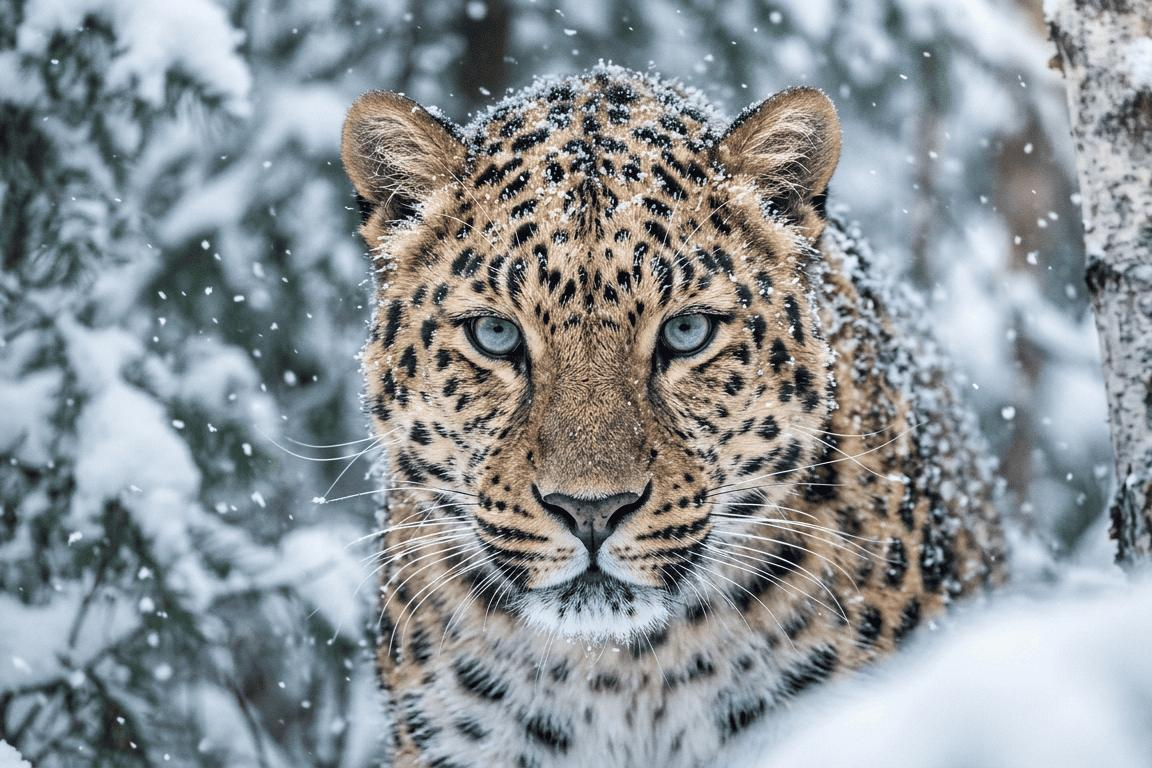
The Amur leopard is a beautiful big cat that lives in the Russian Far East and parts of northeastern China. Its thick coat helps it survive freezing winters, while its spotted fur provides excellent camouflage in forest environments.
Unlike some other leopard populations, Amur leopards survive across a relatively small geographical area. This makes habitat protection especially important.
The species faces threats from habitat fragmentation, limited prey, poaching and expanding roads and other infrastructure. When forests become separated, leopards have fewer opportunities to find food, mates and safe territories.
The Amur leopard is classified as Critically Endangered. WWF has highlighted habitat loss, prey scarcity and transportation infrastructure among the major challenges affecting its survival.
What protection does it need?
Protecting and reconnecting forest habitats.
Preventing illegal hunting and wildlife trafficking.
Maintaining healthy populations of natural prey.
Developing wildlife corridors that allow animals to move safely.
3. Sunda Pangolin – A Victim of Illegal Wildlife Trade
The Sunda pangolin is a shy, mostly nocturnal mammal found in Southeast Asia. Its body is covered with protective scales, and when threatened, it curls into a tight ball.
Pangolins feed mainly on ants and termites. By controlling insect populations, they contribute to the health of their natural environments.
Unfortunately, pangolins are among the most heavily trafficked mammals in the world. They are hunted for their meat and scales, which are illegally traded despite international protections.
Forest destruction also reduces the places where they can find food and shelter. Because pangolins reproduce slowly, their populations can take a long time to recover from heavy hunting pressure.
The Sunda pangolin is classified as Critically Endangered. WWF identifies illegal hunting and trade as major reasons for its decline.
What protection does it need?
Stronger action against illegal wildlife trafficking.
Better enforcement of international trade restrictions.
Protection and restoration of forest habitats.
Public awareness about the consequences of buying wildlife products.
4. Black Rhinoceros – Fighting Against Poaching
The black rhinoceros is one of Africa's most recognisable wild animals. It has two horns, thick skin and a pointed upper lip that helps it feed on leaves and branches.
Although black rhino populations have shown encouraging signs of recovery in some areas, the species remains Critically Endangered. Illegal poaching continues to threaten its future because rhino horns are highly valued in illegal markets.
Habitat loss and human-wildlife conflict also create difficulties. As natural landscapes shrink, rhinos have fewer safe places to feed, move and reproduce.
Conservation programmes have helped protect black rhinos through wildlife monitoring, protected areas and anti-poaching patrols. However, these efforts need consistent funding and strong law enforcement.
What protection does it need?
Strong anti-poaching patrols and wildlife monitoring.
Strict action against illegal rhino horn trade.
Protection of natural grassland and bushland habitats.
Continued support for conservation teams and local communities.
5. Sumatran Orangutan – Losing Its Forest Home
The Sumatran orangutan is an intelligent great ape that spends much of its life in the trees of Indonesia's tropical rainforests. It uses branches to move through the forest, build sleeping nests and search for food.
Orangutans play an important role in forest ecosystems because they help spread seeds through the fruits they eat. In this way, they contribute to the natural regeneration of forests.
However, deforestation is one of the biggest threats to their survival. Forests are cleared or damaged for agricultural plantations, logging, roads and other development. Illegal hunting and the pet trade add further pressure.
The Sumatran orangutan is classified as Critically Endangered. WWF highlights habitat destruction and illegal wildlife trade as serious threats to orangutan populations.
What protection does it need?
Preventing the destruction of remaining rainforests.
Restoring damaged forest areas.
Protecting wildlife corridors between forest habitats.
Reducing illegal hunting and the capture of young orangutans.
6. African Forest Elephant – The Hidden Giant of the Rainforest
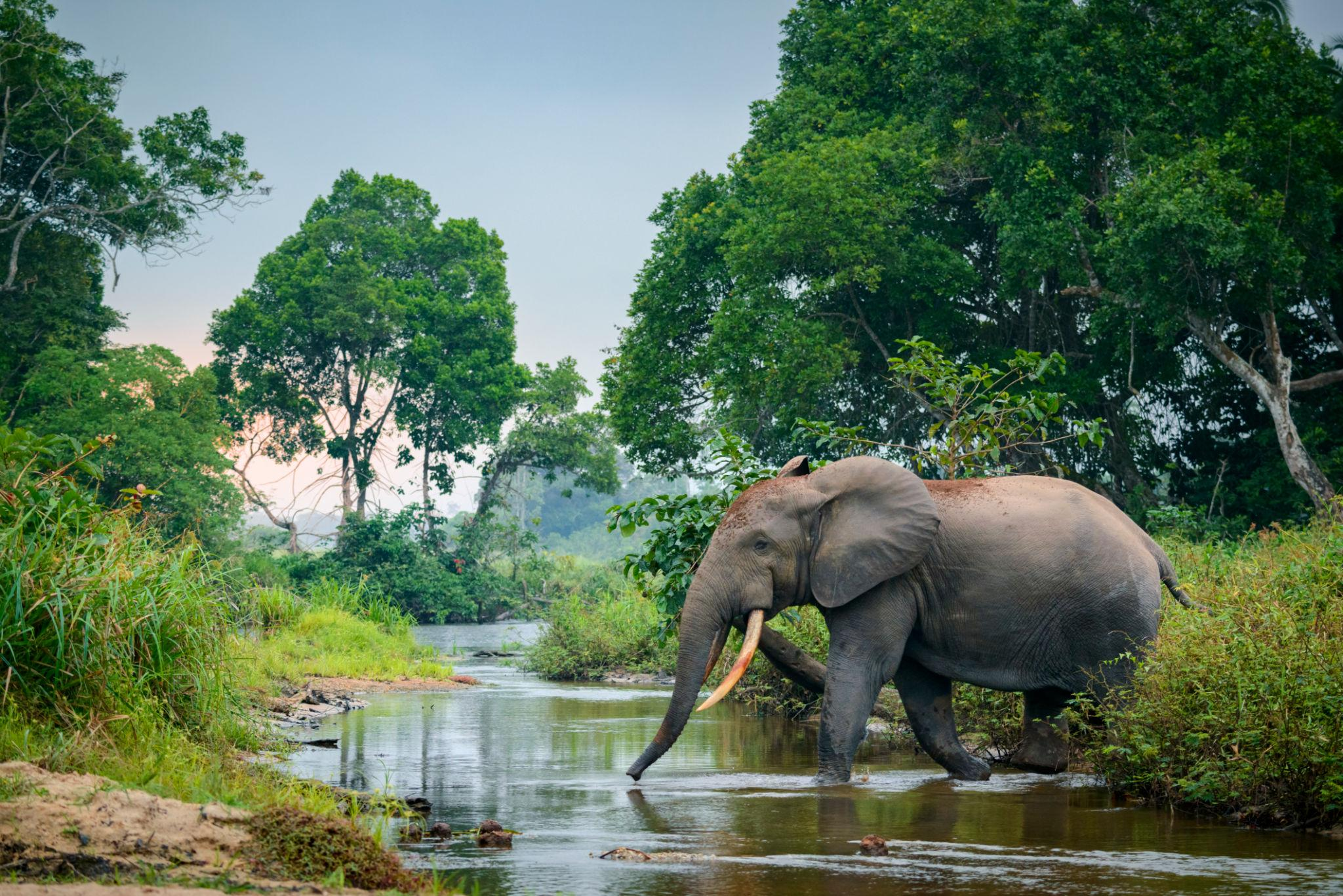
African forest elephants are smaller than their savanna relatives and live mainly in the tropical forests of Central and West Africa. They have rounded ears and straighter tusks, which help distinguish them from other African elephants.
These animals play an important role in maintaining healthy forests. As they travel through their habitats and eat fruits, they spread seeds over large distances. This natural process supports forest growth and biodiversity.
Unfortunately, forest elephants face serious threats from poaching for ivory, habitat loss and human expansion. Roads and development can also divide their natural habitats and make movement more difficult.
The African forest elephant is classified as Critically Endangered by the IUCN. Its 2026 Red List assessment also records a decreasing population trend.
What protection does it need?
Preventing illegal ivory trade and poaching.
Protecting large areas of connected rainforest.
Improving wildlife monitoring and anti-poaching programmes.
Supporting communities living near elephant habitats.
7. Javan Rhinoceros – Surviving in a Very Small Habitat
The Javan rhinoceros is one of the rarest large mammals on Earth. It has a single horn, loose folds of skin and a greyish appearance that gives it a distinctive look.
Today, the species survives in a very limited area of Indonesia, particularly in Ujung Kulon National Park. Having such a small population concentrated in one location makes it vulnerable to disease, natural disasters and other unexpected events.
Habitat limitations, low population numbers and the difficulty of expanding its range are major conservation concerns. Protecting its remaining habitat is essential, but long-term survival may also depend on carefully planned conservation measures.
The Javan rhinoceros is classified as Critically Endangered. WWF lists it among the species requiring urgent protection.
What protection does it need?
Strict protection of its remaining natural habitat.
Regular population monitoring and disease surveillance.
Protection from poaching and human disturbance.
Carefully researched plans to improve its long-term survival.
8. Sumatran Rhinoceros – A Rare Species Under Pressure
The Sumatran rhinoceros is the smallest living rhinoceros species. Unlike other rhinos, it has a coat of reddish-brown hair that gives it a somewhat unusual appearance.
It once lived across a much wider area of Southeast Asia, but its population has fallen dramatically. Today, small and isolated groups survive in parts of Indonesia.
Habitat destruction and poaching have contributed to its decline. Another challenge is that isolated animals may struggle to find suitable breeding partners. This makes population recovery particularly difficult.
The Sumatran rhinoceros is classified as Critically Endangered. Its survival depends on protecting remaining animals and creating effective breeding and habitat management programmes.
What protection does it need?
Protecting remaining forest habitats.
Preventing poaching and illegal wildlife trade.
Supporting carefully managed breeding programmes.
Improving connections between isolated populations where possible.
9. Hawksbill Sea Turtle – Protecting Life Beneath the Ocean
The hawksbill sea turtle is known for its beautiful patterned shell and narrow, pointed beak. It lives in tropical and subtropical oceans and is often found around coral reefs.
These turtles help maintain healthy reef ecosystems by feeding on certain types of sponges. Their presence contributes to the natural balance of marine environments.
However, hawksbill turtles face several threats, including accidental capture in fishing equipment, destruction of nesting beaches, coral reef damage and illegal trade in their shells.
Plastic pollution and climate change create additional risks. Rising sea levels can affect nesting areas, while warmer sand temperatures may influence the sex of developing hatchlings.
The hawksbill turtle is classified as Critically Endangered. WWF highlights illegal trade, fishing-related deaths and habitat degradation among the main threats to its survival.
What protection does it need?
Protecting beaches where turtles lay their eggs.
Reducing plastic pollution in marine environments.
Using fishing methods that reduce accidental turtle capture.
Preventing the illegal trade of turtle shells and products.
10. North Atlantic Right Whale – A Giant Facing Human Threats
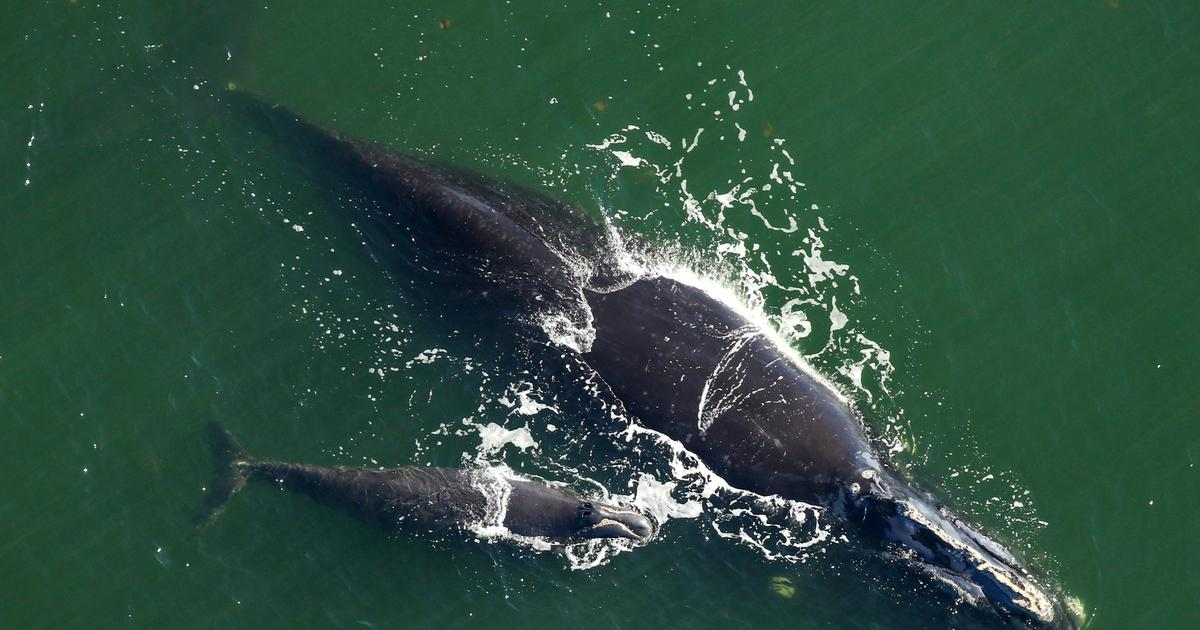
The North Atlantic right whale is a large marine mammal found mainly along the eastern coast of North America. Despite its enormous size, it is highly vulnerable to human activities.
One of its biggest threats is becoming entangled in fishing ropes and gear. These injuries can restrict movement, cause infections and make it difficult for whales to feed.
Collisions with ships are another serious danger. Because the whales often travel through busy shipping areas, they can be struck by vessels moving at high speeds.
Ocean changes may also affect the availability of their food and influence their migration patterns. The species is classified as Critically Endangered by conservation assessments, and its recovery remains a major concern.
What protection does it need?
Reducing dangerous ship speeds in important whale habitats.
Developing fishing equipment that reduces entanglement risks.
Monitoring whale movements and migration routes.
Protecting important feeding and breeding areas.
Major Threats Facing Endangered Animals Around the World
Although these ten animals live in different parts of the world, many face similar challenges. Understanding these threats is an important step towards finding practical conservation solutions.
1. Deforestation and Habitat Destruction
Forests are cleared for farming, mining, roads, housing and industrial development. When animals lose their natural habitats, they may struggle to find food, shelter and suitable places to reproduce.
Protecting forests, wetlands and grasslands is therefore essential for wildlife survival.
2. Illegal Hunting and Wildlife Trafficking
Wild animals are sometimes hunted for their body parts, meat, skin or value in illegal markets. Rhinos, pangolins, elephants and many other species are affected by this trade.
Stronger laws, international cooperation and responsible consumer behaviour can help reduce demand for wildlife products.
3. Climate Change
Climate change is affecting ecosystems across the world. Rising temperatures, changing seasons, droughts and extreme weather events can make natural habitats less suitable for certain species.
Marine animals are also affected by warming oceans, coral reef damage and changing food availability.
4. Pollution and Plastic Waste
Plastic bags, fishing nets, chemicals and other waste can seriously harm wildlife. Marine animals may swallow plastic or become trapped in discarded fishing equipment.
Reducing single-use plastics, improving waste management and preventing pollution are important steps towards healthier ecosystems.
5. Human-Wildlife Conflict
As human settlements expand into natural habitats, encounters between people and wild animals become more common. These situations can lead to damaged crops, livestock losses and injuries to both humans and animals.
Community-based conservation programmes can help reduce conflict while protecting wildlife.
How Can We Help Protect Endangered Animals?
Wildlife conservation is not only the responsibility of governments and environmental organisations. Individuals, businesses and communities can also make meaningful contributions.
Here are some practical ways to support endangered animals:
Support wildlife conservation organisations: Responsible conservation groups work to protect habitats, rescue animals and support research.
Avoid wildlife products: Do not purchase items made from endangered animals, including illegal ivory, rhino horn and turtle shells.
Reduce plastic consumption: Use reusable bags, bottles and containers to reduce waste that may reach natural habitats.
Choose responsible tourism: Visit wildlife destinations that follow ethical practices and do not disturb animals for entertainment.
Learn about threatened species: Understanding wildlife problems helps people make more informed decisions.
Support sustainable products: Choose products and services from businesses that follow responsible environmental practices.
Spread awareness: Share reliable information about endangered animals and the importance of biodiversity.
Even small actions can contribute to a wider conservation effort when many people take part.
Why Protecting Endangered Animals Matters
Protecting endangered animals is about much more than saving individual species. Wildlife plays an important role in keeping natural ecosystems healthy and functioning.
For example, elephants help spread seeds, pangolins control insect populations, and sea turtles contribute to the balance of marine ecosystems. When these animals disappear, the effects can extend to other species and the habitats they share.
Biodiversity also supports human life. Healthy ecosystems contribute to clean water, fertile soil, food supplies, climate regulation and natural resources.
There is also a responsibility to future generations. Children should have the opportunity to see wildlife in its natural environment, rather than learning about animals only through photographs and documentaries.
Conservation efforts can make a difference, but they require patience, scientific research, funding and cooperation across countries.
Final Thoughts
The future of endangered animals depends on the choices people make today. From the tiny vaquita swimming in the Gulf of California to the African forest elephant moving through tropical forests, each species deserves a chance to survive in its natural environment.
The ten animals discussed in this article face different challenges, but many of their problems are connected to human activities. Habitat destruction, illegal wildlife trade, pollution and climate change continue to place pressure on wildlife populations.
The good news is that conservation efforts can help. Protected areas, stronger wildlife laws, responsible tourism, habitat restoration and community participation all contribute to protecting threatened species.
Saving endangered animals is not simply about preventing extinction. It is about protecting the natural world and maintaining the balance that makes life on Earth possible.
FAQ's
Endangered animals are species facing a very high risk of extinction in the wild.
The vaquita, Amur leopard, Javan rhinoceros, Sunda pangolin and Sumatran orangutan are among the world's highly threatened animals.
Habitat destruction, illegal hunting, climate change, pollution and wildlife trafficking are major threats.
We can support conservation organisations, reduce pollution, protect natural habitats and avoid products made from endangered wildlife.
Protecting endangered species helps maintain biodiversity, balance ecosystems and preserve nature for future generations.
Sources and notes
Links the author listed for this post.
This article is based on wildlife conservation information and species assessments from recognised environmental organisations, including the International Union for Conservation of Nature (IUCN), World Wide Fund for Nature (WWF), and other wildlife research resources.


Discussion
0 comments