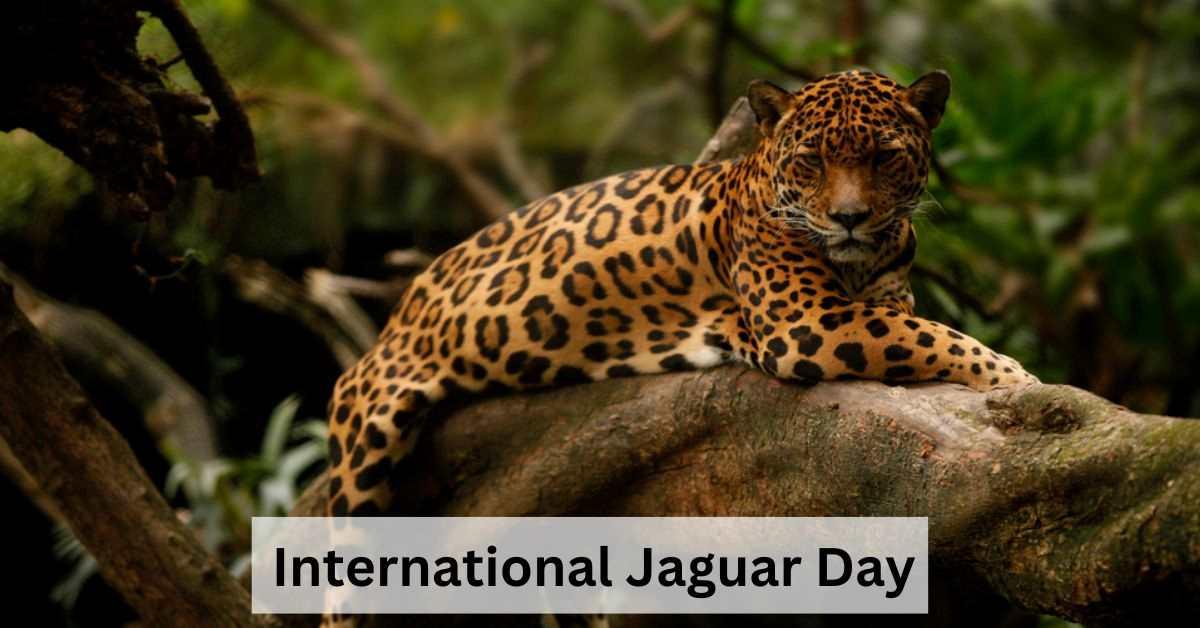
Jaguars are among the most powerful and fascinating wild cats on the planet. With their golden coats, dark rosette patterns, strong jaws, and excellent hunting abilities, they are truly remarkable animals. But there is much more to jaguars than their impressive appearance. They play an important role in keeping natural ecosystems healthy and balanced.
Every year, International Jaguar Day reminds people around the world why these big cats deserve protection. Their survival is closely connected to the health of forests, wetlands, rivers, and other natural habitats across the Americas.
Unfortunately, jaguars face several serious threats, including deforestation, habitat destruction, illegal hunting, and conflicts with livestock farmers. As their natural living spaces continue to shrink, protecting them has become an important part of global biodiversity conservation.
But why does saving one wild cat matter so much to the environment?
The answer is simple: jaguars help maintain the balance of nature. Protecting them also means protecting countless other species that share their habitats.
Let's understand the importance of International Jaguar Day, the role jaguars play in biodiversity, and what can be done to protect these incredible animals.
1. What Is International Jaguar Day?
International Jaguar Day is observed every year on November 29 to raise awareness about jaguar conservation and the importance of protecting their natural habitats.
The day was established in 2018 through cooperation between conservation organizations and governments across the jaguar's range.
Its main purpose is to bring attention to the growing challenges faced by jaguars and encourage international efforts to protect this iconic species.
International Jaguar Day highlights several important conservation goals:
Raising awareness about the threats facing jaguars.
Protecting forests and other natural habitats.
Preventing illegal wildlife hunting and trafficking.
Supporting wildlife conservation programs.
Encouraging communities to participate in environmental protection.
Promoting cooperation between countries where jaguars live.
It is also an opportunity to remind people that wildlife protection is not limited to saving individual animals. It is about preserving entire ecosystems.
2. Understanding the Jaguar: A Powerful Wild Cat
The jaguar (Panthera onca) is the largest wild cat species in the Americas and the third-largest big cat in the world after tigers and lions.
Jaguars are mainly found in Central and South America, with their strongest populations living in the Amazon region and the Pantanal wetlands.
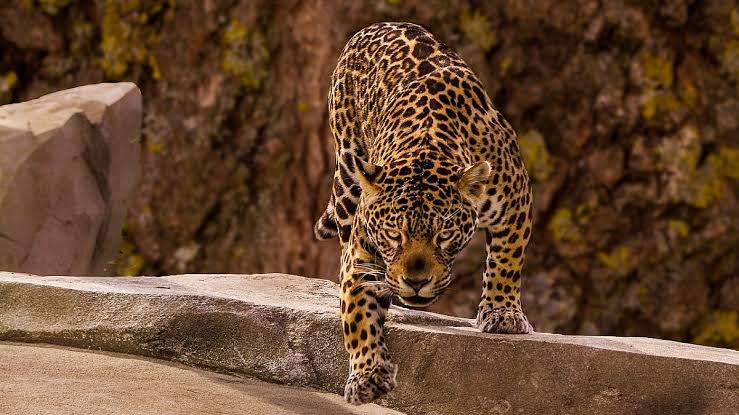
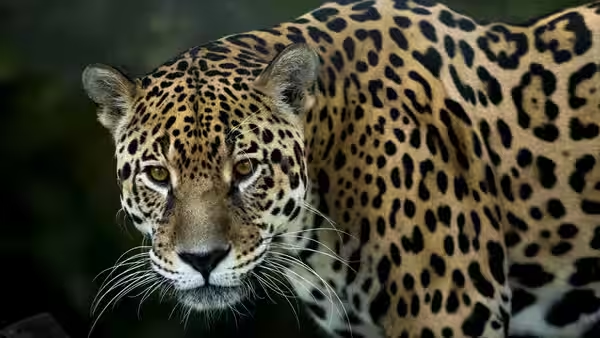
They are known for their muscular bodies, powerful jaws, and beautiful spotted coats. Their rosette patterns are unique, much like human fingerprints.
Here are some interesting facts about jaguars:
Scientific name: Panthera onca
Family: Felidae
Habitat: Tropical forests, wetlands, grasslands, and scrublands
Diet: Deer, capybaras, peccaries, fish, reptiles, and other animals
Lifespan: Generally around 12–15 years in the wild, with variation
Special ability: Powerful bite and excellent swimming skills
Geographic range: Central and South America, with a small population in the United States
Unlike many cats, jaguars are comfortable around water. They can swim across rivers and hunt aquatic animals, making them well adapted to wetland environments.
3. Why Jaguars Are Important for Global Biodiversity
Jaguars are not just impressive predators. They are an important part of the ecosystems where they live.
As apex predators, they help regulate populations of other animals. This prevents certain species from becoming overly abundant and putting too much pressure on vegetation and other natural resources.
Their presence can also indicate that an ecosystem still has enough space, prey, and suitable habitat to support large wildlife.
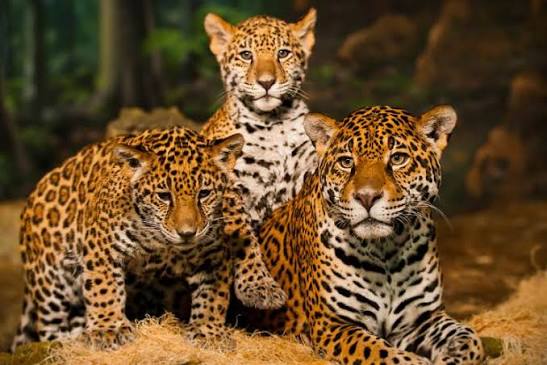
Here is why jaguars matter for biodiversity:
They Maintain the Food Chain
Jaguars hunt different types of animals, including herbivores and smaller predators. By controlling prey populations, they help maintain a natural balance within the food chain.
They Support Healthy Ecosystems
When prey populations remain balanced, forests and other habitats can experience less pressure from excessive grazing and browsing.
They Help Protect Other Species
Conserving jaguar habitats also protects birds, reptiles, amphibians, insects, plants, and many other animals that depend on the same ecosystems.
They Act as an Indicator of Ecosystem Health
A healthy jaguar population often requires large, connected habitats with sufficient prey and access to water. Their presence can therefore provide useful information about the condition of natural landscapes.
4. Where Do Jaguars Live?
Jaguars once occupied a much larger range across the Americas. Today, their distribution has become more fragmented because of habitat destruction, human development, and other pressures.
They are primarily found in tropical and subtropical regions of Central and South America.
Some of the important regions where jaguars are found include:
Country or Region | Important Jaguar Habitat |
Brazil | Amazon rainforest and Pantanal wetlands |
Peru | Amazon rainforest |
Colombia | Amazon and tropical forests |
Bolivia | Tropical forests and wetlands |
Mexico | Tropical forests and dry habitats |
Venezuela | Grasslands, forests, and wetlands |
Ecuador | Amazon and other tropical forests |
Guatemala | Maya Forest |
Belize | Tropical forests and protected landscapes |
The Amazon rainforest and Pantanal wetlands are particularly important for jaguar conservation because they support significant populations and provide extensive natural habitats.
5. Major Threats Facing Jaguars Today
Despite their strength and hunting abilities, jaguars are vulnerable to human activities.
Their biggest challenges are connected to the loss of natural habitats and increasing pressure on wildlife populations.
Let's look at the major threats.
1. Deforestation
Deforestation is one of the biggest challenges for jaguar survival.
Forests are cleared for agriculture, cattle ranching, roads, mining, and urban development. As trees disappear, jaguars lose the places where they hunt, reproduce, and raise their young.
2. Habitat Fragmentation
When large forests are divided into smaller sections by roads, farms, and settlements, jaguars find it harder to move between habitats.
This can isolate populations and reduce opportunities for breeding.
3. Illegal Hunting and Wildlife Trafficking
Jaguars are sometimes killed for their body parts, including teeth, skins, and bones. Illegal wildlife trade creates additional pressure on already threatened populations.
4. Human-Wildlife Conflict
Jaguars sometimes attack livestock when their natural prey becomes difficult to find or when farms expand into their habitats.
Farmers may kill jaguars to protect their animals, creating conflict between wildlife conservation and local livelihoods.
5. Climate Change
Climate change can affect rainfall patterns, water availability, vegetation, and prey populations.
These changes may gradually affect the habitats jaguars depend on for survival.
6. Why Protecting Jaguar Habitats Is Equally Important
Saving jaguars does not simply mean protecting individual animals. It also means preserving the natural environments they depend on.
Jaguars need large territories to hunt, find mates, and raise their young. If forests and wetlands disappear, even protected animals may struggle to survive.
Protecting their habitats provides several environmental benefits:
Forest conservation: Helps preserve trees, plants, and natural vegetation.
Water protection: Maintains rivers, streams, wetlands, and surrounding ecosystems.
Wildlife protection: Creates safe habitats for numerous animal species.
Climate benefits: Healthy forests store carbon and help regulate local climates.
Soil conservation: Natural vegetation helps reduce erosion and maintain soil quality.
This is why jaguar conservation is also an important part of protecting the wider environment.
7. The Role of Jaguars in Maintaining the Food Chain
Every animal has a role in nature, and predators are particularly important for maintaining ecological balance.
Jaguars are apex predators, meaning they sit near the top of their food chains. They hunt different animals, including capybaras, deer, peccaries, and reptiles.
Without natural predators, some prey populations may grow beyond what their habitats can comfortably support.
Here is how jaguars influence the food chain:
Food Chain Element | Role in the Ecosystem |
Jaguars | Help regulate prey populations |
Herbivores | Feed on grasses, leaves, and vegetation |
Smaller predators | Help control smaller animal populations |
Plants and trees | Provide food and shelter |
Decomposers | Break down organic matter and recycle nutrients |
Jaguars help maintain a natural balance between predators and prey. This relationship is important for keeping ecosystems functioning properly.
8. How Jaguar Conservation Helps Other Wildlife
One interesting thing about wildlife conservation is that protecting one species can benefit many others.
Jaguars need large areas of connected forests, wetlands, and grasslands. When these habitats are protected, other animals living in the same environments also receive protection.
For example:
Monkeys benefit from protected forest canopies.
Tapirs benefit from safe forest habitats.
Capybaras benefit from healthier wetlands.
Birds benefit from preserved trees and vegetation.
Reptiles and amphibians benefit from protected water sources.
Insects benefit from healthier natural ecosystems.
This approach is sometimes called an umbrella species strategy. By protecting an animal that needs a large and healthy habitat, conservation efforts can also protect many other species sharing that environment.
9. How Conservation Organizations Are Protecting Jaguars
Several conservation organizations, researchers, governments, and local communities are working to protect jaguars across their natural range.
Their efforts focus on reducing threats and creating safer environments for these animals.
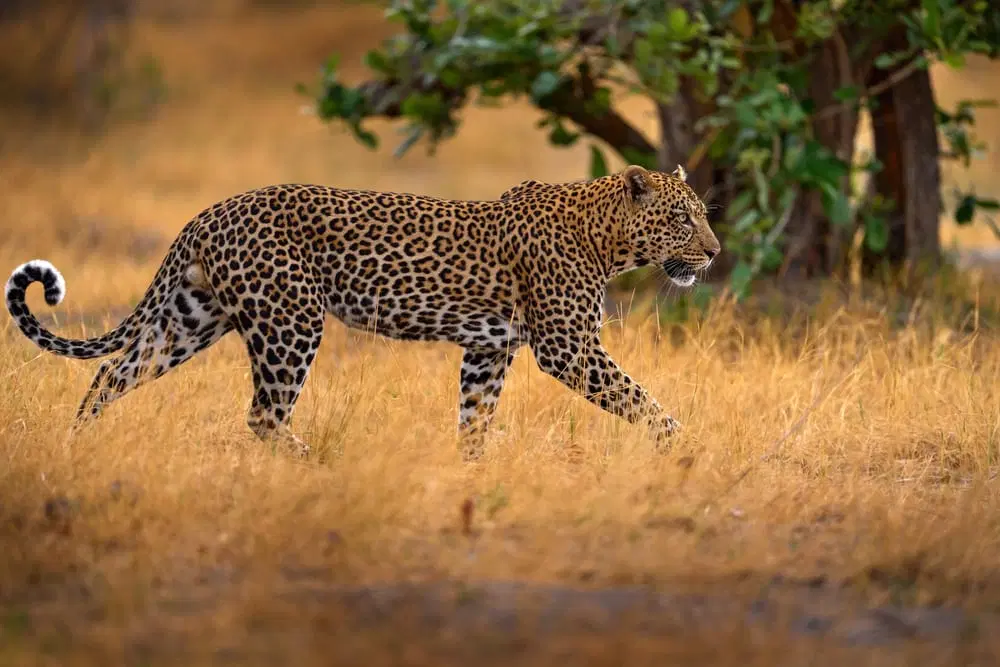
Some important conservation activities include:
Wildlife monitoring: Researchers use camera traps, tracking equipment, and field observations to understand jaguar populations and movements.
Protected areas: National parks and wildlife reserves help provide safe spaces where jaguars can live and hunt.
Wildlife corridors: Connecting fragmented habitats allows jaguars to move between different forest areas.
Anti-poaching activities: Conservation teams work to prevent illegal hunting and wildlife trafficking.
Community education: Awareness programs help people understand why jaguars are important and how to coexist with them.
Scientific research: Researchers study jaguar behaviour, population trends, genetics, and habitat requirements to improve conservation strategies.
These activities require long-term commitment because protecting a large predator across multiple countries is not a simple task.
10. How Local Communities Can Help Protect Jaguars
People living near forests and wildlife habitats play an important role in jaguar conservation.
In many regions, local communities share their surroundings with these animals. Their participation can make conservation programs more successful and sustainable.
Here are some practical ways communities can contribute:
Avoid illegal hunting and wildlife trade.
Report wildlife crimes to appropriate authorities.
Protect forests and natural vegetation.
Support responsible farming and land-use practices.
Use livestock protection methods to reduce human-wildlife conflict.
Participate in local wildlife awareness programs.
Support conservation-friendly tourism.
Encourage children to learn about wildlife and biodiversity.
It is also important to recognize the needs of farmers and people living near jaguar habitats. Conservation programs work better when local communities receive support, practical solutions, and opportunities to benefit from protecting nature.
11. What Can Individuals Do on International Jaguar Day?
You do not have to live near a rainforest to support jaguar conservation. People from different parts of the world can contribute through small but meaningful actions.
Here are some ways to participate in International Jaguar Day:
Learn about jaguars and their natural habitats.
Share accurate wildlife conservation information.
Support responsible wildlife conservation organizations.
Avoid buying products made from illegal wildlife materials.
Encourage forest protection and sustainable land use.
Teach children about endangered and threatened wildlife.
Support ethical wildlife tourism.
Discuss the importance of biodiversity with friends and family.
Even sharing reliable information can help more people understand why jaguars need protection.
12. Interesting Facts About Jaguars
Jaguars are fascinating animals with several unique characteristics. Their physical abilities and behaviour make them one of the most distinctive big cats in the world.
Here are some interesting facts:
Fact | Details |
Scientific name | Panthera onca |
Largest wild cat in the Americas | Yes |
Third-largest big cat | After tigers and lions |
Swimming ability | Excellent swimmers |
Hunting style | Usually ambushes prey |
Bite strength | Exceptionally powerful for its size |
Coat pattern | Distinctive rosettes with central spots in many cases |
Main habitat | Forests, wetlands, and grasslands |
Diet | Carnivorous |
Conservation status | Near Threatened (IUCN) |
A particularly interesting feature is their powerful bite. Jaguars can use their strong jaws to pierce the skulls or shells of certain prey animals, which makes their hunting style different from that of many other big cats.
They are also generally solitary animals, with adults usually living and hunting independently outside the breeding period.
13. Jaguar Conservation and the Future of Global Biodiversity
The future of jaguars is closely connected to the future of the natural landscapes they inhabit.
As human populations grow and agricultural and infrastructure development expand, protecting large wildlife habitats becomes increasingly challenging.
Conservation efforts must therefore focus on more than preventing hunting. They also need to address deforestation, habitat fragmentation, climate pressures, and conflicts between wildlife and people.
Some important priorities for the future include:
Expanding and maintaining protected natural areas.
Connecting isolated forests through wildlife corridors.
Supporting scientific research and population monitoring.
Encouraging sustainable agriculture.
Reducing illegal wildlife trafficking.
Involving local communities in conservation decisions.
Protecting rivers, wetlands, and forest ecosystems.
International cooperation is especially important because jaguars move across landscapes that extend through several countries.
Their protection requires shared responsibility, long-term planning, and consistent conservation efforts.
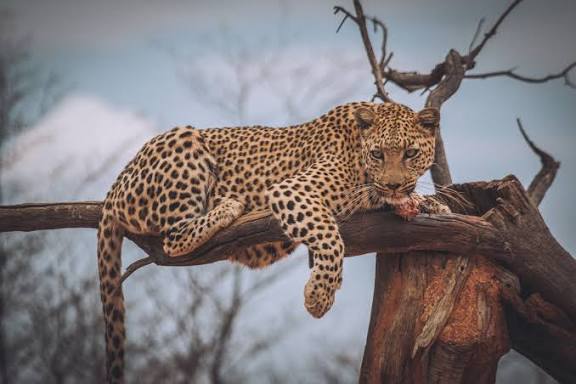
International Jaguar Day is an important reminder that protecting wildlife is essential for maintaining a healthy planet. Jaguars are not just beautiful and powerful animals; they are also important predators that help maintain ecological balance.
Their survival depends on healthy forests, connected habitats, sufficient prey, and protection from illegal hunting. When jaguars are protected, many other species living in the same ecosystems benefit as well.
However, conservation cannot be achieved by governments and wildlife organizations alone. Local communities, farmers, researchers, environmental groups, and individuals all have a role to play.
Every year on November 29, International Jaguar Day encourages people to think beyond one animal species and recognize the importance of protecting entire ecosystems.
Saving jaguars means helping protect biodiversity, preserve natural habitats, and create a healthier environment for future generations.
Explore Environmental Tools with AltFTool
Protecting jaguars is an important step towards preserving biodiversity, but caring for the environment also starts with everyday actions. From identifying plants with the Plant Scanner to tracking plastic waste with the Plastic Reduction Tracker, AltFTool offers useful digital tools that encourage environmental awareness and responsible habits. Explore more tools on AltFTool and discover simple ways to make a positive difference for the planet.
FAQ's
International Jaguar Day is celebrated every year on November 29 to raise awareness about jaguar conservation and habitat protection.
Jaguars help control prey populations and maintain ecological balance. Protecting their habitats also benefits many other wildlife species.
Jaguars are mainly found in Central and South America, particularly in the Amazon rainforest and Pantanal wetlands.
Major threats include deforestation, habitat fragmentation, illegal hunting, wildlife trafficking, climate change, and human-wildlife conflict.
People can support wildlife conservation, avoid illegal wildlife products, spread awareness, and encourage forest and habitat protection.
Sources and notes
Links the author listed for this post.
Content is based on wildlife conservation information, jaguar habitats, biodiversity research, and environmental protection resources.
- 1internationaljaguarday.org (opens in a new tab)
internationaljaguarday.org


Discussion
0 comments