
Every winter, my uncle follows the same routine. In November he says, "This year I won't fall sick." By the second week of December he's wrapped in a blanket with a cold, a sore throat and a pile of tissues. For years he blamed the weather, but the truth is simpler. He skipped sleep, stopped walking, ate heavy fried food and forgot to drink water, all because it was cold.
Cold weather itself doesn't make you ill. But the habits we slip into during winter often do. The good news is that a few small, steady changes can keep you feeling strong through the season.
This article is only for general information, so please don't take it as medical advice. If you feel unwell for more than a few days, or you have a health condition, speak to a doctor.
Why Winter Feels Harder on the Body

When temperatures drop, our bodies work a little harder to stay warm. At the same time, we spend more time indoors, close to other people, in rooms with poor airflow. Viruses that cause colds and flu spread more easily in these conditions, and dry air can make your nose and throat more sensitive.
Shorter days mean less sunlight and less outdoor time
Indoor crowding helps germs travel from person to person
Cold, dry air can irritate the nose and throat
Comfort foods and less movement can slow you down
Knowing this takes the mystery out of it. You can't change the weather, but you can change how you live inside it.
Build Your Defences With Everyday Food




You don't need expensive supplements to support your body in winter. Regular, balanced meals do most of the work. The aim is to eat a variety of colourful, fresh foods and cut down on the heavy, oily ones that make you sluggish.
Warm meals are naturally comforting in the cold, so use that to your advantage. Soups, stews, dals, porridge and roasted vegetables are filling and easy to digest. Add seasonal fruits like oranges, guavas and apples, and fresh greens when you can. A handful of nuts or seeds makes a good snack and keeps you full between meals.
Foods worth adding
Citrus fruits and other vitamin-rich fruits are easy to include. Garlic, ginger and turmeric are popular in many kitchens in cold months, and they add flavour to warm dishes. Whole grains and pulses give you steady energy, while yoghurt may help keep your gut comfortable.
Foods to go easy on
Too much sugar, deep-fried snacks and processed food can leave you tired. It's fine to enjoy winter treats, but try to balance a heavy meal with a lighter one.
Food Group | Easy Winter Examples | Why It Helps |
|---|---|---|
Warm soups and stews | Vegetable soup, lentil stew | Comforting and full of nutrients |
Seasonal fruits | Oranges, guavas, apples | Provide vitamins and fibre |
Leafy greens | Spinach, mustard greens | Add iron and other minerals |
Nuts and seeds | Almonds, walnuts, flaxseeds | Healthy fats and steady energy |
Whole grains | Oats, brown rice, millet | Keep you full and active |
Keep Drinking Water
This is the habit most people drop in winter. When it's hot, thirst reminds us to drink. When it's cold, we feel less thirsty, but the body still needs fluids to work properly.
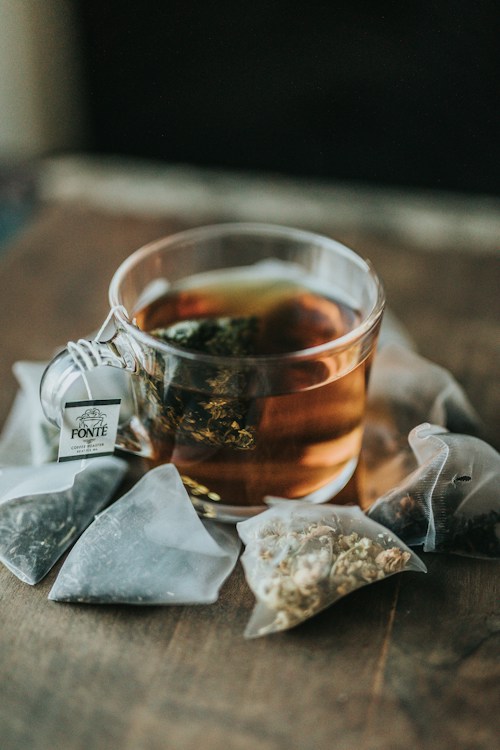
Warm drinks make it easier. Herbal tea, warm water with a slice of lemon, clear soups and milk can all count toward your daily fluids. Keep a bottle at your desk or bedside so you can sip through the day without thinking about it.
Quick card: The Warm Mug Habit
Tie one warm drink to something you already do every day, like your morning routine or the evening news. It becomes automatic, and you're hydrated before you notice.
Keep Moving Even When It's Cold
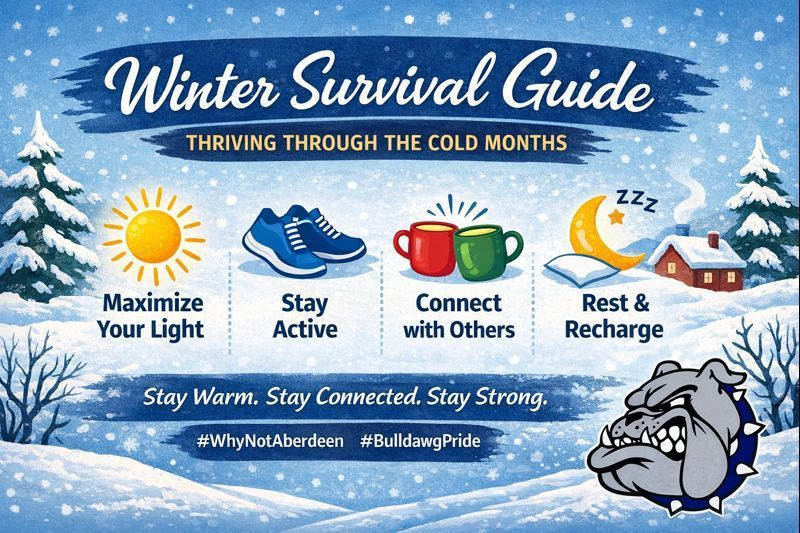
It's tempting to curl up under a blanket from November to February. But regular movement helps your mood, your sleep and your energy, and it keeps your body warm from the inside.
You don't need a gym. A brisk 20 to 30 minute walk, some stretching at home, a few rounds of yoga or a short dance session in the living room are all good choices. If mornings are too cold, move your walk to the sunniest part of the day, which also gives you some natural light.
Warm up properly
Cold muscles are more likely to feel stiff or get strained. Spend a few minutes doing gentle movements before you start any exercise, and dress in layers you can remove as you heat up.
Be careful with sudden effort
Very cold air can put extra strain on the heart, so avoid sudden heavy exertion in freezing conditions, such as shovelling snow or lifting something heavy right after a warm bed. If you have a heart condition or high blood pressure, ask your doctor what is safe for you.
Protect Yourself From Germs
Simple hygiene is still one of the best defences against winter bugs. Wash your hands with soap for about 20 seconds, especially before meals and after coming home from outside. If soap isn't available, a hand sanitiser is a fair backup.
Try not to touch your face with unwashed hands, because that's how germs often enter the body. Cover your mouth when you cough or sneeze, and stay home if you're sick so you don't pass it on to others. Opening a window for a few minutes each day lets fresh air replace stale indoor air, even in cold weather.
Wash hands often with soap and water
Keep your own towel, cup and personal items
Clean frequently touched surfaces like phones and door handles
Ask your doctor about seasonal vaccines, like the flu shot, especially for older adults and young children
Sleep Is Your Secret Weapon

When you're short on sleep, your body finds it harder to fight infections. Winter evenings come early, and it's easy to stay up late on your phone while lying in a warm bed. Try to keep a regular sleep schedule, aiming for around seven to nine hours as an adult.
Keep your bedroom comfortably cool but not freezing, and use enough blankets to stay warm without overheating. Avoid heavy meals and long screen time right before bed. A warm drink, a short stretch or a few pages of a book can help you wind down.
Sleep Habit | What to Do | Benefit |
|---|---|---|
Regular schedule | Sleep and wake at similar times daily | Keeps your body clock steady |
Comfortable room | Cool, dark and quiet with warm bedding | Helps you fall asleep faster |
Screen break | Put devices away 30 minutes before bed | Makes it easier to relax |
Light dinner | Eat 2 to 3 hours before sleeping | Avoids discomfort at night |
Morning light | Get some daylight soon after waking | Supports your natural rhythm |
Take Care of Your Mood Too
Short days and gloomy weather can affect how we feel. Many people notice they're a bit lower, slower or more tired in winter. For some, this feeling is stronger and returns every year, and it's sometimes called seasonal low mood.
Simple things help. Get outside in daylight every day, even if it's only for ten minutes. Stay in touch with friends and family, and plan small things to look forward to, like a movie night, a hobby or a weekend meal with loved ones. Regular exercise also lifts the mood for many people.
If you feel persistently sad, hopeless or unable to enjoy anything for more than a couple of weeks, please talk to a doctor or a mental health professional. It's common, and help is available.
Dress Smart for the Cold
Wear thermal clothing, sweaters, and jackets to stay comfortable in cold weather.
Use scarves or mufflers to cover your neck and protect yourself from chilly winds.
Wear gloves, warm socks, and suitable footwear when going outdoors.
Choose a warm cap or beanie to help retain body heat during cold days.
How you dress matters more than how heavily you dress. Wearing several thin layers traps warm air and lets you adjust as the temperature changes. A thin base layer, a warm middle layer and a windproof outer layer work well together.
Don't forget your head, hands and feet, since you lose a lot of heat from exposed areas. A hat, gloves and warm socks make a big difference. If your clothes get wet from rain or sweat, change them soon, because damp clothing makes you feel colder.
Look After Children and Older Adults

Young children and older adults feel the cold more and are more likely to get unwell. They may need extra care in winter. Make sure they're dressed warmly, eat regular meals and stay hydrated.
Older adults should keep their homes comfortably warm and avoid slippery surfaces, since falls are more common in cold, wet weather. If someone in your family has a long-term health condition, keep their medicines stocked and know when to call the doctor.
When to See a Doctor
Most winter colds get better with rest and fluids. But some signs need medical attention, and it's better to check early than to wait.
A high fever that doesn't settle after a few days
Difficulty breathing or chest pain
A cough that lasts for weeks
Severe dizziness, confusion or extreme tiredness
Symptoms that get worse after a short improvement
Final Thoughts
Staying healthy in winter doesn't require anything dramatic. Eat real, warm food, drink enough fluids, keep moving, wash your hands, sleep well and look after your mood. These small habits add up, and together they give your body the best chance to handle the season.
My uncle finally tried this last year. He started a daily evening walk, kept a flask of warm water nearby and went to bed on time. He still caught one mild cold in January, but it lasted three days instead of three weeks. He says that's the best winter he's had in years, and honestly, so do we.
FAQ's
Eat nutritious food, stay hydrated, exercise regularly, and get enough sleep.
Seasonal fruits, vegetables, nuts, seeds, and warm homemade meals are good choices.
Drinking enough water supports normal body functions, even when you feel less thirsty.
Use moisturizer, apply sunscreen, and avoid very hot showers.
Wear warm layers, gloves, socks, scarves, and a cap to stay comfortable.
Sources and notes
Links the author listed for this post.
Winter wellness tips showing healthy food, warm drinks, exercise, skincare, and daily habits to stay healthy in cold weather.

Discussion
0 comments