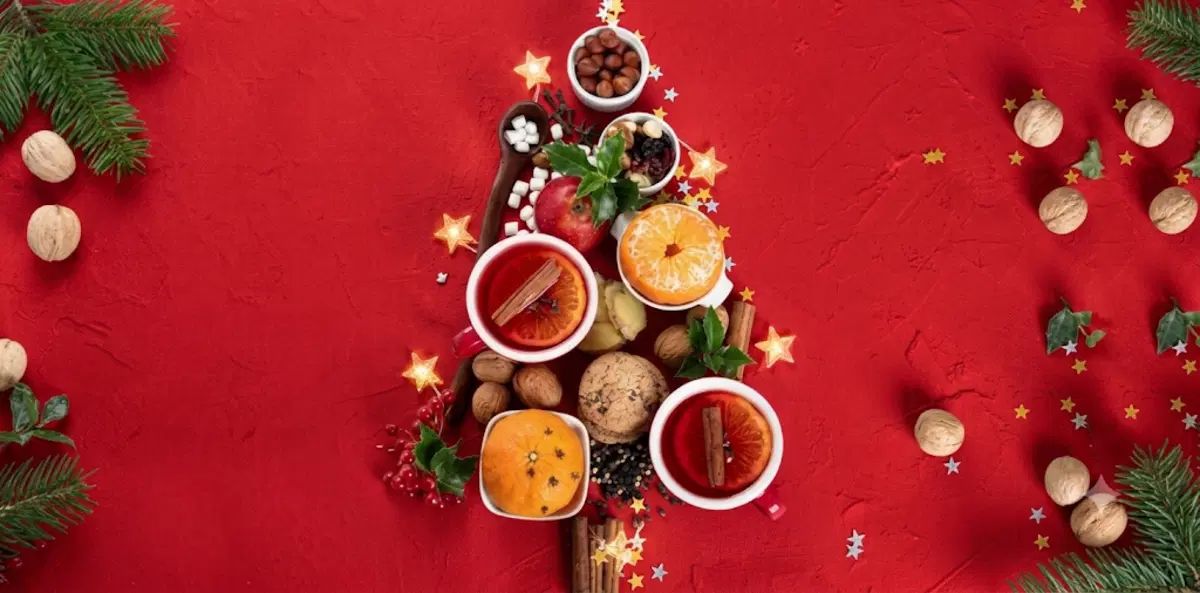
Christmas is one of the most enjoyable times of the year. Families come together, homes fill with festive decorations, and kitchens get busy with delicious food. From Christmas cakes and gingerbread cookies to roasted vegetables, traditional dinners and sweet desserts, holiday meals have a charm of their own. Food is not just about eating at this time of year, but also about sharing memories with the people we love. Everyone has a dish that instantly brings back childhood Christmases. That is what makes the season so warm and so delicious. It is also what makes it so easy to eat more than we planned.
The holiday season can make regular eating habits hard to keep. Busy schedules, family gatherings, office parties and tempting treats often lead to overeating. You may start the day with a normal breakfast and still end up with several snacks, desserts and heavy meals without noticing how much you have had. It happens to almost everyone.
The good news is that healthy eating does not mean giving up your favourite Christmas foods. You can enjoy festive recipes, homemade desserts and family dinners while making better choices. A little planning, mindful eating and balanced nutrition can keep you comfortable and energetic.
Here are some practical tips to make your celebrations more enjoyable without putting pressure on your health routine.
1. Maintain a Regular Eating Schedule During Christmas
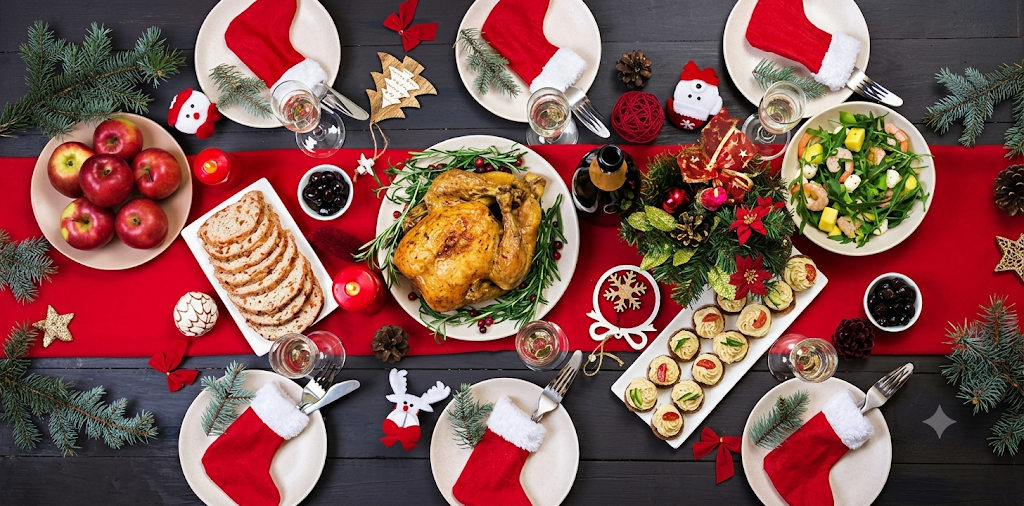
A common mistake during the holidays is changing your regular meal schedule. Some people skip breakfast because they are cooking a big Christmas dinner, while others avoid lunch before an evening party. This can leave you extremely hungry later and raise the chances of overeating.
Try to stick to your usual routine even when the day gets busy. Have breakfast, enjoy a balanced lunch and eat dinner at a comfortable time. If you are going to a party, a light snack before leaving home helps. A banana, a handful of almonds or a small bowl of yoghurt works well. Regular meal times mean you reach the dinner table hungry, not desperate.
2. Choose a Balanced Christmas Breakfast
Breakfast matters, especially when a full day of preparations lies ahead. Cooking, shopping, decorating and meeting guests can take more energy than you expect.
Instead of grabbing leftover cookies first thing in the morning, choose foods that give you useful nutrients. Oatmeal with fresh fruit, boiled eggs, whole-grain toast, yoghurt and nuts are simple options. A vegetable sandwich or fruit smoothie is great when you are short on time. If you like traditional Indian breakfasts, vegetable poha, idli or homemade vegetable upma also fit nicely into a balanced meal.
A good breakfast does not have to be complicated. Even a simple one helps you start the day with better habits.
3. Add Colourful Fruits and Vegetables to Festive Meals
Christmas meals often include rich gravies, creamy sauces, baked dishes and desserts. Adding fruits and vegetables is an easy way to bring variety and balance to the table.
Include carrots, broccoli, spinach, green beans, cauliflower and sweet potatoes in your menu, since they provide fibre, vitamins and minerals. Fresh fruit like apples, oranges, grapes, pears and pomegranates can be served as snacks or tossed into a colourful fruit salad. If you are hosting dinner, add a simple vegetable salad next to the main dishes, or serve roasted vegetables with herbs and a little olive oil.
These small additions make the meal brighter and give everyone healthier options without changing the festive mood.
4. Enjoy Your Favourite Christmas Foods in Moderation
Christmas is not the time to feel guilty about a slice of plum cake, chocolate pudding or homemade cookies. Avoiding your favourite foods completely can make the celebration feel restrictive. Focus on portion control instead.
Take smaller servings of rich dishes and eat them slowly. If you want to try several items, take a little of each rather than piling your plate high. It also helps to avoid eating straight from large snack packets or dessert boxes, because it is hard to notice how much you have had.
Mindful eating is about enjoying your food, recognising hunger and knowing when you feel satisfied. You can savour festive flavours and still keep your overall habits balanced.
5. Select Nutritious Snacks for Holiday Gatherings
Snacks seem to appear all day at Christmas. Visitors bring sweets, family members make special treats and office celebrations add even more temptation.
Instead of stocking only fried and packaged snacks, prepare a few healthier alternatives. Roasted chickpeas, almonds, walnuts, homemade popcorn, fresh fruit and yoghurt are easy choices. You can also make vegetable sandwiches, baked sweet potato wedges or snacks using whole-grain ingredients. For gatherings, a mixed platter of nuts, fruit slices and fresh vegetables offers something different from the usual cookies and chips.
You do not need to remove traditional snacks. Just add more variety so that every option is not sugary or heavily processed.
6. Drink Enough Water and Limit Sugary Beverages
Between shopping, cooking and social events, drinking water can easily slip your mind. Cold weather may also dull your sense of thirst. Still, hydration matters all year, since water supports digestion, normal body functions and temperature regulation.
Keep a water bottle nearby and sip regularly. Warm water, unsweetened herbal tea and homemade lemon water add some variety. Watch out for sugary drinks too, because soft drinks, sweetened juices and flavoured beverages can contain a lot of added sugar.
If you are hosting a party, offer sparkling water with lemon, mint-infused water or other unsweetened drinks alongside the traditional ones. These simple swaps make your menu more balanced.
7. Include Protein-Rich Foods in Your Christmas Menu
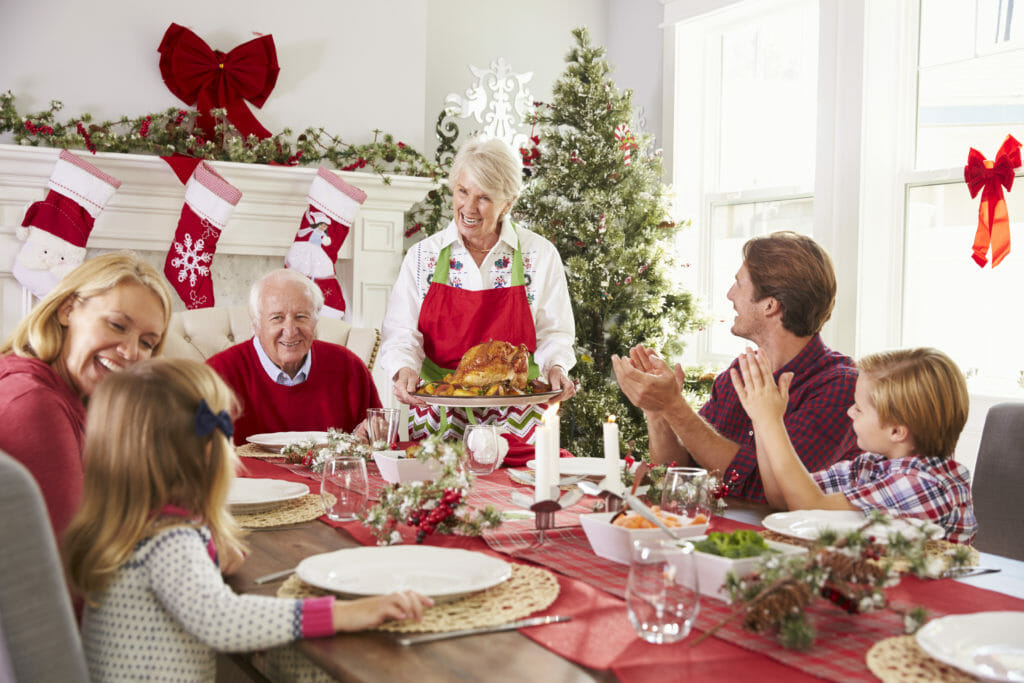
Protein supports muscle maintenance, growth and many everyday body functions, and it makes meals more satisfying. There are plenty of choices for both vegetarian and non-vegetarian menus. Eggs, fish, chicken, turkey, paneer, tofu, lentils, chickpeas, beans and yoghurt are all useful sources.
For a vegetarian Christmas dinner, you could make chickpea curry, grilled paneer, lentil soup or a vegetable and bean casserole. If your family prefers non-vegetarian food, baked fish or roasted chicken goes well with vegetables and whole grains.
Try to include a protein source in your main meals instead of relying only on bread, potatoes or desserts.
8. Make Small Changes to Traditional Christmas Recipes
You do not have to replace every traditional recipe. Small cooking changes can make festive meals more balanced while keeping the flavours everyone loves.
Bake or grill certain foods instead of deep-frying them. Use moderate amounts of butter, cream and added sugar, and add extra vegetables to pasta, casseroles and savoury bakes. When making cakes or cookies, you can reduce the sugar slightly if the recipe allows, and experiment with oats, whole-wheat flour, nuts and fresh fruit. Smaller dessert portions help too. Mini cakes, small pudding cups and bite-sized treats let guests try different flavours without huge servings.
The aim is to improve everyday food choices, not to remove the dishes that make Christmas special.
9. Avoid Eating Too Much Late at Night
Celebrations often stretch well into the evening. Late dinners, movie nights and long family chats can lead to snacking long after hunger has gone. A large, heavy meal just before bed may leave some people feeling uncomfortable.
Plan your main meals at reasonable times when you can. If you feel hungry later, pick a light snack instead of another big meal. A small bowl of yoghurt, a piece of fruit or a handful of nuts may do the job, depending on your appetite.
It also helps to avoid mindless snacking in front of the television. Ask yourself whether you are truly hungry or just eating because food is nearby.
10. Stay Physically Active During the Holidays
Healthy eating is only one part of a balanced lifestyle, and movement deserves attention during Christmas too. You do not need hours at the gym. Walking, cycling, dancing, outdoor games and even household chores help you stay active.
A family walk after Christmas lunch can become a lovely tradition. If you have children at home, organise a small outdoor game or a festive dance session. Even walking while shopping or helping with decorations adds movement to your day.
The key is to avoid sitting for long stretches. Choose activities you enjoy instead of treating exercise as a way to make up for festive meals.
11. Plan Your Christmas Shopping and Meals Wisely

Good food planning starts before Christmas Day. When your kitchen and fridge are organised, preparing nutritious meals gets much easier.
Make a shopping list with fresh vegetables, fruits, whole grains, protein sources and the ingredients for your favourite festive recipes. Avoid buying large quantities of snacks just because they are on offer, and buy what you realistically need for family and guests. You can also prepare some ingredients early by washing vegetables, portioning nuts, getting salad items ready and organising breakfast supplies before the busiest days.
This saves time and reduces the urge to depend on packaged food or last-minute takeaways.
12. Maintain a Healthy Relationship with Food
Perhaps the most important tip is to avoid being too strict with yourself. One festive dinner or a few days of desserts will not undo your regular healthy habits. What matters more is your overall eating pattern.
Enjoy the foods you love without unnecessary guilt. If you eat more than usual at a party, simply return to your normal routine at the next meal. Avoid extreme diets, skipped meals or excessive exercise to make up for holiday eating.
A positive relationship with food makes celebrations more enjoyable and helps you build habits that are easier to keep up all year.
Final Thoughts
Healthy eating at Christmas is about balance, not restriction. You can enjoy traditional meals, homemade desserts and family celebrations while making sensible choices that support your well-being.
Start the day with a nutritious breakfast, add fresh fruits and vegetables, keep portions balanced, drink enough water and stay active. Planning meals ahead and keeping healthier snacks handy can make a noticeable difference.
Most importantly, do not let food stress take away the joy of Christmas. Enjoy your favourite dishes, share meals with loved ones and return to your regular routine once the celebrations are over. With a little mindfulness and practical planning, you can have a delicious Christmas season and still look after your health.
Choose balanced meals and moderate portions.
Nuts, fruits, yoghurt and roasted chickpeas.
Eat slowly and avoid skipping meals.
Water, herbal tea and fresh lemon water.
Walk, dance, cycle or play outdoor games.
Sources and notes
Links the author listed for this post.
This article is based on general research, reliable industry information, and publicly available sources. Information has been reviewed for accuracy and clarity to provide readers with useful and relevant insights.
- 1


Discussion
0 comments
No comments yet
Discussion will appear here once it loads.