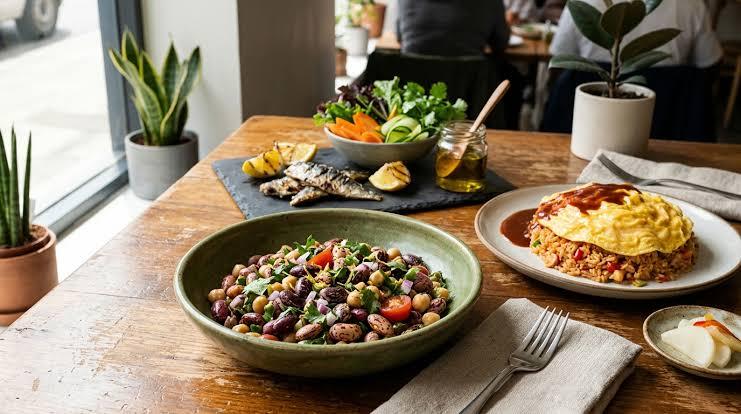
If you feel exhausted by extreme diet rules, calorie-counting apps, and the constant guilt of eating a slice of cake, you are in good company. Over the last few years, the way people think about nutrition has shifted dramatically. Instead of chasing rapid weight loss or cutting out entire food groups, everyday eaters are asking a much better question: How can I make the food I already love a little bit better for my body?
As we look toward 2027, healthy eating is moving away from rigid restrictions and leaning heavily into practicality, sustainability, and real nourishment. People want to know where their food comes from, how it supports their energy levels, and how they can eat well without spending a fortune on imported health powders.
What makes this shift so encouraging is its simplicity. You do not need to overhaul your kitchen overnight. Tossing a handful of fresh fruit into your morning oats, keeping a bowl of roasted chana at your desk instead of packaged chips, or adding an extra serving of greens to your lunch are small, realistic upgrades. Over months and years, those tiny choices change everything.
Let’s take a closer look at the biggest healthy eating trends shaping 2027—and more importantly, how you can bring them onto your own plate without the stress.
1. Gut Health Takes Centre Stage
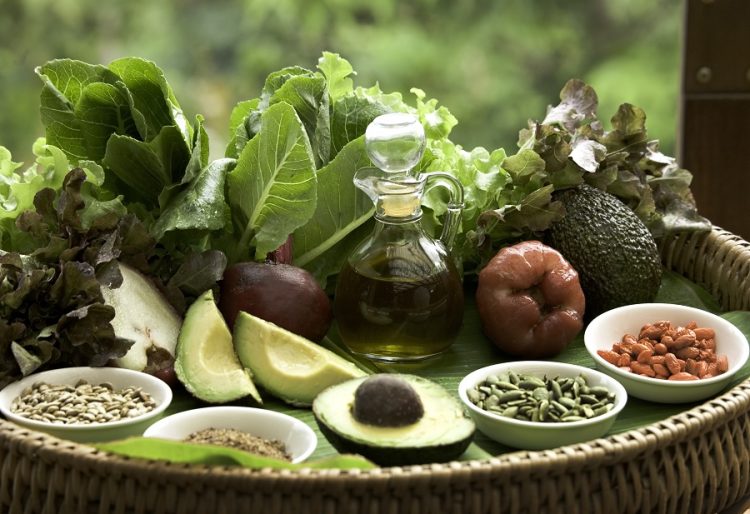
If there is one nutrition topic that refuses to slow down, it is gut health. By 2027, caring for your digestive system won't just be something you do when you have an upset stomach; it will be a daily foundation for immunity, mood, and steady energy. People are finally connecting the dots between what happens in their digestive tract and how they feel throughout the day.
This awareness is driving huge interest in two main things: fermented foods packed with beneficial live bacteria, and prebiotic fibres that feed those good microbes.
While international staples like kimchi, sauerkraut, and kefir are popping up in more supermarkets, you do not need to look far to find incredible gut-friendly foods. Traditional Indian kitchens have been mastering gut health for centuries. A bowl of fresh homemade curd (dahi), a glass of spiced buttermilk (chaas), or fermented batters used for idli and dosa are powerhouse additions to a daily diet. Pair those with everyday fibre heroes like bananas, apples, oats, lentils, and seasonal sabzis, and your gut microbiome gets exactly what it needs to thrive.
The beauty of this trend is that it brings us back to basics. Rather than relying on pricey probiotic capsules, you can support your digestion using affordable, familiar ingredients already sitting in your kitchen.
2. Plant-Forward Eating (Without the Strict Labels)
For a long time, eating more plants felt like an all-or-nothing club: either you were strictly vegan or vegetarian, or you weren't participating at all. In 2027, that mindset is fading fast. The focus is shifting toward plant-forward eating—a flexible approach where fruits, vegetables, legumes, nuts, and seeds take up more space on the plate, regardless of whether you occasionally eat meat, fish, or eggs.
Why is this catching on? For starters, it is easy on the wallet and gentle on the planet. More people are paying attention to the environmental footprint of their meals, and swapping a meat-heavy dish for a hearty legume curry twice a week is an effortless way to eat sustainably.
In practical terms, plant-forward eating looks like adding a scoop of boiled chickpeas (chana) or kidney beans (rajma) to your lunchtime salad, tossing mixed sprouts into your morning poha, or spreading mashed avocado or hummus onto whole-wheat toast.
One quick word of caution as this trend grows: watch out for ultra-processed "plant-based" junk food. A frozen burger patty or a bag of crisps stamped with a green "100% Plant-Based" badge can still be loaded with refined oils, excess sodium, and artificial fillers. Always flip the packet over and read the actual ingredient list. Real plant-based eating comes from the produce aisle and the pulse jar, not a chemistry lab.
3. Smarter, Balanced Protein Choices
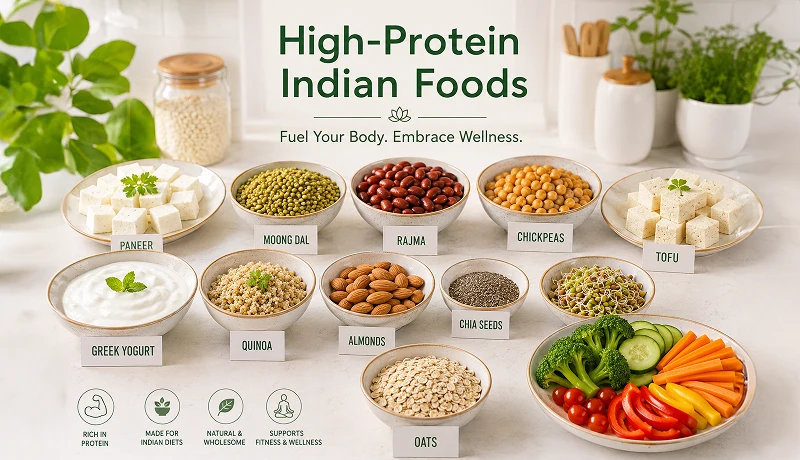
Protein has been the darling of the fitness world for years, and its momentum isn't slowing down in 2027. However, the conversation around protein is maturing. Instead of chugging chalky shakes or obsessing over hitting massive, bodybuilder-style numbers, everyday consumers are focusing on consistent, well-rounded protein intake across all meals to support muscle health, steady blood sugar, and satiety.
Getting enough protein doesn't require eating chicken breast at every meal, nor does it require expensive protein bars. Look at the variety available in a standard household:
Dairy & Eggs: Milk, paneer, Greek yogurt, homemade curd, and whole eggs.
Legumes & Soy: Moong dal, masoor dal, chickpeas, black beans, soybeans, tempeh, and tofu.
Nuts & Seeds: Almonds, peanuts, pumpkin seeds, hemp seeds, and chia seeds.
A breakfast of two besan chillas stuffed with grated paneer and served with a side of curd delivers a serious protein punch before your workday even starts. Similarly, pairing your evening dal and roti with a generous portion of tofu or soya chunks turns a carbohydrate-heavy meal into a balanced, muscle-supporting dinner.
As food brands slap "HIGH PROTEIN" labels onto everything from cookies to sugary cereals, remember to stay sceptical. Check the nutrition table to see how many grams of protein you are actually getting per serving—and how much added sugar comes along for the ride. Your body needs real nourishment, not clever marketing.
4. Personalised Nutrition Over One-Size-Fits-All Diets
Have you ever followed a friend's exact diet plan, only to feel sluggish, bloated, or constantly hungry while they felt fantastic? That happens because human bodies are remarkably unique. Genetics, gut bacteria, stress levels, sleep quality, age, and daily movement all influence how you process food.
In 2027, personalised nutrition is moving from a luxury niche into mainstream awareness. Thanks to accessible health tracking, smarter nutrition apps, and a broader cultural shift away from fad diets, people are realising that the "best" diet is simply the one tailored to their body and lifestyle. A construction worker or marathon runner needs vastly different carbohydrate and calorie portions than someone working a desk job from home.
While digital food trackers and online calculators are great for spotting patterns—like realising you barely eat any vegetables on busy weekdays—they have their limits. Algorithms cannot replace human expertise. If you are managing diabetes, thyroid issues, PCOS, or food intolerances, skip the generic internet meal plans and consult a qualified registered dietitian who can build a strategy safely around your medical profile.
5. Functional Foods That Actually Earn Their Keep
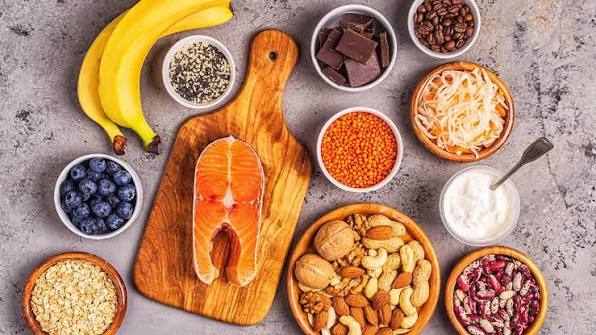
The term "functional foods" sounds technical, yet the idea is straightforward: these are foods that offer health benefits beyond basic calories and macronutrients. Think of ingredients that actively support focus, immunity, heart health, or restful sleep.
Walk down any supermarket aisle in 2027, and you will see shelves packed with adaptogenic coffees, vitamin-infused waters, and snacks fortified with ashwagandha, turmeric, or omega-3s. While some of these products are genuinely convenient, many are simply overpriced versions of basic foods dressed up in trendy packaging.
Before spending extra money on fancy functional snacks, look at the natural functional foods that have stood the test of time:
Flaxseeds and walnuts for brain-supporting omega-3 fatty acids.
Turmeric paired with black pepper for natural anti-inflammatory support.
Oats and barley for beta-glucan fibre that helps manage cholesterol.
Pumpkin seeds and dark leafy greens for magnesium, which supports muscle relaxation and sleep.
Start by weaving these whole ingredients into your daily routine. If you want to try a fortified drink or specialty snack later on, do a quick check to ensure its health claims are backed by real science rather than hype.
6. Dietary Fibre Becomes the New Nutrition Superstar
For the past decade, protein stole all the headlines while fibre quietly sat in the corner. In 2027, fibre is finally stepping into the spotlight. Nutritionists and doctors are sounding the alarm on the widespread "fibre gap"—most adults get barely half the daily fibre their bodies need for smooth digestion, healthy cholesterol levels, and long-term heart health.
Fibre slows down the absorption of sugar into your bloodstream, preventing those mid-afternoon energy crashes that send you reaching for caffeine or sweets. It also keeps you full for hours, making weight management feel effortless rather than a battle of willpower.
Boosting your fibre intake doesn't require eating bowls of dry bran. Small swaps make a massive difference:
Choose whole fruits like guava, pears, apples (with the skin on!), and berries instead of drinking strained fruit juices.
Rotate traditional whole grains like bajra, jowar, ragi, and brown rice into your week alongside standard wheat rotis.
Toss a tablespoon of chia seeds, roasted flaxseeds, or sunflower seeds onto your morning porridge or curd.
One practical tip: increase your fibre slowly and drink plenty of water. Jumping from a low-fibre diet to eating beans and whole grains at every meal overnight can cause bloating and gas. Give your digestive system a couple of weeks to adjust comfortably.
7. Ancient Fermentation Meets Modern Kitchens

While fermented foods tie closely into the gut health movement, they deserve their own spotlight because of how they are changing home cooking in 2027. People are rediscovering the magic of fermentation—not just for its digestive perks, but for the rich, tangy, complex flavours it brings to simple meals.
Across India, fermentation is woven into daily culinary heritage. From fluffy steamed idlis and crispy dosas to tangy kanji made with black carrots and mustard seeds in winter, traditional kitchens have always understood how beneficial microbes transform humble grains and vegetables. At the same time, home cooks are experimenting with global ferments like homemade sauerkraut, pickled onions, and kombucha.
Keep in mind that heat kills live probiotics. Baking sourdough bread or steaming idli batter makes the grains much easier to digest and unlocks nutrients, even though the high cooking temperatures destroy the live bacteria. For active live cultures, balance cooked ferments with raw, unpasteurised options like fresh homemade curd, raw pickled vegetables, or chilled kefir.
8. Local, Seasonal, and Low-Waste Eating
Healthy eating in 2027 isn't just about what happens inside your body—it is also about how your food choices impact the world around you. As climate awareness grows and food prices fluctuate, consumers are paying closer attention to seasonal eating, local sourcing, and cutting down kitchen waste.
Buying fruits and vegetables that are naturally in season isn't just good for local farmers; it is better for your taste buds and your bank account. Produce harvested at its peak ripeness—like sweet summer mangoes, winter carrots, or monsoon greens—packs far more flavour and higher nutrient density than out-of-season items shipped across the globe in cold storage.
Reducing food waste at home is another massive piece of the puzzle. Planning your meals before heading to the vegetable market stops impulse buying and keeps produce from rotting in the back of the fridge. And when you do have leftover sabzi, dal, or boiled rice? Turn them into stuffed parathas, crispy vegetable cutlets, hearty soups, or a quick spiced pulao the next day. Sustainable eating is really just smart, resourceful cooking.
9. Low-Sugar Hydration and Smarter Beverages

Take a look at the nutrition label on a typical bottled iced tea, packaged fruit juice, or "energy" drink, and you might be shocked to find six or seven teaspoons of added sugar hiding inside a single bottle. In 2027, consumers are wising up to liquid sugar and actively searching for cleaner, lower-sugar ways to stay hydrated.
Plain water will always remain the undisputed champion of hydration. If you find plain water boring, infuse a jug with cucumber slices, fresh mint leaves, ginger, or a squeeze of lime. Traditional coolers like unsweetened tender coconut water, plain chaas with roasted cumin, or nimbu pani made with just a pinch of black salt are refreshing, hydrating, and gentle on your blood sugar.
Beverage aisles will certainly feature plenty of flashy electrolyte powders, prebiotic sodas, and vitamin waters in 2027. While electrolyte drinks are genuinely helpful after an intense, sweaty workout or during extreme summer heat, most people sitting in air-conditioned offices do not need extra sodium and sweeteners in their daily drinks. Always check the sugar count before taking a sip.
10. Whole Foods Over Ultra-Processed Convenience
Over the past few years, researchers have highlighted the health risks of ultra-processed foods (UPFs)—products loaded with industrial emulsifiers, artificial flavours, refined starches, and preservatives that bear little resemblance to real ingredients. In response, 2027 is seeing a strong swing back toward whole and minimally processed foods.
This doesn't mean you have to grind your own flour or bake every loaf of bread from scratch. There is a big difference between minimally processed convenience foods and ultra-processed junk. Frozen peas, plain yogurt, rolled oats, canned chickpeas, and cold-pressed oils save you time in the kitchen while still delivering real, intact nutrition.
The goal is simply to cook a little more at home using recognisable ingredients. A 20-minute dinner of vegetable khichdi, a quick paneer bhurji with whole-wheat toast, or a bowl of lentils and sautéed spinach beats a heavily processed ready-meal every single time—both for your energy levels and your long-term health.
11. Mindful Eating: Rebuilding a Healthy Relationship With Food
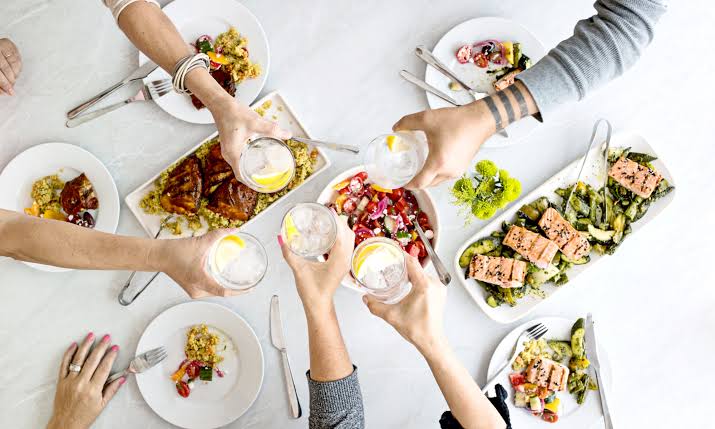
How often do you finish an entire lunch while staring at a laptop screen or scrolling through your phone, barely tasting a single bite? In our hyper-connected lives, distracted eating has become the norm—and it often leads to overeating, sluggish digestion, and feeling unsatisfied even after a full meal.
Mindful eating is emerging as one of the most refreshing wellness trends for 2027 because it costs nothing and requires zero meal prep. Mindful eating is simply the practice of slowing down, paying attention to your food, and listening to your body's natural hunger and fullness cues.
Try putting your phone in another room during dinner, sitting down at a table rather than eating standing up at the kitchen counter, and chewing your food properly. Notice the textures, spices, and aromas on your plate. When you eat slowly, your brain has time to receive the signal from your stomach that you are comfortably full—which usually takes about 20 minutes. Best of all, mindful eating removes food guilt. When you truly savour a piece of dark chocolate or a festive sweet without distraction, a small portion feels deeply satisfying.
12. Nutrition for Strength and Healthy Ageing
People are no longer waiting until their sixties to think about bone density, joint mobility, and muscle strength. In 2027, healthy ageing is becoming a proactive priority for adults in their twenties, thirties, and forties. Everyone wants to stay active, independent, and sharp well into their later decades—and daily nutrition plays a starring role in making that happen.
Supporting your body for the long haul comes down to a few key nutritional pillars:
Adequate Protein: To prevent natural age-related muscle loss (sarcopenia) and keep metabolism strong.
Calcium and Vitamin D: Found in dairy, ragi, sesame seeds (til), fortified foods, and safe sunlight exposure to keep bones resilient.
Antioxidant-Rich Colours: Eating a variety of deep greens, bright reds, oranges, and purples to protect cells from everyday oxidative stress.
Healthy Fats: Nuts, seeds, olive oil, mustard oil, and fatty fish to support brain function and joint health.
Of course, food doesn't work in isolation. Pairing nutrient-dense meals with regular strength training, daily walks, quality sleep, and routine health check-ups is the closest thing we have to a real fountain of youth.
In 2027, healthy eating will focus on gut health, fibre-rich meals, balanced protein, plant-forward eating, and simple whole foods instead of strict diets.
You can easily support your gut by adding homemade curd, buttermilk, bananas, oats, lentils, and seasonal vegetables to your daily meals.
No, plant-forward eating simply means adding more vegetables, pulses, nuts, and seeds to your regular meals without cutting out everything else.
Fibre keeps you full for longer, supports smooth digestion, and prevents sudden afternoon energy crashes caused by blood sugar spikes.
Start small by drinking more water, eating without phone distractions, and swapping one packaged snack a day for fresh fruit or roasted nuts.
Sources and notes
Links the author listed for this post.
Information is based on nutrition research, food industry reports, dietary recommendations, and emerging consumer food preferences. The article focuses on practical approaches to balanced nutrition and healthy lifestyle choices.
More on AltFTool
- AltFTool (opens in a new tab)
altftool.com
Discussion
0 comments
No comments yet
Discussion will appear here once it loads.