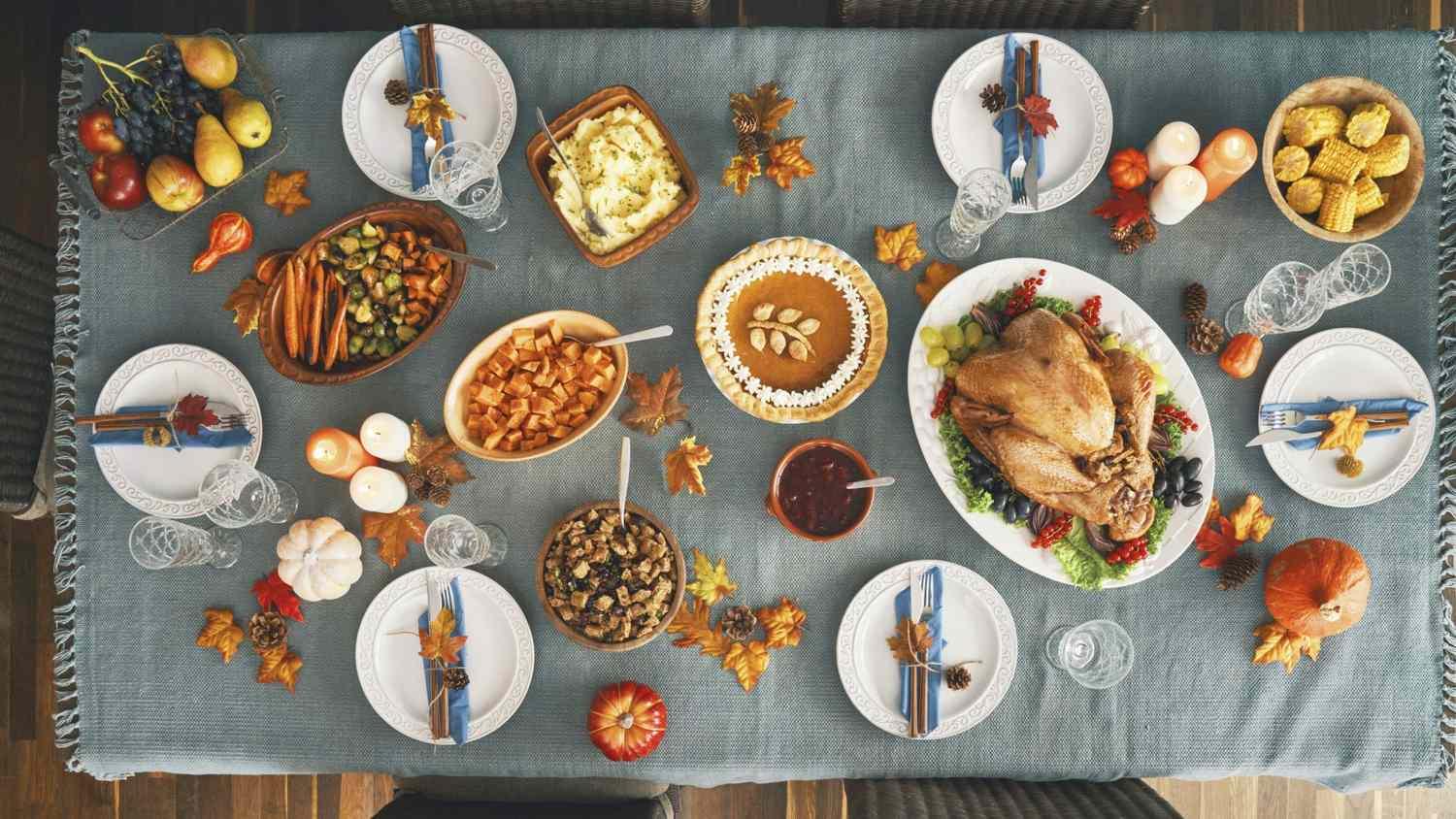
Few things bring people together quite like the smell of a Thanksgiving kitchen. Long before anyone sits down at the table, the house fills with the warmth of roasting turkey, simmering gravy, and baked spices. Across the United States, families spend days planning, shopping, and cooking for this one special meal. It is a holiday built around gratitude, good company, and plates piled high with comfort food.
What makes a Thanksgiving dinner truly special is not just how good it tastes, but the stories baked into every dish. Some of the recipes on the table go back hundreds of years to Indigenous harvests and early colonial kitchens. Others were invented in the 1950s by test-kitchen chefs trying to make weeknight cooking easier. Over the decades, all of these foods blended together into the classic holiday spread we know today.
Whether you are hosting your very first Thanksgiving dinner or just love learning about food history, here is a closer look at 10 traditional Thanksgiving foods, where they came from, and why they still earn a spot on the table every November.
1. Roasted Turkey: The Undisputed Star of the Table
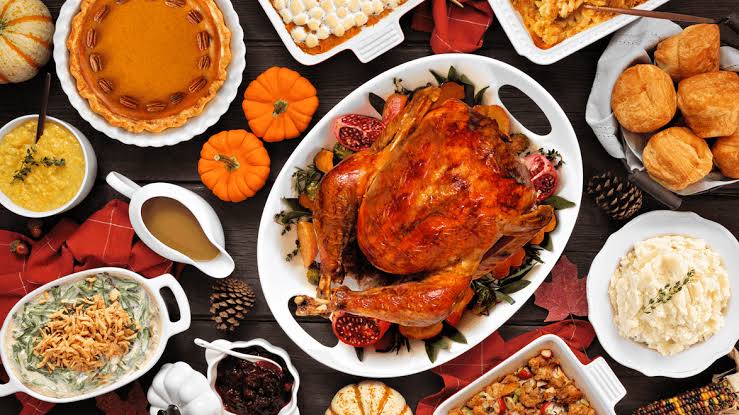
When you picture a Thanksgiving table, a golden-brown roasted turkey is almost always sitting right in the middle. Served alongside rich gravy, stuffing, and roasted vegetables, it is the centerpiece that anchors the entire meal.
Wild turkeys are native to North America, which made them an abundant food source for both Indigenous peoples and early European settlers. Interestingly, while historical letters from the famous 1621 harvest feast between the Pilgrims and the Wampanoag mention "wildfowl," historians are not entirely sure whether turkey was actually on the menu that day—it could just as easily have been duck, goose, or swan.
Turkey’s real rise to Thanksgiving fame happened in the 1800s. Influential writers, including magazine editor Sarah Josepha Hale—who famously campaigned for decades to make Thanksgiving a national holiday—frequently wrote about roast turkey as the ultimate holiday feast. By the time Abraham Lincoln declared Thanksgiving a national holiday in 1863, turkey was already a household staple.
Why we still love it: A well-cooked turkey offers a great mix of textures and flavors—crispy, herb-rubbed skin on the outside and juicy, tender meat on the inside. Plus, half the joy of making a whole turkey happens the next day, when the leftovers turn into loaded sandwiches, warm turkey noodle soup, or savory pot pies.
2. Creamy Mashed Potatoes: The Ultimate Comfort Side
If turkey is the star of the show, mashed potatoes are the reliable co-star that everyone secretly looks forward to the most. Soft, buttery, and mild, they act like a blank canvas for rich turkey gravy.
Potatoes originally come from the Andes mountains of South America, where Indigenous farmers cultivated them thousands of years ago. Spanish explorers brought them to Europe in the 1500s, and European settlers eventually carried them back to North America. By the 18th century, mashed potatoes were showing up in early American cookbooks, often beaten with butter, cream, and a pinch of nutmeg.
Today, almost every family has a strong opinion on how mashed potatoes should be made. Purists stick to Yukon Gold or Russet potatoes whipped with real butter, warm milk, and salt. Others like to dress them up with roasted garlic, sour cream, cream cheese, or fresh chives.
Why we still love it: Mashed potatoes are pure comfort food. They are easy to make in big batches for a crowd, pair effortlessly with every other dish on the plate, and soak up sauces better than anything else on the table.
3. Cranberry Sauce: Sweet, Tart, and Bright
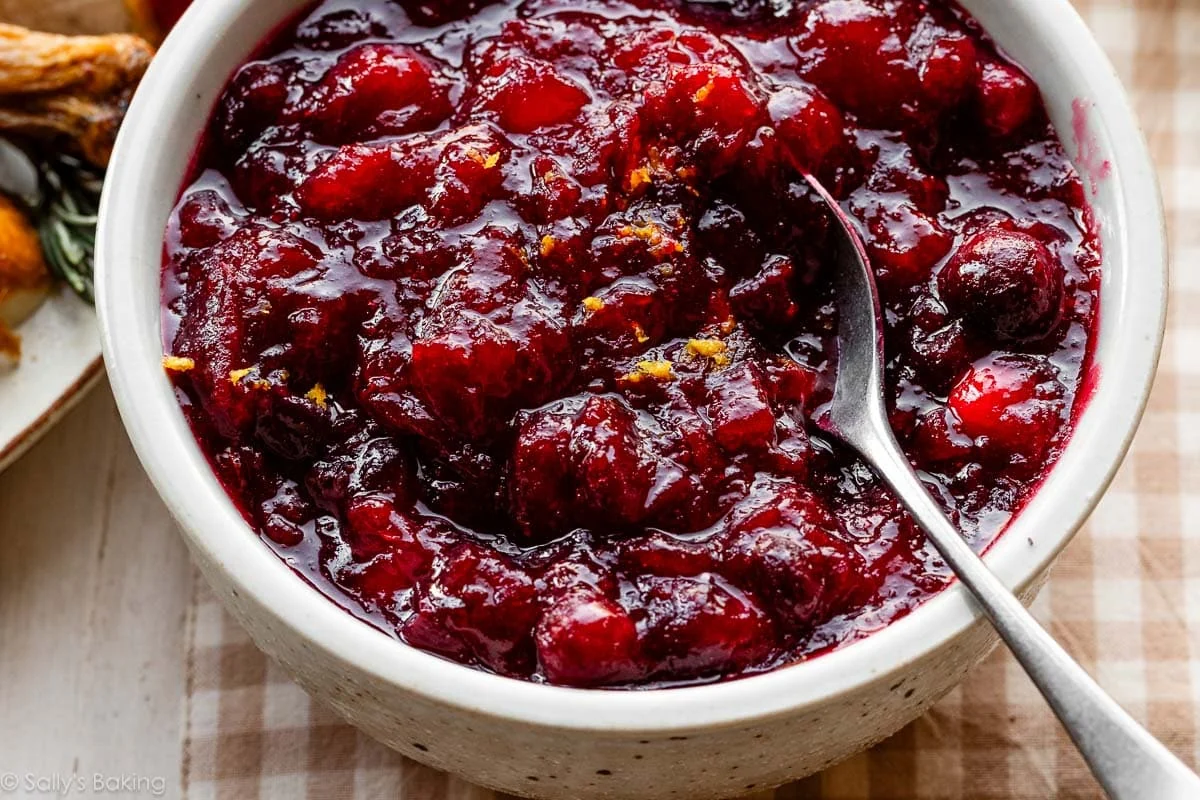
Every heavy, savory meal needs something bright to wake up your taste buds, and that is exactly what cranberry sauce does. That glossy ruby-red scoop on the side of your plate cuts right through the richness of dark meat, butter, and gravy.
Cranberries are one of the few major commercial fruits native to North America. Long before settlers arrived, Indigenous tribes harvested wild cranberries from northern bogs. They ate them fresh, dried them for winter storage, used them as natural fabric dye, and mixed them with dried meat and fat to make pemmican, a nutrient-dense travel food.
For generations, making cranberry sauce meant standing over a stove boiling fresh berries with sugar. That changed in 1912 when a lawyer-turned-cranberry-grower named Marcus Urann started canning cranberry sauce, eventually forming the Ocean Spray cooperative. Suddenly, families could enjoy cranberries year-round with zero prep work.
Why we still love it: It sparks one of Thanksgiving’s funniest harmless debates: team canned jelly (complete with the ridges from the can) versus team homemade whole-berry sauce simmered with orange peel and cinnamon. Either way, a tiny spoonful makes every bite of turkey taste better.
4. Stuffing (or Dressing): A Recipe Passed Down Through Generations
Ask ten different people what goes into stuffing, and you will get ten completely different answers. At its core, stuffing is a savory mix of cubed bread, sautéed onions, celery, butter, herbs like sage and thyme, and broth. Depending on where you live, families might fold in breakfast sausage, tart apples, oysters, wild mushrooms, or dried cranberries.
The idea of stuffing meat or poultry dates back to ancient Rome, where cooks used herbs, grains, and vegetables to keep roasted meats moist and stretch expensive ingredients further. When European settlers came to America, they adapted those old-world habits using local bread and cornmeal.
Technically, if you bake the mixture inside the turkey cavity, it is called stuffing. If you bake it separately in a casserole dish—which many modern cooks prefer for food safety and crispier edges—it is called dressing.
Why we still love it: More than almost any other dish, stuffing carries family history. People rarely measure ingredients carefully when making it; they just know how it is supposed to look, smell, and taste based on how their parents or grandparents made it.
5. Sweet Potato Casserole: Where Dinner Meets Dessert
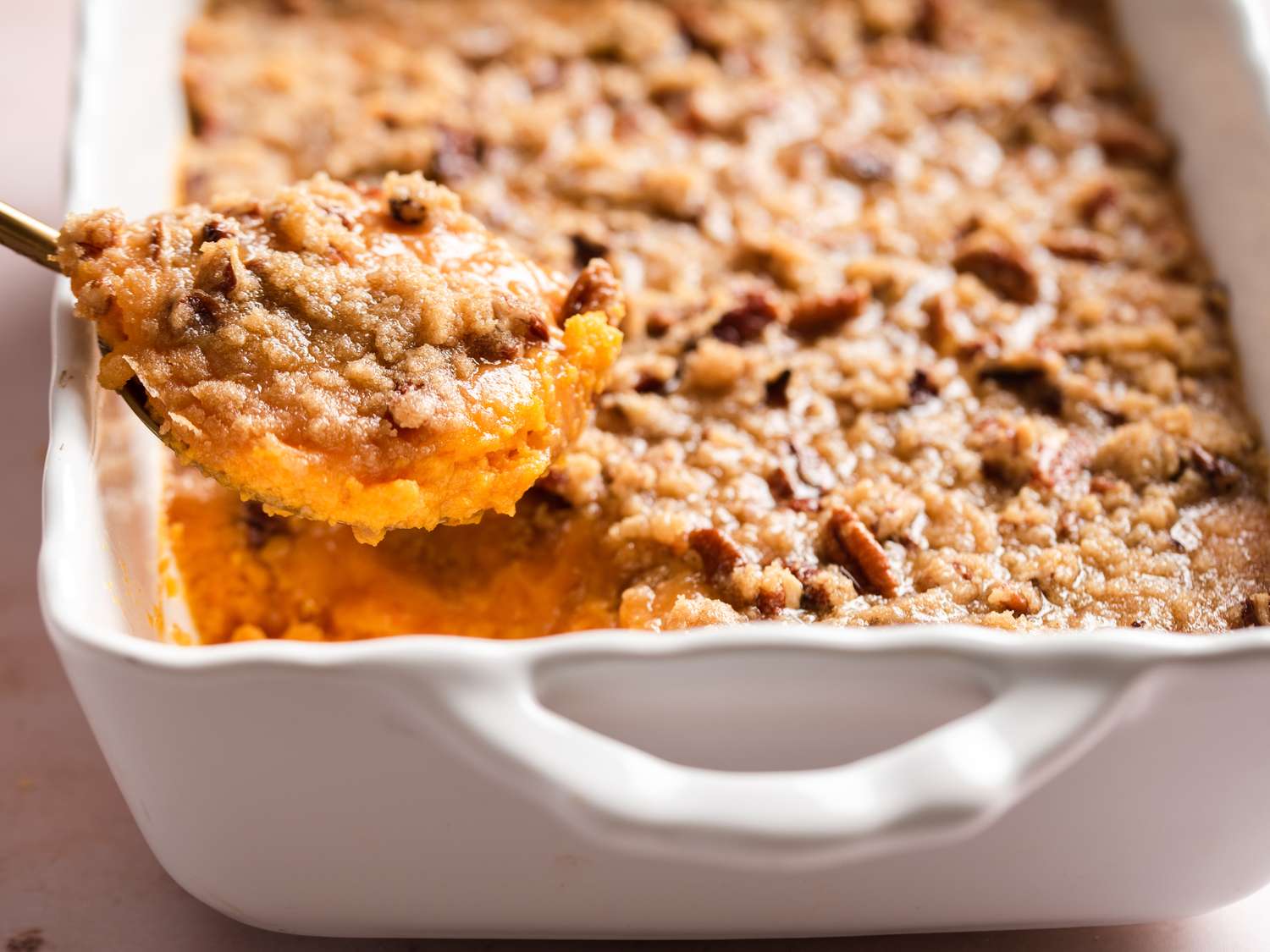
Sweet potato casserole blurs the line between a savory side dish and a full-blown dessert, and nobody at the Thanksgiving table complains about it.
Sweet potatoes have deep roots in the Americas and became a cornerstone of Southern cooking because they grew well in warm climates and stored easily through winter. Early versions of sweet potato dishes were often savory, seasoned simply with butter and salt.
The sweet, decadent casserole we recognize today took off in the early 20th century. In 1917, the Angelus Marshmallows company hired a cookbook author to create recipes encouraging home cooks to use marshmallows as an everyday ingredient. One of those recipes featured mashed sweet potatoes topped with melted marshmallows—and a holiday icon was born.
Why we still love it: You get to choose your own adventure with the topping. Some people swear by the gooey, toasted marshmallow layer, while others prefer a crunchy brown-sugar pecan streusel. Both versions bring warm spices like cinnamon and nutmeg to the dinner plate.
6. Green Bean Casserole: The 1950s Pantry Classic
Unlike turkey or cornbread, green bean casserole has no connection to colonial history. Instead, it is a proud invention of mid-century American convenience cooking—and it has earned every bit of its popularity.
In 1955, a home economist named Dorcas Reilly was working in the Campbell Soup Company’s test kitchen in New Jersey. Her assignment was to create a quick, tasty recipe using two items almost every American household already kept in the pantry: green beans and cream of mushroom soup. She stirred them together with a splash of milk, black pepper, and soy sauce, then topped the dish with crispy French-fried onions.
At first, the recipe did not get much attention, but once Campbell’s started printing it right on the soup can labels, it became an overnight sensation. Today, millions of cans of soup and fried onions are sold every November specifically for this dish.
Why we still love it: It nails texture contrast. You get tender green beans, a rich and velvety mushroom sauce, and a salty, shatteringly crisp onion topping—all in a dish you can throw together in ten minutes.
7. Pumpkin Pie: Autumn in a Pastry Crust
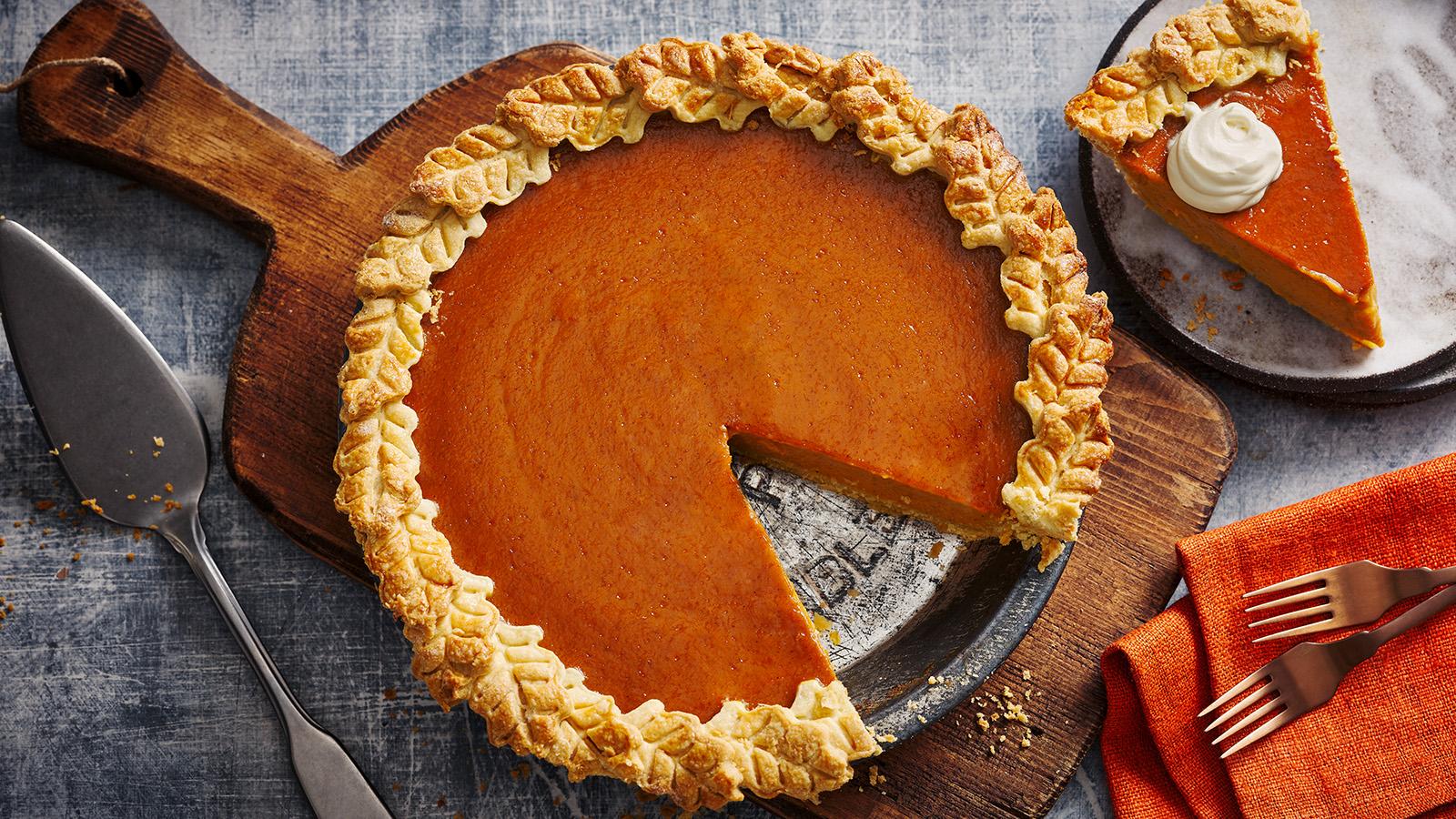
No matter how full people claim to be after dinner, there is always room for a slice of pumpkin pie topped with a dollop of whipped cream.
Pumpkins and winter squash were staple crops for Indigenous communities across North America for thousands of years. Early colonists quickly learned to rely on them, too. However, the earliest versions of "pumpkin pie" looked nothing like today’s dessert. Colonists would slice the top off a pumpkin, scoop out the seeds, fill the hollow shell with milk, honey, and spices, and bake it whole in hot ashes.
Over the 1700s and 1800s, recipes evolved to include flaky pastry crusts, eggs, brown sugar, and warming spices like cinnamon, ginger, nutmeg, and cloves. By the mid-19th century, pumpkin pie was firmly established as a New England Thanksgiving tradition.
Why we still love it: Those warm spices immediately signal that autumn has arrived. The silky, spiced custard against a buttery, flaky crust is the exact right way to wind down after a big savory meal.
8. Warm Dinner Rolls: Simple, Soft, and Essential
Dinner rolls might not get the spotlight like the turkey or pies, yet a Thanksgiving basket feels incomplete without them. Soft, pillowy, and brushed with melted butter, they are the quiet workhorses of the holiday meal.
Bread has been a symbol of hospitality and sharing across cultures for thousands of years. In the United States, classic Thanksgiving rolls often take the form of Parker House rolls—named after Boston’s famous Parker House Hotel in the 1870s, where bakers folded buttered dough ovals in half so they baked up tender and layered.
Why we still love it: Dinner rolls serve multiple duties at the table. They are ideal for sopping up the last streaks of gravy on your plate, and once the main meal wraps up, they make the best mini sliders for leftover turkey and cranberry sauce.
9. Cornbread: A Dish with Deep Indigenous Roots
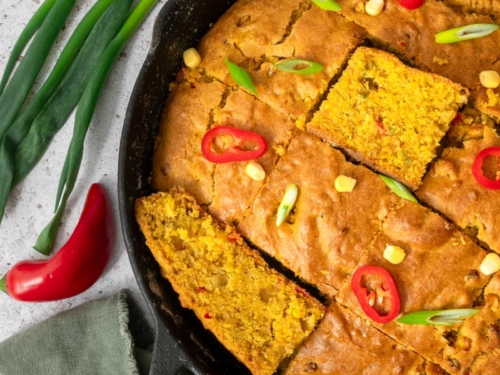
Particularly across the American South, cornbread holds a place of honor right alongside—or even in place of—regular dinner rolls.
Long before European ships arrived, Indigenous nations mastered the cultivation of maize (corn), developing farming techniques and grinding dried corn into meal to bake flatbreads and cakes over open fires. European settlers depended heavily on cornmeal when wheat flour was scarce, adapting Indigenous cooking methods into skillet cornbread.
Today, cornbread sparks friendly regional rivalries. Southern-style cornbread is usually baked in a sizzling cast-iron skillet with buttermilk and little to no sugar, giving it a crisp crust and savory flavor. Northern-style cornbread tends to be sweeter, softer, and almost cake-like.
Why we still love it: Aside from tasting wonderful warm with honey butter, day-old cornbread is the secret weapon behind Southern cornbread dressing, giving holiday stuffing a rich, earthy flavor that plain white bread just cannot match.
10. Pecan Pie: A Rich Southern Finale
If pumpkin pie represents New England’s Thanksgiving heritage, pecan pie is the undisputed pride of the American South.
Pecan trees are native to the Mississippi Valley and parts of Texas and northern Mexico. Indigenous peoples harvested wild pecans for centuries, valuing them because they were easy to crack and packed with healthy fats and energy.
While pecan desserts existed in the 1800s, pecan pie really took off in the 1930s when the makers of Karo corn syrup printed a simple, foolproof pecan pie recipe on their bottle labels. Mixing eggs, sugar, butter, vanilla, and corn syrup created a gooey, caramel-like filling that baked up reliably every time.
Why we still love it: The combination of crunchy, toasted nuts on top and a sweet, buttery custard underneath is hard to beat. Many modern bakers like to add a splash of bourbon, a handful of dark chocolate chips, or a pinch of flaky sea salt to balance the sweetness.
Why These Food Traditions Matter Today
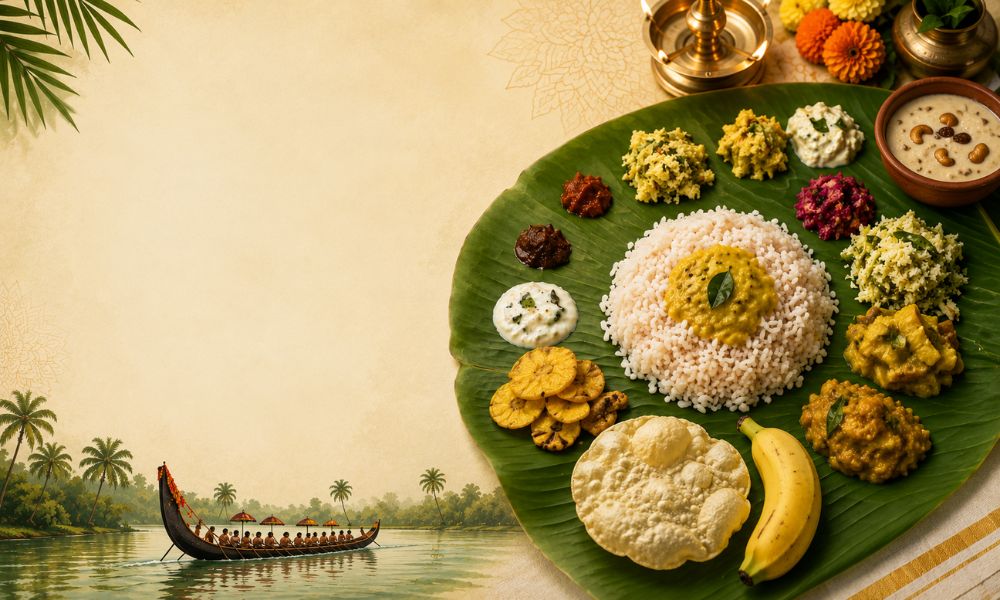
Looking at a full Thanksgiving spread is a bit like looking at a timeline of American history. You have native ingredients like turkey, cranberries, corn, and pumpkins that sustained Indigenous communities for centuries. Alongside them sit European baking traditions, Southern agricultural staples, and even 20th-century grocery store shortcuts.
At the same time, Thanksgiving tables are always evolving. Many modern households swap out traditional dishes—or add new ones—to reflect their own heritage and tastes. You are just as likely to see tamales, mac and cheese, garlic noodles, or plant-based roasts sitting next to the mashed potatoes today. And honestly, that is the whole point. Thanksgiving has never been about following strict culinary rules; it is about bringing the foods you love to the table and sharing them with the people who matter most.
Quick Tips for a Stress-Free Thanksgiving Dinner
If you are planning to cook a Thanksgiving meal this year, keeping things simple will help you actually enjoy the day instead of getting stuck in the kitchen:
Prep ahead what you can: Cranberry sauce, pumpkin pie, and pecan pie actually taste better when made a day or two in advance, freeing up valuable oven space on Thursday.
Keep the menu balanced: You do not need twelve side dishes. One main protein, three or four well-made sides, a bread option, and one or two desserts are more than enough to keep everyone happy.
Set the mood effortlessly: A few candles, small pumpkins or autumn leaves down the center of the table, and a good background playlist go a long way toward making dinner feel special without extra stress.
Remember what guests really remember: Nobody remembers if the gravy had a lump or if the rolls got slightly overbaked. People remember the laughter, the stories shared around the table, and feeling welcome.
Wild turkeys are native to North America, and 19th-century writers helped turn roasted turkey into the official holiday centerpiece.
Stuffing is cooked inside the turkey, while dressing is baked separately in a casserole dish.
Dorcas Reilly created the recipe in 1955 at the Campbell Soup Company using everyday pantry ingredients.
Its sweet and tart flavor cuts through the richness of heavy, savory foods like turkey, gravy, and mashed potatoes.
Cranberry sauce, pumpkin pie, and pecan pie can all be prepared a day or two before dinner to save oven space.
Sources and notes
Links the author listed for this post.
Information is based on historical records, traditional American food culture, culinary references, and Thanksgiving food history.
More on AltFTool
- AltFTool (opens in a new tab)
altftool.com


Discussion
0 comments