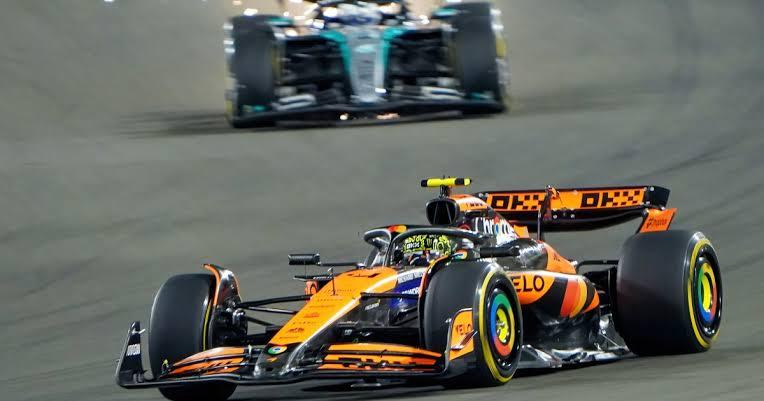
Formula 1 is a sport where speed alone is never enough. Drivers must balance precision, endurance, tyre management, and strategic thinking to perform at their best. Among the races that demand all these skills, the Qatar Grand Prix stands out as one of the most physically and technically demanding events on the calendar.
Held at the spectacular Lusail International Circuit, the Qatar Grand Prix combines a fast-flowing layout with long, demanding corners and challenging desert conditions. The circuit rewards drivers who can maintain a consistent rhythm while managing their cars carefully over an entire race distance.
Unlike circuits that rely heavily on slow corners and heavy braking zones, Lusail places a strong emphasis on sustained cornering speed. This creates significant demands on the tyres and requires drivers to remain focused through repeated high-speed turns.
The Qatar Grand Prix is not simply a test of who can drive fastest for one lap. It is a race that challenges drivers, engineers, and strategists to work together throughout the weekend.
Qatar Grand Prix 2026: Race Overview
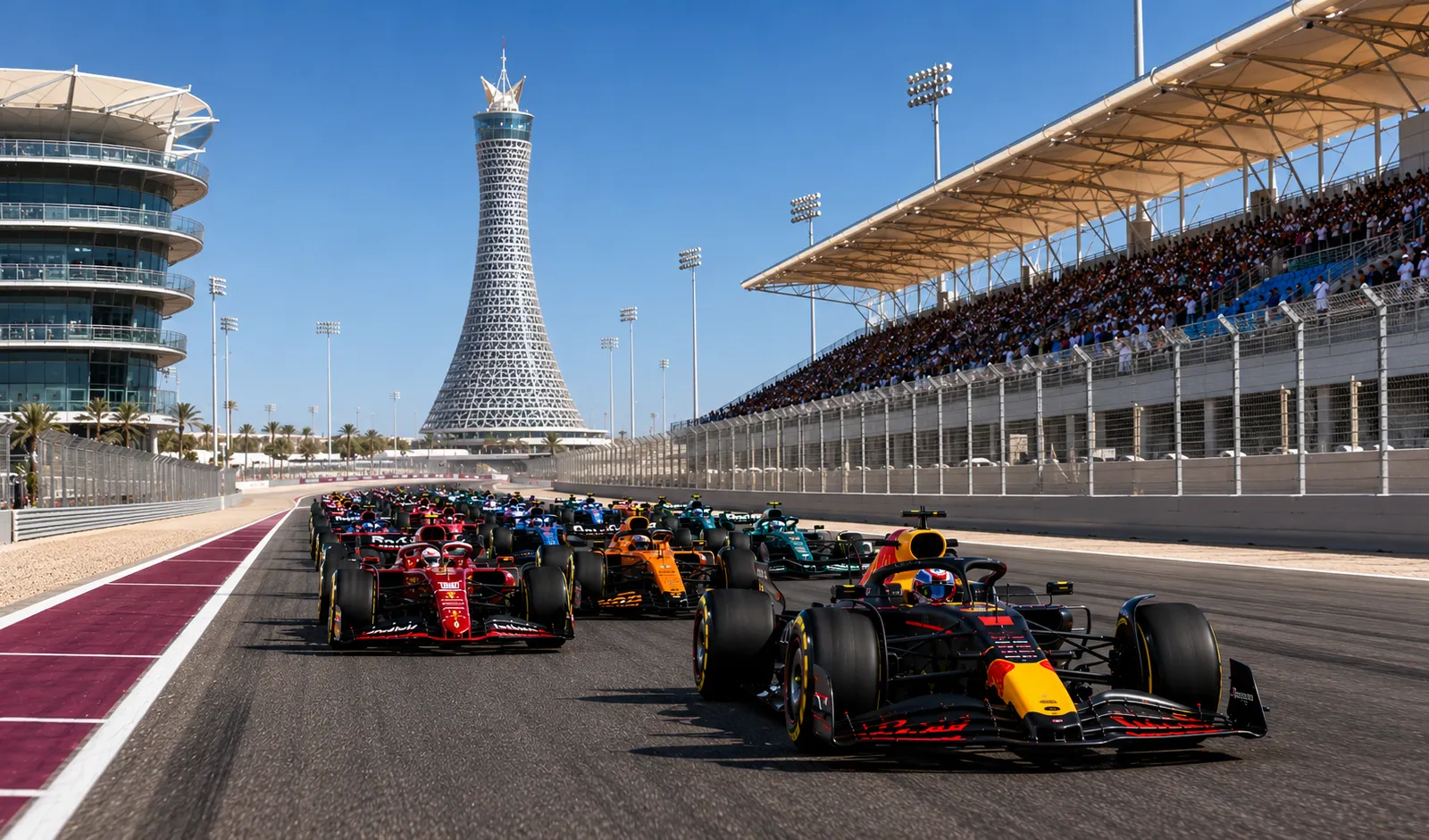
The 2026 Formula 1 Qatar Grand Prix is scheduled to take place during the final stages of the championship season. With teams fighting for valuable points, every decision can have an important impact on the standings.
Race Detail | Information | Race Significance | Why It Matters |
|---|---|---|---|
Grand Prix | Qatar Grand Prix 2026 | Round 22 | Late-season championship pressure |
Circuit | Lusail International Circuit | Qatar | Fast and technical layout |
Race Date | November 29, 2026 | Sunday | Main race day |
Circuit Length | 5.419 km | 57 laps | Long race distance |
Total Distance | 308.611 km | Grand Prix distance | Tests endurance and consistency |
Race Start | 19:00 local time | Evening race | Cooler conditions than daytime |
The official Formula 1 schedule confirms the circuit length, lap count, race distance, and event dates.
Lusail International Circuit: A Track Built for High-Speed Racing
The Lusail International Circuit is located north of Doha and is one of the most recognisable venues in modern Formula 1.
Originally built for motorcycle racing, the circuit first hosted a Formula 1 Grand Prix in 2021. Its layout features a combination of fast corners, flowing sections, and a long main straight that provides opportunities for overtaking.
The circuit's design encourages drivers to carry speed through corners rather than relying only on aggressive braking and acceleration. This makes car balance and aerodynamic performance especially important.
A driver who enters a corner slightly too slowly may lose valuable time throughout the following sequence. Similarly, a small mistake in one turn can affect the car's positioning and speed through the next corner.
The Lusail circuit therefore rewards smooth driving, accurate steering, and consistent performance over every lap.
Why Is the Qatar Grand Prix So Physically Demanding?
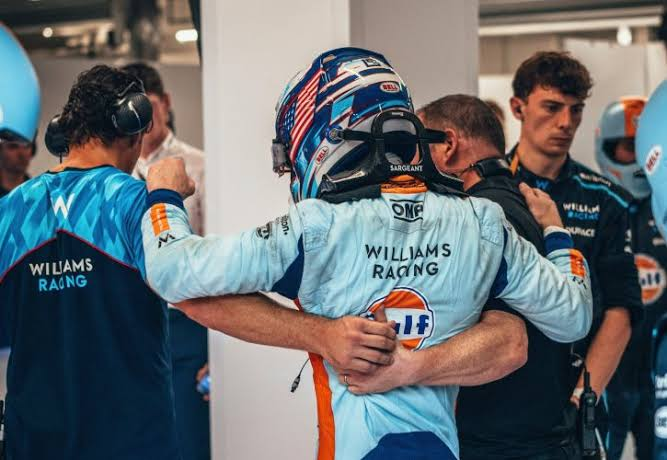
One of the biggest challenges of the Qatar Grand Prix is the physical strain placed on drivers.
Formula 1 drivers experience strong forces while cornering, braking, and accelerating. At Lusail, the repeated high-speed corners place continuous pressure on the body, particularly the neck and upper body.
Drivers must maintain concentration while resisting these forces for nearly two hours of racing.
1. Continuous High-Speed Corners
Lusail contains several fast corners that require drivers to maintain significant speed while turning.
During these sections, the car generates aerodynamic downforce, which helps it remain stable and grip the track. However, the same forces increase the load placed on the tyres.
Drivers cannot simply relax between corners. They must remain alert and accurately position the car throughout each sequence.
2. Neck and Muscle Strain
High-speed cornering produces lateral G-forces that push drivers sideways inside the cockpit.
The neck muscles must work continuously to keep the head stable while the driver looks ahead and makes precise steering movements.
Over a long race, this repeated strain can contribute to fatigue and reduce the driver's ability to maintain perfect concentration.
3. Mental Concentration
A demanding circuit requires drivers to remember braking points, racing lines, tyre behaviour, and traffic conditions.
Even a small error can cost positions or damage the tyres. Maintaining focus across 57 laps is therefore a major part of the challenge.
Qatar's Desert Climate and Track Conditions
Qatar's desert environment creates another layer of difficulty. The region can experience high temperatures, and the track surface may remain warm even after sunset.
Although the Grand Prix takes place in the evening, drivers and teams still need to consider temperature changes, wind, and the condition of the track.
Condition | Impact on Racing | Driver Challenge | Team Response |
|---|---|---|---|
High temperatures | Increased thermal stress | Managing physical fatigue | Cooling and setup adjustments |
Warm track surface | Can affect tyre behaviour | Maintaining grip | Tyre monitoring |
Desert wind | Can influence car balance | Adjusting through corners | Aerodynamic setup |
Dust and sand | May reduce grip if present | Finding a consistent racing line | Track condition analysis |
The evening format helps reduce some daytime heat, but it does not remove the physical and technical demands of the circuit.
Tyre Management: One of the Biggest Strategic Challenges
Tyres are among the most important factors at the Qatar Grand Prix.
The long, fast corners at Lusail place considerable energy through the tyres. This can lead to wear, temperature changes, and performance variation during a stint.
For the 2026 event, Pirelli has selected the C1 hard, C2 medium, and C3 soft compounds. The tyre supplier has also introduced a maximum stint length of 27 laps per set, which means drivers must complete at least two pit stops during the 57-lap race.
Tyre Compound | Colour | Main Purpose | Strategic Role |
|---|---|---|---|
Hard (C1) | White | Durability | Longer race stints |
Medium (C2) | Yellow | Balanced performance | Flexible race strategy |
Soft (C3) | Red | Strong grip | Qualifying and shorter stints |
Intermediate | Green | Light or changing rain | Wet-track conditions |
The tyre limit means teams cannot rely on simply extending a stint to gain track position. They must plan pit stops carefully and consider how traffic, safety cars, and rival strategies could affect the race.
Why Pit Stop Strategy Can Change the Race
At the Qatar Grand Prix, pit stop timing can make a significant difference to the final result.
A team may choose to pit early to gain an advantage with fresh tyres, or stay out longer to benefit from clear track space. However, both options involve risk.
An early stop may place a driver behind slower cars. A late stop may leave them vulnerable to rivals with newer tyres.
The 2026 maximum tyre stint limit adds another strategic factor. Teams must ensure their drivers remain within the permitted tyre usage while still finding opportunities to improve track position.
Strategy Factor | Possible Advantage | Potential Risk | Team Decision |
|---|---|---|---|
Early pit stop | Fresh tyres sooner | Traffic after the stop | Check gaps to rivals |
Late pit stop | Clear track or strategic flexibility | Tyre performance decline | Monitor tyre condition |
Two-stop strategy | Meets 2026 tyre limit | Timing and traffic complexity | Balance stint lengths |
Safety car | Reduced pit-stop time loss | Unpredictable timing | React quickly |
The most successful strategy is not always the one with the fewest stops. It is the one that gives the driver the best overall race pace while managing the tyres within the regulations.
Aerodynamic Performance and Car Setup
Aerodynamics play a major role at Lusail because the circuit contains several fast corners where downforce helps drivers maintain speed.
Teams must find the right balance between cornering performance and straight-line speed. Too much aerodynamic drag can reduce speed on the straights, while too little downforce can make the car difficult to control through fast turns.
Engineers analyse data from practice sessions to understand how the car behaves under different conditions.
Important setup considerations include:
Front and rear wing levels
Suspension stiffness and balance
Ride height
Brake cooling
Tyre temperature management
Stability through high-speed corners
A well-balanced car allows a driver to maintain confidence throughout the lap. At a circuit like Lusail, confidence is essential because drivers need to commit to fast corners repeatedly.
Qualifying: Every Millisecond Counts
Qualifying is another major challenge at the Qatar Grand Prix.
The circuit's flowing layout means that a driver needs a clean lap with minimal mistakes. Losing a small amount of speed in one corner can affect the entire following section.
Traffic can also become a problem. Drivers need enough space to prepare their tyres and complete a fast lap without being interrupted by another car.
A strong qualifying position is particularly valuable because overtaking opportunities may depend on the performance difference between cars, tyre condition, and the timing of pit stops.
The battle for pole position can therefore be decided by a combination of driver skill, aerodynamic efficiency, tyre preparation, and team communication.
Championship Pressure Makes Qatar Even More Important
The Qatar Grand Prix is scheduled as Round 22 of the 2026 Formula 1 season, placing it near the end of the championship.
At this stage of the season, teams may be fighting for the Drivers' Championship, Constructors' Championship, or important positions in the standings.
Every point becomes valuable.
Drivers must balance aggression with caution. An ambitious move may gain a position, but a collision or mistake could have serious consequences for their championship campaign.
The pressure also affects team strategy. A driver competing for the championship may receive a different strategic approach from a teammate who is focused on supporting the team's overall result.
This combination of physical difficulty and championship tension makes the Qatar Grand Prix particularly exciting for Formula 1 fans.
What Makes the Qatar Grand Prix Different From Other F1 Races?
Every Formula 1 circuit has its own character. Monaco is known for its narrow streets, Monza for its high-speed straights, and Singapore for its demanding street-circuit conditions.
Qatar offers a different challenge: a fast, flowing circuit that places sustained demands on drivers and tyres.
Circuit | Main Characteristic | Key Challenge | Racing Style |
|---|---|---|---|
Lusail, Qatar | Fast flowing corners | Tyre stress and endurance | Smooth, precise driving |
Monaco | Tight street layout | Limited overtaking | Accuracy and positioning |
Monza | Long straights | Low-drag car setup | High straight-line speed |
Singapore | Street circuit | Heat and physical fatigue | Consistency and concentration |
Lusail's distinctive combination of high-speed cornering, tyre stress, and desert conditions gives the Qatar Grand Prix its own identity.
How Fans Can Follow the 2026 Qatar Grand Prix
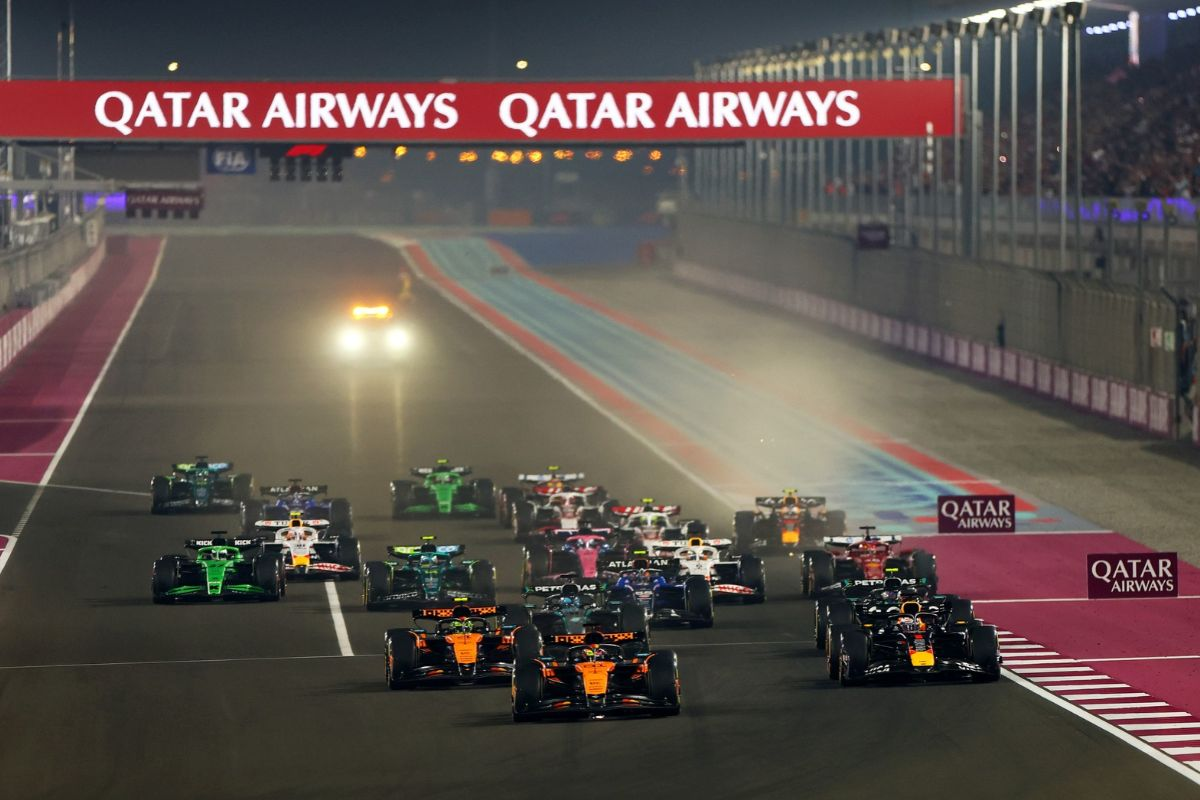
The Qatar Grand Prix weekend runs from November 27 to November 29, 2026. Fans can follow practice, qualifying, and the main race through official Formula 1 coverage and authorised broadcasters in their region.
The main race is scheduled for Sunday, November 29, at 19:00 local time in Qatar.
Fans can also follow live timing, driver interviews, team updates, and race analysis through the official Formula 1 website.
For readers interested in digital productivity and useful online resources, you can also explore free online tools on AltFTool to discover practical utilities for everyday digital tasks and productivity.
FAQs
The Qatar Grand Prix is held at Lusail International Circuit, located near Doha, Qatar.
The circuit is 5.419 kilometres long and the Grand Prix covers 57 laps.
Its high-speed corners create sustained G-forces, placing significant strain on drivers' necks, muscles, and concentration.
The 2026 race is scheduled for Sunday, November 29, 2026.
Sources and notes
Links the author listed for this post.
This article is based on official Formula 1 race information, the 2026 Qatar Grand Prix timetable, and Pirelli's tyre selection and stint-limit announcement.
More on AltFTool
- AltFTool (opens in a new tab)
altftool.com


Discussion
0 comments