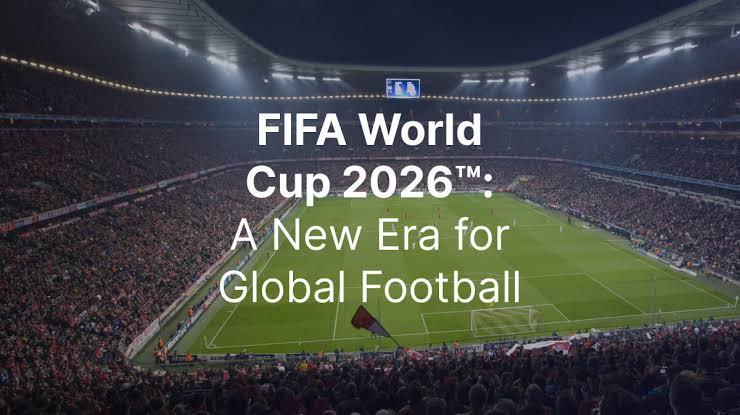
Football has always been more than just a game. For millions of people, it is an emotion, a tradition, and a reason to come together. Every four years, the FIFA World Cup brings countries, players, and supporters onto one global stage. But the 2026 edition has introduced some of the biggest changes in the history of international football.
The FIFA World Cup 2026 is not just another international football tournament. It features a bigger competition, more participating nations, additional matches, and a unique hosting arrangement involving three countries: the United States, Canada, and Mexico.
These changes create new opportunities for national teams, football players, supporters, businesses, and the wider sporting industry. More countries get the chance to compete, fans have more matches to enjoy, and host cities receive international attention.
At the same time, an expanded tournament brings new challenges related to travel, player fitness, match scheduling, infrastructure, and event management.
So, what makes the FIFA World Cup 2026 so different? How could these changes influence international football in the coming years?
Let's explore the major developments, opportunities, challenges, and global impact of the 2026 FIFA World Cup.
What Makes the FIFA World Cup 2026 Different?
The 2026 tournament introduces some of the biggest structural changes in World Cup history.
Earlier editions featured 32 national teams, but the 2026 competition expanded to 48 teams. This gives more countries an opportunity to participate in one of the most widely followed sporting events in the world.
Another major change is the hosting arrangement. Instead of one country organizing the entire event, three nations share hosting responsibilities. This is also the first time the men's FIFA World Cup has been hosted by three countries.
Here are the key tournament details:
Tournament Details | FIFA World Cup 2026 |
Participating teams | 48 national teams |
Host countries | USA, Canada, Mexico |
Total matches | 104 |
Opening match | June 11, 2026 |
Final match | July 19, 2026 |
Group structure | 12 groups of four teams |
Knockout stages | Round of 32 onwards |
Host cities | 16 cities |
These changes influence how teams prepare, how supporters follow matches, and how football reaches new audiences.
1. Expansion to 48 Teams Creates More Opportunities
One of the biggest changes in the 2026 World Cup is the increase from 32 to 48 participating teams.
For many countries, qualifying for the World Cup has always been a difficult journey. Strong competition, limited qualification places, and regional differences have made it challenging for several national teams to reach the tournament.
With 48 available places, more countries get an opportunity to experience the excitement of competing on the world's biggest football stage.
This expansion is particularly important for nations that have been developing their football infrastructure and investing in young players.
How Does the Expansion Benefit International Football?
More national representation: Additional countries get an opportunity to compete internationally and represent their football communities.
New football rivalries: Supporters can enjoy matchups that may not have happened in previous tournaments.
Greater global attention: More nations have a reason to follow and celebrate the competition.
Opportunities for emerging teams: Countries developing their football programmes can gain valuable international experience.
Wider audience engagement: More supporters can connect with the tournament through their national teams.
Better exposure for players: Footballers from less prominent leagues may receive attention from international clubs and scouts.
However, a larger tournament also brings challenges. Teams must maintain their fitness, manage match schedules, and prepare for a longer competition.
The expansion is not only about adding more matches. It is also about giving more football nations an opportunity to become part of the global sporting conversation.
2. Three Countries Host One World Cup
Another major highlight is the shared hosting arrangement between the United States, Canada, and Mexico.
This is an important development because the tournament brings together three countries with different cultures, sporting traditions, infrastructure, and football communities.
Each host country contributes something different to the overall experience.
Host Country | Contribution to the Tournament |
United States | Major stadiums, large sporting venues, and international travel connections |
Canada | Growing football culture and modern sporting facilities |
Mexico | Deep football traditions and passionate supporters |
For supporters, this means the tournament offers a wider experience of North American culture.
Fans travelling to watch matches can experience different cities, local food, sporting traditions, and entertainment activities. It also gives international visitors an opportunity to explore destinations they may not have considered before.
Why Is Shared Hosting Important?
Organizing a World Cup requires significant resources. Stadiums, transportation, accommodation, security, and event operations all need careful planning.
By sharing hosting responsibilities, the three countries can distribute different organizational requirements.
Some important benefits include:
Sharing the responsibility of hosting a major international event.
Using existing stadiums and sporting infrastructure.
Promoting tourism across multiple destinations.
Creating business opportunities for local communities.
Introducing different football cultures to international audiences.
However, shared hosting also requires strong coordination between countries. Travel arrangements, security planning, transportation, and event management need to work together to deliver a smooth tournament experience.
3. More Matches Change the Tournament Experience
The expansion to 48 teams also increases the total number of matches from 64 to 104.
This means football fans have more opportunities to watch their favourite national teams and discover new players.
The tournament follows an expanded format with 12 groups of four teams. The top two teams from each group, along with the eight best third-placed teams, progress to a new Round of 32.
This creates an additional knockout stage compared with the previous 32-team format.
How Does the New Format Work?
Tournament Stage | Format |
Group Stage | 48 teams divided into 12 groups |
Group Qualification | Top two teams from each group qualify |
Additional Qualification | Eight best third-placed teams qualify |
Round of 32 | 32 teams compete |
Round of 16 | 16 teams remain |
Quarter-finals | Eight teams compete |
Semi-finals | Four teams compete |
Final | Two teams compete for the trophy |
What Does This Mean for Supporters?
More international fixtures to follow.
Additional knockout-stage excitement.
More opportunities to discover emerging football talent.
A longer tournament experience.
Greater involvement from different football communities.
More chances for unexpected results and memorable performances.
However, the increased number of matches also raises questions about player workload, recovery time, and scheduling.
For football supporters, the expanded format offers more entertainment. For players and coaching staff, it requires stronger preparation and careful management.
4. New Countries Can Reach a Bigger Global Audience
The World Cup is one of the few sporting events that can bring attention to countries that do not regularly receive international football coverage.
When a national team qualifies, its players and football culture become part of a worldwide conversation.
For smaller football nations, participation can create opportunities beyond the tournament itself.
For example, young players may receive attention from international clubs, local football academies may attract greater interest, and national teams can gain valuable competitive experience.
How Can Smaller Football Nations Benefit?
1. International Recognition
Participating in the World Cup can introduce a country's football culture to millions of viewers. It can also create greater awareness of its national team and sporting achievements.
2. Better Opportunities for Young Players
Young footballers can learn by watching their national heroes compete against experienced international teams. This exposure may encourage more children to take up the sport.
3. Development of Local Football Infrastructure
Increased attention can encourage investment in football academies, training facilities, coaching programmes, and grassroots competitions.
4. Greater Interest From Sponsors
A successful World Cup appearance can attract attention from commercial partners, sporting brands, and potential sponsors.
The impact can continue even after the tournament ends. For developing football nations, simply participating can become an important milestone in their sporting journey.
5. Technology Continues to Shape Modern Football
Modern football is becoming increasingly connected with technology. From video reviews to player performance tracking, digital systems now influence several parts of the game.
The 2026 World Cup continues this technological development.
Technology helps referees make important decisions, allows coaches to understand player performance, and gives supporters better access to match information.
Important Technologies Used in Modern Football
VAR technology: Video Assistant Referee systems help officials review important match decisions and possible rule violations.
Goal-line technology: Systems help determine whether the ball has completely crossed the goal line.
Player tracking: Performance data helps teams understand movement, speed, distance covered, and physical demands.
Digital broadcasting: Online platforms make matches accessible to supporters across different regions.
Stadium technology: Modern facilities can improve crowd management, security, and the overall spectator experience.
Match analysis tools: Coaches can study team formations, player positioning, and tactical decisions.
Why Is Technology Becoming Important?
Football has become faster and more competitive. A single decision can influence the result of an important match.
Technology provides additional information to match officials and coaching teams. It also helps supporters understand certain decisions through replays and match analysis.
However, technology does not remove every debate from football. Decisions can still create disagreements among players, supporters, and experts.
The main goal is to use technology as a supporting tool while keeping the human side of the game important.
6. The World Cup Can Boost Tourism and Local Businesses
Hosting a tournament of this size requires more than football stadiums. It also involves hotels, restaurants, transport networks, security services, and tourism facilities.
The three host countries welcome supporters travelling from different parts of the world.
This creates business opportunities across several industries and gives local communities a chance to benefit from international visitors.
Industry | Possible Business Opportunity |
Hospitality | Increased hotel and accommodation bookings |
Tourism | City tours and local travel experiences |
Restaurants | Higher demand from visiting supporters |
Transportation | More demand for flights and local transport |
Retail | Sales of football merchandise and souvenirs |
Entertainment | Fan events and public viewing experiences |
Local Services | Increased demand for everyday visitor services |
How Can Local Businesses Benefit?
Hotels and accommodation providers may receive more bookings from international supporters. Restaurants can attract visitors looking for local food and dining experiences.
Retail businesses may also benefit from demand for football jerseys, souvenirs, and other tournament-related products.
Travel companies and local transport providers can receive additional business from people moving between stadiums, hotels, airports, and tourist attractions.
However, the economic impact will not be the same everywhere. Some host cities may experience greater visitor activity than others, depending on the matches scheduled and the number of travelling supporters.
7. Football Fans Experience a Different Kind of Tournament
For supporters, the World Cup is not only about the final score. It is also about watching national teams compete, celebrating memorable goals, meeting other fans, and experiencing the atmosphere around the matches.
The 2026 edition offers a different experience because matches take place across multiple cities in three countries.
Fans can enjoy several new experiences during the tournament.
What Can Supporters Expect?
More national teams: Supporters have more countries to follow and discover.
New international rivalries: Different football nations get the chance to compete against one another.
Different stadium environments: Each host city brings its own atmosphere and sporting facilities.
Cultural experiences: Visitors can explore local food, traditions, and entertainment.
More matches: The expanded format offers additional opportunities to watch international football.
Emerging football stars: Supporters can discover talented players from different countries.
Challenges for Travelling Supporters
Although the tournament offers an exciting experience, travelling between host cities may require careful planning.
Supporters may need to consider:
International flight arrangements.
Accommodation availability.
Local transportation.
Travel distances between stadiums.
Match schedules and ticket arrangements.
Food and other daily expenses.
For many supporters, following their national team across different cities can become a memorable experience, but proper planning is important to avoid unnecessary difficulties.
8. Challenges That Come With an Expanded World Cup
Although the 2026 tournament brings several exciting opportunities, organizing a competition of this size is not simple.
A larger tournament also introduces practical challenges that FIFA, host countries, teams, and supporters need to manage.
Major Challenge | Why It Matters |
Player fatigue | More matches can increase physical demands |
Travel distances | Teams and fans may face longer journeys |
Scheduling | Organizing 104 matches requires careful planning |
Stadium management | Large crowds require effective coordination |
Accommodation | High visitor numbers can increase demand |
Environmental impact | Travel and event operations create additional emissions |
Security | Large international crowds require detailed safety planning |
Why Is Player Fitness a Major Concern?
Footballers already follow demanding schedules through domestic leagues, international competitions, and club tournaments.
An expanded World Cup adds more matches to an already busy football calendar.
Players need sufficient recovery time to maintain their performance and reduce the risk of injuries.
Coaches also need to manage their squads carefully. Using substitutes, rotating players, and planning training sessions become important parts of tournament preparation.
Can Travel Affect Team Performance?
Yes, travel can influence preparation and recovery.
Since matches are spread across multiple host cities and three countries, some teams may need to cover considerable distances during the competition.
Travel arrangements, rest periods, and training facilities therefore become important considerations.
The success of the expanded format depends on how effectively these challenges are managed.
9. How the 2026 World Cup Creates New Commercial Opportunities
The FIFA World Cup attracts the attention of global brands, broadcasters, advertisers, and sports-related businesses.
With more teams, additional matches, and three host countries, the 2026 tournament creates a wider commercial environment.
Businesses can connect with football audiences through different marketing and sponsorship activities.
Major Commercial Opportunities
Sponsorship and Advertising
International brands can use the tournament to introduce products, promote campaigns, and connect with football supporters across different markets.
Sports Merchandise
Demand for national team jerseys, football accessories, souvenirs, and fan products can create opportunities for retailers.
Broadcasting and Streaming
More matches provide additional content for television broadcasters and digital streaming platforms.
Digital Marketing
Brands can use social media campaigns, online promotions, and football-related content to reach interested audiences.
Hospitality and Entertainment
Hotels, restaurants, sports bars, and entertainment venues can create special experiences for football supporters.
These opportunities show that the World Cup is not only a sporting event. It is also a major international business and entertainment platform.
10. How FIFA World Cup 2026 Could Influence the Future of Football
The 2026 edition could become an important reference point for future international tournaments.
Its expanded format may influence how football competitions approach participation, scheduling, hosting arrangements, and global audience engagement.
Some possible long-term developments include:
More opportunities for developing football nations.
Greater international investment in football infrastructure.
Increased interest in football across new markets.
Stronger commercial opportunities for clubs and sponsors.
Greater use of technology in match management.
New approaches to organizing large sporting events.
More attention towards youth football development.
Increased international collaboration between football associations.
The tournament may also encourage more countries to invest in grassroots football, youth development, and professional training facilities.
For countries that are still developing their football systems, the expanded World Cup can provide motivation to improve coaching standards, local competitions, and player development programmes.
Ultimately, its long-term impact will depend on whether the increased opportunities translate into stronger football development around the world.
Traditional World Cup vs FIFA World Cup 2026
The changes become easier to understand when the previous tournament structure is compared with the 2026 format.
Feature | Previous Format | 2026 Format |
Participating teams | 32 | 48 |
Total matches | 64 | 104 |
Group structure | 8 groups | 12 groups |
Teams in each group | 4 | 4 |
Knockout entry | Round of 16 | Round of 32 |
Host arrangement | Usually one or two countries | Three countries |
Tournament opportunities | Fewer participating nations | More participating nations |
This comparison highlights how significantly the competition has expanded.
The new structure provides more countries with an opportunity to participate while giving football supporters additional matches and international matchups.
The Global Impact of the 2026 World Cup
The 2026 FIFA World Cup represents a major milestone in the history of international football. Its expanded format, three-country hosting arrangement, and wider participation have changed how the tournament is organized.
The competition runs from June 11 to July 19, 2026, featuring 48 teams and 104 matches across 16 host cities.
Beyond the matches, the tournament highlights how football can connect different cultures, encourage international participation, and create opportunities for developing football nations.
It also demonstrates how large sporting events can influence tourism, business, technology, media, and international cooperation.
For football fans, the expanded competition means more teams, more matches, and more opportunities to experience the excitement of international football.
The FIFA World Cup 2026 marks an important change in global football. With more participating countries, additional matches, and three host nations, it introduces a different approach to organizing the world's biggest football competition.
Beyond the matches, the tournament demonstrates the growing international reach of football and the importance of technology, infrastructure, tourism, commercial partnerships, and player development.
Of course, a bigger tournament also brings responsibilities. Player fitness, travel arrangements, event management, and competitive balance remain important considerations.
The real success of this expanded format will depend on how well these opportunities and challenges are managed.
The biggest change is not simply the number of teams or matches. It is how the World Cup continues to bring more of the world into one shared football experience.
Frequently Asked Questions
The 2026 World Cup features 48 teams instead of 32, making it the biggest edition in tournament history.
The tournament is jointly hosted by the United States, Canada, and Mexico across 16 host cities.
A total of 48 national teams are competing, giving more countries an opportunity to reach the global stage.
The expanded tournament features 104 matches, including a new Round of 32 knockout stage.
It can expand football's reach, create new commercial opportunities, and encourage more countries to invest in the sport.
Sources and notes
Links the author listed for this post.
This article discusses the FIFA World Cup 2026, including its expanded 48-team format, three host countries, tournament structure, global opportunities, and impact on international football.
More on AltFTool
- altftool.com (opens in a new tab)
altftool.com


Discussion
0 comments