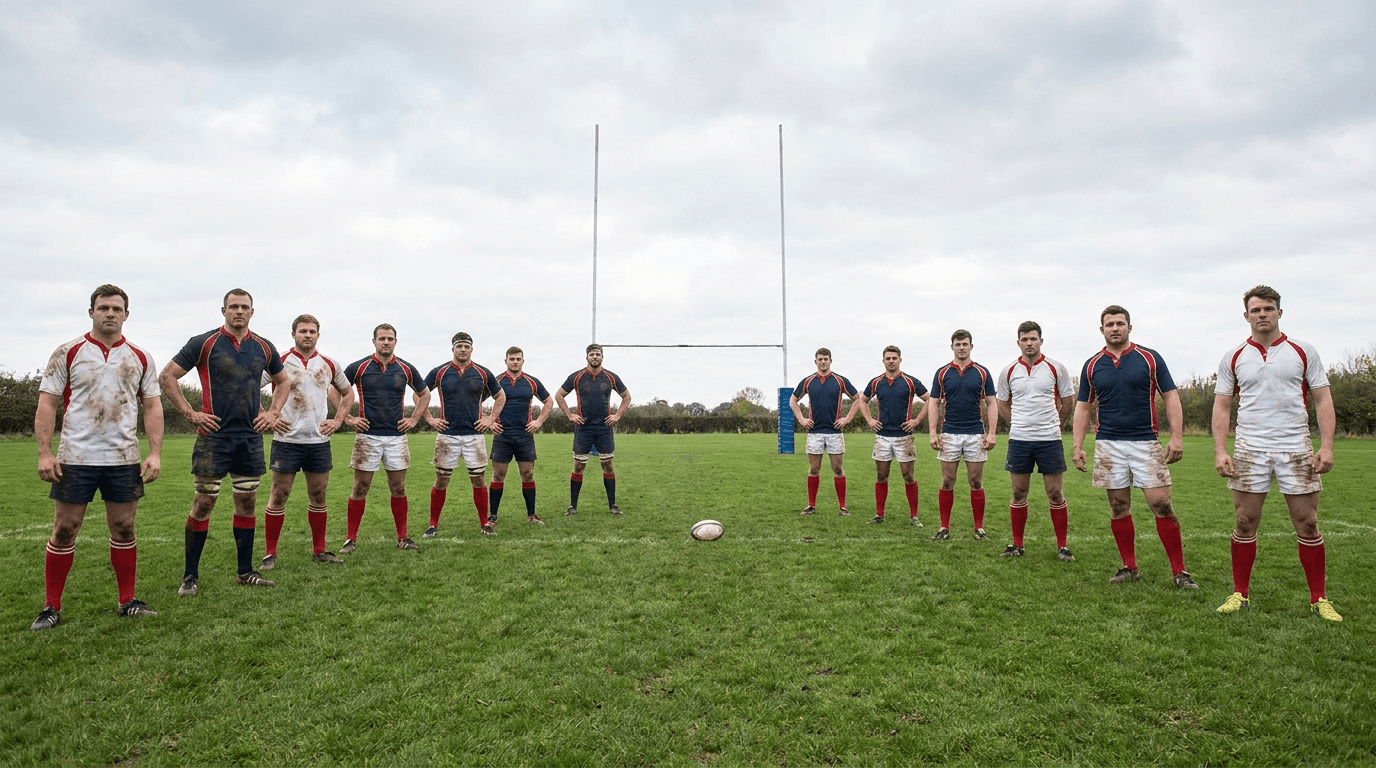
Rugby is an exciting team sport that combines physical strength, speed, strategy, endurance, and teamwork. From powerful tackles to fast attacking runs, every moment on the rugby field requires concentration, coordination, and quick decision-making. A rugby player must be prepared to perform different responsibilities depending on their position, team strategy, and the situation during a match.
Whether someone is interested in becoming a professional rugby player, joining a local club, or simply understanding the sport better, learning about player roles, essential skills, and training methods is a great starting point.
Unlike many sports where players have relatively similar responsibilities, rugby includes several specialized positions. Forwards generally focus on physical contests, possession, and gaining territory, while backs use speed, agility, and tactical awareness to create scoring opportunities.
This guide explores the different types of rugby players, their responsibilities, important skills, fitness requirements, and practical training methods that help athletes improve their performance.
What Is a Rugby Player?
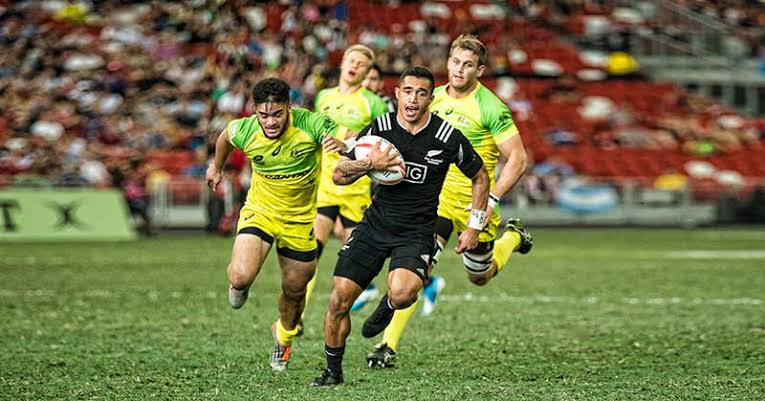
A rugby player is an athlete who participates in rugby union or rugby league, working with teammates to advance the ball, score points, defend against opponents, and follow the rules of the game.
Players can carry, pass, kick, and run with the ball. However, they must also understand positioning, communication, tackling techniques, and teamwork to perform effectively.
Rugby is played in different formats, including:
Rugby Union: Traditionally played with 15 players on each team.
Rugby League: Played with 13 players on each team.
Rugby Sevens: A faster format featuring seven players per team.
Each format has different rules, match structures, and tactical approaches.
Different Positions in Rugby and Their Roles
Every rugby position has a specific purpose. Understanding these responsibilities helps players identify their strengths and choose a suitable position.
Rugby Union Positions: Forwards and Backs
In rugby union, the 15 players are divided into two major groups: forwards and backs. Each group contributes differently to the team's overall performance.
1. Forwards (Positions 1–8)
Forwards are generally responsible for physical contests, winning possession, supporting teammates, and creating opportunities through scrums, lineouts, and close-range attacks.
Position | Player Name | Main Responsibility | Important Skill |
|---|---|---|---|
1 | Loosehead Prop | Supports the scrum | Upper-body strength |
2 | Hooker | Wins the ball in scrums and throws into lineouts | Accuracy |
3 | Tighthead Prop | Provides stability in the scrum | Physical power |
4 | Lock | Supports scrums and lineouts | Jumping ability |
5 | Lock | Wins possession and provides physical support | Strength |
6 | Blindside Flanker | Tackles and protects defensive areas | Defensive awareness |
7 | Openside Flanker | Competes for possession and disrupts opponents | Speed and agility |
8 | Number Eight | Controls the back of the scrum and carries the ball | Ball handling |
2. Backs (Positions 9–15)
Backs usually focus on attacking plays, passing, kicking, speed, and creating space. Their ability to make quick decisions can change the direction of a match.
Position | Player Name | Main Responsibility | Important Skill |
|---|---|---|---|
9 | Scrum-Half | Distributes the ball from breakdowns | Quick passing |
10 | Fly-Half | Directs attacking strategies | Game awareness |
11 | Left Wing | Scores through speed and running | Acceleration |
12 | Inside Centre | Creates attacking opportunities | Passing and strength |
13 | Outside Centre | Breaks defensive lines | Agility |
14 | Right Wing | Finishes attacking moves | Sprinting |
15 | Fullback | Covers defensive space and catches kicks | Positioning |
Important: These positions describe rugby union. Rugby league has 13 players and uses a different positional structure, while rugby sevens has seven players and a faster playing style.
Essential Skills Every Rugby Player Should Develop
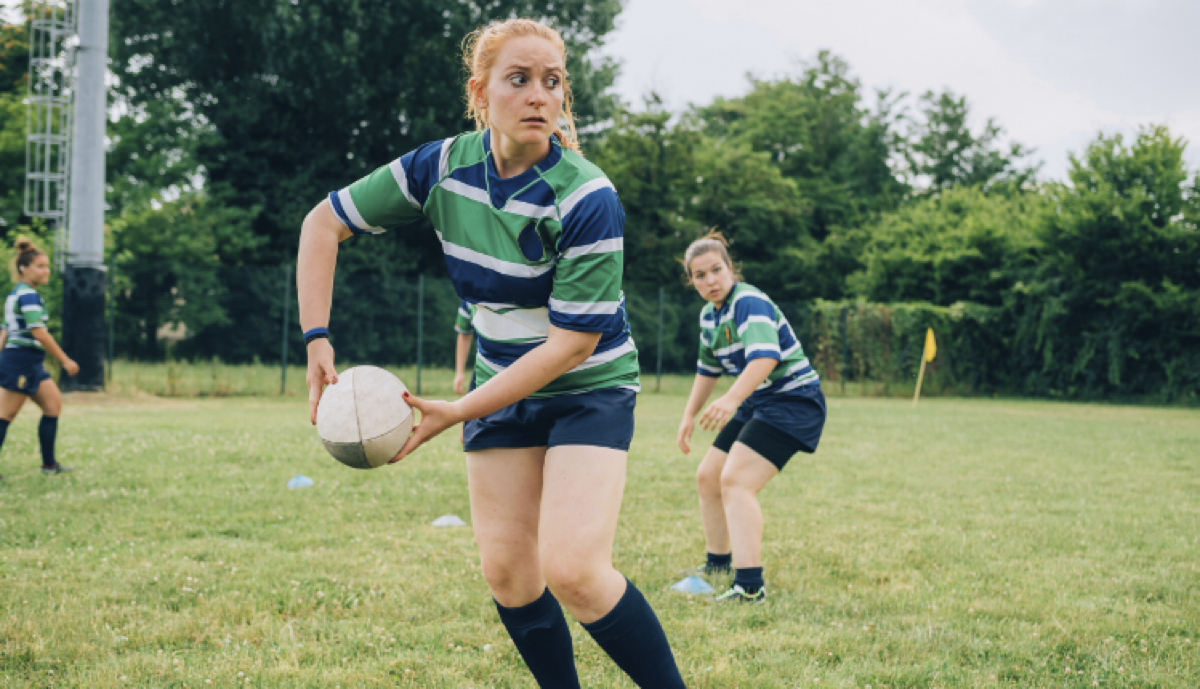
Becoming a successful rugby player requires more than physical strength. Players must combine technical ability, tactical understanding, and mental discipline to perform consistently.
Here are some of the most important skills every player should work on.
1. Passing and Ball Handling
Passing is one of the most important rugby skills because it allows players to maintain possession and create attacking opportunities. Players should learn to pass accurately with both hands while moving at different speeds.
Good ball-handling skills also help players control the ball under pressure and avoid unnecessary mistakes.
2. Tackling and Defensive Skills
Defence is an essential part of rugby. Players must understand how to stop opponents safely, maintain their defensive position, and support teammates during defensive situations.
Correct tackling technique is especially important because rugby is a contact sport. Players should learn through supervised coaching and follow the applicable laws.
3. Speed and Agility
Speed helps players move quickly across the field, escape defenders, and reach scoring positions. Agility allows them to change direction, maintain balance, and react to unexpected situations.
Sprint training, cone drills, and footwork exercises can help develop these abilities.
4. Kicking Accuracy
Kicking is used to gain territory, restart play, and create scoring opportunities. Fly-halves, fullbacks, and other backs often rely on accurate kicking to support team strategies.
5. Teamwork and Communication
Rugby is not an individual sport. Even highly skilled players depend on teammates to defend, attack, and maintain possession.
Clear communication helps players coordinate their movements, understand tactical decisions, and respond quickly during matches.
Physical Fitness Requirements for Rugby Players
Rugby requires a combination of strength, stamina, flexibility, speed, and endurance. Different positions demand different physical abilities, but every player needs a balanced fitness foundation.
Fitness Component | Why It Matters | Example Exercise | Main Benefit |
|---|---|---|---|
Strength | Supports physical contests | Squats and push-ups | Better power |
Speed | Helps beat defenders | Short sprints | Faster movement |
Endurance | Maintains performance | Interval running | Improved stamina |
Agility | Supports quick direction changes | Cone drills | Better coordination |
Flexibility | Supports movement and mobility | Dynamic stretching | Improved mobility |
Why Strength Training Matters
Strength training helps rugby players improve their ability to carry the ball, maintain balance, and compete in physical situations. Exercises such as squats, lunges, push-ups, and supervised resistance training can support overall development.
However, strength should not be the only training priority. Players also need speed, coordination, mobility, and cardiovascular fitness.
Rugby Player Training Guide: Exercises and Practice Methods
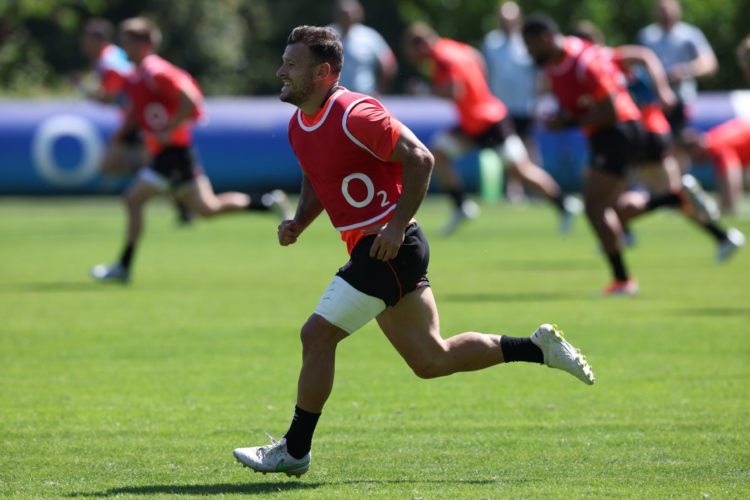
A structured training routine helps players improve their performance while reducing the risk of avoidable injuries. Training should be adjusted according to age, experience, position, and physical condition.
1. Warm-Up and Mobility Exercises
Every training session should begin with a proper warm-up. Light jogging, dynamic stretching, leg swings, and mobility exercises prepare the body for physical activity.
A good warm-up gradually increases heart rate and helps players prepare for more demanding movements.
2. Strength and Conditioning
Strength and conditioning sessions help players build the physical foundation needed for rugby.
Useful exercises include:
Squats for lower-body strength.
Push-ups for upper-body conditioning.
Lunges for leg strength and balance.
Planks for core stability.
Resistance exercises under qualified supervision.
3. Sprint and Agility Training
Short sprint intervals, shuttle runs, ladder drills, and cone exercises help improve acceleration and movement control.
These exercises are particularly useful for wings, centres, and fullbacks who frequently need to accelerate and change direction.
4. Passing and Tactical Practice
Players should regularly practise passing, catching, kicking, and positioning. Small-sided games are also useful because they encourage quick decisions and communication.
5. Recovery and Rest
Recovery is just as important as physical training. Proper sleep, hydration, balanced nutrition, and rest days help the body adapt to exercise.
Players should report injuries and possible concussion symptoms to qualified medical professionals and follow appropriate return-to-play guidance.
Sample Weekly Training Plan for a Rugby Player
A weekly training schedule can help players balance technical practice, physical conditioning, and recovery.
Day | Training Focus | Suggested Activity | Objective |
|---|---|---|---|
Monday | Strength | Squats, lunges, push-ups | Build strength |
Tuesday | Speed | Sprinting and cone drills | Improve acceleration |
Wednesday | Skills | Passing and catching | Improve ball control |
Thursday | Endurance | Interval running | Build stamina |
Friday | Tactical Practice | Team drills and positioning | Improve teamwork |
Saturday | Match Practice | Supervised game session | Apply skills |
Sunday | Recovery | Rest and light mobility | Support recovery |
This is a general example, not a personalized programme. Training intensity should be adjusted to the player's fitness, experience, age, and coaching guidance.
Nutrition and Diet Tips for Rugby Players
Nutrition plays an important role in helping rugby players maintain energy, support muscle recovery, and prepare for demanding training sessions.
A balanced diet should include carbohydrates, protein, healthy fats, vitamins, minerals, and sufficient fluids.
Nutrient | Food Examples | Purpose | When It Helps |
|---|---|---|---|
Carbohydrates | Rice, oats, potatoes | Provides energy | Before and after training |
Protein | Eggs, lentils, milk | Supports muscle repair | Throughout the day |
Healthy Fats | Nuts, seeds, olive oil | Supports overall health | Regular meals |
Vitamins | Fruits and vegetables | Supports body functions | Daily diet |
Minerals | Dairy, leafy greens | Supports normal muscle and bone function | Daily diet |
Water | Water and suitable fluids | Maintains hydration | Before, during, and after exercise |
Players should avoid following restrictive diets without professional guidance. Individual nutritional needs depend on training load, body composition, age, and health requirements.
Mental Strength and Discipline in Rugby
Physical ability alone does not make a great rugby player. Mental strength is equally important because matches often involve pressure, unexpected challenges, and fast decisions.
Some important mental qualities include:
Confidence: Trusting your abilities during challenging situations.
Discipline: Following training routines and respecting match rules.
Concentration: Staying focused throughout the game.
Resilience: Recovering mentally after mistakes or difficult performances.
Leadership: Encouraging teammates and supporting team goals.
Players who develop these qualities are better prepared to handle competitive situations and contribute positively to their teams.
Common Challenges Faced by Rugby Players
Rugby players experience several challenges during training and competition. Understanding these difficulties can help athletes prepare more effectively.
Challenge | Common Reason | Possible Impact | Helpful Approach |
|---|---|---|---|
Physical Fatigue | High-intensity activity | Reduced performance | Proper recovery |
Injuries | Contact and overtraining | Missed training | Safe technique and medical care |
Poor Ball Control | Limited practice | Lost possession | Regular skill drills |
Lack of Coordination | Weak communication | Defensive gaps | Team exercises |
Performance Pressure | Competitive situations | Reduced confidence | Mental preparation |
How to Become a Professional Rugby Player
Becoming a professional rugby player requires dedication, regular practice, and a willingness to improve. There is no guaranteed shortcut, but following a structured development pathway can help aspiring athletes progress.
Learn the Basics: Understand rugby rules, positions, passing, tackling, and teamwork.
Join a Rugby Club: Participate in organized training sessions and local competitions.
Build Physical Fitness: Develop strength, speed, stamina, and flexibility.
Work With a Coach: Receive feedback and improve technical and tactical skills.
Participate in Competitions: Gain experience by playing against different teams.
Track Your Progress: Review performance and identify areas for improvement.
Explore Higher-Level Opportunities: Look for school, university, regional, and national-level pathways where available.
Young players should develop gradually, with age-appropriate coaching and proper attention to safety and recovery.
Equipment Every Rugby Player Needs
Having suitable equipment helps players train comfortably and participate safely. Equipment requirements may vary depending on the competition and playing level.
Equipment | Purpose | Important Feature | Usage |
|---|---|---|---|
Rugby Boots | Provides ground grip | Suitable studs | Matches and training |
Mouthguard | Helps protect teeth | Proper fit | Contact activities |
Rugby Jersey | Team identification | Durable fabric | Matches |
Rugby Shorts | Supports movement | Flexible material | Training and matches |
Headgear | Optional head protection | Comfortable fit | As appropriate |
Water Bottle | Supports hydration | Easy to carry | Training sessions |
Players should choose approved equipment and follow their club's safety requirements. Protective equipment does not eliminate the risk of injury.
Rugby Union vs Rugby League: Key Differences
Although rugby union and rugby league share similar origins, their rules, team sizes, and playing structures are different.
Feature | Rugby Union | Rugby League | Rugby Sevens |
|---|---|---|---|
Players Per Team | 15 | 13 | 7 |
Match Duration | 80 minutes | 80 minutes | Usually 14 minutes |
Playing Style | Tactical and physical | Fast and structured | Quick and open |
Main Focus | Possession and territory | Set-of-six tackles | Speed and space |
Understanding these differences helps beginners identify which format they want to learn and play.
Why Teamwork Makes a Great Rugby Player
Rugby is built around teamwork. A player may have excellent speed, strength, or passing ability, but individual talent cannot replace effective communication and cooperation.
Forwards create opportunities by winning possession and supporting physical contests, while backs use that possession to develop attacking moves. Both groups must work together to achieve successful results.
Respecting teammates, following instructions, supporting defensive efforts, and maintaining discipline are important qualities at every level of the sport.
For players who want to understand the sport more deeply, the official World Rugby Laws of the Game provide useful information about match regulations, playing procedures, and different rugby formats.
You can also explore free online tools on AltFTool to discover useful digital utilities for everyday productivity, calculations, and organizing personal tasks. These tools can complement your routine when planning training schedules and tracking general fitness goals.
Frequently Asked Questions (FAQs)
A rugby player works with teammates to score points, defend against opponents, maintain possession, and follow the rules of the game.
Rugby union has 15 players per team, rugby league has 13, and rugby sevens has seven players per team.
Passing, tackling, running, kicking, agility, strength, communication, and teamwork are essential skills.
There is no single best position. The right position depends on a player's physical abilities, interests, experience, and understanding of the game.
Sources and notes
Links the author listed for this post.
This article is based on information from World Rugby coaching and training resources, Rugby World's positional guide, and other reliable rugby education sources. These references provide information about rugby player positions, roles, essential skills, physical fitness, training methods and on-field responsibilities.
More on AltFTool
- ALtFTool (opens in a new tab)
altftool.com


Discussion
0 comments
No comments yet
Discussion will appear here once it loads.