
Every young footballer remembers the excitement of getting their first serious pair of football boots. It feels like a step closer to playing like their favourite professional athlete. But choosing the right boots involves more than selecting a popular brand, attractive colour, or stylish design.
Football boots are designed for different playing surfaces, foot shapes, and playing styles. A pair that feels perfect on artificial grass may not be suitable for a natural grass pitch. Similarly, boots that look impressive online may not provide the comfort or fit a young player needs.
For beginners and developing players, the best football boots are not necessarily the most expensive ones. They are the boots that fit properly, suit the playing surface, and allow the player to move confidently.
You can also explore football boots and soccer equipment on Soccer.com to discover footwear options for training and match days.
Why Choosing the Right Football Boots Matters
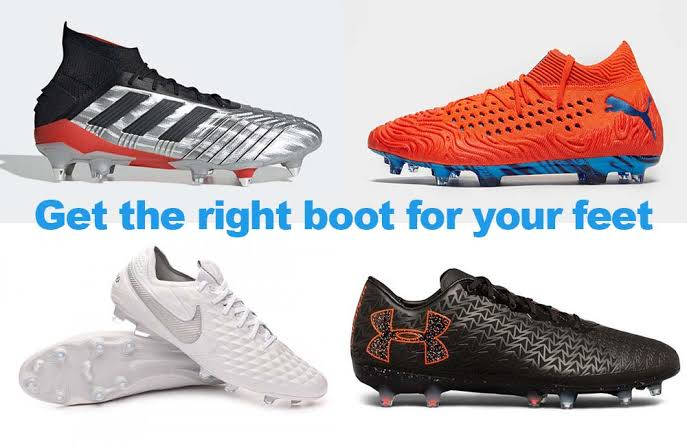
Football involves constant movement, including sprinting, turning, stopping, jumping, and changing direction. The right boots can help players feel more comfortable and maintain suitable traction during these movements.
However, boots cannot automatically improve a player's skills. Training, technique, fitness, and confidence remain essential.
A suitable pair of boots can support a better playing experience by helping young footballers focus on the game rather than dealing with uncomfortable footwear.
Boot Feature | Why It Matters | What to Check | Main Benefit |
|---|---|---|---|
Fit | Prevents excessive movement inside the boot | Snug but comfortable fit | Better control |
Stud configuration | Matches the playing surface | Stud shape and arrangement | Suitable traction |
Upper material | Affects feel and flexibility | Material and construction | Comfort and ball touch |
Weight | Influences how boots feel during movement | Overall boot weight | Comfortable movement |
1. Understand the Playing Surface
One of the most important things to consider before buying football boots is where the player usually trains and plays.
Different surfaces require different outsole designs. Using unsuitable boots may affect traction and comfort, so players should check the pitch type before making a decision.
Firm Ground Boots
Firm ground boots are generally designed for natural grass pitches that are firm and relatively dry.
They usually feature moulded studs that provide traction during running and turning.
These boots may be suitable for young footballers who regularly play on maintained natural grass fields.
Artificial Grass Boots
Artificial grass boots are designed for synthetic grass surfaces. Their outsole patterns are intended to provide traction on artificial pitches.
Players who regularly train on artificial grass should check whether the boots are specifically designed for that surface.
Turf Boots
Turf boots usually have many small rubber studs or raised patterns across the outsole.
They are commonly used on older artificial turf, hard training surfaces, and certain small-sided football pitches.
Indoor Football Shoes
Indoor football shoes generally have flat rubber outsoles designed for indoor courts.
They are suitable for indoor football and futsal environments where traditional outdoor studs are not appropriate.
Boot Type | Surface | Outsole Design | Suitable Use |
|---|---|---|---|
Firm Ground (FG) | Natural firm grass | Moulded studs | Outdoor grass football |
Artificial Grass (AG) | Synthetic grass | Surface-specific studs | Artificial grass pitches |
Turf (TF) | Turf and hard training surfaces | Small rubber studs | Training and small-sided games |
Indoor (IN) | Indoor courts | Flat rubber outsole | Futsal and indoor football |
Important pointer: Always follow the pitch's footwear rules. Some surfaces and facilities restrict particular stud types.
You can also explore free online tools on AltFTool to discover useful utilities for everyday digital tasks and productivity.
2. Choose the Correct Fit and Size

A proper fit is one of the most important factors when selecting football boots.
Young players often experience changes in foot size as they grow. Parents should measure their child's feet before buying a new pair rather than relying only on the size of their previous boots.
Football boots should feel secure without creating painful pressure.
What Should a Good Fit Feel Like?
The boots should hold the foot comfortably without allowing excessive sliding inside.
The toes should have a small amount of comfortable space, but the foot should not move significantly during running or turning.
Players should also check the width of the boot. A narrow design may feel uncomfortable for someone with wider feet.
Fit Check | What to Look For | Warning Sign | Recommendation |
|---|---|---|---|
Toe space | Small comfortable space | Toes pressed painfully | Try another size |
Heel | Secure fit | Heel slipping repeatedly | Check fit and lacing |
Width | Comfortable across the foot | Pinching or numbness | Consider wider options |
Overall feel | Snug and comfortable | Pain or pressure | Do not ignore discomfort |
Young footballers should avoid buying boots that are excessively large simply because they expect their feet to grow.
A boot that is too big can cause unnecessary movement and discomfort. It is better to choose a suitable fit and reassess when the player's feet grow.
3. Understand Football Boot Materials
Football boots are made using different materials, each offering a particular feel and construction.
Synthetic Materials
Synthetic uppers are common in modern football boots. They can be lightweight, easy to maintain, and available in a wide range of designs.
Some synthetic boots also feature textured surfaces intended to influence ball contact.
Leather Materials
Leather football boots are often appreciated for their soft feel and ability to adapt to the foot over time.
However, leather boots may require more care and can differ in weight and water absorption depending on the material.
Knit and Engineered Uppers
Some boots use knitted or engineered materials to create a flexible, close-fitting upper.
These designs may feel lightweight and comfortable, but players should still check whether the fit suits their foot shape.
Material | Common Characteristics | Possible Advantage | Consideration |
|---|---|---|---|
Synthetic | Lightweight, varied textures | Easy maintenance | Feel varies by model |
Leather | Soft and adaptable | Comfortable touch | May need extra care |
Knit | Flexible construction | Close-fitting feel | Fit depends on design |
Mixed materials | Combination of materials | Balanced features | Compare construction |
The material alone does not determine whether a boot is good. Fit, construction, surface suitability, and personal comfort are equally important.
4. Do Not Choose Boots Only for Their Appearance
Football boots are often promoted through professional players, famous clubs, and eye-catching designs.
Young footballers may feel tempted to buy the same boots worn by their favourite athletes. However, professional players often use customised footwear, and their needs may differ from those of developing players.
A stylish pair can be a great choice, but it should not come at the cost of comfort or suitability.
Before buying, consider:
Does the boot fit comfortably?
Is it designed for the pitch you play on?
Is the outsole appropriate for the surface?
Can it withstand regular training?
Does it fit within your budget?
The best pair is the one that supports your playing routine, not simply the one that looks most impressive.
5. Consider Your Playing Position and Style

Football boots are not selected entirely by playing position, but individual preferences can influence the choice.
For example, a player who enjoys dribbling may prefer a boot that feels comfortable and provides a secure touch on the ball. A player who frequently sprints may pay more attention to fit, weight, and traction.
There is no single boot that is best for every striker, midfielder, defender, or goalkeeper.
Playing Style | Feature to Consider | Why It May Help | Priority |
|---|---|---|---|
Dribbling | Comfortable upper | Helps maintain a familiar ball feel | Fit |
Sprinting | Secure fit and suitable studs | Supports confident movement | Traction |
Passing | Comfortable touch surface | Supports consistent contact | Feel |
Goalkeeping | Stable and comfortable fit | Helps during movement | Comfort |
Players should try different designs when possible and choose the pair that feels natural during football-specific movements.
6. Set a Realistic Budget
Young footballers do not need to purchase the most expensive boots to develop their skills.
Many entry-level and mid-range models provide suitable features for training and matches. The important thing is to compare construction, fit, surface compatibility, and durability.
Parents should also consider how frequently the player trains and how quickly their feet are growing.
Smart Buying Tips
Compare different models within your budget.
Check whether the boots are designed for your pitch.
Look for sales on previous-season designs.
Review the return and exchange policy.
Avoid purchasing solely because a boot is advertised as professional or elite.
A practical purchase is one that provides comfort and suitability without putting unnecessary pressure on the family's budget.
7. How to Make Football Boots Last Longer
Taking care of football boots can help maintain their condition and extend their useful life.
After training or a match, remove excess dirt using a soft brush or cloth. Allow the boots to dry naturally in a ventilated area.
Avoid placing them directly beside heaters or exposing them to excessive heat, as this may damage certain materials or adhesives.
Care Routine | What to Do | Why It Helps | Frequency |
|---|---|---|---|
Remove dirt | Brush off mud and debris | Keeps boots clean | After use |
Air-dry | Dry in a ventilated area | Reduces moisture | After wet sessions |
Check studs | Inspect for damage | Supports safe use | Regularly |
Store properly | Keep in a dry place | Protects materials | Between sessions |
Players should replace boots when they become damaged, lose their secure fit, or no longer provide suitable support for their playing surface.
Exploring Football Boots on Soccer.com
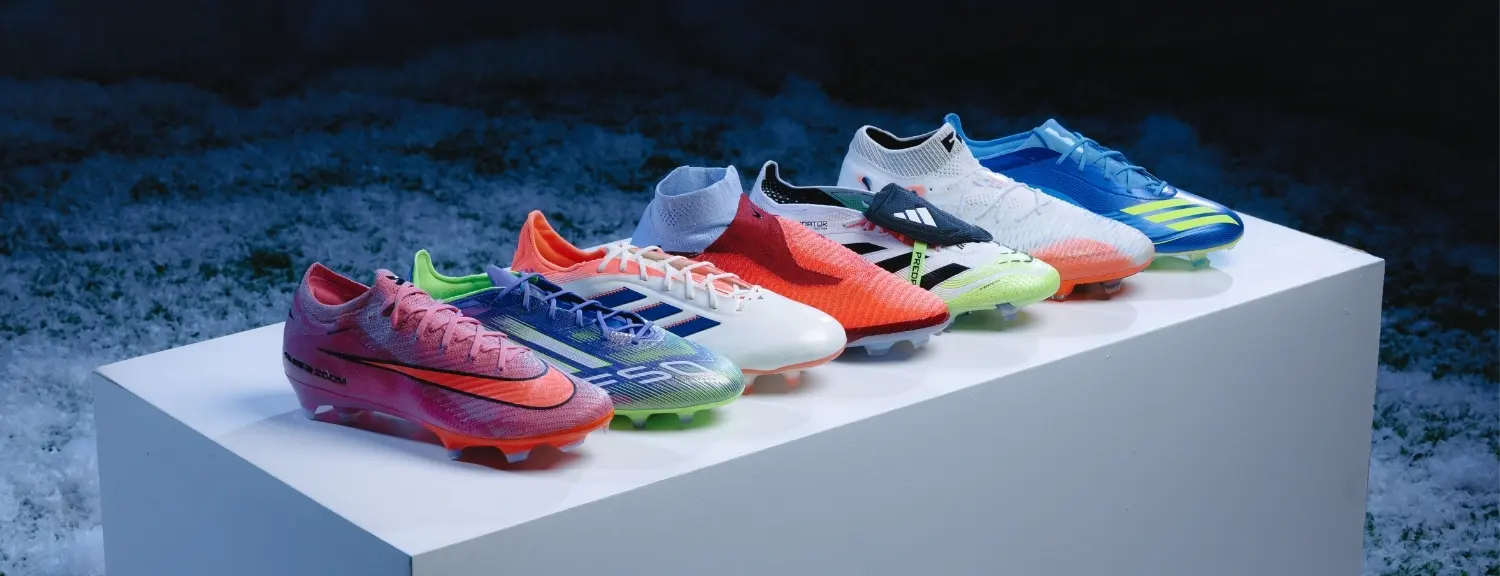
Choosing football boots becomes easier when players compare different models and understand their features.
Soccer.com offers football footwear, equipment, and accessories for players with different needs. Before purchasing, young footballers and parents can compare available boot types, product descriptions, sizes, and prices.
You can also explore football boots and soccer equipment on Soccer.com to discover footwear options for training and match days.
FAQs
Beginners should choose comfortable, durable boots designed for their regular playing surface and suitable for their budget.
No. Entry-level and mid-range boots can be suitable for developing players. Fit and surface compatibility matter more than price.
Boots should feel snug and secure without causing pain, pinching, or excessive pressure.
It depends on the pitch and boot design. Players should check the manufacturer's guidance and the facility's footwear rules.
Sources and notes
Links the author listed for this post.
This article is based on football footwear guidance and general equipment selection recommendations from the following sources
More on AltFTool
- AltFTool (opens in a new tab)
altftool.com


Discussion
0 comments