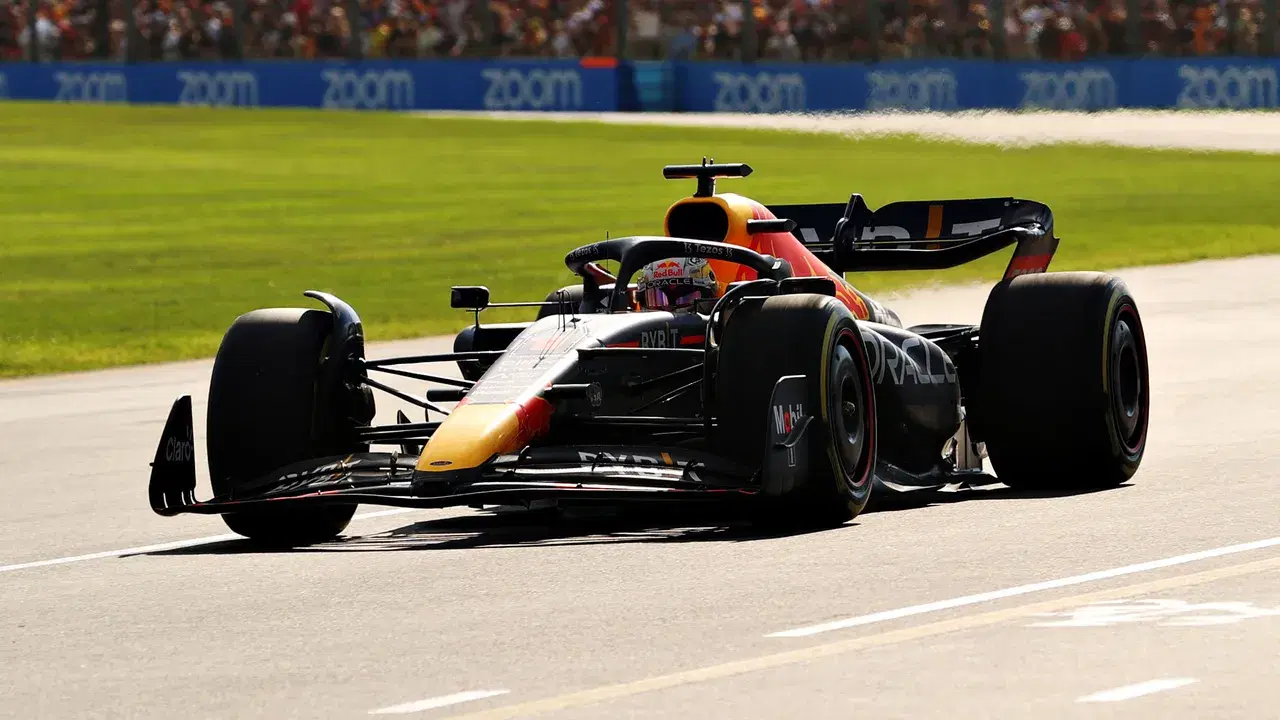
Formula 1 is much more than a sport where drivers compete to cross the finish line first. It is a world of advanced engineering, groundbreaking technology, powerful engines, and incredible human skill. Every Formula 1 car represents years of research, testing, and innovation designed to achieve one major goal: maximum performance without compromising driver safety.
From aerodynamic bodywork and sophisticated hybrid power units to intelligent sensors and advanced braking systems, modern F1 cars are among the most technologically advanced racing machines in the world.
What makes these cars so fast? How do they remain stable at incredible speeds? And what happens to the technology developed for Formula 1 after it reaches the wider automotive industry?
Let's explore the fascinating technology behind modern Formula 1 cars and understand how engineering continues to transform motorsport.
1. Advanced Aerodynamics: How F1 Cars Control Airflow
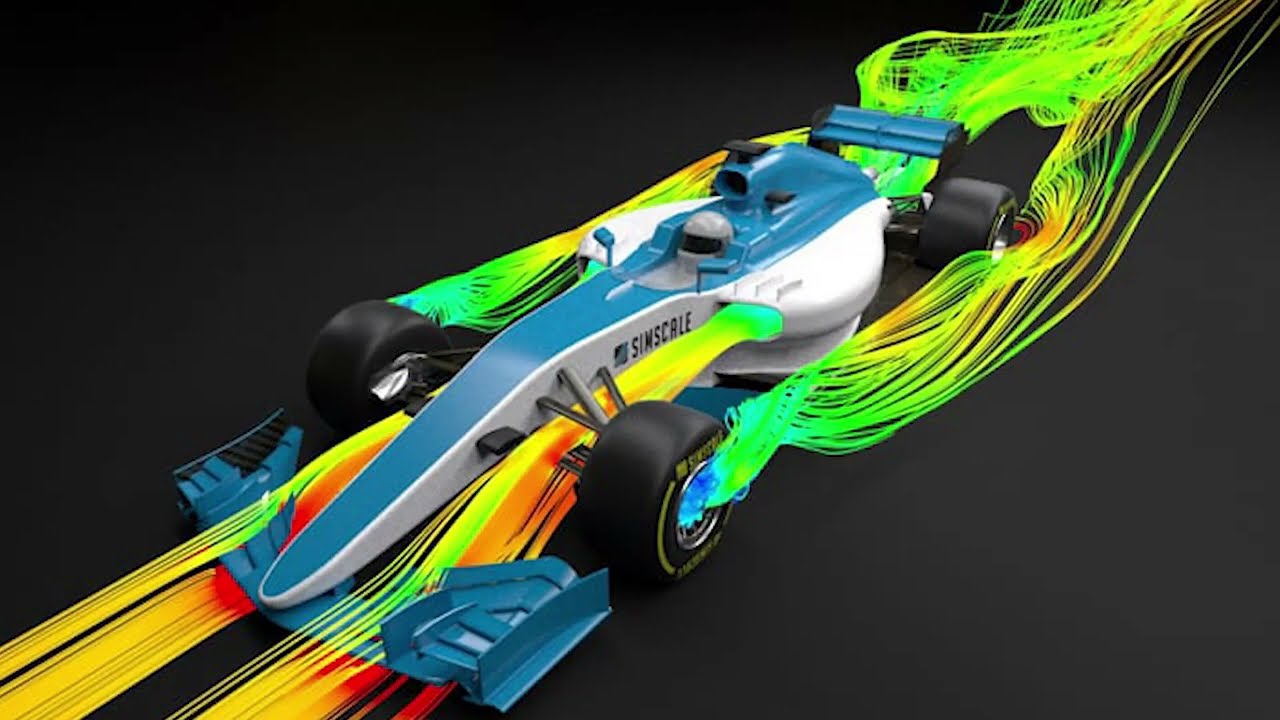
One of the biggest secrets behind Formula 1 speed is aerodynamics. Engineers carefully design every surface of an F1 car to control how air moves around and underneath it.
At high speeds, airflow can either help a car remain stable or create resistance that slows it down. Formula 1 teams use advanced aerodynamic designs to achieve the right balance between speed and grip.
Understanding Downforce
Downforce is the force that pushes a racing car towards the track. It helps the tyres maintain contact with the road, allowing drivers to take corners at incredible speeds.
Important aerodynamic components include:
Front Wing: Directs airflow around the front tyres and helps generate downforce.
Rear Wing: Creates aerodynamic pressure that improves stability.
Diffuser: Helps manage airflow underneath the car.
Floor: Plays an important role in controlling airflow and generating aerodynamic performance.
Active Aerodynamics in 2026
The 2026 regulations introduce a major development: active aerodynamics. Both the front and rear wings can adjust their positions to suit different sections of the circuit.
Mode | Main Purpose |
Corner Mode | Provides greater downforce and cornering grip |
Straight Mode | Reduces aerodynamic drag and increases straight-line speed |
Unlike the previous DRS system, active aerodynamics can be used by drivers in designated sections of the track without needing to be within one second of another car.
This technology makes aerodynamic efficiency an even more important part of modern F1 racing.
Federation Internationale de l'Automobile+1
2. Hybrid Power Units: Combining Engine Power and Electricity
Modern Formula 1 engines are not ordinary petrol engines. They are highly sophisticated hybrid power units that combine internal combustion technology with electrical energy.
The 2026 regulations bring another major transformation to this system.
F1 retains its 1.6-litre turbocharged V6 engine, but the balance between combustion and electrical power has changed significantly.
How Does an F1 Hybrid Engine Work?
A hybrid power unit combines several important components:
Internal Combustion Engine (ICE): Produces power by burning fuel.
Motor Generator Unit-Kinetic (MGU-K): Recovers energy during braking and delivers electrical power.
Energy Store: Stores recovered electrical energy for later use.
Turbocharger: Uses exhaust energy to improve engine performance.
For 2026, the MGU-H has been removed, while the electrical contribution from the MGU-K has increased substantially.
What Makes the 2026 Power Unit Different?
Technology | 2026 Development |
Engine | 1.6-litre turbocharged V6 |
Combustion power | Approximately 400 kW |
Electrical power | Up to 350 kW |
Power balance | Approximately 50% combustion and 50% electric |
MGU-H | Removed |
MGU-K | Increased electrical output |
The new system places much greater importance on energy recovery and intelligent power management. Drivers and engineers must carefully decide when to deploy stored electrical energy and when to recharge it.
This makes race strategy more closely connected to engineering decisions.
Federation Internationale de l'Automobile+2
3. Advanced Materials: Lightweight but Extremely Strong
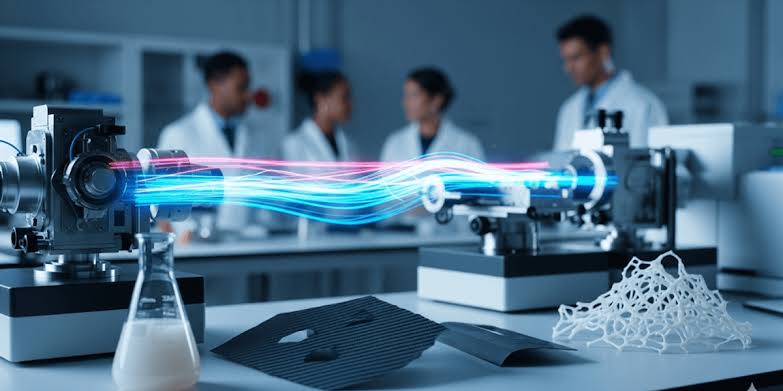
Formula 1 cars must be lightweight enough to accelerate quickly while remaining strong enough to protect drivers during serious accidents.
To achieve this balance, engineers use advanced materials and specialised manufacturing methods.
Carbon Fibre: The Backbone of F1 Engineering
Carbon fibre is one of the most important materials used in modern Formula 1 cars. It offers an excellent strength-to-weight ratio, making it suitable for important structural components.
It is used in:
The monocoque chassis.
Front and rear wings.
Bodywork and aerodynamic components.
Certain suspension and structural parts.
The monocoque is particularly important because it forms the driver's protective survival cell.
Why Lightweight Construction Matters

The 2026 regulations also introduce smaller and lighter cars, supporting the sport's goal of creating more agile racing machines.
However, reducing weight cannot come at the expense of structural strength. Every component must meet strict technical and safety requirements.
Federation Internationale de l'Automobile+1
4. Safety Technology: Protecting Drivers at Extreme Speeds
Speed and performance are important in Formula 1, but driver safety remains a fundamental priority.
Over the years, the sport has introduced major safety improvements to reduce the risks associated with high-speed crashes.
The Halo Protection System
The Halo is a strong protective structure positioned around the cockpit. It helps protect the driver's head from flying debris, other cars and certain impact situations.
Although its introduction initially generated debate among racing fans, it has become an essential part of modern F1 safety engineering.
What's New in 2026?
The 2026 regulations strengthen several safety requirements.
These include improved front impact protection, increased side intrusion protection and stronger roll-hoop testing requirements.
For example, the roll-hoop vertical impact test requirement increases from 16G to 20G. A redesigned two-stage front impact structure also aims to provide better protection in situations involving multiple impacts.
Federation Internationale de l'Automobile+1
5. Smart Sensors and Real-Time Data Technology

Modern Formula 1 cars are effectively moving data centres on wheels.
They contain hundreds of sensors that continuously monitor different systems and provide engineers with valuable information.
These sensors collect information about:
Engine temperature.
Tyre pressure and temperature.
Brake temperatures.
Fuel and energy usage.
Suspension behaviour.
Vehicle speed and acceleration.
Electrical system performance.
How Teams Use Real-Time Data
During a race, information is transmitted to engineers who monitor the car's condition and performance.
They use this information to identify potential problems, adjust race strategies and help drivers manage their tyres and energy.
Data analytics also allows teams to compare actual track performance with simulations and previous testing sessions.
This combination of sensors, software and engineering expertise helps teams make faster and more informed decisions.
6. Braking Systems and Tyre Technology
An F1 car needs more than a powerful engine to win races. It must also stop quickly, maintain grip and remain stable under extreme driving conditions.
Advanced Carbon Brakes
Formula 1 cars use specialised carbon-based braking materials designed to operate under extremely high temperatures.
The braking system must handle intense forces when drivers slow down from very high speeds before entering tight corners.
Brake-by-wire technology also plays an important role in managing the rear braking system and energy recovery.
Tyre Technology
Tyres are another major part of Formula 1 engineering. Their grip, temperature and wear directly influence lap times and race strategy.
Pirelli supplies the tyres used in the championship, with different compounds offering different performance characteristics.
Tyre Type | General Characteristics |
Soft | High grip and faster performance, generally shorter lifespan |
Medium | Balanced grip and durability |
Hard | Greater durability, generally lower peak grip |
Intermediate | Designed for damp or lightly wet conditions |
Full Wet | Designed for heavy rain and standing water |
Teams continuously monitor tyre temperatures and wear to determine the right moment for pit stops.
7. Artificial Intelligence, Simulation and Computer Technology

Technology in Formula 1 does not begin when a car enters the circuit. Much of the engineering work happens inside factories, design departments and simulation facilities.
Teams use advanced computer software to study airflow, test component designs and predict how a car will behave under different conditions.
The Role of Simulation
Computer simulations help engineers understand how changes to a car could affect its performance before building expensive physical components.
Important applications include:
Computational Fluid Dynamics (CFD): Studies airflow around the car.
Driver Simulators: Help drivers practise circuits and test setups.
Data Analytics: Identifies performance patterns and weaknesses.
AI-Assisted Analysis: Helps engineers examine complex datasets and support decision-making.
Simulation technology reduces development time and helps teams explore more engineering possibilities.
However, simulations must still be checked against real-world testing because track conditions, weather and tyre behaviour can produce unexpected results.
8. Sustainable Fuel and the Future of Formula 1

Formula 1 is increasingly focusing on sustainability while maintaining the high-performance character of the sport.
The 2026 regulations introduce 100% advanced sustainable fuel, marking a significant development in the championship's fuel technology.
These fuels are designed using sustainable sources such as non-food biomass, municipal waste and carbon captured through sustainable processes.
Why Sustainable Fuel Matters
The development of advanced sustainable fuels could offer useful lessons for the wider automotive industry, particularly in areas where conventional combustion engines remain in use.
Formula 1 also continues to explore improved energy efficiency, electrification and more sustainable operations.
Its wider ambition includes reaching Net Zero carbon by 2030.
Formula 1® - The Official F1® Website+1
9. How Formula 1 Technology Influences Everyday Cars
One of the most interesting aspects of Formula 1 is how racing innovations can influence everyday vehicles.
Automotive manufacturers use motorsport as a testing environment for new engineering ideas. Although not every racing technology becomes suitable for road cars, several developments have influenced the wider automotive industry.
Examples include:
Hybrid Power Systems: Racing research has helped advance energy recovery and hybrid powertrain development.
Lightweight Materials: Carbon fibre and other advanced materials are increasingly used in high-performance road vehicles.
Braking Technology: Improvements in braking materials and control systems have influenced performance vehicles.
Aerodynamic Design: Lessons from airflow management help manufacturers improve vehicle stability and efficiency.
Energy Management: Motorsport innovations contribute to research into more efficient power delivery.
Formula 1 therefore serves as more than an entertainment platform. It is also a competitive environment where manufacturers explore technologies that may influence future transportation.
10. What Does the Future Hold for Formula 1 Engineering?
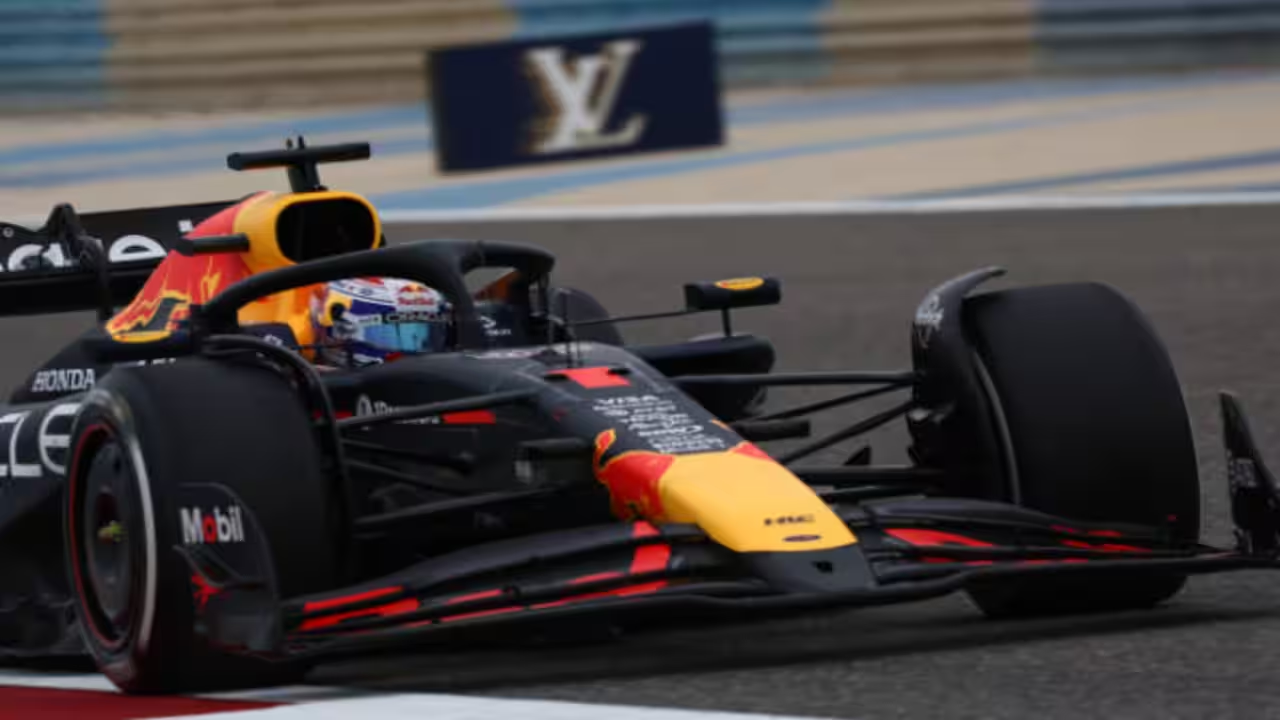
Formula 1 technology will continue to evolve as engineers search for new ways to improve speed, efficiency, reliability and safety.
The 2026 regulations represent an important step towards a different generation of racing cars, with increased electrical power, active aerodynamics and sustainable fuel.
Future developments may include:
More advanced hybrid power systems.
Improved battery energy management.
Smarter aerodynamic designs.
More sophisticated AI-supported engineering.
Stronger and lighter safety structures.
Greater use of sustainable materials and manufacturing processes.
The challenge will be to introduce new technology without losing the excitement, competition and driver skill that make Formula 1 special.
FAQ'S
Formula 1 cars use advanced aerodynamics, powerful hybrid engines, lightweight carbon fibre structures, specialised tyres and sophisticated electronic systems to achieve exceptional performance.
Modern 2026 Formula 1 cars use 1.6-litre turbocharged V6 hybrid power units combining internal combustion and electrical power.
Active aerodynamics allows the front and rear wings to change their positions to reduce drag on straights and increase downforce in corners.
The Halo is a strong cockpit protection structure designed to help shield drivers' heads from flying debris and certain crash impacts.
Formula 1 is working towards greater sustainability through advanced sustainable fuels, increased electrical power, energy efficiency and its Net Zero carbon ambition for 2030.
Sources and notes
Links the author listed for this post.
This article is based on technical information and regulations published by the FIA and Formula 1, including: - Formula 1 – 2026 Regulations - FIA – A New Era of Formula 1 Competition - FIA – F1's New Era and Technical Innovations - Formula 1 – Advanced Sustainable Fuels - Formula 1 – 2026 Regulations Explained
More on AltFTool
- AltFTool (opens in a new tab)
altftool.com


Discussion
0 comments