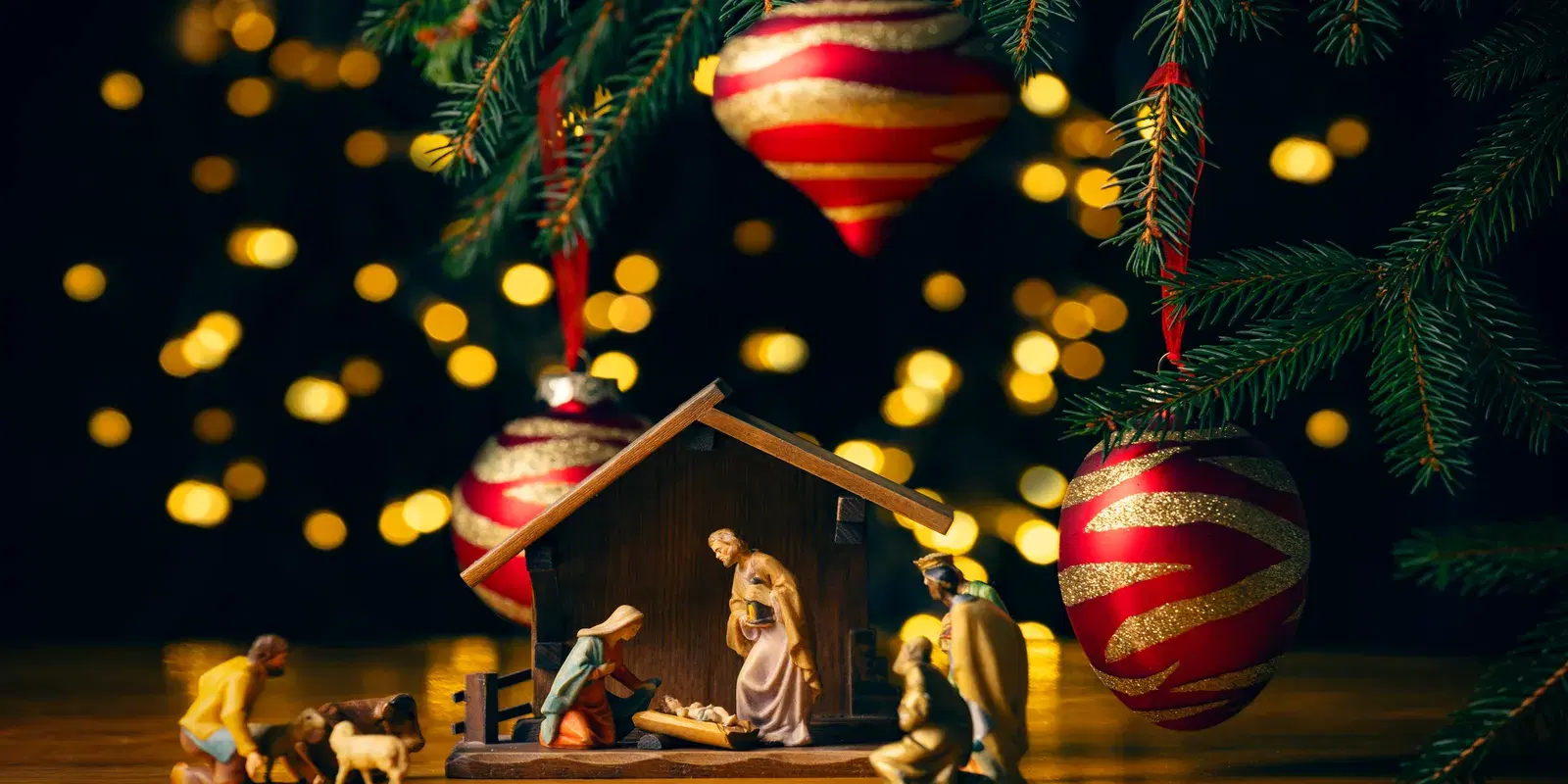
Christmas is one of the most widely celebrated festivals in the world. Every year on December 25, millions of people come together to celebrate the occasion with family gatherings, church services, Christmas trees, festive meals and gift exchanges. For Christians, this special day commemorates the birth of Jesus Christ and represents love, hope, peace and kindness.
But have you ever wondered why Christmas is celebrated specifically on December 25? Does the Bible mention this date, or was it selected later by early Christian communities?
The history behind Christmas is fascinating and goes back many centuries. Although the exact birthday of Jesus is not recorded in the Bible, December 25 gradually became the traditional date for celebrating his birth.
In this article, we will explore the history of Christmas, why December 25 was selected, its religious significance, popular traditions and interesting facts about this global celebration.
What Is Christmas and Why Is It Celebrated?
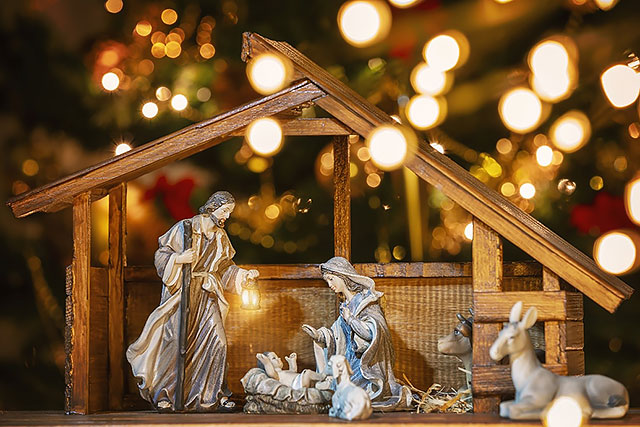
Christmas is an annual religious and cultural festival that celebrates the birth of Jesus Christ, whom Christians believe to be the Son of God and the Saviour of humanity.
For Christians, Christmas is a reminder of God's love and the message of hope, forgiveness and compassion. People attend special church services, sing Christmas carols, decorate their homes and exchange presents with loved ones.
Over the years, Christmas has also become a popular cultural celebration. People from different backgrounds enjoy its festive atmosphere through decorations, special food, community events and family traditions.
History of Christmas: Where Did It Begin?
The history of Christmas goes back to the early centuries of Christianity. However, the celebration did not begin exactly as we know it today.
During the earliest years of Christianity, Easter was the most important Christian festival. It focused on the resurrection of Jesus Christ. His birth was not initially celebrated through a separate annual festival in many Christian communities.
As Christianity developed, interest in remembering and celebrating the birth of Jesus increased. Different Christian communities also explored possible dates for his birth.
By the fourth century, December 25 had become an established date for Christmas celebrations in Rome.
Historical records associated with the Roman calendar of 354 refer to the celebration of Christ's birth on December 25, with evidence pointing to the observance already taking place in 336.
The festival gradually spread to other parts of the Christian world, although some Eastern Christian communities initially celebrated the occasion on January 6.
Why Is Christmas Celebrated on December 25?
The Bible does not provide an exact date or month for the birth of Jesus Christ. As a result, historians have explored different explanations for why December 25 became the traditional celebration date.
There are two important historical explanations.
1. Connection With the Winter Solstice
One explanation connects December 25 with the winter solstice and ancient Roman midwinter traditions.
The winter solstice occurs around December 21 in the modern Gregorian calendar in the Northern Hemisphere. It marks the shortest day and longest night of the year.
In ancient Rome, the period around the winter solstice was associated with celebrations, seasonal customs and the symbolism of light returning after the darkest part of the year.
Some historians suggest that choosing December 25 helped Christianity establish a meaningful celebration during an important seasonal period.
However, the exact relationship between Christmas and earlier Roman festivals remains debated among historians.
2. Early Christian Date Calculations
Another explanation comes from early Christian calculations about the life of Jesus.
Some early Christian writers associated the date of Jesus's conception with March 25. This date was also connected with calculations about the date of his death.
According to this traditional calculation, adding nine months to March 25 leads to December 25.
This provides another possible explanation for how the date became associated with the birth of Jesus.
Neither explanation can be treated as completely certain, but both help explain the historical development of the Christmas date.
What Does the Bible Say About the Date of Jesus's Birth?
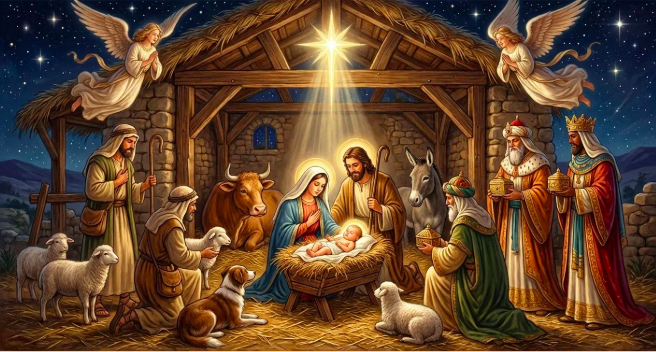
The Bible tells the story of Jesus's birth in the Gospels of Matthew and Luke. However, neither Gospel gives a specific calendar date for his birth.
The Gospel of Luke describes how Mary and Joseph travelled to Bethlehem, where Jesus was born. It also tells the story of shepherds who received the announcement of his birth.
The Gospel of Matthew describes the visit of the Magi, who followed a star and brought gifts for the newborn Jesus.
These accounts form the foundation of the Christian Christmas story.
Although December 25 is widely accepted as the traditional celebration date, it is important to understand that the actual historical date of Jesus's birth is unknown.
How Did Christmas Become a Worldwide Celebration?
Christmas gradually developed from a Christian religious observance into a major cultural and family celebration.
As Christianity spread across Europe and other regions, Christmas traditions developed according to local customs and cultures.
During the Middle Ages, churches organised special services, religious performances and community celebrations. Later, different European customs influenced the way people celebrated Christmas at home.
During the 19th century, Christmas became increasingly associated with family gatherings, decorated Christmas trees, greeting cards and gift-giving.
Literature, popular illustrations and changing social traditions also helped shape the modern Christmas celebration.
Today, Christmas is celebrated in many countries, both by Christians and by people who enjoy its cultural and festive traditions.
How Is Christmas Celebrated Around the World?
Christmas traditions are different from one country to another. While the central Christian meaning remains important, local food, decorations and customs make each celebration unique.
1. Christmas Celebration in India
In India, Christmas is celebrated with great enthusiasm, particularly in states such as Goa, Kerala, Meghalaya and parts of the Northeast.
Churches are decorated with lights, stars and Christmas trees. People attend midnight Mass, prepare traditional dishes, exchange gifts and spend time with family.
Popular Christmas foods include plum cake, kulkuls, rose cookies and other regional festive treats.
2. Christmas Celebration in the United States
In the United States, Christmas is celebrated with decorated homes, illuminated streets, Christmas trees and family gatherings.
Many families exchange gifts on Christmas morning, prepare special meals and enjoy traditional holiday activities.
Santa Claus is also a popular part of the celebration, particularly among children.
3. Christmas Celebration in the United Kingdom
In the United Kingdom, Christmas traditions include decorating Christmas trees, sending greeting cards, attending church services and enjoying festive meals.
Roast turkey, Christmas pudding and mince pies are popular holiday foods.
Many families also enjoy watching the King's Christmas message and spending time together.
4. Christmas Celebration in Germany
Germany is well known for its traditional Christmas markets, which are an important part of the festive season.
These markets feature handmade decorations, seasonal food, Christmas ornaments and warm drinks.
Advent calendars and beautifully decorated Christmas trees are also popular German traditions.
5. Christmas Celebration in Australia
Christmas takes place during summer in Australia, making its celebrations different from those in many Northern Hemisphere countries.
People often enjoy outdoor gatherings, beach activities, barbecues and family meals.
Seafood and cold desserts are popular choices for many Australian Christmas celebrations.
Popular Christmas Traditions and Their Meaning
Christmas includes several traditions that have developed over many generations. Each one adds something special to the festive season.
Christmas Tree Decoration
Decorating a Christmas tree is one of the most recognisable holiday traditions.
Evergreen trees have long been associated with life and renewal during winter. The modern decorated Christmas tree tradition became particularly popular in German-speaking regions before spreading to other countries.
Families decorate trees with lights, ornaments, ribbons and stars.
Exchange of Christmas Gifts
Gift-giving is another important part of Christmas.
The tradition is often connected with the gifts of gold, frankincense and myrrh brought by the Magi to Jesus, as described in the Gospel of Matthew.
Today, exchanging presents is a way for people to express affection, appreciation and generosity.
Christmas Carols
Christmas carols are special songs performed during the holiday season.
Some carols tell the story of Jesus's birth, while others focus on happiness, peace and seasonal celebrations.
People sing them in churches, schools, homes and community gatherings.
Santa Claus Tradition
Santa Claus is one of the most familiar figures associated with modern Christmas celebrations.
His story is connected with Saint Nicholas, a Christian bishop remembered for generosity and kindness.
Over time, stories, illustrations and popular culture helped create the modern image of Santa Claus, who is traditionally shown delivering presents to children.
Christmas Lights and Decorations
Homes, streets, shopping centres and public spaces are decorated with colourful lights during Christmas.
Stars, bells, wreaths, candles and decorative ornaments help create a festive atmosphere.
For many families, decorating the home is an enjoyable activity that marks the beginning of the holiday season.
Why Is Christmas Important for Christians?
For Christians, Christmas has deep religious and spiritual significance.
It celebrates the birth of Jesus Christ and reminds believers of the central teachings associated with his life.
Some of the important messages of Christmas include:
Love: Showing care and affection towards family, friends and others.
Peace: Encouraging harmony, understanding and forgiveness.
Hope: Remembering the message of faith and a better future.
Kindness: Helping people who need support.
Generosity: Sharing resources and bringing happiness to others.
Christmas is therefore more than a celebration involving decorations and presents. It is also a time for reflection, prayer and spreading goodwill.
Interesting Facts About Christmas

Here are some interesting facts that help explain the history and traditions of Christmas.
The Bible does not mention December 25 as the exact date of Jesus's birth.
The earliest firm evidence for the December 25 Christmas celebration comes from a fourth-century Roman calendar.
The word Christmas comes from the expression Christ's Mass.
January 6 is celebrated as Christmas by some Christian traditions, including the Armenian Apostolic Church.
Saint Nicholas helped inspire the modern Santa Claus tradition.
Christmas trees became especially popular in Britain during the 19th century.
Christmas is cel
ebrated in both religious and cultural ways around the world.
The traditional Christmas story is mainly described in the Gospels of Matthew and Luke.
How Can You Celebrate Christmas Meaningfully?
Christmas can be a wonderful opportunity to spend quality time with loved ones and spread happiness in your community.
Here are some simple ways to make the occasion special:
Decorate your home with Christmas lights and ornaments.
Prepare homemade Christmas cake and other festive dishes.
Attend a Christmas service if you wish to participate in religious celebrations.
Exchange thoughtful gifts with family and friends.
Donate food, clothes or essential items to people in need.
Spend quality time with family members.
Share kindness and happiness with your community.
Even small gestures can make the celebration meaningful.
Conclusion
Christmas on December 25 has a fascinating history shaped by early Christian beliefs, historical date calculations and the development of religious traditions. Although the exact birthday of Jesus Christ remains unknown, December 25 became the traditional day for remembering his birth.
Over the centuries, Christmas has grown into a worldwide celebration filled with family gatherings, church services, festive food, decorations and gift-giving.
Beyond the celebrations, its message of love, peace, kindness and generosity continues to make Christmas meaningful for millions of people. Whether celebrated through religious traditions or family customs, Christmas remains a special occasion for sharing happiness and goodwill.
FAQ'S
Christmas is celebrated on December 25 to commemorate the birth of Jesus Christ. The date became established in the Western Christian tradition during the fourth century, although the exact reason for choosing it is still debated.
There is no historical or biblical evidence confirming that Jesus was born on December 25. It is the traditional date chosen for celebrating his birth.
The date became established in the early Christian Church during the fourth century. Historical records show that Christmas was being celebrated in Rome on December 25 by 336 CE. There is no firmly established record identifying one individual as the person who originally selected the date.
Christmas commemorates the birth of Jesus Christ. It also represents love, peace, hope, forgiveness and generosity.
Some Eastern Orthodox churches follow the Julian calendar for religious celebrations. December 25 on that calendar currently falls on January 7 in the Gregorian calendar.
Sources and notes
Links the author listed for this post.
Historical information is based on early Christian records and historical research into the origins of the December 25 Christmas celebration.

Discussion
0 comments
No comments yet
Discussion will appear here once it loads.