Children are an important part of every society because they represent hope, creativity and the future. Childhood is a special stage of life filled with learning, curiosity, friendship and new experiences. Every child deserves love, care, education, safety and opportunities to grow.
In India, Children's Day is celebrated every year on 14 November to recognise the importance of children and highlight their rights, education and overall development. The date marks the birth anniversary of India's first Prime Minister, Pandit Jawaharlal Nehru, who was popularly known as Chacha Nehru because of his affection for children.
Schools, educational institutions and communities celebrate this day through cultural programmes, games, competitions and other fun activities. It is also an opportunity to remind everyone that children need a safe, supportive and encouraging environment.
Let's explore the history, importance, celebration ideas and interesting facts about Children's Day in India.
When Is Children's Day Celebrated in India?
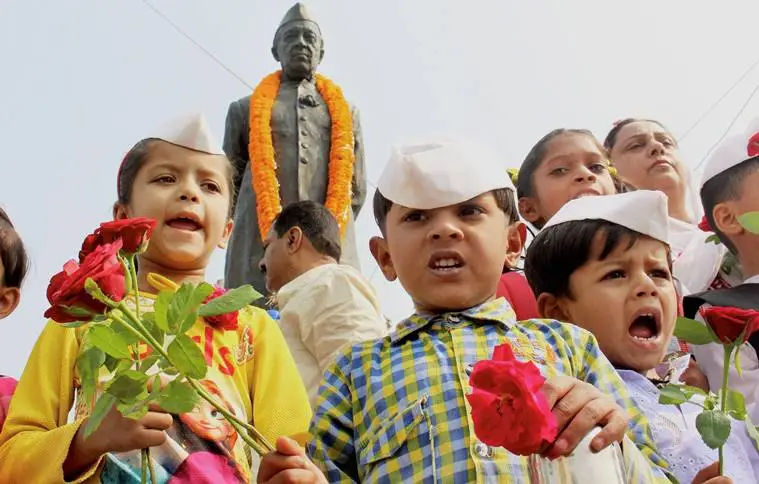
Children's Day is celebrated in India on 14 November every year. The date is observed in memory of Pandit Jawaharlal Nehru, whose birthday falls on this day.
Nehru believed that children played an important role in building the country's future. His birthday became associated with children's welfare, education and development.
The celebration is not just about fun and entertainment. It also encourages parents, teachers and society to understand children's needs and work towards providing better opportunities for every child.
History of Children's Day in India
The history of Children's Day in India is closely connected with Pandit Jawaharlal Nehru, who was born on 14 November 1889 in Allahabad, now known as Prayagraj, Uttar Pradesh.
He became independent India's first Prime Minister in 1947 and served until 1964. Nehru was known for his interest in children's education, welfare and development.
Before India adopted 14 November as Children's Day, 20 November was observed in connection with Universal Children's Day, established by the United Nations in 1954.
After Nehru's death on 27 May 1964, his birthday was chosen to be celebrated as Children's Day in India as a tribute to his affection for children and his contribution to their welfare.
Since then, 14 November has been an important occasion for celebrating childhood and spreading awareness about children's education, rights and well-being.
Why Is Children's Day Important?
Children's Day is important because it reminds us that every child deserves a happy, healthy and secure childhood. It encourages families, schools, governments and communities to pay attention to children's needs and development.
Here are some important reasons why this day matters.
1. Promotes Children's Education
Education gives children the knowledge and skills they need to build their future. Children's Day highlights the importance of quality education and equal learning opportunities for all children, regardless of their background.
2. Creates Awareness About Children's Rights
Every child deserves protection, dignity, education, healthcare and equal opportunities. This day encourages people to understand children's rights and take steps to protect them from exploitation, discrimination and abuse.
3. Encourages Creativity and Talent
Children have different interests and abilities. Activities such as drawing, singing, dancing, storytelling and sports give them opportunities to explore their talents and express themselves.
4. Highlights Health and Nutrition
Good health and proper nutrition are essential for children's physical and mental development. Children's Day reminds families and communities about the importance of balanced meals, healthcare, physical activity and emotional support.
5. Builds a Positive Relationship Between Teachers and Students
Teachers play an important role in children's lives. Children's Day celebrations create opportunities for teachers and students to connect through games, performances and enjoyable classroom activities.
6. Promotes Equality and Inclusion
Every child deserves the opportunity to learn, play and grow. Children's Day encourages society to support children from different economic and social backgrounds, including children with disabilities and those facing difficult circumstances.
How Is Children's Day Celebrated in India?
Children's Day is celebrated with excitement in schools, educational institutions and communities across India. The celebrations often include fun activities, cultural programmes and educational events.
Some popular ways to celebrate the day include:
Happy Children's Day!
A day filled with laughter, colourful celebrations, exciting games and beautiful memories. Let's make every child feel special!
🎊 Fun Ways to Celebrate Children's Day
Here are some joyful activities that make the day memorable in schools.
Cultural Programmes
Schools organise dance performances, singing competitions, drama and music programmes. Children get an opportunity to showcase their creativity and confidence.
Games and Sports Activities
Fun games, outdoor sports, quizzes and team competitions make the celebration more enjoyable. These activities also encourage teamwork and friendship.
Drawing and Painting Competitions
Art competitions allow children to express their imagination through colours and creative ideas. Schools may organise drawing, craft-making and poster competitions.
Special Activities by Teachers
Teachers sometimes organise entertaining performances, games and activities for students. These celebrations help create happy memories and strengthen teacher-student relationships.
Gifts and Sweets Distribution
Some schools celebrate the occasion by distributing chocolates, sweets, stationery items and small gifts to children.
Educational and Awareness Activities
Schools and organisations may arrange storytelling sessions, educational workshops and discussions about children's rights, health, safety and education.
Interesting Facts About Children's Day
Here are some interesting facts about Children's Day that students and readers should know.
14 November is celebrated in India: Children's Day marks the birth anniversary of Pandit Jawaharlal Nehru, who was born in 1889.
Nehru was called Chacha Nehru: Children affectionately called him Chacha Nehru because of his association with children.
India celebrates Children's Day after Nehru's death: The observance of 14 November as Children's Day began in 1964.
World Children's Day is different: The United Nations observes World Children's Day on 20 November every year.
The UN established Universal Children's Day in 1954: It was created to promote children's welfare and international understanding.
20 November is historically significant: The UN General Assembly adopted the Declaration of the Rights of the Child in 1959 and the Convention on the Rights of the Child in 1989 on this date.
Children's rights cover many areas: These include education, healthcare, protection, identity, participation and equal opportunities.
Children's Day is more than a celebration: It is also a reminder of society's responsibility to protect and support every child.
Ministry of Culture, Government of India+3
Who Was Pandit Jawaharlal Nehru?
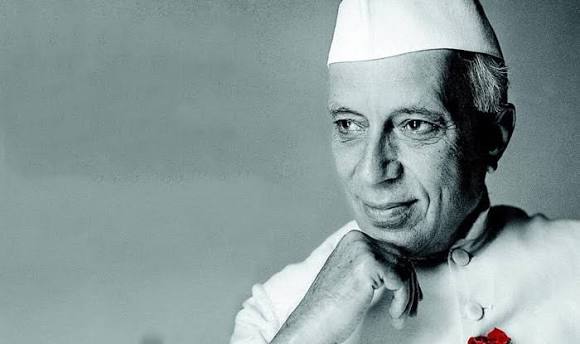
Pandit Jawaharlal Nehru was an important leader in India's freedom movement and the first Prime Minister of independent India.
He was born on 14 November 1889 in Allahabad. After India gained independence in 1947, he became the country's first Prime Minister and served until his death in 1964.
Nehru believed that children deserved education, care and opportunities to develop their abilities. He considered them important to India's future and supported the development of education and scientific institutions.
His affection for children earned him the popular name Chacha Nehru. His birthday is now celebrated across India as Children's Day.
Children's Rights Every Child Should Know About
Children's Day is also a good opportunity to understand the basic rights that every child should enjoy.
Some important children's rights include:
Every Child Has the Right to Dream & Shine!
Every child deserves a childhood filled with happiness, learning, love and opportunities. Let's understand six important rights that help children enjoy a safe and beautiful future.
Right to Education
Every child deserves quality education, books and equal learning opportunities to discover their talents and build a bright future.
Right to Health
Children deserve nutritious food, clean water, proper healthcare and medical support to grow healthy and strong.
Right to Protection
Every child must be protected from abuse, neglect, exploitation, violence and situations that threaten their safety.
Right to Equality
All children deserve equal treatment, respect and opportunities without discrimination based on gender, disability or background.
Right to Participation
Children should be encouraged to share their thoughts, express their opinions and have their voices heard in matters affecting them.
Right to Play & Development
Every child deserves time for sports, games, creativity and recreation to enjoy childhood and develop new abilities.
Simple Ways to Make Children's Day Special
Children's Day does not need expensive gifts or grand celebrations. Small and meaningful activities can make the occasion memorable.
Here are some simple ideas for parents, teachers and families:
Spend quality time with children and listen to their thoughts.
Read an interesting story or book together.
Organise a family game or creative activity.
Encourage children to try drawing, music, dance or sports.
Give them books, art supplies or educational gifts.
Appreciate their efforts, creativity and achievements.
Teach them about kindness, respect and helping others.
The most important thing is to make children feel valued, respected and supported.
Conclusion
Children's Day is more than an annual celebration filled with games, gifts and entertainment. It is an important reminder that every child deserves love, education, safety, healthcare and equal opportunities to build a better future.
Celebrated on 14 November in India, this special day honours Pandit Jawaharlal Nehru and his affection for children. It also encourages parents, teachers and communities to take responsibility for children's growth and development.
Whether through school activities, family celebrations or educational programmes, the real purpose of Children's Day is to make childhood happier, safer and more meaningful. Every child deserves the opportunity to learn, dream, explore and achieve their full potential.
FAQ'S
Children's Day is celebrated every year on 14 November in India to mark the birth anniversary of Pandit Jawaharlal Nehru.
The date was chosen to honour Jawaharlal Nehru, India's first Prime Minister, who was known for his affection for children.
Chacha Nehru was the popular name given to Pandit Jawaharlal Nehru because of his love and affection for children.
India began observing 14 November as Children's Day in 1964, following Nehru's death.
It highlights children's education, rights, health, safety, happiness and overall development.
Sources and review notes
References used to check facts, freshness, and reader-safe recommendations in this guide.
Historical information and children's rights references are based on Government of India resources, the Nehru Portal and UNICEF.
- 1
Discussion
0 comments
No comments yet
Discussion will appear here once it loads.